
Jiangxi Province is one of China’s least-visited regions for international tourists — which makes it one of the most rewarding. The landscapes are magnificent, the culture deep, and the crowds manageable even during peak season.
Table of contents
Open Table of contents
Jingdezhen (景德镇) — Porcelain Capital of the World
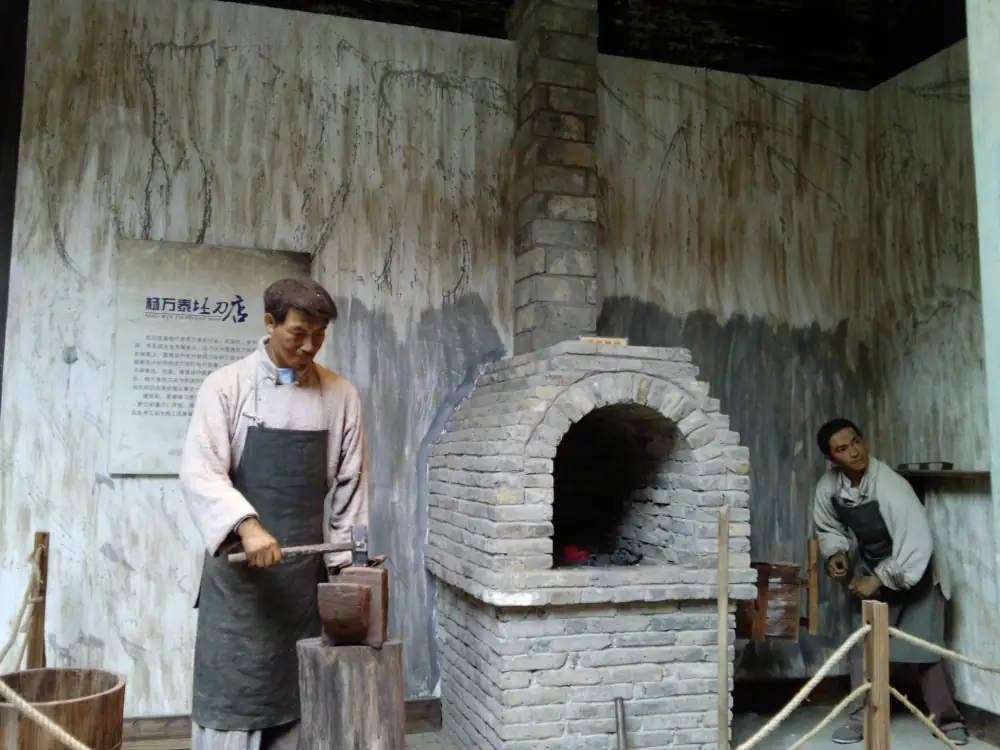
Jingdezhen has produced porcelain for Chinese imperial courts and world trade for 1,700 years. The city’s white kaolin clay and pine-wood kilns created the distinctive blue-and-white porcelain that defined world trade from the 14th century onward.
What to Do
Jingdezhen Ceramic Museum (景德镇陶瓷博物馆) — Free; outstanding collection from all dynasties; full context for understanding the city.
Taobao Street (陶宝街) — 1km market street of ceramic shops; factory-second prices but enormous selection. Bargain on everything.
Ceramic Art Avenue (陶艺大道) — studios where contemporary artists work and sell; a significant percentage of China’s top ceramic artists live and work in Jingdezhen.
Sanbao International Ceramic Village (三宝国际陶艺村) — a valley community of ceramic artists from around the world; studios open to visitors; workshops available.
Hands-on workshops: Numerous studios offer wheel-throwing and painting workshops. Half-day wheel workshop with bisque and glaze firing (they post it home): ¥150–¥300.
The Jingdezhen Art Ceramics Scene
Since around 2015, Jingdezhen has developed an extraordinary contemporary ceramics scene attracting artists from across China and internationally. The area around Sanbao and the Ceramic Art University (景德镇陶瓷大学) is especially vibrant.
Wuyuan (婺源) — China’s Most Beautiful Rural Landscape
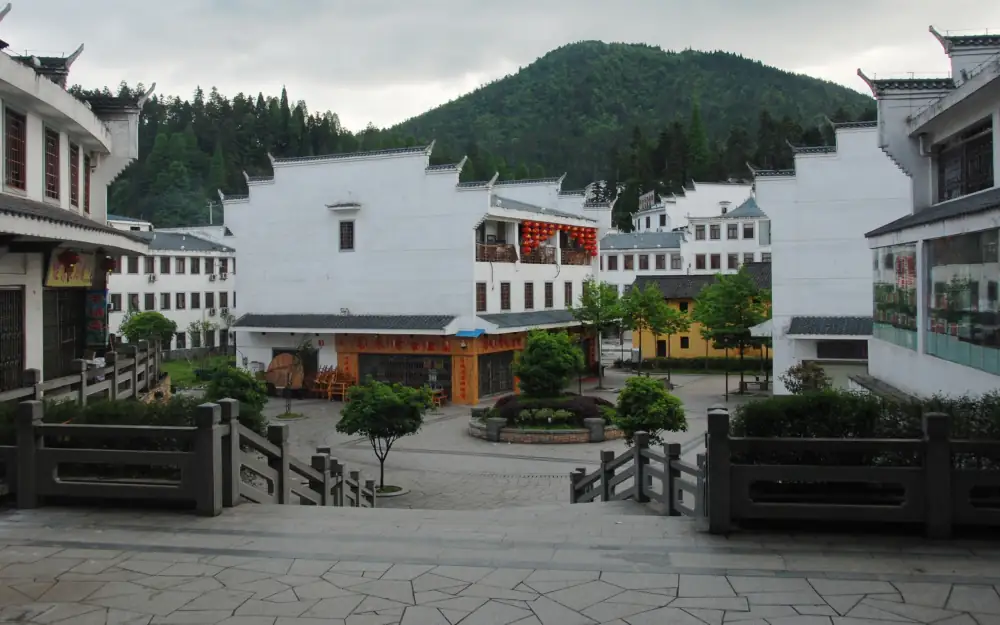
Wuyuan is a county of traditional Huizhou-style villages — whitewashed walls, black-tiled roofs, carved wooden interiors — set in a landscape of terraced fields, misty mountains, and flower-lined streams.
Best Season: Late March–Early April
When the rapeseed flowers (油菜花) bloom, the entire valley turns gold — fields of yellow flowers surrounding white-walled villages, creating China’s most photographed rural landscape.
Must-Visit Villages
Jiangwan (江湾) — The largest and most famous Wuyuan village; well-preserved main street with ancestral halls and a Qing Dynasty government office. Entry ¥90.
Likeng (李坑) — A stream-side village with merchant houses reflected in the canal; the most atmospheric in late afternoon light. Entry ¥80.
Xiaoqi (晓起) — Quieter than the main tourist villages; extraordinary ancient camphor trees, some over 1,000 years old, shade the village lanes.
Huangling (黄岭) — The quintessential Wuyuan autumn photo — terraced vegetable gardens with orange persimmons hanging to dry against white walls; peak in late October.
Getting There
From Nanchang (1.5 hours by high-speed + bus) or Shanghai (4 hours total). The most convenient way is to rent a car from the nearest town to visit multiple villages.
Mount Lu (庐山)
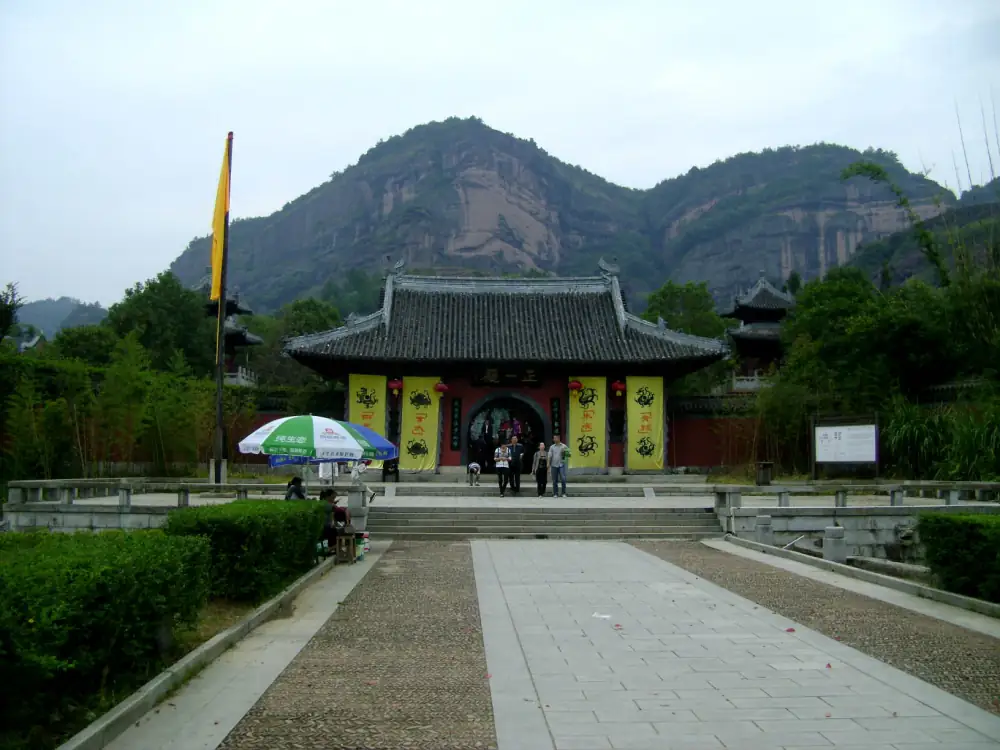
Mount Lu (庐山) has been a retreat for poets, politicians, and scholars for 2,000 years. The mountain’s cloud-draped peaks, waterfalls, and valleys inspired countless classical poems — most famously Su Dongpo’s “I cannot see the true face of Lu Mountain because I am inside it.”
Key Attractions
Lulin Lake and Ruqin Lake — Twin mountain lakes at 1,100m elevation; morning mist creates extraordinary atmospheric effects.
Sandie Waterfall (三叠泉) — “Three-Tier Falls” — 155 metres total drop through three cascades. The best-known waterfall on Mount Lu; access from the east gate of the scenic area.
Meilu Villa Museum (庐山会议旧址) — Mount Lu was the site of several historic Communist Party meetings; Chiang Kai-shek’s summer villa and Mao Zedong’s meeting rooms are preserved as museums.
Practical Info
Entry: ¥160 (includes shuttle buses within the scenic area)
Getting there: Bus from Nanchang (3 hours) or Jiujiang city (30 minutes)
Best time: May–June (spring flowers, waterfalls full) and September–October (mist effects)
Altitude: 1,474m peak; cool even in summer
Practical Info
Nanchang (南昌) is Jiangxi’s capital and transport hub — flights from major cities; high-speed train from Shanghai (2.5 hours), Hangzhou (2 hours). Jingdezhen has its own small airport with connections to Beijing and Shanghai.