
Wuyuan is a county in northeastern Jiangxi province that became famous almost accidentally. Chinese travel photographers discovered in the 1990s that the combination of black-and-white Huizhou architecture — white-walled, grey-tiled, with dramatic horse-head gables — set against yellow rapeseed flower fields created images unlike anywhere else in China. The photos spread, the visitors followed, and Wuyuan was awarded the title of “China’s Most Beautiful Village” by various travel magazines.
The title stuck. Every March and early April, around three million visitors descend on a county with a local population of 330,000. The flowers are real. The architecture is genuine — most of it 300–500 years old. But the experience of visiting is heavily managed, expensive compared to the rest of Jiangxi, and requires some planning.
Table of contents
Open Table of contents
When to Visit for the Rapeseed Flowers
The rapeseed blooms at slightly different times depending on altitude and location:
- Lower villages (Jiangwan, Shicheng): Usually late February to mid-March
- Higher altitude villages (Likeng, Qingyuan area): Mid-March to early April
- Peak overall bloom: Approximately March 15 – April 5, but varies by 1–2 weeks depending on the year
The bloom is over quickly — a week of rain can flatten the flowers or make the fields inaccessible. Check local photography forums or WeChat travel groups for real-time bloom reports before booking.
Outside flower season: Wuyuan is significantly cheaper and less crowded. The villages and architecture are still beautiful year-round; you just won’t have the yellow flower backdrop.
The Main Villages to Visit
Wuyuan is not a single village — it’s a county containing dozens of villages spread across a mountainous area about 60km across. You’ll need to choose which villages to visit, as seeing them all would take a week.
Jiangwan (江湾)
The most accessible and most visited village. UNESCO-level Huizhou architecture, a functioning village with about 200 households. The surrounding fields are the classic “yellow flowers and white walls” image. Crowds here are heavy during peak season — arrive before 8am.
Entry fee: ¥75 (included in the general Wuyuan scenic pass)
Likeng (李坑)
One of Wuyuan’s prettiest villages, built along a small river with bridges, watermills, and an ancient ancestral hall. Less overwhelming than Jiangwan and with a better layout for walking and photography.
Entry fee: Included in scenic pass
Best for: Canal-side architecture photography
Xiaoqi (晓起)
An “ancient camphor village” known for its enormous old camphor trees (some 1,000+ years old) shading the village lanes. Quieter than other villages and with the best-preserved Song-Dynasty street layout.
Entry fee: ¥30 separately, or included in higher-tier passes
Qingyuan (清源)
A newer addition to the tourist circuit, at higher altitude — which means later-blooming flowers (good if you miss the main season) and fewer crowds. The views of rapeseed terraces down into the valley are among the best in Wuyuan.
Sixi Yanshi (思溪延村)
Twin villages — Sixi and Yanshi — along the same road. Merchant family houses from the Qing Dynasty, with excellent interior wood carving. Less photographed for landscapes but excellent for architecture detail.
The Scenic Area Pass
Wuyuan is divided into several tourist districts, each with its own ticket. The most practical option is the Comprehensive Scenic Pass (通票):
Price: ¥210 per person (valid 3 days)
Includes: Jiangwan, Likeng, Xiaoqi, Wangkou Village, and several smaller sites
Excludes: Some premium photography platforms and a few additional villages
Individual village tickets range from ¥30–75. If you’re visiting more than two or three villages, the pass is better value.
Photography Spots
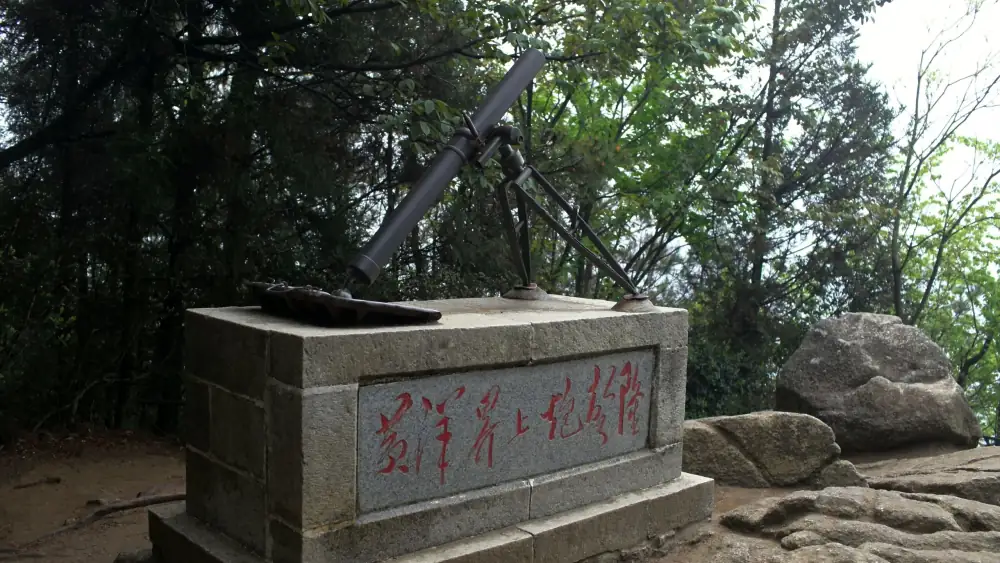
Shiyiwanqiu Platform (石耳山观景台): Above Jiangwan, this elevated viewing platform gives the classic aerial view of the village surrounded by rapeseed fields. Arrive by 7am for mist photography in spring.
Likeng Village Centre: Stand on the stone bridge near the ancestral hall at golden hour (around 6–7pm) for the best light on the white walls.
Huangcun Village (黄村): Less visited than the main sites, with a 200-year-old camphor tree and excellent reflections in the village pond.
Wengong Road (文公路): The road connecting northern and southern Wuyuan passes through some of the most photogenic rapeseed fields. Rent a bicycle and cycle it slowly in early morning.
Getting to Wuyuan
Wuyuan has its own train station (婺源站) on the Hefei-Fuzhou high-speed railway.
From Hangzhou: High-speed train to Wuyuan, about 2.5–3 hours, ¥120–160
From Nanjing: About 3–4 hours by high-speed train, ¥150–200
From Jingdezhen (景德镇): About 40 minutes by high-speed train, ¥35–55. These two are natural companions for a combined trip.
From Shanghai: About 3.5–4 hours by high-speed train to Wuyuan
Once in Wuyuan, you’ll need to get to the villages. Options:
- Tourist buses from Wuyuan Bus Station: ¥15–30 per village, scheduled departures
- Private car hire (包车): ¥300–500 for a full day covering multiple villages — highly recommended for photography trips as it allows flexible timing
- Bicycle rental: Available in Wuyuan town for ¥30–50/day, practical for the flatter northern circuit villages
Where to Stay
In Wuyuan Town: Most practical for transport; hotels from ¥150–400/night. The town itself is unremarkable.
In the villages: Guesthouses (民宿) within the scenic villages give you early-morning and late-evening access when day-trippers have gone. Strongly recommended for photographers. Prices range from ¥200–600/night depending on season.
Peak season prices (March–April): Everything costs 50–100% more than off-season. Book 4–6 weeks in advance for popular guesthouses.
What It’s Like Outside Flower Season
In summer (June–August), Wuyuan is green and lush — the same villages, same architecture, but with rice paddies instead of rapeseed. Crowds are minimal, prices drop significantly, and you can actually have conversations with villagers without shouting over tour groups.
Autumn (October–November) brings another photogenic moment — the red persimmons and drying crops hung from the eaves of village buildings create a warm palette against the white walls.
Winter visits mean near-empty villages at half the price. Some guesthouses close in December–January, but the ones that stay open often offer excellent value.
Practical Tips
- Hire a car for photography trips — tourist buses have fixed stops and won’t let you linger at your chosen spots
- Eat at village guesthouses rather than tourist restaurants near the main gates — better food, half the price
- Wuyuan is hilly — comfortable walking shoes are essential
- Mobile signal is patchy in some valley villages; download offline maps beforehand
- The county is in Jiangxi but culturally closer to Anhui (Huizhou culture) — the cuisine is mild and sour rather than spicy Jiangxi-style