
Jingdezhen has been China’s ceramics capital for over a thousand years. The Song Emperor Zhenzong gave the town his reign name “Jingde” in 1004 AD and ordered it to supply the imperial court with porcelain. The kilns have been burning almost continuously since then, producing the white porcelain and blue-and-white ware that shaped global ceramics culture — the word “china” (lowercase) in English literally refers to porcelain from this city.
Today Jingdezhen is a city of about 1.6 million people where ceramics is still the defining industry, the cultural identity, and the main reason visitors come. The quality of work produced here ranges from tourist trinkets sold at bus station stalls to pieces that sell at auction for millions of dollars. Learning to tell the difference is part of the experience.
Table of contents
Open Table of contents
Imperial Kiln Museum (御窑博物馆)

The Imperial Kiln Museum is the best starting point for understanding Jingdezhen. The building itself is remarkable — a series of oval brick vaults designed by the architect Zhu Pei to echo the shape of traditional dragon kilns. It sits directly on the excavated site of the Ming Dynasty imperial kilns.
The museum displays thousands of ceramics fragments excavated from this site, including pieces that were deliberately smashed by imperial order because they didn’t meet quality standards. These “seconds” were broken and buried on-site, which has created a remarkable archaeological record.
Opening hours: 9:00am–5:30pm, closed Mondays
Entry fee: ¥50 per person
Address: 1 Zhushan Middle Road (珠山中路1号)
Time needed: 1.5–2.5 hours
The building is worth seeing even if ceramics aren’t your main interest — it won the Aga Khan Award for Architecture in 2022.
Taoxichuan (陶溪川)
Taoxichuan is a creative park built in the renovated buildings of a former state ceramics factory that closed in the 1990s. It’s become the center of Jingdezhen’s contemporary ceramics culture — hundreds of young artists and craftspeople have studios here.
The complex includes:
- Artist studios and workshops: Many open to the public, where you can watch work being made
- Weekend ceramics market: Saturday and Sunday evenings, hundreds of stalls selling handmade ceramics directly from artists and craftspeople. This is the best place to buy genuine work at reasonable prices
- Exhibition galleries: Rotating shows of contemporary ceramics art
- Restaurants and cafes: Including several good ones overlooking the renovated industrial spaces
Location: On the east side of the city, near Xinchang Road
Opening hours: Complex open daily; market runs Saturday–Sunday 6pm–10pm
Entry: Free to wander the complex; individual studios may have their own policies
The Saturday night market at Taoxichuan is one of the genuine highlights of visiting Jingdezhen — browse hundreds of stalls with ceramics in every style and price range, from ¥20 cups to ¥2,000 statement pieces.
Pottery Workshops and Classes
Taking a pottery class is now a central part of the Jingdezhen experience. The city has dozens of studios offering half-day and full-day workshops.
What’s available:
- Throwing (pulling) clay on the wheel: The classic activity; most studios offer 2–3 hour introductory sessions, ¥150–250 per person
- Hand-building: Pinch pots, slab building, coiling; better for kids and beginners, ¥100–180
- Painting on bisque-fired pottery: The most accessible option, ¥80–150
- Full kiln-firing course: Several days, serious pottery learners; ¥800–2,000 per week
Recommended studios:
- Jingdezhen Pottery Workshop (景漂工作室区): Multiple studios clustered near Taoxichuan; walk in or book online
- Sanbao Pottery Village (三宝村): About 15 minutes from the city centre, a larger complex with international artists in residence; ¥200–300 for workshops
The “Jingpiao” (景漂, literally “Jing-drifters”) are the thousands of young artists who have moved to Jingdezhen specifically to work with ceramics — you’ll meet them in studios throughout the city.
How to Buy Ceramics: Real vs Tourist Junk
Jingdezhen has stalls everywhere selling cheap, mass-produced ceramics alongside genuinely excellent handmade work. Here’s how to tell the difference:
Signs of quality work:
- Uneven glaze pooling (sign of hand-application, not machine)
- Slight variations in form — not perfectly uniform
- Visible hand marks or throwing lines inside bowls
- Artist’s stamp or signature on the base
- Higher-fired pieces ring clearly when tapped; cheaper work sounds dull
What to buy and where:
- Taoxichuan weekend market: Best value for genuine artist work; ¥50–300 for good pieces
- Liucong Ceramics Market (流村陶瓷市场): Wholesale market with full range; requires more hunting
- Individual studio shops: Prices are higher but quality is reliable
What to avoid:
- Stalls near bus/train stations (almost entirely tourist-grade)
- Anything claiming to be “Song Dynasty” or “Ming Dynasty” at a market price (it isn’t)
- “Discount” export overruns — often lowest quality
Other Sights in Jingdezhen
Ancient Kiln Folk Scenic Area (古窑民俗博览区)
A living history museum where traditional porcelain-making techniques are demonstrated — from clay preparation through hand-throwing, painting, and wood-firing. The dragon kiln on-site is still periodically fired for demonstrations.
Entry fee: ¥120
Opening hours: 8:00am–5:30pm
Ceramic History Museum (中国陶瓷博物馆)
Comprehensive chronological collection spanning Tang Dynasty through modern era. Good for context before visiting the Imperial Kiln Museum.
Entry fee: ¥35
Opening hours: 9:00am–5:00pm, closed Mondays
Where to Eat
Jingdezhen cuisine is Jiangxi-style — less known than Sichuan or Cantonese but has its own character: moderately spicy, with good use of preserved vegetables and freshwater fish.
Local dishes:
- Smoked fish (烟熏草鱼): Wood-smoked river fish, a local specialty, ¥45–80 for a whole fish
- Stir-fried rice with pickled vegetables (炒饭配酸菜): Simple but excellent
- Scallion pancakes from street stalls: ¥5–8, everywhere in the old quarter
Restaurant recommendation: The Taoxichuan complex has several good restaurants including a Jiangxi-style place called Xinliao Kitchen — generous portions, local ingredients, around ¥50–80 per person.
Getting to Jingdezhen
From Hangzhou: High-speed train, about 2.5 hours, ¥100–140
From Wuyuan: 40 minutes by high-speed train, ¥35–55 — these two destinations combine perfectly for a 4–5 day trip
From Nanchang (Jiangxi’s capital): About 1.5 hours by high-speed train, ¥60–80
From Shanghai: About 3.5–4 hours by high-speed train
Jingdezhen’s high-speed rail station is called Jingdezhen North Station (景德镇北站) — note “North”, as the older Jingdezhen Station is on a slower rail line.
Combining Jingdezhen with Wuyuan
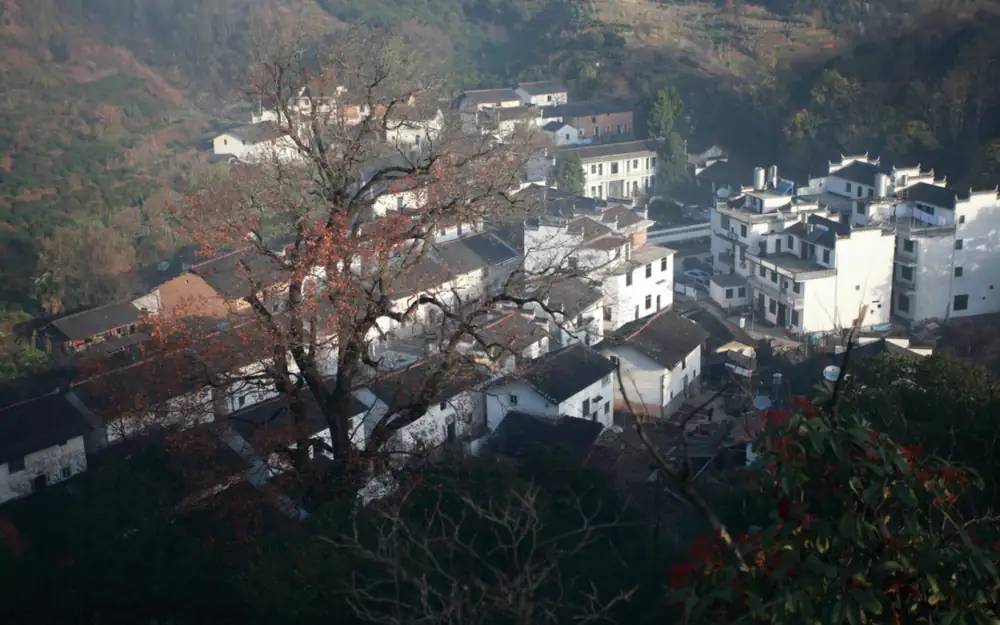
The two destinations are natural companions: Jingdezhen for ceramics and urban culture; Wuyuan for village landscapes. 40 minutes by high-speed rail separates them, and you can easily base yourself in one and day-trip to the other.
Suggested itinerary:
- Day 1–2: Jingdezhen — Imperial Kiln Museum, workshop, Saturday market
- Day 3–4: Wuyuan — village circuit by hired car, stay overnight in a village guesthouse
- Day 5: Return via Jingdezhen or continue to Hangzhou/Nanjing
Where to Stay
Budget (¥150–300): Hostels near Taoxichuan have good facilities and are popular with the young artist crowd
Mid-range (¥300–600): Sheraton Jingdezhen is good value by international standards
Boutique: Several converted kiln-workshop guesthouses in the old town area, ¥400–800, often worth it for atmosphere