
Fenghuang Ancient Town at night — the most photogenic ancient river town in China, with Miao minority stilt-houses built directly over the Tuojiang River
Hunan Province produces three things that have shaped modern China beyond proportion to its size: Mao Zedong (who was born here), the country’s most aggressively spicy cuisine, and Fenghuang — an ancient river town that may be the most photogenic town in China.
Table of contents
Open Table of contents
Changsha (长沙)
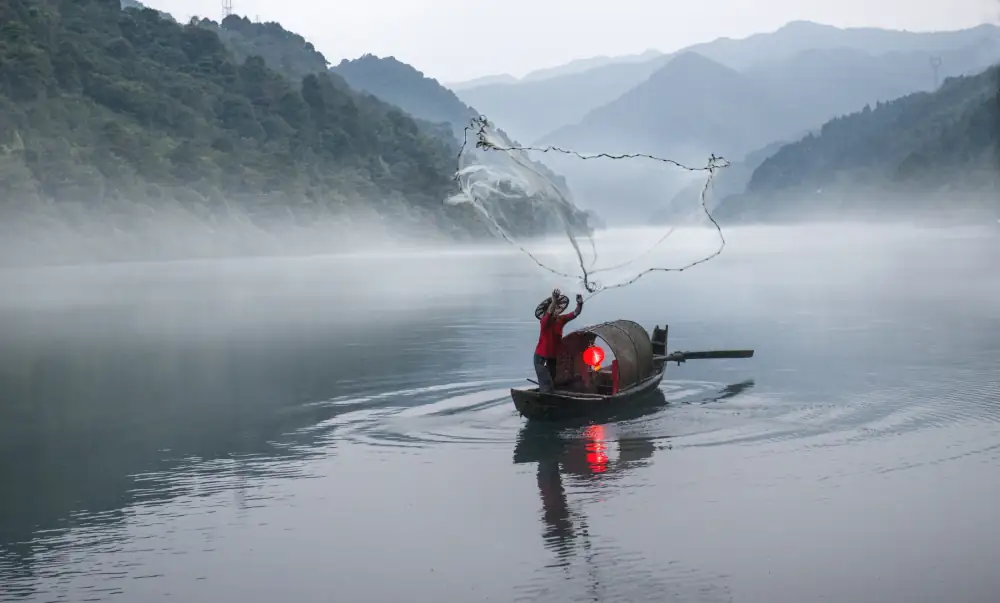
The Hunan capital — a city of 8 million people with remarkable food culture, the most significant Han Dynasty tombs outside Xi’an, and Orange Island (橘子洲) in the middle of the Xiang River where a young Mao Zedong studied.
Mawangdui Han Tomb Museum (马王堆汉墓博物馆)
The most important archaeological find in Hunan — a 2,200-year-old Han Dynasty aristocratic family tomb discovered in 1972, containing:
- The Lady of Dai: A 2,100-year-old female mummy in extraordinary preservation — skin still elastic, joints flexible, organs intact. The preservation conditions (multilayer lacquer coffin, sealed with charcoal and white clay) created a perfect environment.
- 5,000+ burial objects: Silk garments, silk paintings, lacquerware, musical instruments, medical manuscripts — one of the most complete pictures of early Han aristocratic life.
The new museum (opened 2023) provides excellent context for the findings. Free entry with ID.
Street Food: Changsha’s Snack Culture
Hunan street food is an assault on the senses — intense heat, deep umami, and flavours that linger for hours.
Stinky Tofu (臭豆腐): Changsha’s most notorious snack — tofu fermented to produce a pungent smell, then deep-fried to a crispy-outside, silky-inside texture, doused with chilli sauce. The smell is challenging; the taste, if you can get past it, is extraordinary. Available from street carts from 3 PM onward.
Spicy Crayfish (小龙虾): Summer (May–September) is crayfish season — Hunan-style preparation with mala (numbing-spicy) sauce is considered the definitive version in China. The night market on Jiefang West Road (解放西路) is the premier crayfish-and-entertainment district.
Changsha-style beef noodle (长沙牛肉米粉): Rice noodles in a rich dark beef broth with slow-braised beef slices — available from early morning; the best versions involve 12-hour broth preparation.
Changsha’s notorious stinky tofu — the city’s most beloved street snack, with a smell that challenges but a taste that converts
Fenghuang Ancient Town (凤凰古城)
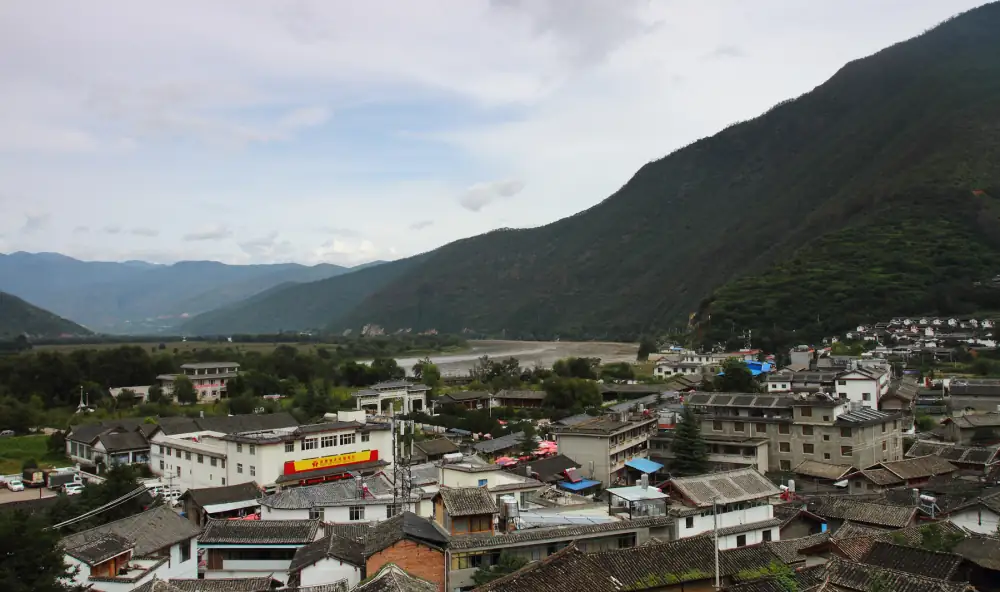
In western Hunan on the Tuojiang River — a genuinely extraordinary preserved river town of the Miao and Tujia minority peoples, with stilted wooden houses built directly over the water on one bank and a continuous stone-paved commercial street on the other.
The image: The most-photographed composition in Hunan — wooden stilt-houses (吊脚楼, diàojiǎo lóu) reflected in the Tuojiang River at night, with red lanterns hanging between the buildings and the ancient city wall rising on the hill behind.
Fenghuang’s stilt-houses at dawn — the wooden buildings extend directly over the river on wooden columns, a tradition dating back to the Ming Dynasty
Layout
The old town occupies both banks of the Tuojiang River bend. The south bank has the historic commercial street, city gate, and most of the museums; the north bank has the most atmospheric stilt-house section.
North Gate City Wall (北城楼): The original Ming Dynasty city gate — one of the best-preserved examples of defensive architecture in western Hunan. The view from the wall to the north — the stilt-house row along the river, the mountains behind — is the definitive Fenghuang image.
Shen Congwen’s Former Residence (沈从文故居): The birthplace of the writer considered China’s greatest 20th-century novelist (though controversially never awarded the Nobel Prize) — the house where he was born and grew up is preserved with period furniture. Shen Congwen’s novel Border Town (边城) is set in the Fenghuang area and remains the most celebrated fictional portrait of Miao river culture.
The historic stepping-stone bridge across the Tuojiang — the most intimate way to cross the river and connect the two banks of the old town
Evening on the Water
The Tuojiang River is calm enough for multiple evening boat options:
Pole boat (乌篷船): Traditional poled boats carrying 4–6 passengers through the river bend, under the stilt-houses, past the city wall and the drum tower. ¥60–80/person. Most atmospheric after 6 PM when the lanterns come on.
Miao Cultural Context
The Miao people (苗族) have inhabited western Hunan for over 4,000 years — pushed into the mountains and river valleys by the expansion of Han settlement. Fenghuang is their most accessible cultural contact point.
Miao handicrafts: Silver jewellery (苗银), batik fabrics (蜡染), and embroidered textiles (苗绣) are available throughout the old town. The quality varies — genuine handmade pieces are significantly more expensive and have visual irregularities that distinguish them from machine-made imitations.
Miao festivals: If your visit coincides with a Miao festival — particularly the Miao New Year (苗年, October/November) — the traditional costume, music, and ceremony are extraordinary.
Practical Tips
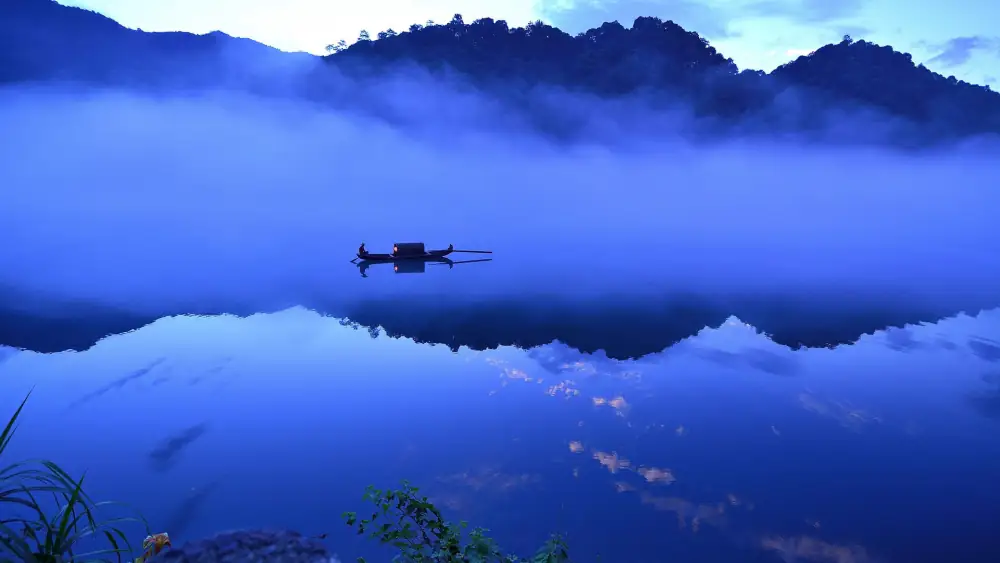
Getting to Changsha: Changsha Huanghua Airport (CSX) — major hub. High-speed rail: Beijing (5 hrs), Shanghai (4 hrs), Guangzhou (2.5 hrs).
Getting to Fenghuang: 3 hours by bus or car from Changsha; or high-speed rail to Jishou (吉首), then 30-min bus. Flying to Zhangjiajie (2 hrs from Fenghuang) makes a triangle: Changsha → Fenghuang → Zhangjiajie → back.
Crowds: Fenghuang is extremely popular domestically. Weekdays are significantly better; national holidays are overwhelming. Arrive in the early morning, stay overnight, and explore the back lanes away from the main river promenade.
Last updated: May 2026