
Fenghuang (凤凰, Phoenix) is one of those places where the popular image is accurate. The wooden stilted houses really do hang over the clear green Tuojiang River. The old stone streets really are lit by red lanterns at night. The South Gate watchtower really does reflect perfectly in the water at dusk. What’s less expected is how alive the town feels — not a museum piece but a working community where Miao people go about their lives while tourists wander through their neighbourhood. This coexistence gives Fenghuang an energy that many more famous ancient towns lack.
Table of contents
Open Table of contents
The Old Town Layout
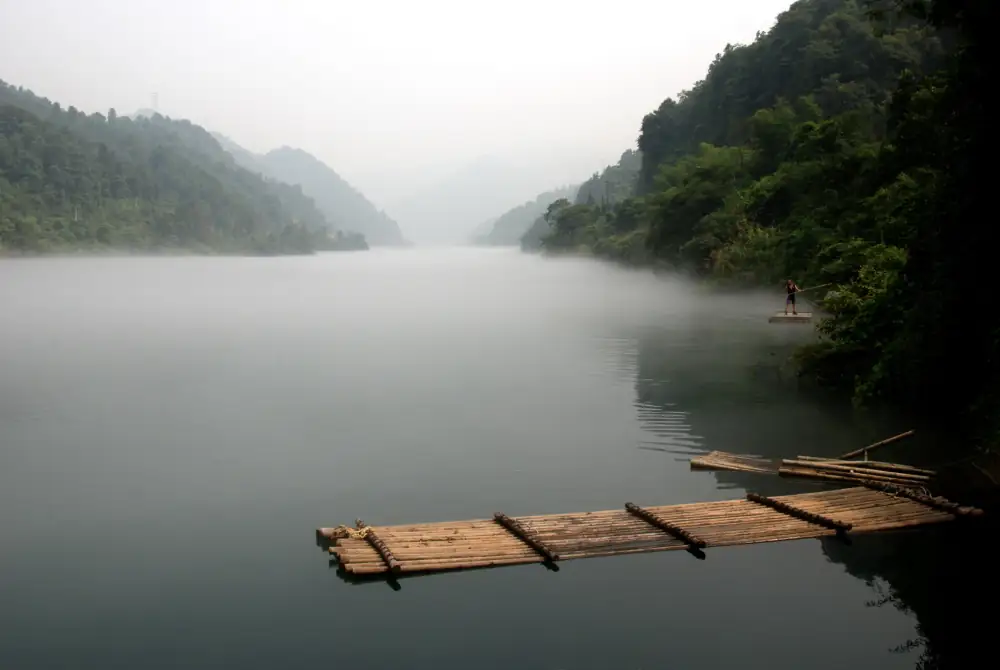
Fenghuang Ancient Town sits along a bend in the Tuojiang River in western Hunan, 250km west of Changsha. The old town occupies the north bank of the river, with the stilted houses (吊脚楼) built on stilts over the water along the riverfront. Behind them, two main commercial streets run roughly parallel to the river — Dongzheng Street (东正街) and Nanhua Street (南华街) — lined with Ming and Qing Dynasty buildings that now house guesthouses, restaurants, silver shops, and craft stores.
The town is small enough to walk entirely in a morning, but the temptation is to slow down. The river bank is particularly rewarding: local women wade in the river washing vegetables, children swim in summer, and old men sit on the stone piers watching the water. The old bridge (红桥, Red Bridge) and the stepping stones across the river are both photographed constantly, but they’re photographed constantly because they look exactly as beautiful as they appear in every photograph you’ve seen.
The ancient town charges an admission fee of ¥148, which covers access to most of the heritage buildings inside. The riverfront area is free. Many visitors simply walk the riverfront without buying the heritage ticket, which is a reasonable approach if you’re visiting briefly — the most photogenic parts of Fenghuang are not behind ticket gates.
Day Photography vs Night Photography
These are two completely different experiences and most photographers would say the night visit is the more memorable.
During the day: The stilted houses are most visible from the stepping stones in the river, where you can wade across (take off your shoes — the water is knee-deep in places) and shoot back toward the town. The wooden buildings are elaborately constructed with carved window frames and painted decorative elements visible in daylight. The Miao women who sell silver jewellery along the riverfront wear traditional dress (partly for tourism, partly from genuine cultural practice) that provides portrait opportunities if you ask permission and buy something.
At night: The town transforms. Red lanterns hang from every eave and the light they cast on the river surface and the stilted houses is extraordinary. The South Gate Tower (南门城楼) and North Gate Tower (北门城楼) are lit from below, their reflections doubling the architecture in the river. The restaurants hang lanterns over the water and the visual effect from the bridge is one of the most celebrated night scenes in Hunan province. This is the image that most people associate with Fenghuang, and it delivers consistently.
Arrive for afternoon exploration, stay for sunset from the stone bridge, then photograph the night scene until 10pm when the lanterns start going out.
Miao Culture & Silver Jewellery
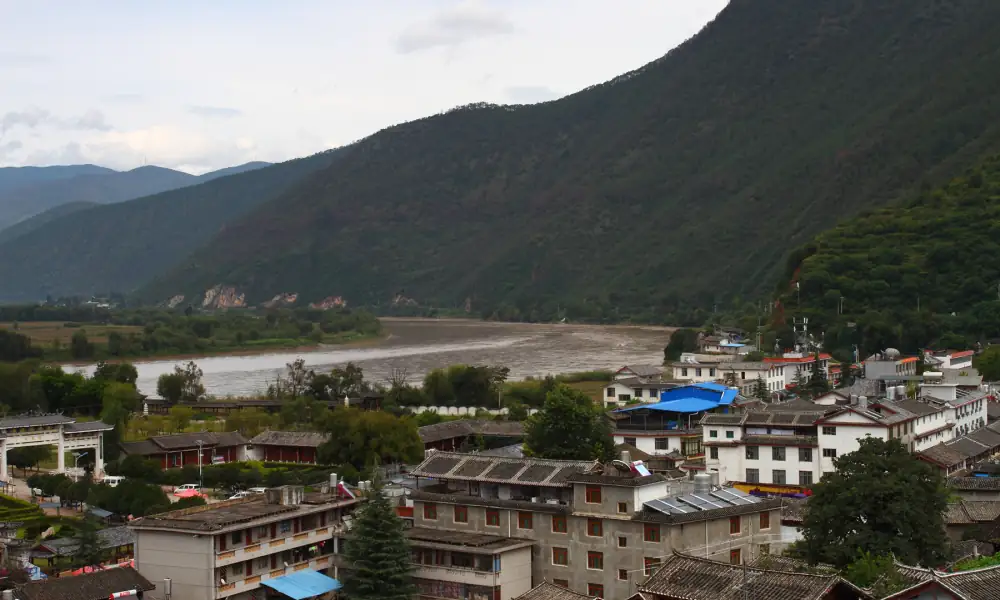
Fenghuang sits in the heartland of Miao minority culture in western Hunan. The Miao are one of China’s 55 recognised ethnic minorities with a distinct language (Hmong-Mien language family), textile traditions, and an extraordinary silversmithing tradition.
Miao silver jewellery is one of the most elaborate metalwork traditions in China. Ceremonial headdresses can weigh several kilograms and contain hundreds of individually crafted silver flowers, birds, and symbols. In Fenghuang, the silver shops that line Dongzheng Street sell everything from large ceremonial pieces (¥500-5,000+) to small everyday items like hairpins and bracelets (¥50-200). Buying directly from a silversmith at their workshop — several operate in the streets behind the main tourist strip — gives you the chance to see the craft and get better prices.
The distinction matters: tourist-oriented shops sell machine-stamped silver-plated jewellery alongside genuine handmade pieces, and the difference in price and quality is substantial. Look for items with slightly irregular, hand-finished surfaces. Genuine hand-hammered Miao silver has a slightly warmer, less uniform surface than machine-made pieces.
The Miao New Year (苗年) festival, if your visit coincides (usually November-December, dates vary by year), brings the surrounding villages into Fenghuang for dancing, singing, and extraordinary ceremonial dress. This is the best time to see authentic Miao cultural performance rather than tourist demonstrations.
Local Food & Rice Wine
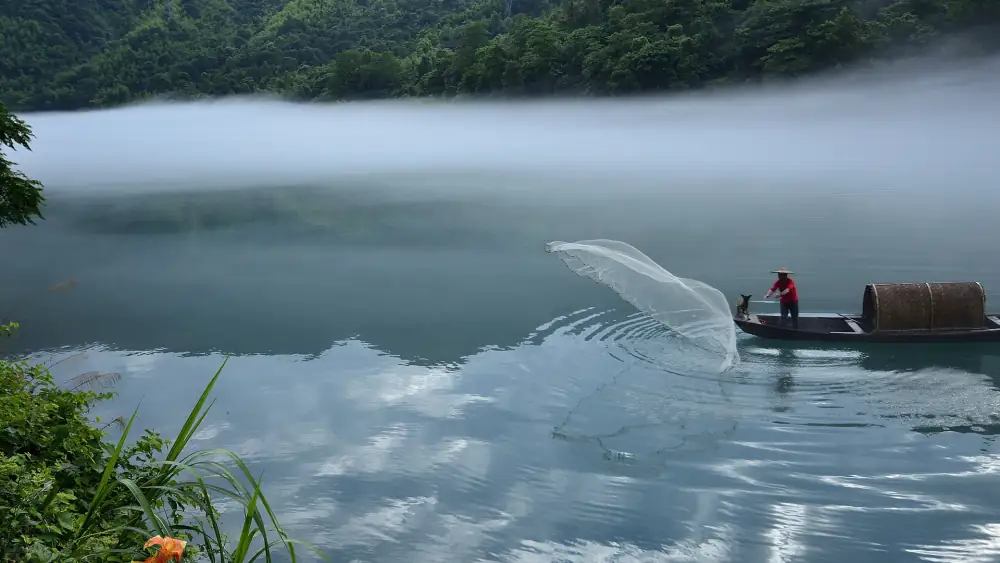
Fenghuang’s food reflects its borderland position between Han Chinese cooking and Miao minority cuisine. The distinctive local ingredients include:
Sour Fish (酸鱼): Fish preserved in rice wine and fermented for months or years. The result is pungent, intensely flavoured, and an acquired taste — but genuinely traditional and worth trying at least once in a proper restaurant.
Blood Duck (血粑鸭): Duck cooked with duck blood that has been coagulated with rice and then cubed. The blood cake absorbs the cooking flavours and has a rich, savoury taste that is more appealing than the description suggests.
Cizha (咂酒): The local rice wine, traditionally drunk through a bamboo straw from a communal clay pot. The wine is low-alcohol but complex in flavour, fermented with local herbs and spices. Several riverside restaurants offer communal drinking sessions (¥30-50 per person includes the pot and the demonstration of the drinking ritual).
A proper riverside dinner in Fenghuang costs ¥60-120 per person.
Getting There
From Changsha: The most comfortable option is the express bus from Changsha’s Jiaotong Travel Bus Station to Fenghuang (4.5-5 hours, ¥100-140). There is no direct high-speed train to Fenghuang — the nearest high-speed rail station is at Jishou (吉首), 60km away (30 minutes by bus or taxi from Jishou to Fenghuang).
From Zhangjiajie: A popular combination is Zhangjiajie followed by Fenghuang. The trip is 3-3.5 hours by bus (¥60-90). This route passes through the Tujia minority heartland and the scenery of western Hunan — itself worth watching from the window.
From Guiyang: 4 hours by bus, making Fenghuang accessible as part of a Guizhou-Hunan circuit.
Where to Stay
The old town has dozens of guesthouses in restored Qing Dynasty buildings and modern buildings designed to match the architectural style. Prices range from ¥150-250 for a basic room in the old town to ¥400-800 for a room with direct river views. River view rooms book out during national holidays — book at least a week ahead.
Staying in the old town rather than outside it matters here: walking out your guesthouse door onto an ancient stone lane and hearing the river below your window is the experience. Staying in the modern commercial area outside the old town walls misses the point entirely.
Two nights in Fenghuang is the right amount — enough for a thorough day of exploration plus the evening photography without overstaying the experience.