
Table of contents
Open Table of contents
Day 1: Cultural Anchors — Hunan Provincial Museum and Yuelu Mountain
Morning: Hunan Provincial Museum (9:00am–1:00pm)
This is not optional. The Hunan Provincial Museum (湖南省博物馆) contains one of the most extraordinary archaeological collections in China — and the anchor exhibit is genuinely unlike anything else in the world.
The Mawangdui Exhibit: In 1972, excavations of a Han Dynasty tomb complex at Mawangdui in the eastern suburbs of Changsha uncovered the body of Xin Zhui, wife of the Marquis of Dai, who died around 168 BCE. What emerged from the tomb was a woman whose body had been preserved in extraordinary condition for over 2,100 years — soft tissue intact, joints flexible, original skin visible. She remains in the museum today, viewable through a glass floor in a temperature-controlled lower chamber.
Alongside the body: an extraordinary collection of silk garments, lacquerware, food offerings (actual food, preserved for two millennia), manuscript texts, and a full-size replica of the nested coffins and burial goods. The scholarship that has emerged from Mawangdui — entire books of previously unknown philosophical and medical texts, insights into Han Dynasty daily life — is immeasurable.
Plan for 2–3 hours. The collection extends beyond Mawangdui to excellent Bronze Age and neolithic material.
Entry: Free but requires advance online booking (湖南省博物馆 WeChat mini-program). Open Tuesday–Sunday 9am–5pm. Very popular on weekends.
Lunch: Near the Museum (1:30pm)
The museum area in Kaifu District has several good restaurants. For an authentic Hunan meal:
- Xiaoxiang Pork Rice Noodles (小湘猪肉米粉): Changsha’s signature noodle dish — thick rice noodles with spicy braised pork. ¥12–18.
- La Fan (辣饭): A basic lunch of white rice with multiple spicy vegetable and meat side dishes. ¥15–25.
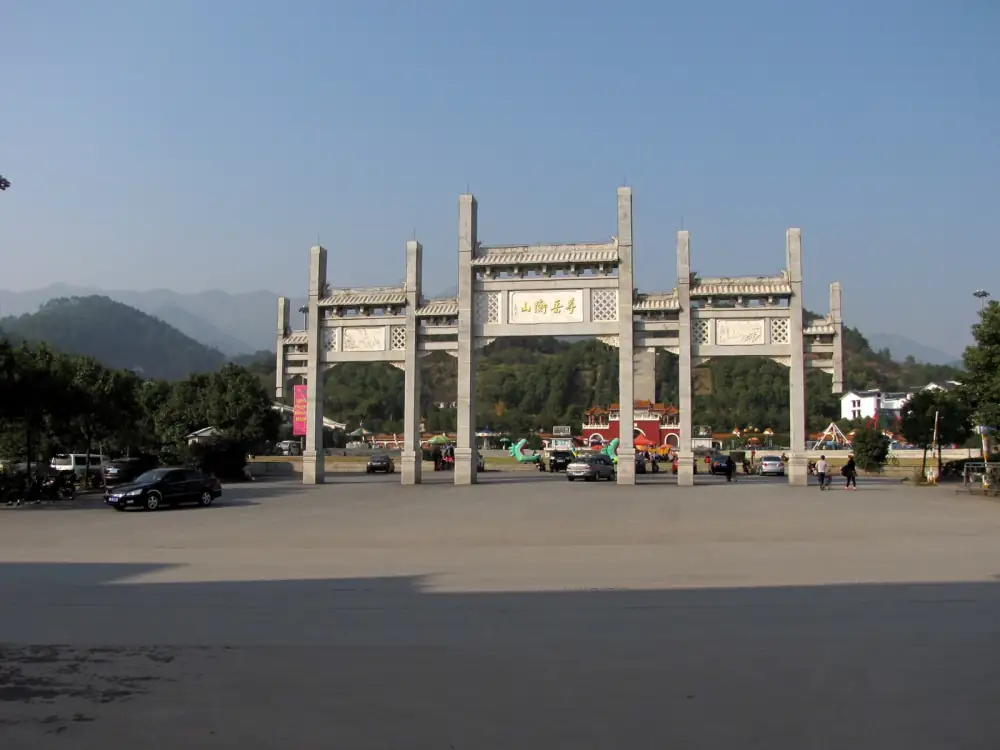
Afternoon: Yuelu Academy and Mountain (岳麓书院/岳麓山) (3:00–6:00pm)
Yuelu Academy (岳麓书院), founded in 976 CE, is one of the Four Great Academies of ancient China and has been in continuous educational use for over 1,000 years (it’s now part of Hunan University). The physical complex is extraordinary — classical academic buildings organized around courtyards, with centuries of calligraphy plaques and scholarly inscriptions throughout. Entry: ¥30.
Behind the academy, Yuelu Mountain (岳麓山) rises to provide a green backdrop to western Changsha. Walking trails lead through the forested slopes past historical graves and pavilions. The mountain has important military history — several famous figures are buried here, including some of the Qing Dynasty’s most significant scholars and generals.
Sunset view: The Aiyuan Pavilion (爱晚亭) on the mountain slope is the most famous spot in Changsha for autumn maple viewing. Mao Zedong wrote about sitting here as a student.
Evening: Introduction to Changsha Night Food (7:00pm)
Changsha’s night food culture is famous throughout China — the city is said to have more restaurants and food stalls per capita than any comparable Chinese city. The Taiping Old Street (太平老街) area is a good introduction.
Tonight’s agenda: Orient yourself with the major food categories:
- Stinky tofu (臭豆腐): Changsha’s signature street food — tofu fermented in a pungent brine, then deep-fried. The smell is alarming; the taste is addictive. ¥5–8 per portion. Recommended: Wen He You (文和友) food stall variants — several chains throughout the city.
- Spicy crayfish (香辣小龙虾): Changsha has become one of China’s crayfish capitals. A pile of crayfish in a spicy-numbing sauce: ¥50–80/kg. Order with cold beer (Hunan craft beers are underrated).
Day 2: Mao’s Changsha and Orange Island
Morning: Hunan First Normal University Museum (8:30–10:30am)
The school where Mao Zedong studied and later taught (1913–1918) has been preserved and converted into an interesting educational museum. The buildings are faithful reproductions of the early 20th century educational environment. For anyone curious about how Mao’s political consciousness developed, the exhibits are illuminating — showing the intellectual ferment of young China dealing with the collapse of dynastic order and the incursion of Western ideas.
Entry: Free. Open 9am–5pm.
Mid-Morning: Tianxin Pavilion (天心阁) and Old City Walls
A section of the Ming Dynasty city wall survives around the Tianxin Pavilion area. The pavilion itself (entry ¥45) is historically significant and gives elevated views of the modern city around the ancient wall.
Lunch: Potsticker Dumplings at a Local Restaurant (12:30pm)
The area near Tianxin gives access to local Changsha lunch spots. Changsha’s potsticker culture (煎饺) is excellent — crispy-bottomed pan-fried dumplings with various fillings. ¥15–25 for 10–12 pieces.
Afternoon: Orange Island (橘子洲头) (2:00–5:30pm)
Orange Island (橘子洲) is a long narrow island in the Xiang River, famous as the setting of Mao’s 1925 poem “Changsha” (later set to music). The poem’s most famous line — “Who controls the fate of this vast land?” — was written while watching students and young workers on the island.
Today the island is a park with an enormous sculptural head of the young Mao (created in 2009) at its far end — a strange combination of youth, revolutionary idealism, and modern tourism. The 32m-tall head sculpture is oddly compelling. Walk the full length of the island (about 4km) to reach it.
The Xiang River views: Looking back toward the Changsha skyline from Orange Island gives good photo compositions.
Evening: Jiefang West Road Night Life District (7:00pm–late)
Jiefang West Road (解放西路) has been transformed into Changsha’s most famous entertainment strip — bar after bar, restaurant after restaurant, and the incredible Wen He You (文和友) super-complex, a multi-story recreation of 1970s Changsha complete with artificial “streets” of old vendors and 10,000+ diners per night.
Wen He You (文和友): The original Changsha location of this remarkable concept — a combination food court, performance venue, and cultural exhibition spread across multiple floors of a building designed to look like an entire old Changsha neighborhood. Queue for entry (especially on weekends) using the WeChat queue system — waits of 1–3 hours are common; book ahead.
Inside: Authentic stinky tofu, crayfish, Changsha-style hotpot (¥50–80/person), and a wild visual experience.
Day 3: Deeper Hunan — Revolutionary History or Day Trip to Shaoshan
Option A: Shaoshan Day Trip (Mao’s Birthplace)
Shaoshan (韶山) is 120km southwest of Changsha and is arguably the most significant site in Chinese revolutionary history — the village where Mao Zedong was born in 1893. Several million Chinese make what amounts to a pilgrimage here annually.
Getting there: Direct HSR from Changsha South Station to Shaoshan Station, 40 minutes, ¥25. From Shaoshan Station, buses or taxis to the main sites.
Key sites: The ancestral home of Mao, the memorial hall, and the large bronze statue in the central square. Entry to the home: ¥25.
This is either deeply interesting (for anyone curious about 20th century Chinese history) or not — there’s no middle ground. If you’re interested in how contemporary China venerates Mao, this is the most direct view possible.
Option B: Hunan University District and Yuelu Cultural Area
A less intense alternative — exploring the university area in more depth, including the Yuelu Mountain hiking trails and the Cai E Cemetery (蔡锷陵园) for those interested in the 1911 Republican Revolution period.
Lunch and Final Afternoon: Doufuru Lane (豆腐里) and Shopping
The Doufuru Lane area near the Yuelu Bridge has several excellent local restaurants and the feel of a neighborhood in the process of gentrification — some traditional family restaurants alongside newer cafes.
Last meal recommendation: Changsha-style whole fish (剁椒鱼头, Chopped Pepper Fish Head): A whole silver carp head steamed with a mountain of chopped red and green chilies. Powerfully spiced, extraordinarily good. ¥50–100 depending on fish size. The signature Hunan dish.
Shopping: Mao-era memorabilia, Hunan embroidery (湘绣), and local spice pastes (剁辣椒, chopped chili paste in jars) to take home.
Practical Information
Getting to Changsha:
- From Beijing South: 5 hours HSR, ¥350–500
- From Shanghai Hongqiao: 4.5 hours HSR, ¥300–450
- From Guangzhou South: 2 hours HSR, ¥190–250
- From Zhangjiajie: 2.5 hours HSR via Yichang — excellent Hunan combination
Getting around: Changsha Metro has 5 lines. Taxi base ¥8.
Weather: Changsha has a continental monsoon climate — hot (35°C+) humid summers, cool springs and autumns, cold winters. Best visit: March–May and September–November.
Spice tolerance: Hunan food is genuinely spicy — different from Sichuan (which has the numbing ma sensation), Hunan’s pure chili heat (la, 辣) is direct and sustained. If you have a low spice tolerance, let restaurants know (不要太辣, “not too spicy”) but expect limited accommodation.
Changsha is the kind of city that makes you reassess your mental map of China. Its combination of world-class archaeology, revolutionary history, and the most vibrant contemporary food culture in the country makes it a destination that deserves much more attention from international travelers than it currently gets.