
The 2026 FIFA World Cup kicks off across 16 cities in the United States, Canada, and Mexico, and while the Chinese men’s national team won’t be on the pitch, China’s presence will be impossible to ignore. From the match ball to the stadium lights, from the fan scarves to the referee’s whistle, Chinese brands, infrastructure, and manufacturing have woven themselves into the fabric of the tournament. For travellers in China, the World Cup offers a unique window into the country’s football culture — a passionate, tech-savvy, and increasingly globalised fan scene that turns every match into a late-night party. This guide covers where to watch, how to join the buzz, and what to expect from China’s football-travel boom.
Table of contents
Open Table of contents
The Chinese Football-Travel Boom
China’s love affair with football runs deep, even if the national team rarely makes the big stage. The 2026 World Cup has sparked a surge in football-related travel, with Chinese fans booking trips to North America in record numbers. According to travel platforms, searches for flights to host cities like Los Angeles, New York, and Mexico City jumped over 300% after the draw. Tour operators are offering package deals that bundle match tickets with guided tours of iconic landmarks — think SoFi Stadium and the Hollywood Walk of Fame, or Estadio Azteca and the pyramids of Teotihuacán.
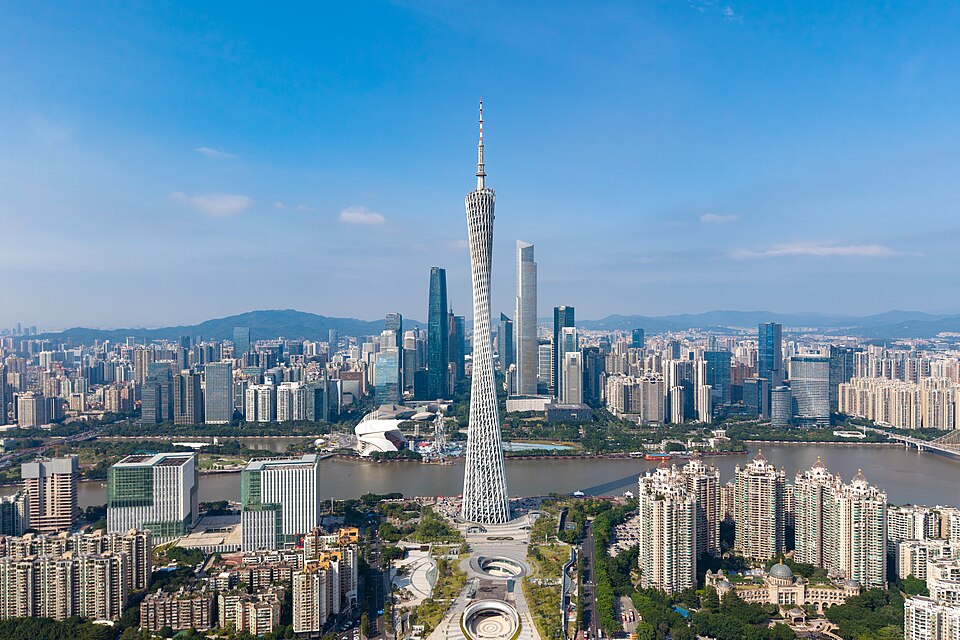
For those staying in China, the buzz is just as electric. Cities across the country — from Beijing to Chengdu — are transforming public squares, sports bars, and even shopping malls into official viewing zones. The Chinese Football Association and the Communist Youth League have jointly launched a “Civilised Spectating” campaign, setting up over 2,000 official viewing points in 105 cities, expected to draw more than 50 million participants. These venues feature giant screens, food stalls, and family-friendly activities, creating a carnival atmosphere that rivals the stadium experience.
Where to Watch in China
Sports Bars and International Hubs
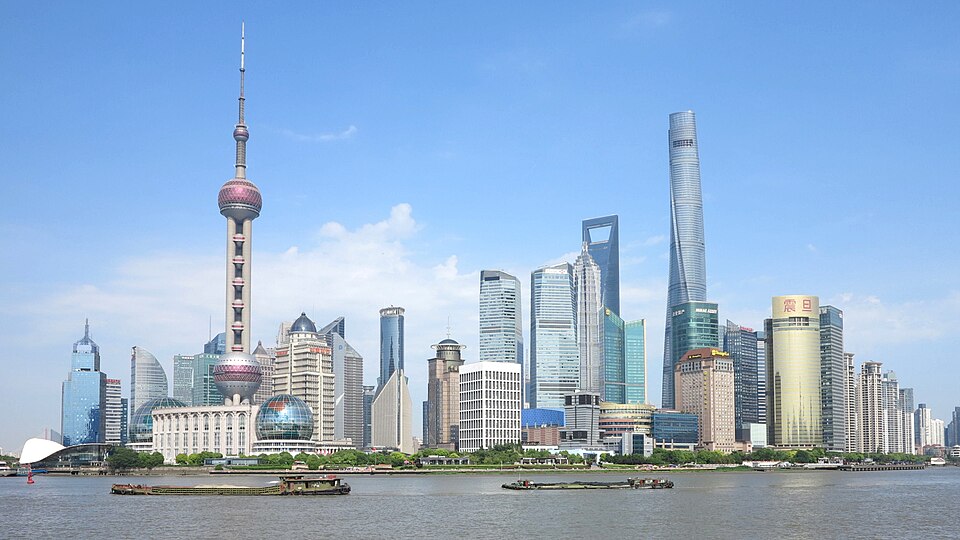
In major cities, sports bars are the go-to for an immersive experience. In Beijing, head to The Den (a legend among expats) or Paddy O’Shea’s for a lively crowd and multiple screens. In Shanghai, Big Bamboo and Cages are famous for their American-style sports bar vibe, serving burgers and cold beers until the early hours. These venues often have dedicated fan zones for specific teams — expect flags, chants, and a mix of locals and expats.
Official Fan Festivals and Public Viewing
China’s cities are setting up official FIFA Fan Festival-style events in public squares. For example, in Guangzhou’s Huacheng Square and Shanghai’s People’s Square, you’ll find massive LED screens (some over 500 square metres), interactive games, and food markets. These events are free and run from the opening match to the final. Check local listings or your hotel concierge for the nearest official viewing venue.
Late-Night Viewing Culture
Because of the time difference — most matches kick off between 6:00 AM and 12:00 PM Beijing time — the real party happens in the morning. But for the big games, bars open as early as 5:00 AM, and fans gather for breakfast-and-football combos. Expect to see groups of friends ordering jianbing (Chinese crepes) and soy milk alongside their beers. This early-morning ritual has become a social phenomenon, with WeChat groups organising meetups and sharing live updates.
The Chinese Presence at the 2026 World Cup
Sponsorship: From Zero to Top Spender
China’s corporate march into the World Cup began in 2010 with solar panel maker Yingli, but the real breakthrough came after FIFA’s 2015 corruption scandal, which scared off many Western sponsors. Chinese companies stepped in, and by 2022, Chinese firms contributed $1.395 billion in sponsorship — more than any other country. For 2026, the lineup includes Hisense, Lenovo, Mengniu, and Wanda, alongside regional sponsors. You’ll see their logos on LED boards, stadium screens, and even on the referee’s kit.
Infrastructure: Stadiums, Buses, and Solar Power
Chinese engineering is all over the 2026 World Cup. The Lusail Stadium in Qatar (2022) was a Chinese-built showpiece, and for 2026, Chinese companies are supplying modular housing, electric buses, and solar panels. BYD and Yutong are providing electric buses for fan transport in several host cities. China Energy Engineering Corporation is building solar farms to power stadiums. Even the temporary seating and fan villages rely on Chinese-made prefab units.
The Referee: A Historic First
For the first time, a Chinese referee team — Ma Ning (head referee), Fu Ming (VAR), and Zhou Fei (assistant) — will officiate at a men’s World Cup. This milestone has been widely celebrated in China, and their matches will be must-watch for local fans.
The Yiwu Factor
Over 70% of World Cup merchandise — flags, scarves, hats, foam fingers, and mascot toys — comes from Yiwu, China’s small-commodity capital. During the tournament, Yiwu’s factories run 24/7, shipping millions of items to North America. The “Yiwu Index” (order volume by country) is even used as a quirky predictor of fan interest, though not necessarily match outcomes.
Best Time to Visit and Match Schedule
Tournament Timeline
- Group Stage: June 11 – June 27, 2026
- Round of 32: June 28 – July 3
- Round of 16: July 4 – July 7
- Quarter-finals: July 9 – July 11
- Semi-finals: July 14 – July 15
- Third-place match: July 18 (Miami)
- Final: July 19 (New York/New Jersey, MetLife Stadium)
Time Zone Considerations for Chinese Viewers
| Host City | Local Time Zone | Beijing Time Difference | Typical Match Kick-off (Local) | Beijing Time |
|---|---|---|---|---|
| Los Angeles | UTC-7 | -15 hours | 12:00 PM | 3:00 AM (next day) |
| Mexico City | UTC-6 | -13 hours | 3:00 PM | 4:00 AM (next day) |
| New York | UTC-4 | -12 hours | 3:00 PM | 3:00 AM (next day) |
| Toronto | UTC-4 | -12 hours | 3:00 PM | 3:00 AM (next day) |
| Vancouver | UTC-7 | -15 hours | 12:00 PM | 3:00 AM (next day) |
Most matches will air in China between 3:00 AM and 10:00 AM Beijing time, with prime-time games (evening in North America) falling in the early morning. Plan your viewing schedule accordingly.
Getting There and Around (for Travellers Going to North America)
Visas
Chinese passport holders need a US B-1/B-2 visa or Canadian visitor visa (e-visa available for some). For Mexico, Chinese citizens with a valid US visa can enter visa-free. The 144-hour transit visa waiver applies in select Chinese cities (e.g., Shanghai, Beijing) for those transiting to a third country, but not for direct travel to North America. Apply well in advance — wait times can be several months.
Flights
Direct flights from major Chinese cities (Beijing, Shanghai, Guangzhou, Shenzhen) to Los Angeles, San Francisco, Vancouver, and New York are available. Airlines like Air China, China Southern, China Eastern, and United offer daily services. Book early — prices double during the tournament.
Getting Around Host Cities
- Los Angeles: Rent a car (traffic is heavy) or use ride-hailing apps (Uber, Lyft). The Metro rail system connects downtown with some stadiums.
- New York/New Jersey: Take NJ Transit or PATH trains to MetLife Stadium. Subway and buses cover the city.
- Mexico City: The Metro is cheap and extensive. Use Uber for safety and convenience.
- Vancouver: The SkyTrain and bus system are excellent; walkable downtown.
Mobile Payment and Money
- Alipay and WeChat Pay are widely accepted in Chinese-owned businesses in North America, but for general use, carry a credit card (Visa/Mastercard) and some cash.
- In China, mobile payment is king — set up Alipay or WeChat Pay before you go. Link a foreign credit card or use a tourist card.
- ATMs are plentiful; notify your bank of travel plans.
Where to Stay
In China (for Viewing)
Stay near the viewing hotspots. In Beijing, choose areas like Sanlitun (bars) or CBD (official fan zones). In Shanghai, Jing’an or French Concession offer easy access to sports bars. Budget options include youth hostels; luxury seekers can book international chain hotels with sports bars.
In North America (for Travellers)
- Los Angeles: Stay in Inglewood (near SoFi Stadium) or Santa Monica (beach + nightlife). Expect high prices — book months ahead.
- New York: Secaucus or Harrison (near MetLife) are cheaper than Manhattan. Use public transport.
- Mexico City: Condesa or Roma are trendy and safe; Zócalo is central but noisy.
- Vancouver: Yaletown or Gastown are walkable and vibrant.
Food and Drink
In China
- Late-night snacks: Order jianbing, chuan’r (skewers), or hot pot delivery to your viewing spot. Many bars serve Western pub food.
- Drinks: Tsingtao beer is the go-to. Imported beers and cocktails are available at sports bars.
In North America
- Los Angeles: Try tacos from street trucks or Korean BBQ in Koreatown.
- Mexico City: Don’t miss tacos al pastor and mole. Wash down with tequila or mezcal.
- New York: Pizza by the slice, bagels, and halal carts are quick and cheap.
- Vancouver: Sushi and dim sum are excellent due to the large Asian population.
Practical Tips
- Language: In China, learn basic Mandarin phrases or use translation apps. In North America, English is sufficient.
- Etiquette: In China, avoid loud arguments about politics or sensitive topics. In fan zones, respect the “Civilised Spectating” rules — no fighting, no gambling, no racist chants.
- Health: Stay hydrated, especially in hot host cities (Mexico City, Dallas, Miami). Wear sunscreen and a hat.
- Connectivity: Get a local SIM card or eSIM for data. In China, a VPN is essential for accessing Google, WhatsApp, and Instagram.
For more on planning your trip, check out our China itineraries and food guides.
Costs
| Item | Approximate Cost (USD) |
|---|---|
| Match ticket (group stage) | $100 – $500 |
| Match ticket (final) | $1,000 – $5,000 |
| Flight (round-trip from China to US) | $800 – $2,000 |
| Hotel (per night, mid-range) | $150 – $400 |
| Meal (per person) | $15 – $50 |
| Beer at a bar | $5 – $10 |
| Official fan zone (free) | $0 |
FAQ
Q: Can I use Alipay or WeChat Pay in North America for World Cup purchases? A: Yes, many Chinese-owned businesses accept Alipay and WeChat Pay, but for general use (tickets, hotels, restaurants), bring a credit card or cash. In China, these apps are essential.
Q: What is the best way to watch matches in China if I don’t speak Chinese? A: International sports bars in Beijing and Shanghai often show English-language broadcasts. Alternatively, use streaming services like CCTV-5 (Chinese commentary) or a VPN to access international streams.
Q: Do I need a visa to travel from China to the US for the World Cup? A: Yes, Chinese passport holders need a B-1/B-2 visa. Apply at least 3 months in advance. For Mexico, a valid US visa allows visa-free entry.
Q: Are there any official fan festivals in China? A: Yes, the “Civilised Spectating” campaign has set up official viewing points in 105 cities, including Beijing, Shanghai, Guangzhou, and Chengdu. These are free and feature giant screens, food, and activities.
Q: What is the time difference for matches in China? A: Most matches kick off between 3:00 AM and 10:00 AM Beijing time. Morning matches (8:00-10:00 AM) are easiest to watch live.
Q: Can I buy World Cup merchandise in China? A: Yes, official merchandise is available at FIFA-licensed stores in major cities and online via Alibaba’s Tmall. Unofficial items are abundant in markets like Yiwu.
Q: Is it safe to travel to host cities in North America? A: Generally yes, but exercise normal precautions. In Mexico City, avoid isolated areas at night. In US cities, be aware of your surroundings, especially in large crowds.