
Table of contents
Open Table of contents
- The Lake That Inspired a Thousand Poems
- Getting to Dongting Lake
- Yueyang Tower — The Iconic Landmark
- Junshan Island — Tea and Legends
- Bird Watching — The Winter Spectacle
- Exploring the Lake by Boat
- Hunan Cuisine — Fire on the Lake
- Accommodation
- Practical Information
- Budget Estimate (3 Days)
- A Personal Note
The Lake That Inspired a Thousand Poems
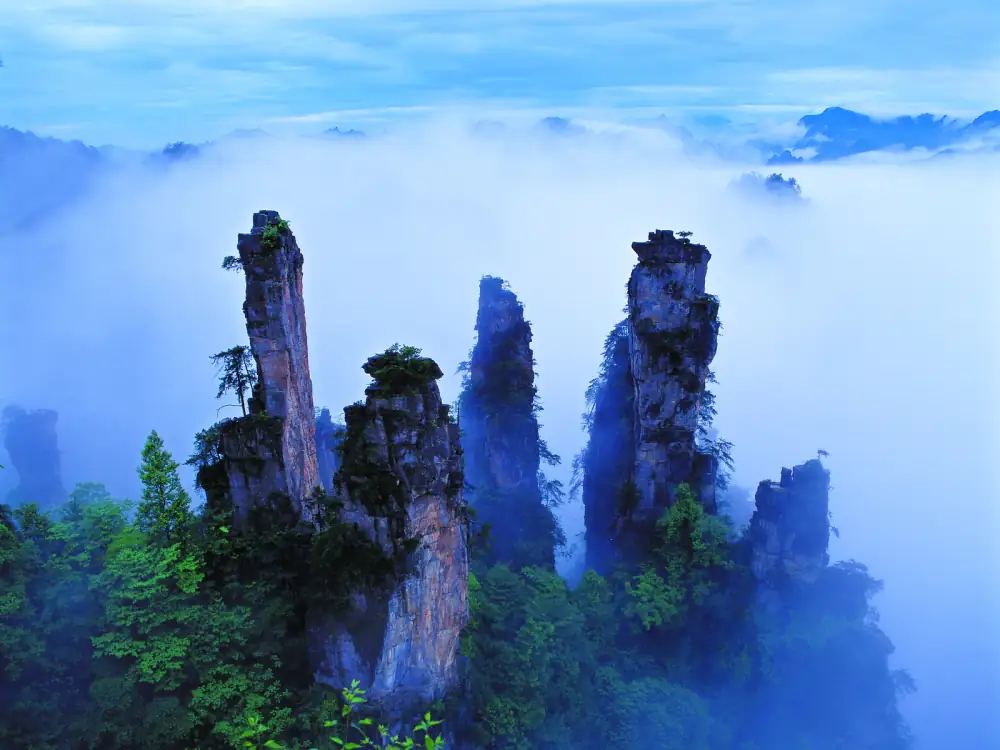
Dongting Lake (洞庭湖) has been whispering to Chinese poets and scholars for well over a thousand years. This vast expanse of water — roughly 2,800 square kilometres at its summer peak — sits at the southern border of Hubei and the northern edge of Hunan, acting as a massive flood basin for the Yangtze River. But to reduce it to hydrological function misses the point entirely. Dongting Lake is a place of myth, literature, and extraordinary natural beauty.
The lake’s most famous literary connection is Yueyang Tower (岳阳楼), standing on its eastern shore. When the Song Dynasty official Fan Zhongyan wrote his celebrated “Memorial to Yueyang Tower” in 1046, he captured something essential about the Chinese relationship with landscape — that nature and human feeling are inseparable. “Worry before the world worries; rejoice after the world rejoices” might be the most quoted line in Chinese literary history, and it was composed while gazing out over these very waters.
I visited Dongting Lake in late December, which meant I caught both the dramatic winter skies and the incredible spectacle of migratory birds. The summer lake is one thing — vast, blue, almost Mediterranean in its expanse — but the winter lake, with its receded shorelines exposing sandbars and mudflats teeming with birds, is something else entirely.
Getting to Dongting Lake
By High-Speed Train
Yueyang is the primary gateway to Dongting Lake, and it’s exceptionally well-connected:
From Changsha: High-speed trains run every 15-20 minutes from Changsha South Station to Yueyang East Station. The journey takes just 30-35 minutes. Tickets cost ¥65-100 ($9-14 USD) for second class, ¥110-160 ($15-22 USD) for first class.
From Wuhan: Equally convenient — 45-60 minutes by high-speed train from Wuhan Station to Yueyang East. Tickets ¥95-150 ($13-21 USD) second class.
From Guangzhou: About 3-3.5 hours on the G-series trains. Tickets ¥260-420 ($36-58 USD).
From Yueyang East Station, take bus No. 22 or a taxi (¥20-30, $2.80-4.20 USD) to reach Yueyang Tower and the lakefront area.
By Air
Yueyang Sanhe Airport (YYA) operates flights from Beijing, Shanghai, Guangzhou, and several other cities. However, flight options are limited, and most visitors find it more convenient to fly into Changsha Huanghua Airport or Wuhan Tianhe Airport and take the high-speed train.
Yueyang Tower — The Iconic Landmark
History and Significance
Yueyang Tower (岳阳楼) is one of the “Three Great Towers of Jiangnan,” alongside the Yellow Crane Tower in Wuhan and Tengwang Pavilion in Nanchang. The current structure dates from the Qing Dynasty (reconstructed in 1867), though towers have stood on this site since the Three Kingdoms period (220-280 AD) when it served as a military inspection platform for the Wu Kingdom’s naval forces.
The three-storey wooden tower stands 19 metres tall and is remarkable for its construction — no iron nails were used, with the entire structure held together by interlocking wooden joints. The roof, covered in yellow glazed tiles, resembles a general’s helmet, which is why it’s sometimes called the “Helmet Pavilion.”
What You’ll See Inside
The interior is relatively compact but richly detailed. The central feature on the second floor is a carved wooden screen bearing Fan Zhongyan’s complete “Memorial to Yueyang Tower” in the calligraphy of Qing Dynasty scholar Zhang Zhao. Take a moment to read (or at least admire) the script — even if you can’t read classical Chinese, the rhythm and flow of the characters is beautiful.
The top floor offers the panoramic view that inspired centuries of poetry. On a clear day, you can see across the lake to Junshan Island, and the sweep of the shoreline stretching in both directions is genuinely moving.
Entrance fee: ¥70 ($9.70 USD). Open 7:00 AM — 6:30 PM (summer), 7:30 AM — 6:00 PM (winter).
Practical Tips for Yueyang Tower
- Arrive early — before 9:00 AM — if you want to enjoy the tower without crowds
- The sunset view from the tower is particularly fine, but you’ll need to arrive by 4:30 PM in winter
- Photography is allowed inside, but no flash
- The surrounding Yueyang Tower Park is free to wander and offers excellent lake views from ground level
Junshan Island — Tea and Legends
A 20-minute boat ride from the Yueyang lakefront brings you to Junshan Island (君山岛), a 960-hectare island that’s equal parts tea plantation and folklore site.
The Tea Connection
Junshan Yinzhen (君山银针, “Silver Needle of Junshan”) is one of China’s most prestigious yellow teas. It was a tribute tea to emperors from the Tang Dynasty onward, and Mao Zedong reportedly favoured it. The tea is made from tender buds harvested over just a 10-day window each spring, and the production process is painstaking — even a slight error in the roasting ruins the batch.
You can visit the tea plantations on the island and participate in a tasting session at the Junshan Tea Museum. A standard tasting of three grades costs ¥50-80 ($7-11 USD), and you can purchase tea directly from the source. Expect to pay ¥200-800 ($28-110 USD) for 50 grams of the premium grade.
Island Legends
Junshan Island is wrapped in mythology. The most famous legend involves Xiang Fei, the consort of the legendary Emperor Shun, who drowned herself in the Xiang River upon hearing of his death. Her tears supposedly created the spotted bamboo (湘妃竹) that grows on the island — the dark spots on the bamboo stems are said to be her tear stains. The Xiang Fei Tomb and Temple on the island are significant cultural sites.
Boat tickets: ¥60 ($8.30 USD) round trip, including island entrance fee. Boats depart every 30 minutes from 8:30 AM to 4:00 PM.
Bird Watching — The Winter Spectacle
Why Dongting Lake Is a Bird Paradise
Dongting Lake is part of the East Asian-Australasian Flyway, one of the world’s major migratory bird routes. As the lake waters recede in autumn and winter, vast mudflats and shallow wetlands are exposed, creating ideal feeding grounds for waterbirds. The lake and its surrounding wetlands support over 300 bird species, and winter counts regularly record 150,000-200,000 individual birds.
Key Species
- Siberian Crane: The star attraction. With a global population of fewer than 4,000, spotting one of these elegant white birds is a genuine thrill
- Oriental White Stork: Another endangered species that winters here in small numbers
- Lesser White-fronted Goose: Dongting Lake hosts one of the largest wintering populations in China
- Black Stork, Spoonbill, and Great Egret are commonly spotted
- Tundra Swan flocks of several hundred are not unusual
Best Bird-Watching Spots
East Dongting Lake National Nature Reserve (东洞庭湖国家级自然保护区): This is the primary bird-watching area. The reserve’s visitor centre near Caisang Lake provides spotting scopes and basic information. Entrance fee ¥30 ($4.20 USD). The best viewing is from the observation platforms and the 2 km boardwalk trail through the wetlands.
Caisang Lake (采桑湖): A shallow sub-lake that’s particularly good for geese and swans. Local fishermen can take you out in small boats for closer viewing — negotiate a price of around ¥100-150 ($14-21 USD) for a 2-hour trip.
When to Go Bird Watching
Peak bird-watching season runs from November through February. The best time of day is dawn to mid-morning, when birds are most active feeding. Bring binoculars (8x42 or 10x50 are ideal) and dress warmly — winter temperatures at the lake range from 2-10°C, and the wind off the water can be biting.
Annual Bird-Watching Festival: Yueyang hosts a bird-watching festival each December, with guided tours, photography competitions, and educational talks. It’s an excellent time for first-time visitors, as local experts are on hand to help with identification.
Exploring the Lake by Boat
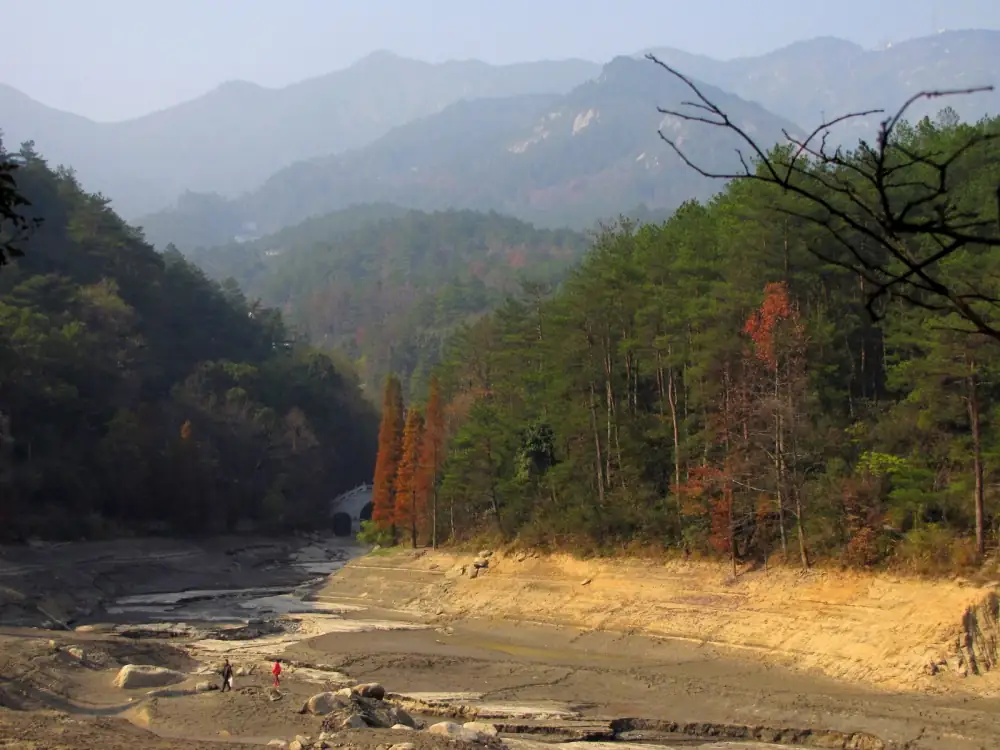
Scenic Boat Tours
Several operators run lake cruises from the Yueyang waterfront:
Standard lake tour (1.5 hours): ¥80-120 ($11-17 USD) per person. Covers the near-shore area, passes by fishing villages, and offers views of Yueyang Tower from the water.
Junshan Island day trip: ¥150-200 ($21-28 USD) including island visit and lunch.
Sunset cruise: ¥100-150 ($14-21 USD). Highly recommended — the light on the water as the sun sets behind the distant shoreline is unforgettable.
Fishing Village Experience
The communities living along the lake’s edge have been fishing these waters for generations, though overfishing and environmental regulations have significantly changed their way of life. Since the Yangtze River fishing ban was implemented in 2020, many fishermen have transitioned to running boat tours or fish restaurants. Visiting these villages offers a glimpse into a rapidly changing way of life.
The village of Lujiao (鹿角), about 15 km south of Yueyang, retains some of its traditional character and is accessible by taxi (¥30-40, $4.20-5.50 USD). Several families here serve home-cooked fish meals for ¥40-60 ($5.50-8.30 USD) per person.
Hunan Cuisine — Fire on the Lake
Yueyang sits firmly in Hunan, which means the food is fiery, sour, and absolutely addictive. Unlike Sichuan cuisine’s numbing heat, Hunan heat is direct and sharp, often from fresh chillies rather than dried ones.
Must-Try Dishes
Dongting Lake Silver Fish (洞庭银鱼): Tiny, translucent fish that are fried with eggs into a delicate omelette. A Yueyang speciality. ¥38-58 ($5.30-8 USD) per plate.
Spicy Fish Head (剁椒鱼头): A massive fish head smothered in chopped red chillies — the quintessential Hunan dish. ¥58-88 ($8-12 USD).
Yueyang Roasted Duck (岳阳烤鸭): Less famous than its Beijing cousin but arguably more flavourful, with a spicy-sweet glaze. ¥48-78 ($6.70-11 USD) per half duck.
Smoky Bamboo Shoots (烟笋): Bamboo shoots smoked over pinewood, stir-fried with pork. The smoky depth is extraordinary. ¥28-38 ($3.90-5.30 USD).
Recommended Restaurants
Dongting Fish Restaurant (洞庭鱼馆): On Binhu Road near the lakefront. Reliable lake fish dishes, reasonable prices. Meals ¥40-80 ($5.50-11 USD) per person.
Yueyanglou Old Street Food Area: A cluster of small restaurants and street vendors near the tower. Perfect for sampling multiple dishes. Budget ¥20-40 ($2.80-5.50 USD) per person.
Accommodation
Near Yueyang Tower
Yueyang Grand Hotel (岳阳大酒店): The most comfortable option within walking distance of the tower and lakefront. Doubles from ¥280-480 ($39-66 USD). Lake-view rooms cost a premium.
Binhu Road Guesthouses: Several small guesthouses along the lakefront road offer basic but adequate rooms from ¥120-200 ($17-28 USD) per night. The advantage is being able to walk to the tower and boat docks.
Budget Option
Yueyang Youth Hostel: Clean dorm beds from ¥50-80 ($7-11 USD) per night. Located about 2 km from the tower, accessible by bus.
Practical Information
Best Time to Visit
- November — February: Best for bird watching and dramatic winter landscapes
- April — June: Spring flowers along the lakeshore, pleasant temperatures
- July — September: The lake is at its fullest and most expansive; hot and humid (30-38°C)
- Avoid: Chinese National Day holiday (October 1-7) when Yueyang Tower is overrun
Getting Around
Yueyang is a compact city. The lakefront area, Yueyang Tower, and boat docks are all within walking distance of each other. For trips to the nature reserve or surrounding villages, taxis are inexpensive — most rides within the city cost ¥10-25 ($1.40-3.50 USD). DiDi is available and often cheaper than flagged taxis.
What to Pack
- Binoculars for bird watching (essential in winter)
- Warm layers and windproof jacket for winter lake visits
- Sun protection in summer — the lakefront has limited shade
- Comfortable walking shoes for the tower and island paths
Budget Estimate (3 Days)
| Item | Budget (¥) | Mid-Range (¥) |
|---|---|---|
| High-speed train from Changsha (round trip) | 200 | 320 |
| Accommodation (2 nights) | 160 | 600 |
| Meals | 240 | 500 |
| Yueyang Tower entrance | 70 | 70 |
| Junshan Island boat + entrance | 60 | 60 |
| Bird-watching boat trip | 100 | 150 |
| Local transport | 50 | 100 |
| Total | ¥880 ($122 USD) | ¥1,800 ($249 USD) |
A Personal Note
What stays with me most from Dongting Lake isn’t any single sight — it’s the feeling of standing on the Yueyang Tower at dusk, watching the last fishing boats return to shore as flocks of geese passed overhead in V-formation. Fan Zhongyan wrote about the lake stirring both joy and melancholy, and more than 900 years later, I can confirm that it still does exactly that. The lake is a place that makes you feel simultaneously small and deeply connected to something larger. Come for the birds, come for the tower, come for the spicy fish head — but stay for the quiet moments when the water and sky merge into one.