
Table of contents
Open Table of contents
Xiangyang — Where History Meets Story
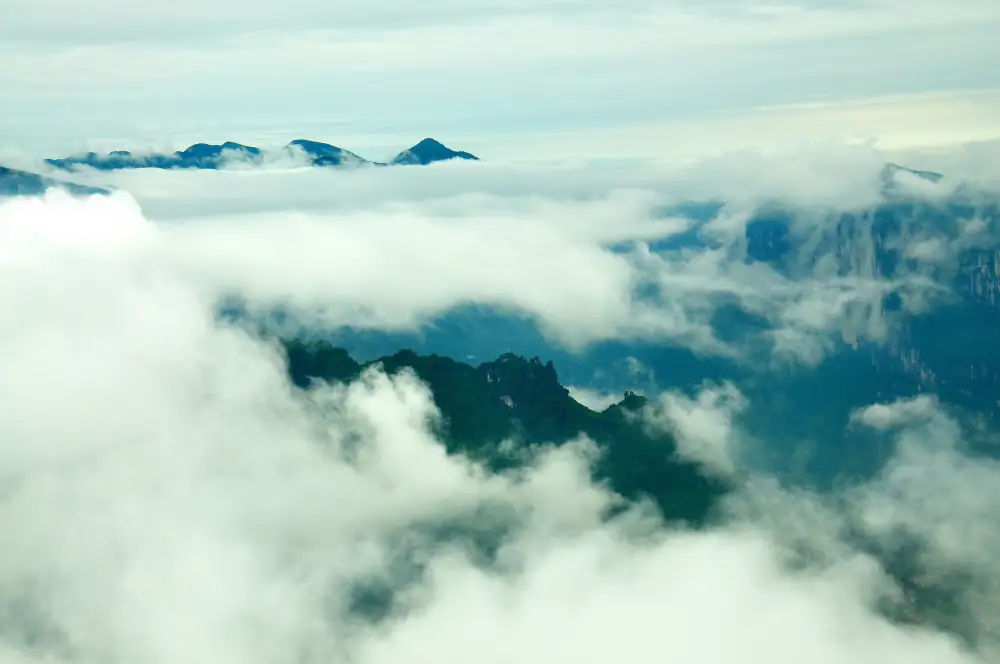
Every Chinese person knows Xiangyang (襄阳), even if they’ve never been there. That’s because this city on the Han River features prominently in the Romance of the Three Kingdoms and in the works of Jin Yong (Louis Cha), the most widely read martial arts novelist in Chinese history. The siege of Xiangyang, the defence of the city against invading Mongol armies — these are stories that every Chinese schoolchild learns, and they’ve given Xiangyang a mythological significance that few other Chinese cities can claim.
The real Xiangyang lives up to the legend — mostly. The ancient city wall is genuinely impressive, the Han River setting is beautiful, and the Three Kingdoms historical sites are well-preserved and thoughtfully presented. What the novels don’t prepare you for is the relaxed, pleasant reality of modern Xiangyang — a city that seems comfortable with its fame without being consumed by it.
I arrived expecting a tourist trap trading on literary associations. I left impressed by a city that has both genuine history and genuine charm — a combination that’s rarer than it should be in China.
The Ancient City Wall (襄阳古城墙)
A Fortress That Earned Its Reputation
Xiangyang’s city wall is one of the best-preserved ancient fortifications in central China. The current structure dates primarily from the Ming Dynasty (1368-1644), though fortifications have existed on this site since the Han Dynasty. The wall stretches about 7 km around the old city, with the Han River forming a natural moat on three sides.
The wall’s defensive strength was legendary. In the 13th century, the Southern Song Dynasty held Xiangyang against the Mongol armies for nearly six years (1267-1273) — one of the longest sieges in military history. The Mongols finally breached the walls only after deploying counterweight trebuchets, a technology they’d acquired from their conquests in Central Asia. The fall of Xiangyang effectively ended Song resistance and led to the Mongol conquest of all China.
Walking the wall: A paved path runs along the top of the wall for much of its length, offering views over the old city on one side and the Han River on the other. The best-preserved sections are near the North Gate (临汉门) and the Corner Tower (角楼). Allow 1.5-2 hours for the full circuit.
Entrance fee: Free to walk on the wall. The Corner Tower museum ¥10 ($1.40 USD).
The Moat and Bridges
The city moat, fed by the Han River, is wide and deep — a genuine defensive barrier rather than a decorative feature. Several stone bridges cross the moat, including the historic Floating Bridge (浮桥) that was repeatedly destroyed and rebuilt during the Mongol siege. The current bridge is a modern reconstruction, but it gives a sense of the original.
Longzhong — Zhuge Liang’s Retreat (古隆中)
The Genius Who Chose to Hide
About 15 km west of Xiangyang, the scenic area of Longzhong (古隆中, “Ancient Longzhong”) preserves the site where Zhuge Liang (诸葛亮) — the most brilliant strategist in Chinese history — lived as a recluse before being recruited by Liu Bei in the famous “Three Visits to the Thatched Cottage” (三顾茅庐) episode from the Romance of the Three Kingdoms.
Whether Zhuge Liang actually lived here is a matter of historical debate, but the site has been a place of pilgrimage for scholars and strategists for over 1,000 years. The current buildings are Qing Dynasty reconstructions, but the setting — a peaceful valley surrounded by forested hills — makes it easy to imagine a brilliant young man choosing to live here rather than serve a corrupt regime.
What to see:
- The Thatched Cottage (草庐): A reconstructed thatch-roofed building representing Zhuge Liang’s dwelling
- The Three Visits Pavilion (三顾堂): Commemorating Liu Bei’s three visits to recruit Zhuge Liang
- Wuhou Temple (武侯祠): A temple dedicated to Zhuge Liang, with exhibits on his life and achievements
- The Longzhong Inscription (隆中对): A stone carving of the famous strategic plan that Zhuge Liang presented to Liu Bei, outlining how to divide China into three kingdoms
Entrance fee: ¥80 ($11 USD). Open 8:00 AM — 5:30 PM. Allow 2-3 hours.
Getting there: Bus No. 512 from Xiangyang city centre (40 minutes, ¥2/$0.30 USD). Taxi ¥30-40 ($4.20-5.50 USD).
The Han River Waterfront
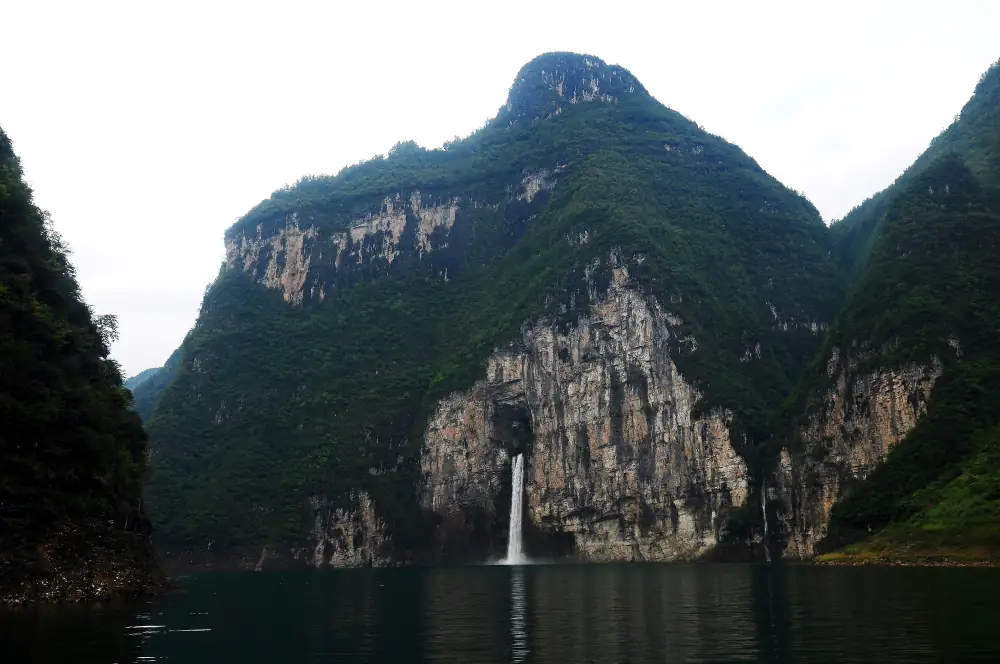
The Lifeline of the City
The Han River (汉江), the largest tributary of the Yangtze, flows past Xiangyang’s city walls and defines the city’s geography. The riverfront has been developed into an attractive promenade with parks, restaurants, and night markets.
Boat cruises: ¥50-80 ($7-11 USD) for a 1-hour scenic cruise. Particularly pleasant at sunset when the city walls are illuminated.
Han River Bridge: A modern cable-stayed bridge that provides excellent views of the river and old city. Walking across takes about 20 minutes.
Night markets: The area along the river on the north bank comes alive after dark with food stalls, street performers, and families out for an evening stroll. The atmosphere is lively without being overwhelming.
Xiangyang’s Literary Connection
The City in Fiction
Xiangyang’s cultural significance extends far beyond its Three Kingdoms history. In the novels of Jin Yong — particularly The Return of the Condor Heroes (神雕侠侣) — Xiangyang is the city that the heroes defend against the Mongol invasion, and its fall represents the end of an era. These novels have been adapted into countless TV series, films, and games, making Xiangyang one of the most recognisable fictional cities in Chinese culture.
The city has embraced this connection with a statue of Guo Jing and Huang Rong (the novel’s protagonists) near the city wall, and various Condor Heroes-themed attractions. It’s a curious blend of real history and fictional mythology that seems to work — visitors come for both the actual Three Kingdoms sites and the Jin Yong associations.
Xiangyang Cuisine
Hubei Flavours
Xiangyang Beef Noodles (襄阳牛肉面): The city’s signature dish — a bowl of chewy noodles in a rich, spicy beef broth with tender beef slices and chilli oil. It’s breakfast, lunch, and comfort food all in one. ¥12-18 ($1.70-2.50 USD).
Yellow Beef (黄牛肉): Local beef from cattle raised in the Xiangyang area, known for its flavour. ¥38-58 ($5.30-8 USD) per plate.
Han River Fish (汉江鱼): Fresh fish from the Han River, prepared in various styles — steamed, braised, or in sour soup. ¥38-68 ($5.30-9.40 USD).
Xiangyang Yellow Wine (襄阳黄酒): A local rice wine, slightly sweet and low in alcohol. Traditionally paired with beef noodles for breakfast. ¥5-10 ($0.70-1.40 USD) per bowl.
Doushi (豆豉): Fermented black beans, a Hubei condiment used in many local dishes. ¥5-10 ($0.70-1.40 USD) per pack.
Recommended Restaurants
Xiangyang Beef Noodle Street: A block near the city wall with a dozen beef noodle shops. Try Lao Fan Beef Noodles (老樊牛肉面) — ¥15 ($2.10 USD) for a large bowl.
Han River Fish Restaurants: Along the riverfront, several restaurants specialise in fresh river fish. Meals ¥40-70 ($5.50-9.70 USD) per person.
Longzhong Vegetarian Restaurant: Near the Longzhong scenic area, serving Buddhist-inspired vegetarian food. Meals ¥25-40 ($3.50-5.50 USD) per person.
Practical Information

Getting to Xiangyang
By High-Speed Train: Xiangyang East Station on the Wuhan-Xi’an and Wuhan-Chongqing lines. From Wuhan: 2 hours, ¥120-180 ($17-25 USD). From Xi’an: 3 hours. From Chongqing: 4 hours.
By Air: Xiangyang Liuji Airport (XFN) has flights from Beijing, Shanghai, Guangzhou, Shenzhen, and several other cities.
By Bus: From Wuhan (4 hours, ¥100/$14 USD).
Accommodation
Xiangyang Ancient City Hotel: Inside the old city walls, walking distance to all major sites. Doubles from ¥200-350 ($28-48 USD).
Han River International Hotel: Modern hotel on the riverfront with good views. Doubles from ¥250-450 ($35-62 USD).
Budget options: Several guesthouses in the old city from ¥80-150 ($11-21 USD).
Best Time to Visit
- Spring (March — May): Pleasant temperatures, Longzhong is particularly beautiful with spring greenery.
- Autumn (September — November): The best weather — comfortable and clear.
- Summer (June — August): Hot and humid; the Han River provides some relief.
- Winter (December — February): Cold but quiet; the city wall in snow is atmospheric.
Budget Estimate (2 Days)
| Item | Budget (¥) | Mid-Range (¥) |
|---|---|---|
| High-speed train from Wuhan (round trip) | 240 | 360 |
| Accommodation (1 night) | 120 | 300 |
| Meals | 120 | 280 |
| Longzhong entrance | 80 | 80 |
| River cruise | 50 | 80 |
| Local transport | 30 | 60 |
| Total | ¥640 ($89 USD) | ¥1,160 ($161 USD) |
Where History Becomes Story
Xiangyang taught me something about how the Chinese relate to their past. In Western culture, we tend to separate history from mythology — one is factual, the other fictional. In China, the two exist on a spectrum. Zhuge Liang was a real person, but the Three Kingdoms novel made him a god. Guo Jing never existed, but defending Xiangyang is treated with the same reverence as an actual historical event. The city itself doesn’t seem to mind the confusion — it honours both the real and the fictional with equal sincerity. And standing on those ancient walls, looking out over the Han River, you understand why. Some places are too important to be left to history alone.