
Guangji Bridge Chaozhou — the 12th century floating bridge with 18 wooden boat sections that can be removed for river traffic, one of China’s most unusual ancient bridges
The Chaoshan region (潮汕地区) — covering Chaozhou (潮州), Shantou (汕头), and Jieyang (揭阳) in eastern Guangdong — is one of China’s most distinct cultural zones. The Chaoshan people have their own language (Teochew, mutually unintelligible with Cantonese or Mandarin), their own cuisine (considered by many food writers as the most refined in China), and their own form of tea ceremony that takes tea preparation to its most elaborate expression anywhere in the world.
Table of contents
Open Table of contents
Gongfu Tea Ceremony (工夫茶)
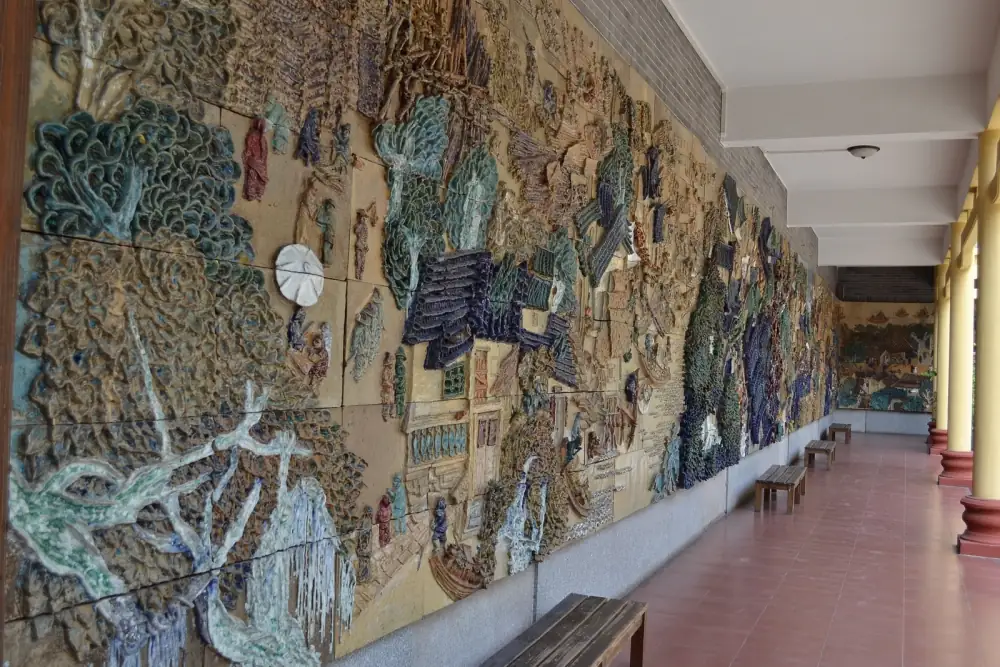
The central cultural institution of Chaoshan life. Gongfu here does not refer to martial arts but to skillful attention — the dedicated practice of preparing tea correctly.
The setup: A tiny clay teapot (typically holding 100–150 ml), three small teacups of roughly egg-cup size, a tea tray with drainage, and a specific sequence of warming, rinsing, and brewing. The tea used is usually Da Hong Pao (大红袍) or Phoenix Dancong (凤凰单丛) oolong from the Wudong Mountain area above Chaozhou.
The practice: Watch any Chaoshan family or teahouse — tea preparation happens multiple times daily, with a care and deliberateness that makes the Japanese tea ceremony look rushed. The emphasis is on multiple short infusions rather than a single long brew, extracting different characteristics from the leaf with each pour.
Where to experience it: Every teahouse in Chaozhou and Shantou — many will welcome you to sit and observe or participate. The Xihu Park (西湖公园) area has traditional teahouses. Or simply walk into any Chaoshan home — the invitation to tea is social currency.
Chaoshan gongfu tea ceremony — the most elaborate tea preparation tradition in the world, practised multiple times daily in every Chaoshan household
Chaozhou Ancient City (潮州古城)
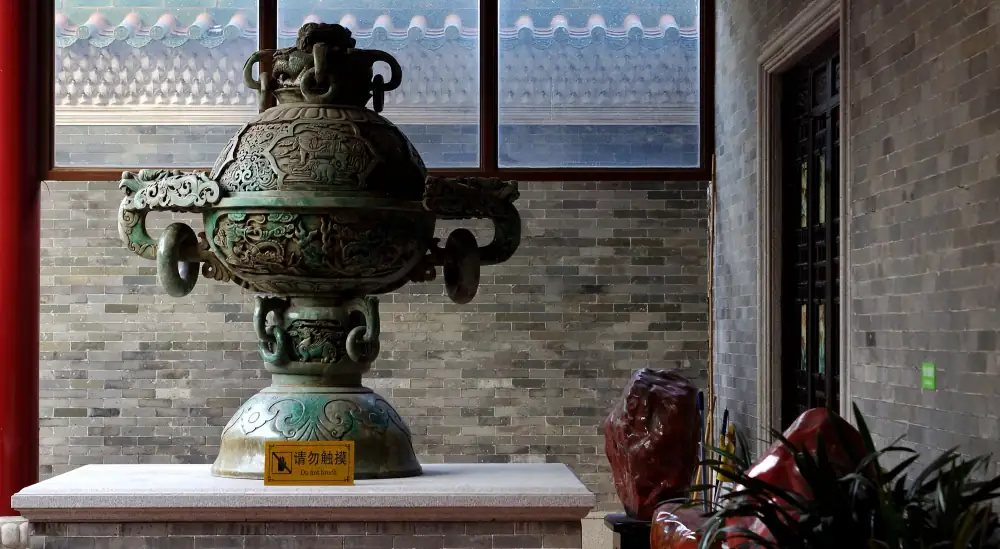
The best-preserved Ming Dynasty walled city in Guangdong — 4 km of city walls survive, with the east gate tower and sections of the wall walk accessible.
Paifang Street (牌坊街): The main ceremonial avenue — a street lined with 23 historic paifang (牌坊, commemorative archways) from the Ming and Qing periods, each marking an exceptional local official, scholar, or virtuous widow. A unique streetscape found nowhere else in Guangdong.
Kaiyuan Temple (开元寺): Founded in 738 AD — the most significant Buddhist temple in eastern Guangdong. The Tang Dynasty wooden columns in the main hall are among the oldest surviving wooden architectural elements in the province. The annual pilgrimages here draw Chaoshan diaspora from across Southeast Asia.
Guangji Bridge (广济桥): The famous “floating bridge” — 18 fixed stone piers connected by a central section of 18 floating boats that can be removed to allow river traffic. Built in the 12th century; the mechanism still operates. The view of the Han River (韩江) from the bridge combines the old city wall, temple rooftops, and the river valley.
Chaozhou Paifang Street — 23 consecutive memorial archways from the Ming and Qing periods, a unique streetscape found nowhere else in China
Chaoshan Cuisine (潮汕菜)
Many food critics rank Chaoshan cuisine among the top three in China. The cooking is defined by ultra-fresh ingredients, minimal intervention, and extraordinary technique.
Seafood satay (潮汕打冷): Cold table dishes — raw oysters (生蚝), blood cockles (血蛤), razor clams, sea mantis shrimp, and pickled vegetables arranged as cold starters. The raw seafood quality requires absolute freshness; the Chaoshan coast supplies this.
Beef hot pot (潮汕牛肉火锅): The most distinctive version of beef hot pot in China — locally sourced beef cut fresh at slaughter and served the same day, with very thin slices of specific cuts (牛肉丸、牛筋丸、肥牛) in light beef broth. The texture of fresh-slaughtered beef, correctly cut, is entirely different from aged or frozen alternatives.
Hand-made fish balls (手打鱼丸): Made by pounding fresh fish flesh (typically Spanish mackerel) until it develops a springy, elastic texture — then formed into balls. The quality difference between hand-pounded and machine-made is substantial.
Shantou (汕头)
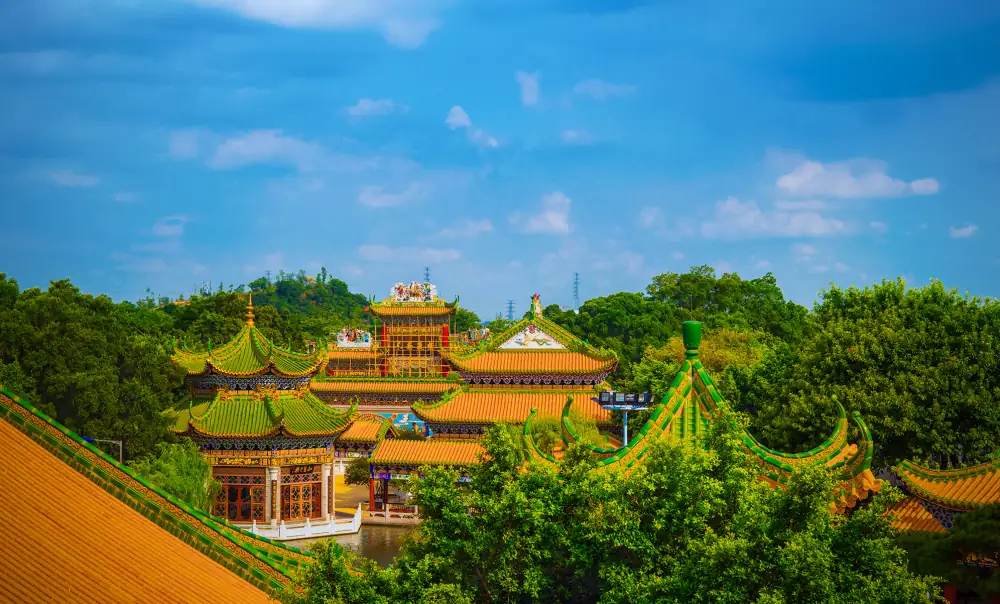
The treaty port city — opened in 1860, with a preserved historical district (小公园历史街区) of early 20th-century Southeast Asian–influenced Chinese commercial architecture: arcaded shophouses, multi-story commercial buildings, a distinctive urban fabric.
The overseas Chinese connection: Shantou is one of the primary sources of the Southeast Asian Chinese diaspora — the ancestors of a large proportion of ethnic Chinese in Thailand, Malaysia, Singapore, Cambodia, and Vietnam came from the Chaoshan region. Many have maintained ancestral hall connections and return for annual visits, giving Shantou an unusual transnational quality.
Chaoshan beef hot pot — same-day slaughtered beef, specific cuts prepared seconds before serving, the most celebrated hot pot tradition in China
Practical Tips
Getting there: Jieyang Chaoshan Airport (SWA) serves the entire Chaoshan region — flights from most major Chinese cities; also direct flights from Southeast Asian cities (Bangkok, Kuala Lumpur, Singapore). High-speed rail to Chaoshan Station.
Getting between Chaozhou and Shantou: 30 minutes by bus or taxi. Both cities are worth spending time in — Chaozhou for history and culture; Shantou for food and the treaty port character.
Best season: October–April. Summer is hot and typhoon-prone; winter and spring are ideal.
Last updated: May 2026