
Table of contents
Open Table of contents
Why Visit Shantou in 2026
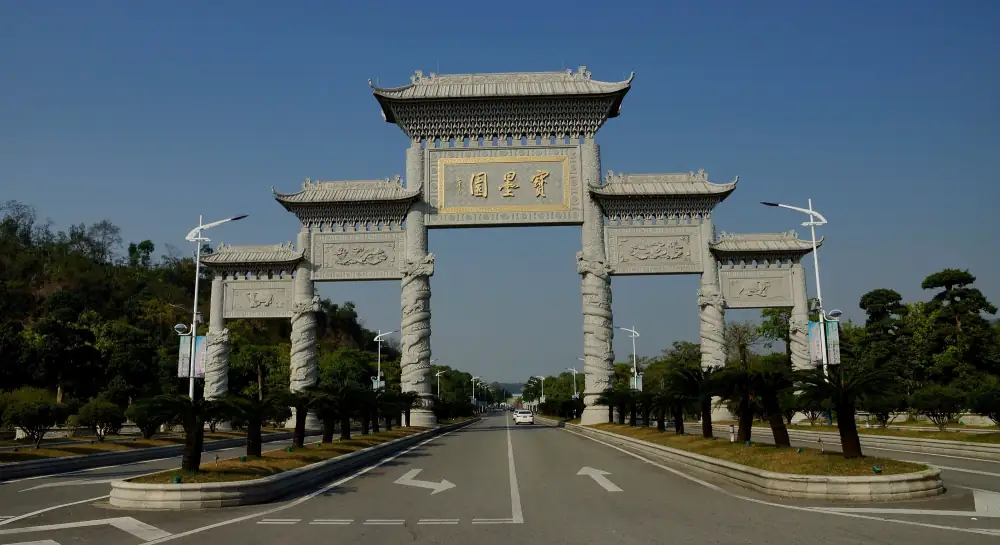
Shantou is one of China’s original Special Economic Zones — designated alongside Shenzhen and Zhuhai back in 1980 — but it never quite got the same explosive development. That’s turned out to be a gift for travelers. The old city has retained its layered architecture of colonial trading houses, overseas Chinese mansion-style buildings, and narrow lanes that smell of incense and dried seafood.
There’s genuine buzz here in 2026. The OCT Group (known for their Happy Valley theme parks) has developed a creative cultural park and film studio on the western edge of the city, drawing young Chinese tourists who want something more experiential than a museum visit. Meanwhile, the food scene that has always existed here is finally getting national attention, with Teochew restaurants in Shanghai and Beijing sparking curiosity about the source.
Getting to Shantou
By High-Speed Train
Shantou Railway Station (汕头站) is on the coastal high-speed rail line connecting Guangzhou and Xiamen. Key journey times in 2026:
- Guangzhou South → Shantou: approximately 2 hours 20 minutes, tickets from ¥145 (~$20)
- Shenzhen North → Shantou: approximately 1 hour 55 minutes, tickets from ¥120 (~$17)
- Xiamen North → Shantou: approximately 1 hour, tickets from ¥90 (~$12.50)
- Fuzhou → Shantou: approximately 2 hours 40 minutes
Book in advance on the 12306 app or website, especially for weekend travel. The station is about 12km from the city center; take a taxi (¥25–35) or the airport shuttle bus.
By Air
Jieyang Chaoshan Airport (潮汕机场) serves the greater Chaoshan area. It’s actually closer to Jieyang and Chaozhou but handles most regional flights. Flights from Beijing take around 2.5 hours, Shanghai about 2 hours. Airport taxis to Shantou cost ¥60–80 and take 45–60 minutes.
By Long-Distance Bus
Buses connect Shantou with most Guangdong cities and parts of Fujian. The main bus stations are Shantou Bus Station (汕头汽车站) and Longhu Bus Station (龙湖汽车站). Buses from Guangzhou take about 4 hours (¥80–110).
Getting Around Shantou
Shantou is compact enough that a combination of walking and DiDi taxis handles most needs. The base taxi fare is ¥8 for the first 2km, then ¥2.6/km. Most rides within the city center cost ¥15–30.
Shared bicycles (mainly Hello Bike and Meituan Bike) are everywhere and perfect for exploring the old city and seafront. Hourly cost is about ¥1.5–3. Download one app and register before you arrive.
Shantou Old City (汕头老市区)
The old city occupies a peninsula jutting into Shantou Bay. Its streets are a compressed history of the city’s trading past — shophouse rows built by merchants who traded with Singapore, Bangkok, and Saigon line the main commercial streets, while quieter residential lanes hide family temples and communal wells.
Xiaogongyuan Area (小公园)
The emotional heart of old Shantou is the Xiaogongyuan district, centered on a circular junction flanked by colonnade-fronted buildings that date from the 1930s. The architectural style is a hybrid that Chinese historians call “Chaoshan Qilou” — covered arcades borrowed from Southeast Asian shophouse tradition combined with European neoclassical detailing and Chinese carved woodwork.
Many of these buildings were restored starting around 2018, though in 2026 the project remains patchy — some blocks are beautifully renovated, others still crumbling. This imperfection is actually part of the charm. You can duck into half-finished buildings and find families still living there, drying fish on makeshift balcony racks.
The best time to wander is early morning (6–9am) when vendors set up food carts and the light hits the facades at a low angle. Return again after 8pm when string lights illuminate the arcades and young people gather for photos.
Former Foreign Concession (西堤)
Shantou was a treaty port after the 1860s, and the former foreign concession area along the western embankment (Xidi) has a different architectural feel — more Western commercial, less hybrid. The British and German trading company buildings are mostly repurposed now, some housing government offices, others quietly deteriorating. A leisurely walk takes 30–45 minutes.
Shantou Museum (汕头市博物馆)
The municipal museum covers local history with a strong focus on the overseas Chinese diaspora — Shantou was the main departure point for Teochew migration to Southeast Asia in the 19th and early 20th centuries, and the collections include emigrant documents, photos, and personal effects. Free entry; open Tuesday–Sunday 9am–5pm.
OCT Shantou Film & Culture Town (华侨城·汕头影视文化小镇)
Opened in phases from 2022 onwards, the OCT development in Shantou’s western district is something genuinely new for the city. At its core is a working film studio with backlot sets that recreate different eras of Teochew life — Republican-era street scenes, fishing village settings, a 1980s SEZ construction site. Guided tours run daily (¥80/person, about $11).
Beyond the studio, the complex includes exhibition halls on Teochew culture, a crafts market with genuine artisan workshops (not just souvenir factories), live performance venues, and a food hall that curates the best regional snacks.
Opening hours: 10am–10pm daily. The evening light show (free, runs at 8pm and 9pm) is genuinely spectacular. Getting there from the old city takes about 25 minutes by DiDi (¥20–25).
Teochew Food: The Main Event
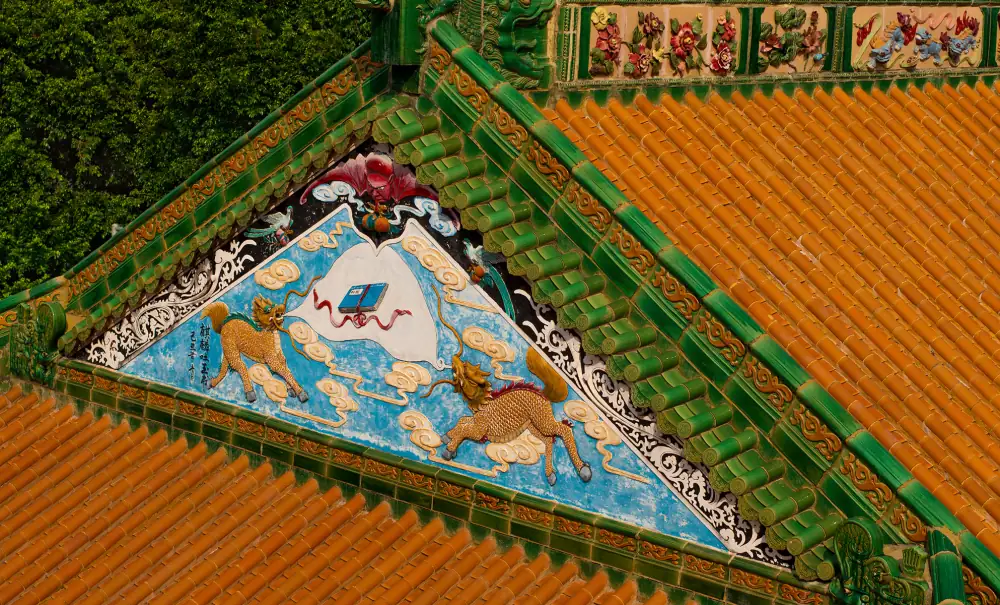
Let me be direct: if you only come to Shantou for the food, you will not have wasted your trip. Teochew cuisine (潮州菜, Cháozhōu cài) is one of the great regional cooking traditions of China, with a philosophy of precision and restraint that produces dishes of extraordinary delicacy.
Braised Goose (潮汕卤鹅)
The undisputed king of Teochew street food. Whole geese are slow-braised for hours in a master stock of soy sauce, sugar, star anise, galangal, and cinnamon. The result is intensely savory meat with lacquered skin, served with a vinegary garlic dipping sauce that cuts through the richness.
Look for stalls that display whole geese hanging in glass cases — these are usually serious operations. Expect to pay ¥35–55 for a portion of mixed goose cuts and internal organs over rice.
Recommended: Ruiyuan Braised Goose (瑞苑卤鹅) near Xiaogongyuan — opens at 6:30am, closes when sold out (usually by noon).
Teochew Beef Hotpot (潮汕牛肉火锅)
Shantou has its own unique beef hotpot style that has become famous across China. The beef is hand-sliced from fresh cattle that were alive that morning — different cuts are served in separate plates, each with a different recommended dipping time in the broth (tender cuts like beef balls go 10–15 seconds; chewier cuts need 20–30 seconds). The broth is a simple, clean beef bone stock.
A good hotpot meal for two runs ¥150–250 (about $21–35). This is genuinely some of the best beef eating in China.
Try: Lao Shantou Niurou Huoguo on Chaoshan Road — bustling, loud, and excellent.
Teochew Congee (潮州粥 / 糜)
Different from Cantonese congee, Teochew congee (called “mi” locally) is cooked very briefly so the rice grains remain whole but become tender in a thin, almost clear broth. It’s served alongside an array of small dishes — pickled vegetables, peanuts braised in soy sauce, steamed fish, raw shrimp briefly dipped in hot water.
Morning congee at a traditional shop costs ¥15–25 per person including several sides.
Other Essentials
- Oyster omelet (蚝烙): A crispy-eggy pancake studded with fresh oysters, fried in lard
- Teochew fish balls (潮汕鱼丸): Bouncy, hand-made fish balls in clear broth
- Caocao jelly (草粿): A black herbal jelly eaten cold with brown sugar syrup on hot days
- Kao yudi (烤玉米): Grilled corn from street carts — sounds simple, tastes incredible with Teochew spice rubs
Where to Eat
- Shacha Street (沙茶街): The most concentrated restaurant zone, open from lunch through late night
- Jinping Night Market: Starts around 6pm, runs until 2am — chaotic, delicious, cheap
- Zhongshan Park Morning Market: Locals do breakfast here from 5:30am
Beaches and Coastal Areas
Shantou isn’t primarily a beach destination, but the coastline has its moments.
Shi Pao Tai (石炮台)
This Qing dynasty coastal fortress sits on a small island connected to the mainland by a causeway. It was built in the 1870s to defend against foreign gunboats and is impressively preserved. Entry ¥20. The surrounding park has views of cargo ships entering Shantou Harbor.
Nan’ao Island (南澳岛)
A 45-minute ferry ride (¥22) or drive via a spectacular cable-stayed bridge gets you to Nan’ao, an island of beaches, hiking trails, and seafood restaurants. The beaches at Qingao and Qianhai are decent by Guangdong standards. For serious beach quality you’d look elsewhere in China, but a day trip here on a clear day is very pleasant.
Chaozhou Day Trip
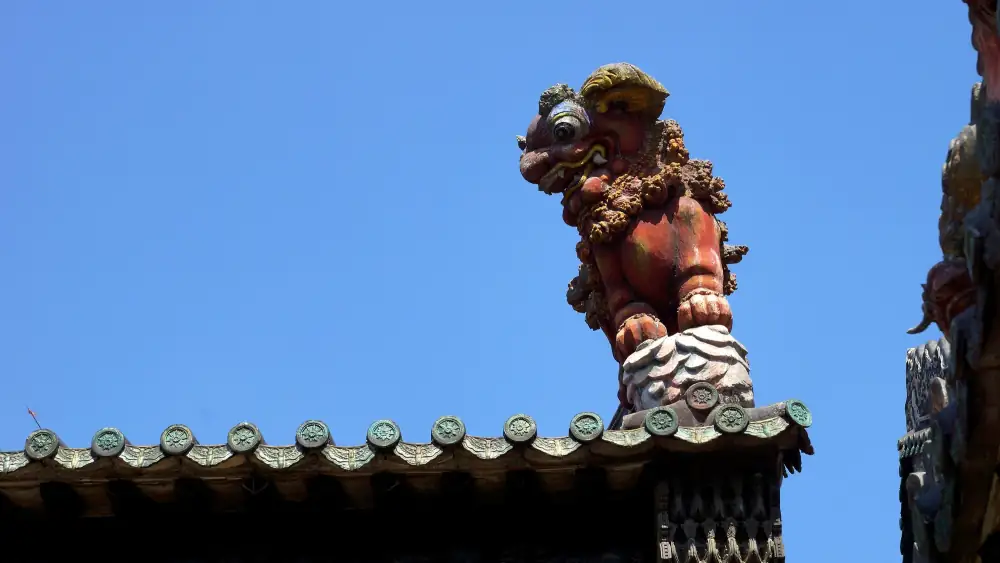
Shantou and Chaozhou are culturally the same place split between two cities — take a bus from Shantou Bus Station (40 minutes, ¥15) or a DiDi (about ¥60) and you can be in one of China’s best-preserved ancient cities within an hour. Chaozhou’s old city walls, Guangji Bridge (one of China’s most distinctive ancient bridges), and Kaiyuan Temple are all worth a half-day to full day.
Where to Stay in Shantou
Budget (¥100–200/night)
The old city has several guesthouses in converted shophouses — atmospheric but variable quality. Airbnb and Meituan app have the best current listings. Expect small rooms and lots of character.
Mid-Range (¥200–450/night)
- Sofitel Shantou (海逸索菲特酒店): International standard, excellent breakfast, central location. From ¥380/night.
- Jinjiang Inn Shantou: Reliable chain option, from ¥200/night.
High-End (¥500+/night)
The Hilton Shantou opened in 2023 and remains the top business/luxury option. From ¥650/night including breakfast.
Best Time to Visit Shantou
October to April is ideal — temperatures sit between 15–25°C (59–77°F), humidity is manageable, and skies are clearest. Chinese New Year (January/February) brings spectacular temple fair activity in both Shantou and Chaozhou.
May to September is hot and typhoon season runs July–September. Typhoons occasionally disrupt travel to Nan’ao Island. That said, summer has its own energy — evening markets run later, and beach trips to Nan’ao are the local thing to do on weekends.
Avoid the Golden Week holidays (October 1–7, Spring Festival) unless you specifically want festival atmosphere — accommodation prices spike and popular food stalls have long queues.
Practical Tips for Shantou
Language: Shantou people speak Teochew (a Min Nan dialect), not Cantonese. Most younger residents speak Mandarin. Basic English is rare outside major hotels. Download a translation app before you go.
Cash: Still useful for street markets and old-style restaurants, though WeChat Pay and Alipay work almost everywhere. Bring some ¥10 and ¥20 notes.
WeChat: Set this up before you arrive and link a payment method. It makes food ordering, DiDi calling, and bike-share significantly easier.
Tap Water: Don’t drink it — bottled water is ¥2–4 everywhere.
Bargaining: In markets and souvenir areas, initial prices are often 2–3x the expected final price. Be friendly and patient.
Meal Times: Teochew people eat early. Popular breakfast spots open at 5:30am and are packed by 7am. Dinner service at restaurants often ends by 9pm outside the tourist areas.
Shantou rewards the traveler who slows down. Don’t try to tick off every attraction — pick a neighborhood, eat breakfast with the locals at 6am, wander without purpose, and let the city’s unhurried rhythms take over. The food alone will make the trip worthwhile.