
Table of contents
Open Table of contents
Red Rocks and Zen Mind — The Two Faces of Shaoguan
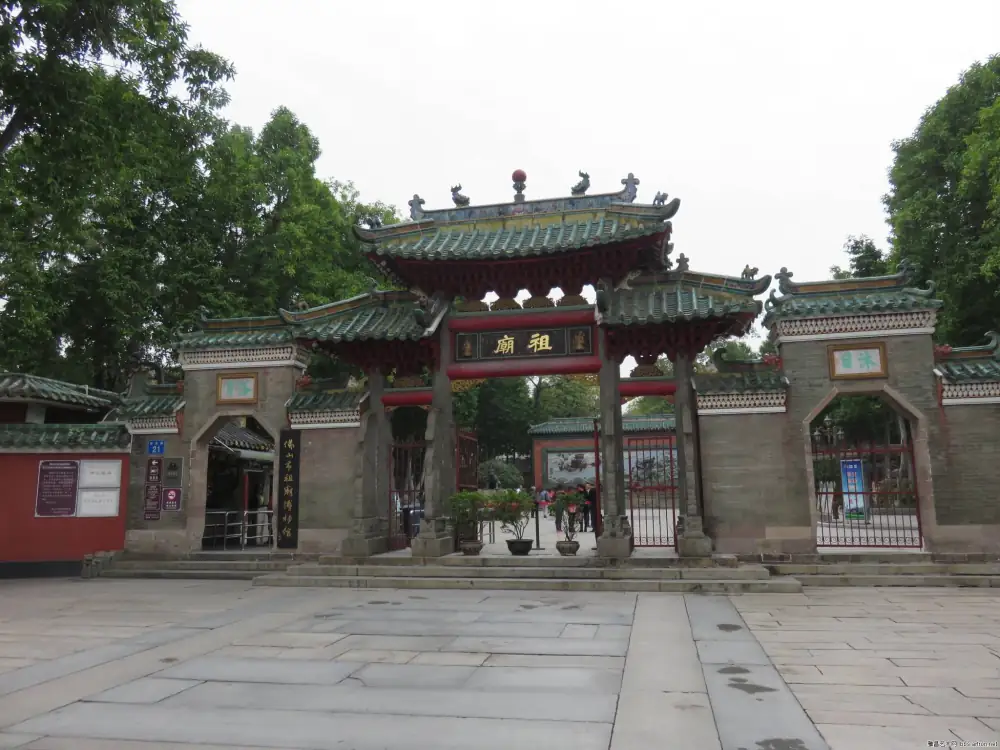
Shaoguan (韶关) is where Guangdong gets serious about scenery. The province known for its megacities and manufacturing also possesses, in its far north, some of the most extraordinary geology in southern China. Danxia Mountain (丹霞山), a UNESCO World Heritage Site and the namesake of the “Danxia landform” geological classification, is a landscape of crimson sandstone pillars, cliffs, and valleys that looks like it was painted by a colour-blind god with a preference for red.
And then there’s Nanhua Temple (南华寺), one of the most important Buddhist monasteries in China and the place where Huineng, the Sixth Patriarch of Zen (Chan) Buddhism, taught in the 7th century. The contrast is perfect — Danxia excites the senses; Nanhua stills them. Together, they make Shaoguan one of Guangdong’s most rewarding destinations.
I visited on a misty spring weekend when the red rocks were slick with rain and the temple courtyards were fragrant with incense and wet pine. The combination of natural drama and spiritual tranquillity was exactly what I needed after a month in Guangzhou’s urban intensity.
Danxia Mountain (丹霞山)
Understanding Danxia Landforms
Danxia landforms are characterised by steep cliffs of red sandstone and conglomerate, shaped by millions of years of erosion into pillars, ravines, and caves. The name comes from Danxia Mountain itself, which is the type locality for this geological formation. Similar landforms exist in several Chinese provinces (and a few other countries), but the Shaoguan Danxia is considered the finest example.
The red colour comes from iron oxide in the sandstone — essentially, the rocks are rusted. Over geological time, uplift raised the ancient seabed, and rivers carved the soft rock into the dramatic forms we see today. The result is a landscape that seems almost deliberately artistic — towering red pillars emerging from green forest, reflected in still water.
Key Scenic Areas
Zhanglao Peak (长老峰) Area: The main viewing area, accessible by cable car or a strenuous stone stairway. The summit offers panoramic views across the entire Danxia range. The sunrise view from Zhanglao Peak is one of the most famous in Guangdong — the red rocks glow like embers in the first light.
Cable car: ¥60 ($8.30 USD) one way. Walking takes 40-60 minutes uphill.
Yangyuan Stone (阳元石): A 28-metre-tall stone pillar that bears an unmistakable resemblance to a phallus. It’s become Danxia’s most photographed (and most sniggered-at) formation. The viewing platform is about 20 minutes’ walk from the Yangyuan scenic area entrance.
Yin-Yang Rock (阴阳石): Near Yangyuan Stone, a natural rock formation that represents the feminine counterpart. The two formations together symbolise the Taoist concept of yin and yang.
Jinshi Rock (锦石岩): A cliff-face temple built into a natural cave in the sandstone. The temple has been a Buddhist site for over 1,000 years and offers a unique combination of geology and spirituality. Reached by a cliffside path with handrails.
Xianglong Lake (翔龙湖): A serene lake at the base of the red cliffs, offering boat trips that provide a water-level perspective on the towering formations. Boat ¥30 ($4.20 USD) for 30 minutes.
Hiking Options
Zhanglao Peak Circuit (3-4 hours): Cable car up, walk the summit ridge, descend via the Biechuan Temple path. The most popular route.
Yangyuan Area Loop (2-3 hours): A moderate walk around the Yangyuan Stone formation with multiple viewpoints and a tea garden.
Full Day Trek (6-8 hours): Combines both areas with connecting trails. Requires good fitness and early start.
Entrance fee: ¥100 ($14 USD) peak season, ¥70 ($9.70 USD) off-peak. Valid for 48 hours.
Nanhua Temple (南华寺)
The Zen Heart of Southern China
Founded in 502 AD, Nanhua Temple is one of the most sacred sites in Chinese Buddhism. It was here that Huineng (惠能), the Sixth Patriarch of Chan (Zen) Buddhism, established his teaching centre in 677 AD. Huineng is arguably the most influential figure in the history of Zen — his teachings form the basis of the Southern School of Chan, which eventually became the dominant form of Buddhism in East Asia.
The temple complex is extensive and beautiful, set in forested grounds with ancient trees and ornamental gardens:
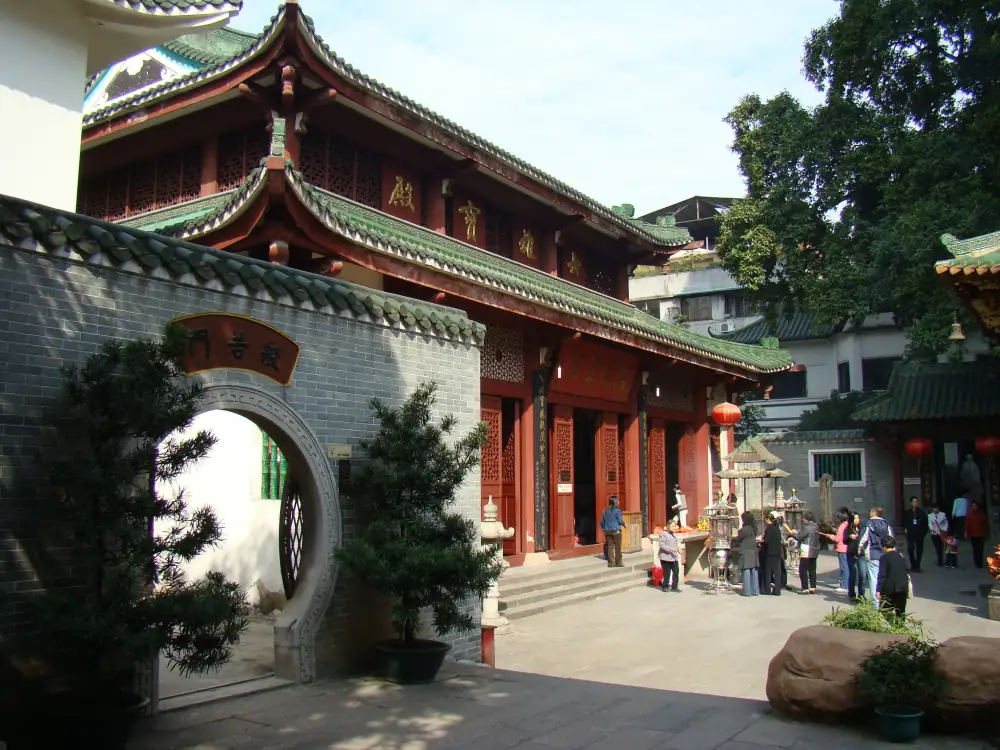
The Main Hall (大雄宝殿): The central worship hall, containing statues of the historical Buddha and two bodhisattvas. The hall dates from the Ming Dynasty and features impressive wood and stone carvings.
The Patriarch Hall (六祖殿): The most important building for Zen practitioners — it houses the flesh-body relic of Huineng, seated in meditation posture, preserved for over 1,300 years. The body sits behind glass in a shrine, and the atmosphere in the hall is one of profound reverence.
The Sutra Pavilion (藏经阁): Houses ancient Buddhist scriptures, including rare editions from the Tang and Song Dynasties.
The Caoxi Spring (曹溪水): A natural spring on the temple grounds, traditionally associated with Huineng. Pilgrims drink the water for its supposed purifying properties.
Entrance fee: ¥20 ($2.80 USD). Open 8:00 AM — 5:00 PM. Allow 1.5-2 hours.
The Zen Experience
Even if you have no interest in Buddhism, the temple is worth visiting for its atmosphere of deep peace. The ancient trees, the sound of chanting, the scent of sandalwood incense — it’s a profoundly calming environment. If you have time, sit on a bench in the courtyard and simply breathe. You’ll understand why Huineng chose this place.
Other Attractions
Ruyuan Grand Canyon (乳源大峡谷)
About 2 hours from Shaoguan city, this dramatic gorge is 15 km long and up to 300 metres deep. A 1,386-step path descends to the canyon floor — exhausting but the views are extraordinary. The canyon waterfall is particularly impressive after rain.
Entrance fee: ¥68 ($9.40 USD).
Plum Pass (梅关古道)
A 2,000-year-old mountain pass on the Guangdong-Jiangxi border, used since the Qin Dynasty as the main route between southern and central China. The 5 km stone-paved trail through the pass is lined with plum trees that bloom spectacularly in January-February. A beautiful and historically significant hike.
Entrance fee: ¥30 ($4.20 USD).
Shaoguan Cuisine
Local Specialities
Shaoguan Sour Bamboo Shoot (韶关酸笋): Fermented bamboo shoots with a distinctive sour flavour, used in many local dishes. ¥18-28 ($2.50-3.90 USD).
Danxia Tofu (丹霞豆腐): Tofu made with water from Danxia Mountain, known for its particularly smooth texture. ¥15-25 ($2.10-3.50 USD).
Mountain Pork (山猪肉): Pork from pigs raised in the mountainous areas around Shaoguan, known for its firm texture and rich flavour. ¥38-58 ($5.30-8 USD).
Nanhua Vegetarian Food: The temple restaurant serves excellent Buddhist vegetarian meals. ¥20-30 ($2.80-4.20 USD) per person.
Plum Wine (梅酒): Made from the plums of Meiling Pass. Sweet and fragrant. ¥15-25 ($2.10-3.50 USD) per bottle.
Practical Information
Getting to Shaoguan
By High-Speed Train: Shaoguan Station on the Beijing-Guangzhou line. From Guangzhou South: 1 hour, ¥80-120 ($11-17 USD). From Changsha: 2 hours. From Wuhan: 3.5 hours.
By Bus: From Guangzhou (3 hours, ¥60/$8.30 USD).
Getting to Danxia Mountain
From Shaoguan city to Danxia Mountain: about 45 km. Bus from Shaoguan Bus Station (1 hour, ¥15/$2.10 USD) or taxi (¥80-100/$11-14 USD).
Accommodation
Danxia Mountain Area: Several hotels near the scenic area entrance, from ¥150-400 ($21-55 USD). For sunrise at Zhanglao Peak, stay at the mountain-top hotel (¥250-500/$35-69 USD — basic but the sunrise is right outside your door).
Shaoguan City: Many hotels from ¥120-300 ($17-42 USD).
Near Nanhua Temple: A temple guesthouse offers basic rooms for ¥60-100 ($8.30-14 USD) per person.
Best Time to Visit
- October — December: The best season — cool, dry, clear skies ideal for photography.
- March — May: Spring flowers and the plum blossoms at Meiling Pass. Rain is common.
- Summer: Hot and humid; the red rocks are dramatically lit but uncomfortable for hiking.
- January — February: Plum blossom season at Meiling Pass. Cold but beautiful.
Budget Estimate (2 Days)
| Item | Budget (¥) | Mid-Range (¥) |
|---|---|---|
| High-speed train from Guangzhou (round trip) | 160 | 240 |
| Accommodation (1 night) | 150 | 350 |
| Meals | 120 | 280 |
| Danxia Mountain entrance | 100 | 100 |
| Cable car | 60 | 60 |
| Nanhua Temple | 20 | 20 |
| Local transport | 50 | 100 |
| Total | ¥660 ($91 USD) | ¥1,150 ($159 USD) |
Red and Still
There’s a pleasing symmetry to Shaoguan’s two great attractions. Danxia Mountain is all about the dramatic, the bold, the visually overwhelming. Nanhua Temple is about the quiet, the contemplative, the internally transformative. Together, they offer a complete travel experience — excitement followed by reflection, stimulation followed by peace. It’s a combination that works better than it has any right to, and it makes Shaoguan one of the most satisfying short-break destinations in all of southern China.