
Table of contents
Open Table of contents
Zhongshan — The Father of the Nation’s Hometown
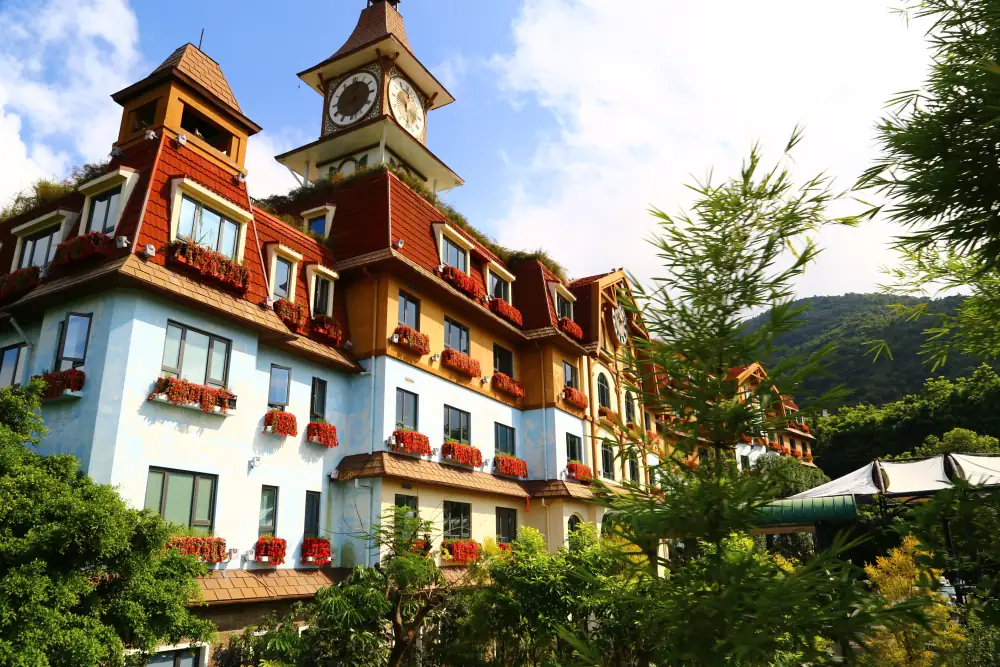
Zhongshan (中山) occupies a unique position in the Chinese consciousness. It’s the birthplace of Sun Yat-sen (孙逸仙/孙中山), the revolutionary who overthrew the Qing Dynasty and founded the Republic of China in 1912. Both mainland China and Taiwan revere him as the “Father of the Nation,” making Zhongshan one of the few places in China that carries genuinely cross-strait significance.
But Zhongshan is more than a historical footnote. This mid-sized city in the heart of the Pearl River Delta has one of the highest per-capita incomes in Guangdong, a surprisingly pleasant urban environment with tree-lined boulevards and parks, and a food culture that rivals its more famous neighbours. The annual Lantern Festival draws visitors from across southern China. And the city’s slower pace compared to Guangzhou and Shenzhen makes it an attractive base for exploring the delta region.
I came to Zhongshan expecting a quick museum visit and moved on. I stayed three days, seduced by the food, the lanterns, and the genuine pleasantness of a city that seems to have figured out the balance between development and livability.
Sun Yat-sen Residence Memorial (孙中山故居纪念馆)
The Historical Site
The Sun Yat-sen Residence Memorial is the city’s most important attraction and a place of pilgrimage for Chinese visitors from both sides of the strait. The site includes:
The Former Residence: A two-storey building designed by Sun Yat-sen himself in 1892, combining Chinese and Western architectural elements. The building is remarkably well-preserved and provides insight into the life of a middle-class family in late Qing Dynasty Guangdong. The red-brick facade, arched windows, and Chinese-style roof create a distinctive hybrid that reflects Sun’s own cross-cultural education.
Sun Yat-sen Memorial Hall: A larger exhibition building chronicling Sun’s life from his birth in 1866 through his education in Hawaii and Hong Kong, his revolutionary activities, and his death in 1925. The exhibits are comprehensive and well-presented, with English translations available.
The Ancestral Village: A reconstructed traditional Lingnan village showing the environment in which Sun grew up. Includes a school, a temple, and traditional houses with original furnishings.
Entrance fee: Free, but you need to show ID (passport). Open 9:00 AM — 5:00 PM, closed Mondays. Allow 2-3 hours.
Sun Yat-sen’s Legacy
What struck me most about the memorial was the genuine emotional response it evokes from Chinese visitors. Regardless of political affiliation, Sun Yat-sen is revered as the man who ended 2,000 years of imperial rule. Watching elderly visitors pay their respects at his statue, I was reminded that history isn’t abstract — it’s personal, and Zhongshan is where it started.
The Zhongshan Lantern Festival (中山元宵灯会)
One of Guangdong’s Greatest Spectacles
If you visit Zhongshan during the Lantern Festival (15th day of the first lunar month, usually in February or March), you’re in for one of the most spectacular visual experiences in southern China. The Zhongshan Lantern Festival is one of the largest and most elaborate in Guangdong, with hundreds of massive illuminated lantern installations displayed across the city’s parks and public spaces.
The lanterns are not the small, delicate affairs you might imagine. These are enormous — some over 20 metres tall — constructed on steel frames covered in silk and lit from within by thousands of LED lights. Subjects range from traditional (dragons, phoenixes, zodiac animals) to contemporary (cartoon characters, space exploration themes). Each district of the city contributes its own installation, creating a competitive, festival-within-a-festival atmosphere.
Key viewing areas: Sun Wen West Road Pedestrian Street, Zimaling Park, and the Qijiang River waterfront. The displays are typically up for about two weeks around the festival date.
Practical tip: Go on a weekday evening if possible — weekend crowds can be overwhelming. The lanterns are best viewed after dark, obviously, but arrive before sunset to secure a good viewing position for the most popular installations.
Exploring the City
Sun Wen West Road (孙文西路)
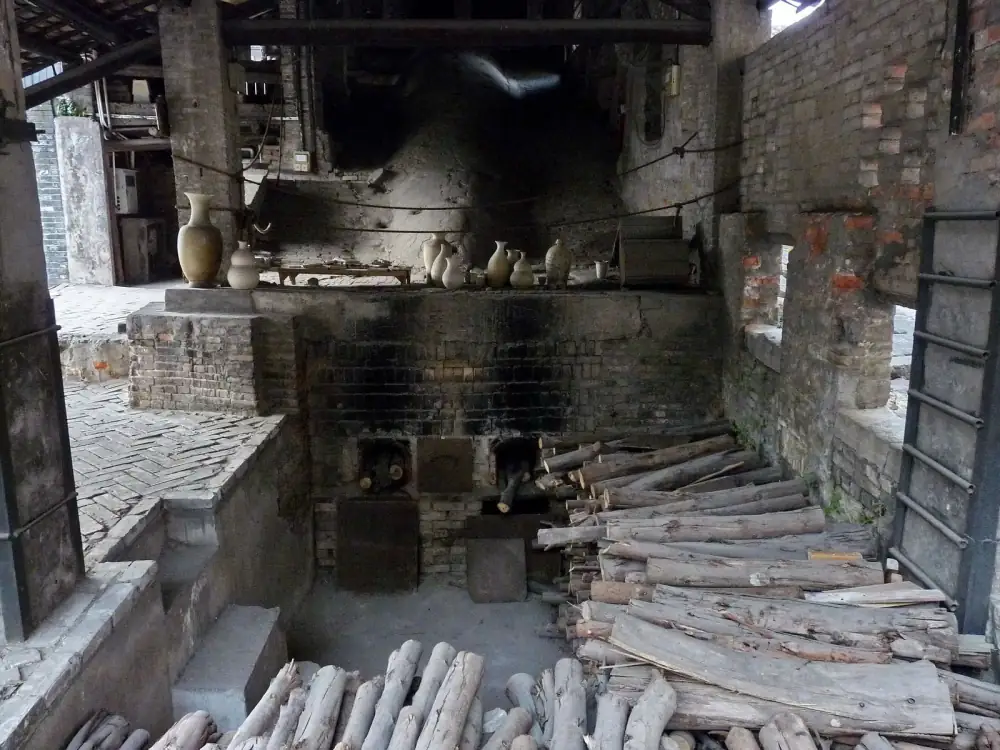
The historic commercial street of Zhongshan, lined with qilou (骑楼) — the covered arcaded shopfronts characteristic of Lingnan architecture. These buildings, dating from the 1920s and 1930s, feature a fascinating blend of Chinese and Western decorative elements — carved wooden screens alongside Art Deco tilework, traditional shutters beneath Baroque cornices.
The street has been pedestrianised and partially renovated, with the usual mix of shops, cafes, and souvenir stalls. But the architecture is genuinely interesting, and the street retains enough authentic character to be worth the walk.
Zimaling Park (紫马岭公园)
The city’s largest park, covering about 90 hectares of rolling hills, lakes, and gardens. It’s a favourite spot for local residents — morning tai chi groups, afternoon strollers, and evening dancers all claim their corners of the park. The park’s rose garden is particularly lovely in spring.
Entrance: Free. Open 6:00 AM — 10:00 PM.
Qijiang River Waterfront (岐江河畔)
The Qijiang River runs through the centre of Zhongshan, and the waterfront promenade is one of the city’s great pleasures. Lined with restaurants, bars, and public art installations, it’s the place to be in the evening. The night views of the bridges and riverside buildings are surprisingly attractive.
Zhongshan Cuisine — Cantonese at Its Best
Zhongshan sits in the heart of Cantonese food country, and its specialities are outstanding:
Shiqi Pigeon (石岐乳鸽)
The single most famous dish in Zhongshan. Young pigeons are marinated in a secret spice blend, then deep-fried until the skin is shatteringly crisp and the meat is tender and juicy. The flavour is richer than chicken, leaner than duck, and utterly addictive. A whole pigeon costs ¥28-48 ($3.90-6.70 USD).
Where to eat it: Shiqi Pigeon Restaurant (石岐乳鸽店), the original and still the best. Also available at most large restaurants in the city.
Other Specialities
Zhongshan Crispy Pork (中山烧肉): Slow-roasted pork belly with impossibly crispy skin. Different from Cantonese roast pork (siu yuk) — the Zhongshan version uses a unique marinade. ¥38-58 ($5.30-8 USD) per plate.
Xiaolan Fried Rice (小榄炒米): A speciality of Xiaolan town within Zhongshan — fried rice with crab meat, shrimp, and egg, cooked over very high heat for wok hei (breath of the wok). ¥28-38 ($3.90-5.30 USD).
Almond Cake (杏仁饼): Zhongshan’s famous snack — actually made from mung bean flour with almond flavouring, pressed into decorative moulds and baked. The texture is crumbly and the flavour delicate. A box of 10 costs ¥15-30 ($2.10-4.20 USD). Available throughout the city.
Seafood: As a Pearl River Delta city, Zhongshan has excellent freshwater and saltwater seafood. The restaurants along the Qijiang River serve whatever’s fresh that day. Meals ¥50-100 ($7-14 USD) per person.
Recommended Restaurants
Shiqi Pigeon Restaurant: The original. Pigeon is the star, but the crispy pork and seafood are also excellent. Meals ¥50-80 ($7-11 USD) per person.
Zhongshan Restaurant: A reliable Cantonese restaurant near the city centre. Good dim sum and roast meats. Meals ¥40-70 ($5.50-9.70 USD) per person.
Xiaolan Food Street: A cluster of small restaurants in Xiaolan town specialising in local dishes. Meals ¥25-40 ($3.50-5.50 USD) per person.
Practical Information
Getting to Zhongshan
By High-Speed Train: Zhongshan Station on the Guangzhou-Zhuhai intercity railway. From Guangzhou South: 30 minutes, ¥40-60 ($5.50-8.30 USD). From Zhuhai: 30 minutes. From Shenzhen North: 1 hour (via the Shenzhen-Zhongshan Link which opened in 2024).
By Bus: Frequent services from Guangzhou (1.5 hours, ¥35/$4.90 USD), Shenzhen (2 hours, ¥50/$7 USD), and Zhuhai (1 hour, ¥25/$3.50 USD).
By Ferry: From Hong Kong: ferry to Zhongshan Port, about 1.5 hours, ¥180-220 ($25-30 USD).
By Air: Zhongshan doesn’t have its own airport. The nearest are Guangzhou Baiyun (1.5 hours by road) and Zhuhai Jinwan (1 hour).
Getting Around
Zhongshan is compact and well-served by buses and taxis. DiDi is widely available. The city centre is walkable. Taxis are inexpensive — most trips within the city cost ¥10-25 ($1.40-3.50 USD).
Accommodation
Zhongshan International Hotel: The city’s most comfortable option. Doubles from ¥300-500 ($42-69 USD).
Sheraton Zhongshan Hotel: Reliable international standard. Doubles from ¥350-600 ($48-83 USD).
Budget hotels: Numerous options in the city centre from ¥120-200 ($17-28 USD) per night.
Best Time to Visit
- October — December: The best weather — dry, comfortable (18-28°C), and clear.
- February — March: Lantern Festival season. Can be chilly (10-18°C) but the lanterns make it worthwhile.
- April — June: Warm and increasingly humid. Plum rain season in May-June.
- July — September: Hot and humid (28-35°C), with possible typhoons.
Budget Estimate (2 Days)
| Item | Budget (¥) | Mid-Range (¥) |
|---|---|---|
| Train from Guangzhou (round trip) | 80 | 120 |
| Accommodation (1 night) | 150 | 400 |
| Meals | 150 | 350 |
| Sun Yat-sen Memorial | 0 | 0 |
| Local transport | 40 | 80 |
| Shopping/snacks | 50 | 200 |
| Total | ¥470 ($65 USD) | ¥1,150 ($159 USD) |
A Pleasant Surprise
Zhongshan doesn’t have the dramatic scenery of Yangshuo or the culinary fame of Chengdu. What it has is something more subtle but no less valuable: livability. This is a city that seems to have been designed for human comfort — tree-lined streets, good food, manageable pace, and a sense of history that doesn’t overwhelm the present. Come for Sun Yat-sen, stay for the pigeon, and leave with an appreciation for a city that represents the best of the Pearl River Delta’s blend of tradition and modernity.