
The Pearl River Delta (珠三角) is the most economically dense region in China — nine cities around the Pearl River estuary producing approximately 10% of China’s GDP. Guangzhou and Shenzhen absorb most visitor attention; but the surrounding cities contain cultural heritage, traditional Cantonese life, and architectural variety that rewards deeper exploration.
Table of contents
Open Table of contents
Foshan (佛山): Ancestral Temple & Cantonese Crafts
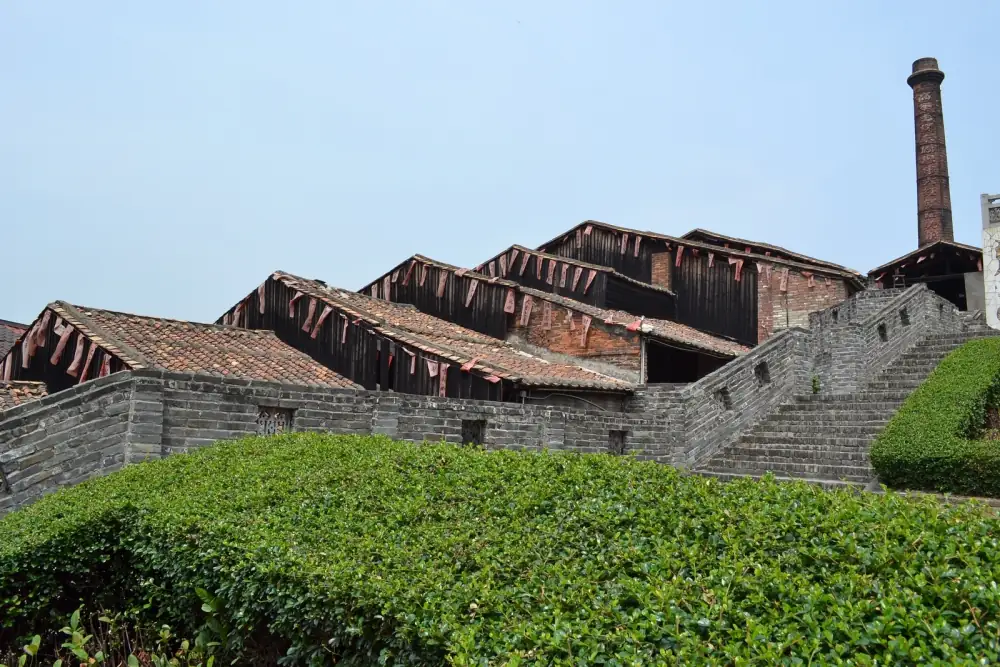
30 km southwest of Guangzhou — the city that gave its name to the Lei Weng martial arts style and to the kung fu master Ip Man (叶问, Bruce Lee’s teacher).
Ancestral Temple (祖庙): A 1,000-year-old complex dedicated to the northern deity Beidi (北帝) — the most important historic temple in the Pearl River Delta. The temple is an extraordinarily rich ensemble of Cantonese decorative arts: 2,500 ceramic figurines covering every ridge of every roof, cast iron figures, gilded woodcarvings, and the famous Foshan embroidered theatrical stage backdrops.
The Wan Fuk tai (万福台) Opera Stage adjacent to the main temple is one of the finest traditional Cantonese opera stages surviving in China — still used for performances. ¥30 entry.
Shunde district (顺德): 20 km south of Foshan — the heartland of Cantonese cuisine. Shunde is where many of the most celebrated Cantonese cooking techniques were developed; the River Snails with Pork* (田螺猪肉饭), steamed milk pudding (双皮奶), and the white-cut chicken standard all have Shunde origins.
Zhongshan (中山): Sun Yat-sen Country
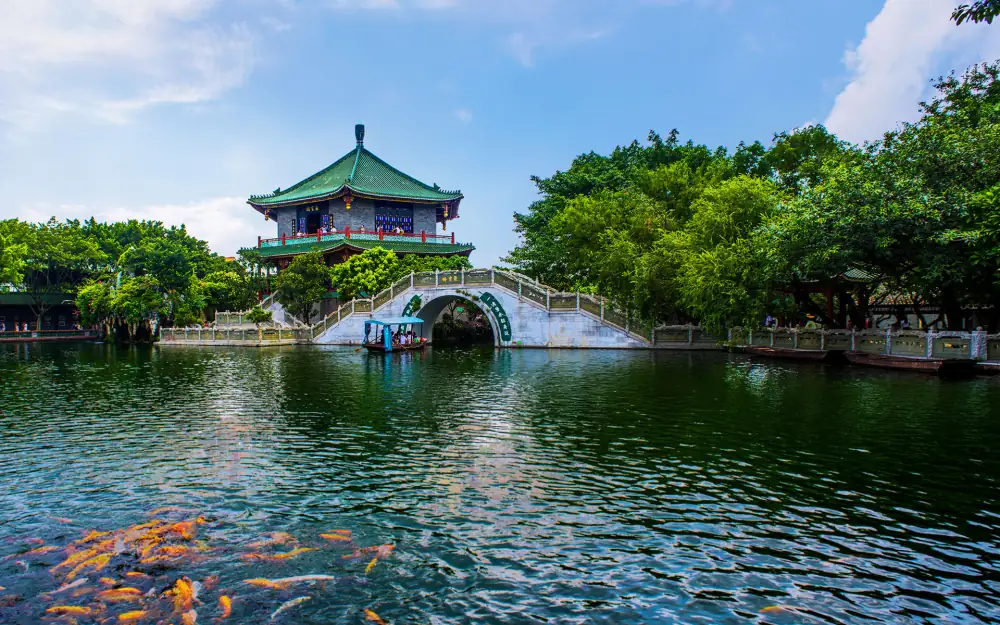
Named in honour of Sun Yat-sen (孙中山, 1866–1925) — the revolutionary founder of the Republic of China who was born here.
Sun Yat-sen’s Former Residence (孙中山故居): In Cuiheng Village — the house where Sun Yat-sen was born and grew up, preserved as a museum. The surrounding traditional village architecture gives context for the social world that produced modern China’s founding figure.
Zhongshan’s Architecture: The city has some of the best-preserved examples of qilou (骑楼) — the arcaded shophouse type that lines Southeast Asian Chinese commercial streets — in Guangdong. The Sunwen West Road historical district (孙文西路) has a concentrated 600-metre commercial street arcade that functions as a living museum.
Zhuhai (珠海)
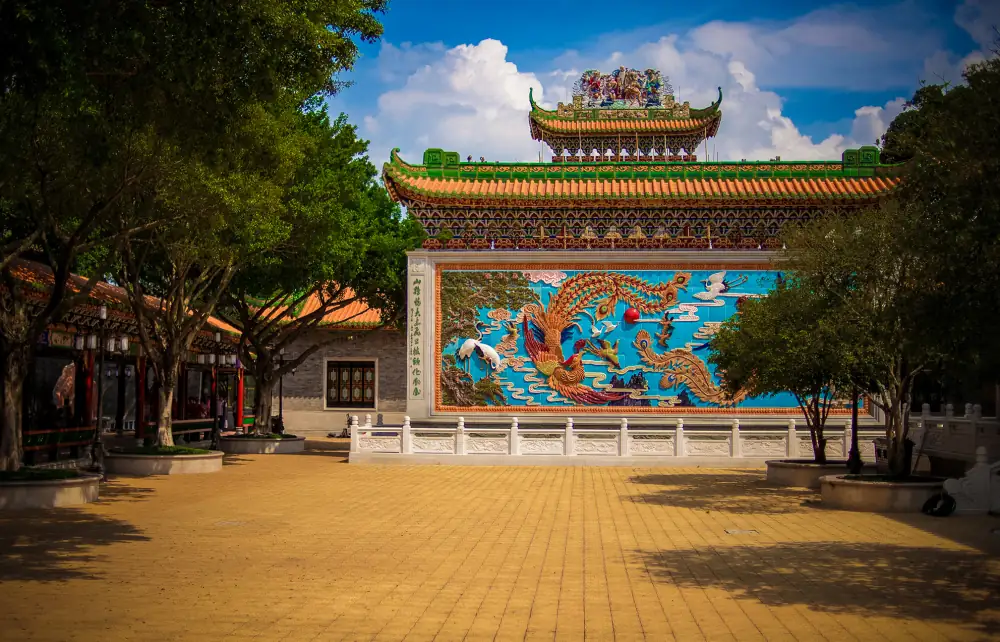
The coastal city bordering Macau — the most livable city in the Pearl River Delta by quality of life indices, with a long coastal park (情侣路, 28 km of coastal promenade) and distinctly different pace from Guangzhou and Shenzhen.
The Macau connection: The Hong Kong-Zhuhai-Macau Bridge (港珠澳大桥, opened 2018) — the world’s longest sea crossing bridge (55 km total) — connects Zhuhai directly to Macau (30 minutes) and Hong Kong (40 minutes). Standing on the Zhuhai end and looking toward the towers of Macau visible across the water is still remarkable.
Fisher Girl Statue (渔女雕像): The iconic Zhuhai image — a bronze woman holding up a pearl over the harbour. Created 1982, it’s become a symbol of post-1978 coastal China prosperity.
Wanshan Islands (万山群岛): 30+ islands in Zhuhai’s offshore waters — accessible by ferry for day trips or overnight. The most developed for tourism is Dongao Island (东澳岛), with good beaches and clear water.
Practical Tips
Getting to Foshan: 25 minutes from Guangzhou by metro (Line 2/Guangfo Line).
Getting to Zhongshan: 1 hour by high-speed ferry from Hong Kong; 1 hour by bus from Guangzhou.
Getting to Zhuhai: 1 hour from Guangzhou by high-speed rail; accessible from Hong Kong via the HZM Bridge.
Last updated: May 2026