
Welcome to Chaoshan (潮汕, Cháo Shàn), a region in eastern Guangdong that is a paradise for food lovers. Known for its distinct culinary traditions, Chaoshan offers a symphony of flavors—from the bouncy hand-beaten beef balls to the crispy-skinned roast goose, all complemented by the iconic shacha sauce (沙茶酱, shā chá jiàng). This guide will take you through the must-try dishes, where to find them, and how to navigate this foodie haven like a local.
Table of contents
Open Table of contents
The Essence of Chaoshan Cuisine
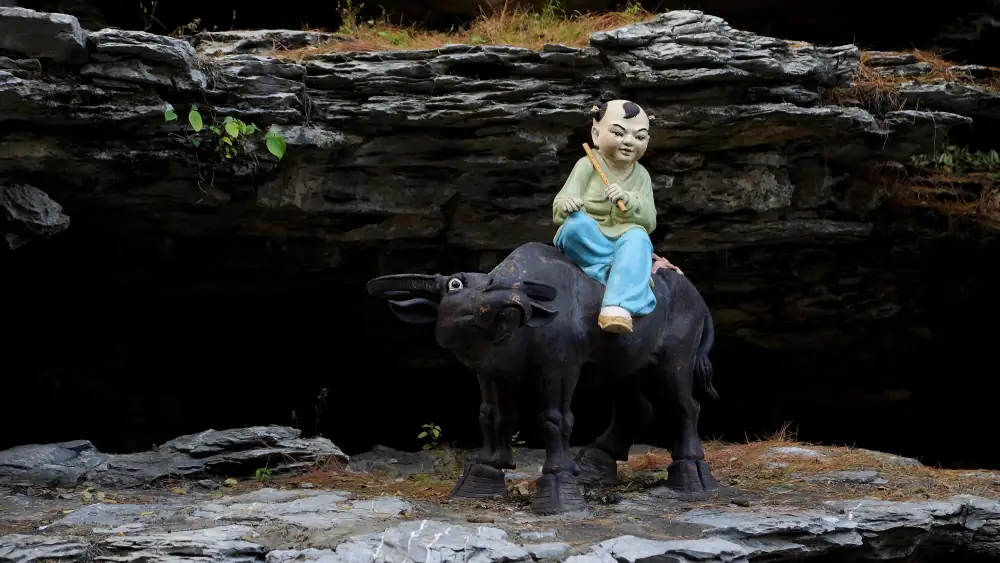
Chaoshan cuisine is all about freshness, texture, and balance. The region’s coastal location provides an abundance of seafood, while its agricultural hinterland supplies quality meats and vegetables. Two pillars of the cuisine are beef balls (牛肉丸, niú ròu wán) and roast goose (烧鹅, shāo é), each prepared with meticulous techniques passed down through generations.
Hand-Beaten Beef Balls: A Labor of Love
Beef balls are a quintessential Chaoshan snack. The traditional method involves using two heavy iron rods (each weighing 3.6 kg) to pound fresh beef leg meat for nearly an hour until it becomes a paste. This process, done by hand, gives the balls their signature bouncy texture—so springy that locals joke you could play ping-pong with them! The meat is then hand-rolled into balls and cooked. The best beef balls are made from fresh, high-quality beef without additives, ensuring a pure, savory flavor.
Where to try: Look for shops that advertise “手打牛肉丸” (hand-beaten beef balls). Many local eateries in Shantou (汕头, Shàn Tóu) and Chaozhou (潮州, Cháo Zhōu) serve them in soups or with noodles. For a true experience, visit a shop that makes them on-site, like the famous “飞厦老二手搥牛肉丸店” (Feixia Lao’er Hand-Beaten Beef Ball Shop).
Shacha Sauce: The Flavor Anchor
No Chaoshan beef ball experience is complete without shacha sauce. This savory, slightly sweet condiment is made from soybean oil, garlic, shallots, chili, and dried shrimp or fish. It’s the perfect dip for beef balls and also used as a hot pot base. Some local brands produce a “火锅沙茶酱” (hot pot shacha sauce) that is especially rich. Many shops sell their own homemade versions, which are often treasured by locals.
Roast Goose: The Pride of Dongguan and Beyond
While Chaoshan is famous for its beef, the neighboring city of Dongguan (东莞, Dōng Guǎn) is the undisputed king of roast goose. The dish, known as 烧鹅濑粉 (shāo é lài fěn), combines crispy roast goose with silky rice noodles in a flavorful broth. The goose is traditionally roasted over lychee wood, which imparts a subtle smoky aroma.
Where to Find the Best Roast Goose
Dongguan is dotted with roast goose shops, each with its own secret recipe. Here are some top picks from locals:
- 雄记 (Xiong Ji): Located in Dalang Town (大朗镇, Dà Lǎng Zhèn), this shop has been serving roast goose since 1978. Their goose leg is a must-try—crispy skin, tender meat, and rich fat. Pair it with their spicy chili sauce.
- 文记 (Wen Ji): In Dalingshan Town (大岭山镇, Dà Lǐng Shān Zhèn), this shop uses lychee wood for roasting. Their goose is juicy, and they also serve a refreshing herbal drink called “老耳水” (lǎo ěr shuǐ).
- 牛魔王 (Niu Mo Wang): Also in Dalingshan, this shop is famous for its oversized goose leg. It’s only open for breakfast and lunch, so arrive early. The goose is sold whole, so you might need to wait for a fresh batch.
- 肥诚烧鹅 (Fei Cheng Roast Goose): A chain with multiple locations, including a 24-hour branch in Shilong (石龙, Shí Lóng). Their roast goose is consistently good, and they also offer Hong Kong-style dishes like pineapple buns.
- 香辉食馆 (Xiang Hui): In Houjie Town (厚街镇, Hòu Jiē Zhèn), this 24-hour shop is beloved for its handmade rice noodles and char siu (叉烧, chā shāo).
How to Eat Roast Goose
Most shops serve roast goose with 濑粉 (lài fěn), a type of thick rice noodle. The noodles are usually served in a broth made from raw ground herbs (生地汤, shēng dì tāng), which is believed to have cooling properties. Add a spoonful of pickled scallions (咸葱, xián cōng) for extra flavor. Don’t forget to dip the goose in sweet plum sauce (酸梅酱, suān méi jiàng) for a tangy contrast.
Tea Snacks: The Art of Accompaniment

Chaoshan people take their tea seriously, and no tea session is complete without traditional pastries. The most beloved is the Chaoshan mung bean cake (绿豆饼, lǜ dòu bǐng).
Mung Bean Cake: A Century-Old Tradition
This flaky pastry is filled with a sweet or savory mung bean paste. The best ones are made by hand, with a thin, crispy crust that shatters at the bite. The filling is smooth and not overly sweet, making it a perfect pairing with oolong tea. The cake has a history dating back to the Qing Dynasty and is now a protected intangible cultural heritage in Huilai County (惠来县, Huì Lái Xiàn).
Where to buy: Look for shops that sell “潮饼记” (Chao Bing Ji) brand, which has been making these cakes for over 30 years. They offer four flavors: sweet mung bean, savory mung bean, taro (芋泥, yù ní), and black bean (黑豆, hēi dòu). The cakes are best consumed within 15 days of production.
Other Tea Snacks
- 腐乳饼 (fǔ rǔ bǐng): A pastry filled with fermented bean curd, pork, and nuts.
- 朥饼 (láo bǐng): A flaky pastry with a filling of mung bean or taro.
- 糖葱薄饼 (táng cōng báo bǐng): A thin pancake wrapped around a crunchy maltose candy and coconut.
Suggested Food Tour in Shantou
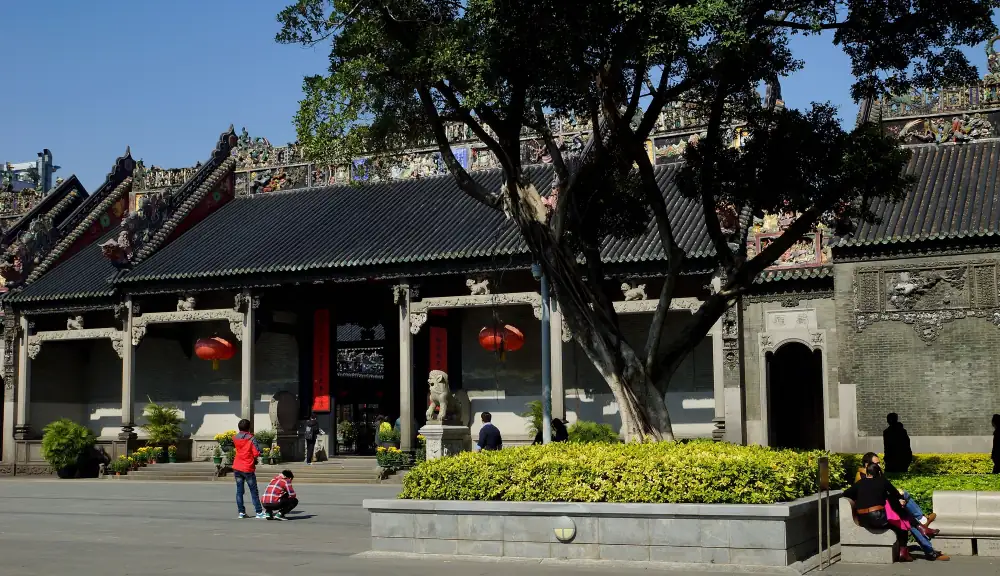
If you have only one day in Shantou, here’s a sample itinerary inspired by local food tours:
- 9:30 AM - Start with a breakfast of 无米粿 (wú mǐ guǒ, chive dumplings) and 炒糕粿 (chǎo gāo guǒ, fried rice cake).
- 10:45 AM - Take a walk through a residential area to discover hidden snack stalls.
- 11:30 AM - Lunch: a bowl of 粿汁 (guǒ zhī, rice noodle soup with various toppings).
- 2:30 PM - Learn to make 潮汕粽子 (Cháo Shàn zòng zi, glutinous rice dumplings) for the Dragon Boat Festival.
- 3:30 PM - Tea time with mung bean cakes and a tasting session.
- 6:00 PM - Dinner at a private kitchen serving seasonal Chaoshan dishes.
- 9:00 PM - Late-night street food at a local dai pai dong (大排档, dà pái dàng).
Practical Tips for Travelers
Best Time to Visit
- Spring (March-May) and Autumn (September-November) offer mild weather, ideal for food walks.
- Avoid summer (June-August) as it can be hot and humid, though indoor food tours are still enjoyable.
Getting There
- By Air: Shantou Waisha Airport (SWA) serves domestic and some international flights. From the airport, take a taxi or bus to the city center.
- By High-Speed Rail: Chaoshan Station (潮汕站, Cháo Shàn Zhàn) is the main hub, connecting to Guangzhou, Shenzhen, and other cities. From there, take a taxi or bus to Shantou or Chaozhou.
- By Car: If driving, note that parking in city centers can be challenging. Use ride-hailing apps like Didi.
- Journey times & layout: Chaoshan Station sits roughly midway between Shantou (汕头) and Chaozhou (潮州), about 30–40 minutes by taxi or bus to either. The two historic towns lie only ~40 km apart, so many travelers base themselves in one and day-trip to the other. High-speed trains take around 3 hours from Guangzhou and 2.5 hours from Shenzhen, making Chaoshan an easy weekend addition to any Guangdong itinerary.
Getting Around
- Metro: Shantou has a limited metro system; most food spots are best reached by taxi or on foot.
- Buses: Cheap but can be crowded. Use Alipay or WeChat Pay for tickets.
- Taxis: Flag fall is around ¥10. Ensure the driver uses the meter.
Tickets & Booking
- Most food shops are walk-in; no advance booking needed.
- For private kitchen dinners or cooking classes, book at least a day in advance via WeChat or phone.
Payment & Connectivity
- Mobile Payment: Alipay and WeChat Pay are widely accepted. Set them up before your trip.
- Cash: Useful for small street stalls, but not essential.
- SIM Card: Buy a local SIM card at the airport for data access.
Etiquette
- Queuing: Some popular shops have long lines; be patient.
- Sharing: It’s common to share dishes, so order a variety.
- Tipping: Not customary in China.
Costs
- Street snacks: ¥5-20 per item.
- Beef ball soup: ¥15-30.
- Roast goose with noodles: ¥25-50.
- Private dinner: ¥200-500 per person.
- Cooking class: ¥100-300.
Conclusion
Chaoshan’s food culture is a treasure trove of flavors and traditions. Whether you’re savoring a bowl of beef ball soup, cracking into a crispy roast goose, or nibbling on a mung bean cake with tea, every bite tells a story. For more food adventures, check out our Guangdong food guide and south China travel tips. Happy eating!