
The Pearl River Delta, encompassing Guangzhou and Shenzhen, is the world’s largest urban manufacturing zone and simultaneously home to China’s most sophisticated food culture. These two cities are just 35 minutes apart by high-speed train but feel worlds apart in character.
Table of contents
Open Table of contents
Guangzhou (广州) — Cantonese Cuisine Capital
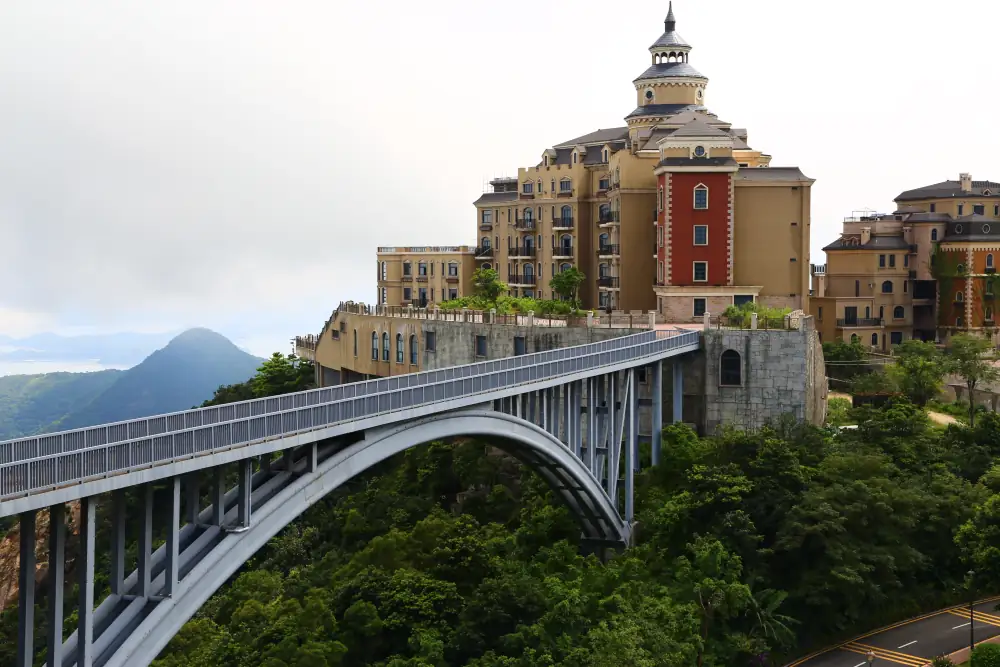
Guangzhou (Canton) has been China’s most important port city for 2,000 years — the last destination on the Maritime Silk Road, trading partner with Rome, Arabia, and later Europe. The city’s character is defined by commerce, cuisine, and a distinctive Cantonese identity that differs markedly from the rest of China.
Top Attractions
Canton Tower (广州塔) — The 600-metre television tower is Guangzhou’s most recognisable landmark. The observation deck at 488m and a glass-bottomed walkway at the sky level offer extraordinary views. Evening illumination is spectacular. Entry ¥150.
Chen Clan Academy (陈家祠) — A late Qing Dynasty ancestral hall of the Chen clan, built as an educational institution in 1894 using funds from Chen families across Guangdong. The building is covered in extraordinarily ornate relief sculpture, ceramic frieze work, and wood carving — one of the finest examples of southern Chinese decorative arts. Entry ¥15.
Shamian Island (沙面岛) — A former foreign concession island in the Pearl River — British and French consulate buildings now converted to boutique hotels, cafes, and restaurants. The French Baroque and Victorian architecture draped in tropical vegetation is uniquely atmospheric. Free to wander.
Yuexiu Park (越秀公园) — City park containing the Zhenhai Tower (镇海楼) — a Ming Dynasty five-story tower housing the Guangzhou City History Museum; the adjacent Five Rams Statue (五羊雕像) represents Guangzhou’s founding legend. Free.
Sun Yat-sen Memorial Hall (中山纪念堂) — An octagonal memorial hall built in 1931 for the founder of the Republic of China; architecturally extraordinary — a 5,000-seat assembly hall with a 70-metre roof span using no internal columns.
Cantonese Dim Sum (粤式点心)
Guangzhou is the birthplace and gold standard for dim sum (点心). The tradition of yum cha (饮茶, drinking tea with small dishes) is taken with utmost seriousness.
Essential dishes:
- Har gow (虾饺) — translucent shrimp dumplings; the benchmark of dim sum quality
- Siu mai (烧卖) — pork and shrimp steamed dumplings
- Cheung fun (肠粉) — silky steamed rice noodle rolls with shrimp, beef, or plain
- Char siu bao (叉烧包) — BBQ pork buns; baked (烤) or steamed (蒸) versions
- Egg tarts (蛋挞) — Cantonese Portuguese-style custard tarts
- Lo mai gai (糯米鸡) — glutinous rice with chicken and mushroom in lotus leaf
Best dim sum restaurants:
- Guangzhou Restaurant (广州酒家) — historic, reliable, excellent; queue for breakfast (8–10am)
- Taotaoju (陶陶居) — the city’s oldest continuously operating restaurant (1880); reservations essential at weekends
- Bingsheng Pinwei (炳胜品味) — upscale contemporary Cantonese
Night Market and Street Food
Beijing Road (北京路) — pedestrian commercial street with street food stalls.
Shangxiajiu Street (上下九步行街) — Traditional commercial street with century-old buildings; excellent for affordable Cantonese snacks including wonton noodles (云吞面) and roast goose rice (烧鹅饭).
Shenzhen (深圳) — China’s Innovation Capital
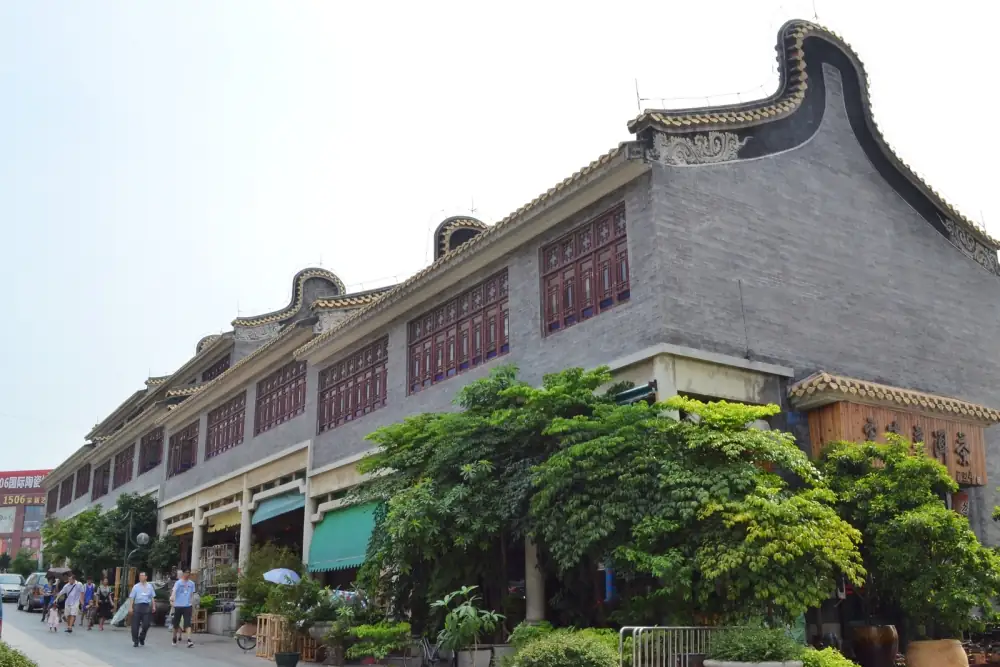
Shenzhen was a fishing village of 30,000 people in 1980. Today it has 18 million residents and produces more hardware technology patents than most countries. The city that shouldn’t exist — it was willed into being by Deng Xiaoping’s market reforms — is now one of the most architecturally innovative and culturally dynamic cities in China.
Top Attractions
OCT-Loft Contemporary Art Terminal (华侨城创意文化园) — Old factory buildings converted to galleries, studios, independent coffee shops, and boutiques. Guangdong’s most significant contemporary art hub; major galleries include He Xiangning Art Museum. Free.
COCO Park / MixC (万象城) — Shenzhen has some of China’s best shopping malls; MixC Shenzhen is considered the finest luxury retail experience in the country.
Shenzhen Reservoir and Wutong Mountain (梧桐山) — At 944 metres, the highest peak within Shenzhen city; 3-hour trail to the summit with sea views and wild orchids in spring.
Dafen Oil Painting Village (大芬油画村) — A village of painters who produce fine-art oil painting reproductions — Leonardos, Renoirs, Monets — by the thousands. You can commission custom portraits or paintings of your own photos. An unusual window into the economics of “art.”
Shenzhen’s Relationship with Hong Kong
The Shenzhen-Hong Kong border crossing is one of the world’s busiest. Many visitors do both cities in combination — Shenzhen for manufacturing culture, technology companies, and cheap excellent food; Hong Kong for finance, international feel, and colonial heritage.
Practical Transport
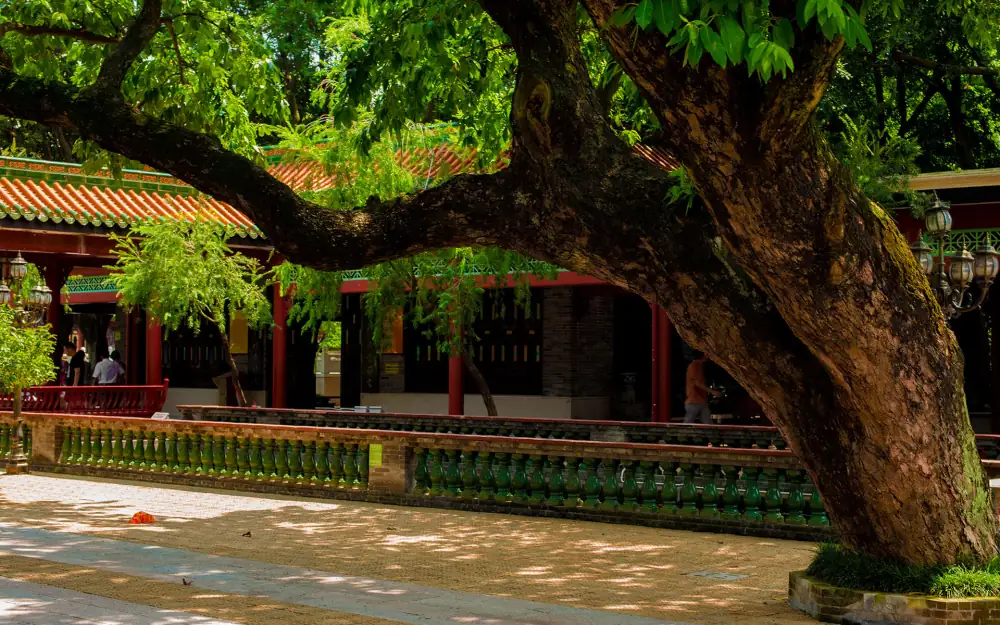
Guangzhou–Shenzhen: High-speed 35 minutes (¥78); frequent departures from Guangzhou South Station.
Shenzhen–Hong Kong: KTT train 14 minutes; metro cross-border 30 minutes via various checkpoints.
Guangzhou airport: Guangzhou Baiyun International — one of China’s three hub airports with extensive domestic and international connections.