
If there’s one city in China where the food genuinely matters above everything else — where locals will spend two hours discussing where to get the best braised goose feet, where restaurants live and die on the quality of their stock — it’s Guangzhou. Cantonese cuisine is the world’s most exported Chinese food, but what you get in Guangzhou bears very little resemblance to what got exported. This is the source material.
Table of contents
Open Table of contents
Yum Cha: Guangzhou’s Social Institution
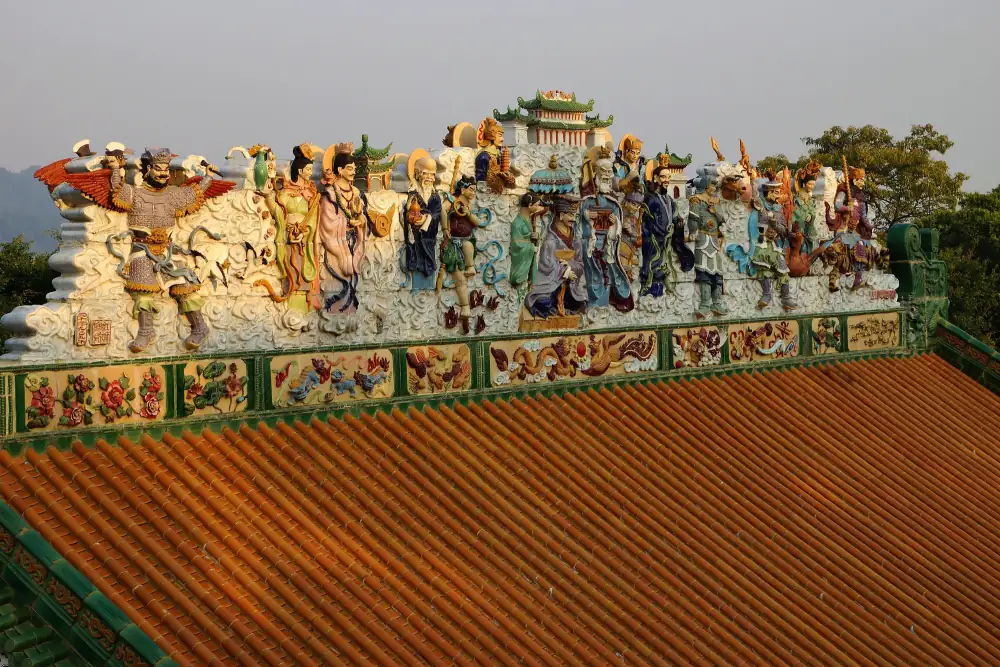
Yum cha (饮茶, literally “drink tea”) is the Cantonese practice of eating dim sum over morning or midday tea. In Guangzhou, it’s less a meal and more an institution — families meet here on weekends, business is done over bamboo steamers, and older Guangzhou residents will tell you the yum cha session is the centrepiece of their social lives.
The classic time is morning, 7am-11am, though lunch service runs until 2pm. You’ll need to arrive early at the best restaurants for a good table, especially on weekends.
How It Works
Traditional yum cha restaurants use trolleys pushed around the dining room — you flag down the trolley and take what you want, which gets stamped on your ticket. Many newer restaurants have replaced trolleys with paper order forms. The trolley system is the more enjoyable one.
What to order (the essential list):
- Har gow (虾饺, xiājiǎo) — steamed prawn dumplings with thin rice flour skin. The benchmark dish: if these are good, everything else will be.
- Siu mai (烧卖, shāomài) — pork and prawn dumplings, open-topped, often with a dot of roe on top.
- Cheung fun (肠粉, chángfěn) — silky rice noodle rolls with prawns or char siu inside, drizzled with soy and sesame oil.
- Char siu bao (叉烧包) — BBQ pork buns, either baked (golden, slightly sweet crust) or steamed (white, fluffy).
- Lo mai gai (糯米鸡, nuòmǐ jī) — sticky rice with chicken and mushroom wrapped in lotus leaf and steamed.
- Egg tart (蛋挞, dàntǎ) — the Cantonese custard tart. Slightly flaky pastry, silky egg custard, served warm. Eat immediately.
- Turnip cake (萝卜糕, luóbogāo) — steamed radish cake, pan-fried until crispy. Excellent with XO sauce.
Cost: Budget ¥60-120 per person for a full yum cha. Premium restaurants charge more.
Where to Go
Guangzhou Restaurant (广州酒家) at Wenchang South Road — the historic standard-bearer since 1935. The mooncakes here are legendary during Mid-Autumn Festival. Expect queues.
Pan Xi Restaurant (泮溪酒家) in Liwan District — set in a traditional Lingnan garden with pavilions over a lake. The setting makes the experience. Very popular with older Guangzhou families.
Lian Xiang Lou (莲香楼) — over a century old, known for its wife cakes and traditional morning dim sum. More working-class in feel than the tourist stalwarts.
Char Siu and Roast Meats (烧味)
Cantonese roast meat (烧味, shāowèi) shops are everywhere in Guangzhou — recognisable by the rows of lacquered ducks, honey-glazed pork, and whole chickens hanging in the window. This is fast food, Cantonese-style.
Char siu (叉烧) — BBQ pork with a sweet, caramelised crust and tender interior. Order it over rice (叉烧饭) for ¥28-45, or as a side dish with white cut chicken.
Roast goose (烧鹅, shāo’é) is the Cantonese prestige roast meat. Guangzhou cooks theirs differently from Hong Kong — the skin is crispier, the marinade more intensely spiced. Yung Kee (镛记, in central Guangzhou) is the mainland standard, but local shops in Liwan and Haizhu districts will give you the real neighbourhood experience at ¥45-80 for a quarter bird.
Siu yuk (烧肉) — Cantonese roast pork with shatteringly crispy crackling. Served over rice or as a cold plate. ¥30-50.
Guangzhou Congee Culture (粥)
Rice congee (粥, zhōu) in Guangzhou is a completely different thing from the watery rice soup found elsewhere in China. Cantonese congee is slow-cooked until the rice completely breaks down into a silky, rich stock. It’s a breakfast staple and a midnight meal.
Artisan congee (艇仔粥, tǐngzǎi zhōu) — the classic boat-cooked congee with fish, squid, pork, and century egg. Originally sold from boats on the Pearl River. ¥15-25 per bowl.
Raw fish congee (鱼生粥, yúshēng zhōu) — thin-sliced raw freshwater fish dropped into boiling congee, which cooks it through on contact. The fish should be still slightly pink inside. ¥18-30.
Pork and century egg congee (皮蛋瘦肉粥) — the classic combination, reliable anywhere.
Where to go: The Xiguan area (西关, Old Guangzhou) in Liwan District has the best congee culture. Look for shops with large clay pots simmering in the kitchen window.
Seafood in Xiacun and Fanyu District
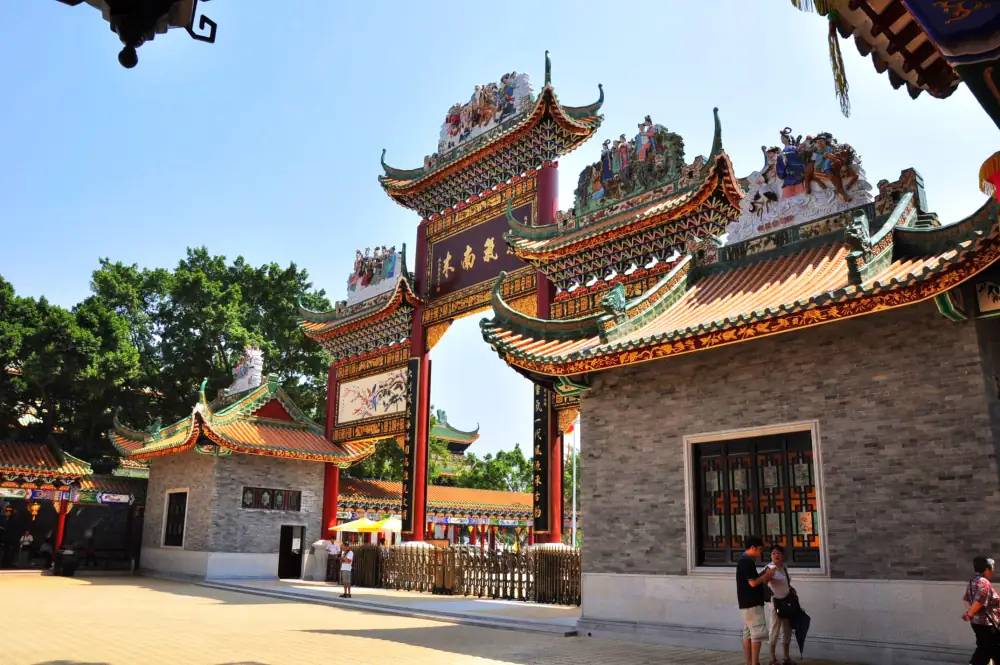
Xiacun (下村) in Haizhu District is the most accessible of Guangzhou’s seafood districts. The drill is the same across most of these areas: you browse the live tanks out front, choose your fish and shellfish, pay by weight, then a kitchen cooks it for a preparation fee.
What to order:
- Steamed grouper (清蒸石斑鱼) with ginger and spring onion — ¥80-180 depending on size
- Stir-fried clams (炒花甲) in black bean sauce — ¥35-60
- Steamed scallops with garlic vermicelli — ¥15-25 per scallop
- River shrimp (河虾) — smaller and sweeter than sea prawns, ¥60-100/jin
Panyu District (番禺) has larger-scale seafood wholesale restaurants where groups go for celebratory meals. Taxi from the city centre or metro to Shiqiao station and taxi from there.
A Proper Cantonese Family Restaurant Dinner
The format of a traditional Cantonese family dinner is worth understanding. There will usually be cold dishes to start (roast meats, marinated jellyfish, pickles), then a series of shared hot dishes, a noodle or rice dish near the end, and seasonal fruit to finish.
Key dishes beyond dim sum:
Steamed fish (蒸鱼) — whole fish, simply steamed, finished with hot oil and soy. The quality of the fish decides everything.
Stir-fried beef with ginger and spring onion (姜葱炒牛肉) — the Cantonese wok skill dish. Should be cooked in under 90 seconds on maximum heat.
Braised tofu with minced pork — soft tofu in a savoury sauce, unglamorous but often the best thing on the table.
Ching choi (清炒菜心, garlic-stir-fried greens) — seasonal greens with just garlic and oil. Cantonese cooks treat vegetables with as much care as protein.
Budget for a shared dinner: ¥100-180 per person at a mid-range restaurant, ¥250+ at premium places.
Street Food and Casual Eats
Cheung fun stalls (肠粉档) operate throughout the day in residential areas. The typical stall cooks rice batter to order, rolls it with your chosen filling, and serves it with a combination of sweet soy, oyster sauce, and sesame. ¥8-15 per roll.
Wonton noodle soup (云吞面) — thin egg noodles in clear pork broth with whole prawns wrapped in wonton wrappers. The texture of the noodles (properly al dente, slightly springy) and the freshness of the wonton filling distinguish a good bowl from a mediocre one. ¥15-25.
Fried taro dumplings (芋头饺) — taro paste shell filled with pork, deep-fried until the taro lattice is golden. Street snack version ¥8-12.
Practical Notes
Ordering in Cantonese vs Mandarin: Guangzhou is the only major Chinese city where Cantonese rather than Mandarin is the dominant spoken language. Most menus are in Chinese characters only. Many older restaurateurs prefer Cantonese to Mandarin. Bring Google Translate camera or Pleco.
Meal times: Yum cha 7-11am, lunch 11:30am-2pm, dinner 5:30-9:30pm, late-night food until midnight+.
Best food areas: Liwan District (Xiguan, traditional Cantonese), Tianhe District (modern, more upscale), Haizhu (local, less tourist-facing).