
Guangzhou sits at the center of one of China’s most densely connected transportation networks. The Pearl River Delta links cities together so tightly that what counts as a “day trip” here includes destinations 200km away that are reachable faster than some cross-city commutes in other parts of the world. This guide covers the four best day trips from Guangzhou: each offering something genuinely different from the city itself.
Table of contents
Open Table of contents
Foshan: Kung Fu, Dragon Kilns & Traditional Guangdong
Distance/Time: 40-60 minutes by Guangzhou Metro Line 1 (interchange to Foshan Line 2 at Xilang Station). No need for trains — the metro goes direct.
Cost: ¥6-9 by metro.
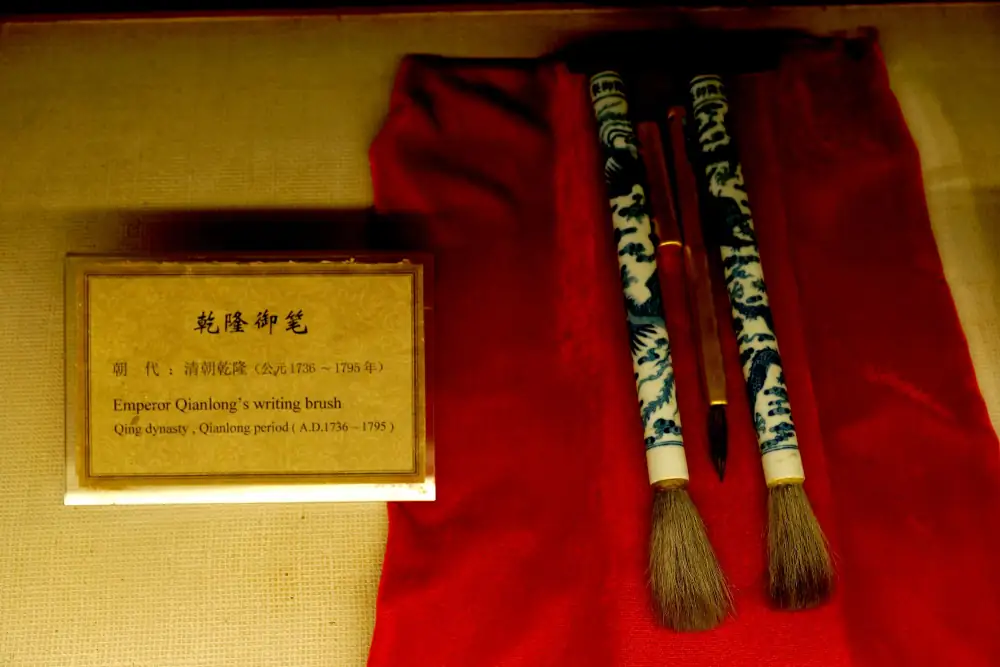
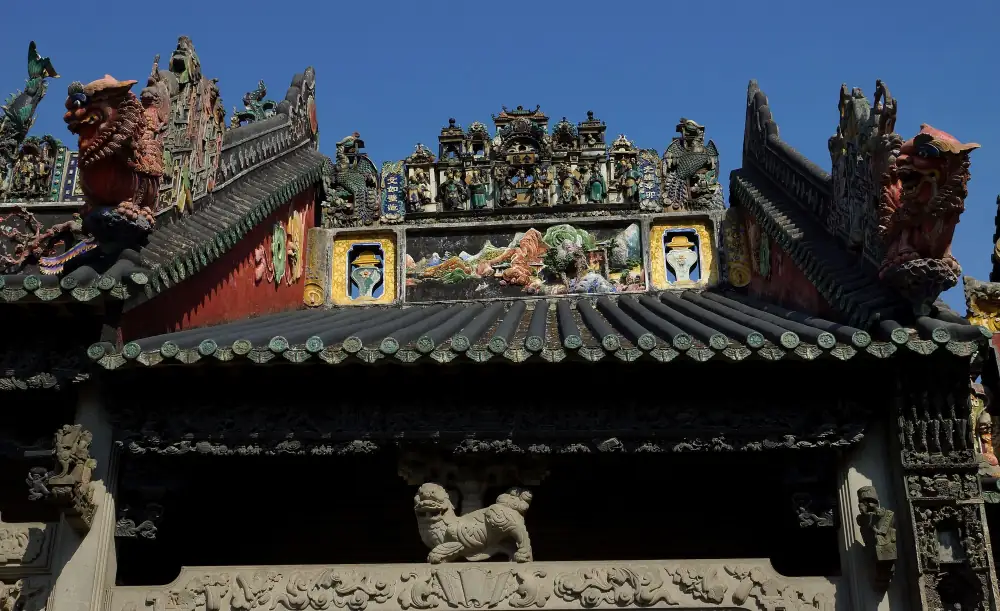
Foshan (佛山) is best known internationally as the birthplace of Wing Chun kung fu and the hometown of Ip Man, Bruce Lee’s teacher. The Foshan Ancestral Temple (佛山祖庙, ¥20) is the main heritage site — a 1,000-year-old Taoist temple complex that’s also the center of Guangdong folk culture. Cantonese opera performances run regularly.
The Foshan ceramics tradition: Foshan’s Nanfeng Ancient Kiln (南风古灶, ¥30) has been firing ceramics continuously since 1506 — it’s the oldest continuously operating dragon kiln in the world. You can watch potters work, see the firing process, and buy pieces directly from the kiln. The quality ranges from basic tourist items to genuine collector pieces.
Shawan Ancient Town (沙湾古镇, free), 20km southeast of central Foshan, is a well-preserved Cantonese town from the Song Dynasty with excellent poon choi (盆菜, traditional basin feast) restaurants and the Shawan He Shiyao Ancestral Temple. More authentic and less crowded than the central Foshan tourist circuit.
What to eat in Foshan: Foshan dim sum is celebrated across Guangdong. The old tea houses around the Ancestral Temple area serve traditional yum cha (early morning dim sum) from 6am. Key dishes to order: har gow (蒸虾饺, steamed shrimp dumplings), cheung fun (肠粉, rice noodle rolls), char siu bao (叉烧包, BBQ pork buns). A full dim sum spread costs ¥40-80 per person.
Full day or half day? Half day is enough for the Ancestral Temple and ceramics. Full day if adding Shawan Ancient Town.
Shenzhen: Tech Parks, Design Culture & Border Shopping
Distance/Time: 1 hour by intercity metro (MTR East Rail Line from Lo Wu or Lok Ma Chau via Hong Kong) or 35-50 minutes by Guangzhou South → Shenzhen North HSR (¥75-90).
Note: Access from Guangzhou to Shenzhen without going via Hong Kong uses the Guangzhou South → Shenzhen North HSR. From Hong Kong, it’s the MTR.
Shenzhen (深圳) was a fishing village 40 years ago and is now China’s technology and innovation capital — population 17 million. The contrast with Guangzhou is significant: Shenzhen is younger, wealthier per capita, more international in mindset, and built almost entirely in the last four decades.
Dafen Oil Painting Village (大芬油画村, free) is an entire village complex dedicated to commercial art production — over 8,000 artists who produce oil painting reproductions by commission. It’s simultaneously fascinating as a cultural phenomenon and as an art market. Custom reproductions of any painting can be commissioned in 3-10 days for ¥200-2,000 depending on size and complexity.
OCT LOFT Creative Culture Park (华侨城创意文化园, free) in Nanshan is a converted factory complex with independent galleries, design studios, cafes, and boutiques. Far more interesting than similar complexes in other Chinese cities — the Shenzhen design culture is genuine and produces internationally recognized work.
Shenzhen Science and Technology Museum (深圳科技馆, ¥60) if you’re interested in China’s tech development narrative.
Electronics and tech: Huaqiangbei (华强北) electronics market is a multi-block complex of electronics wholesale and retail. It’s where Chinese manufacturers and tech startups source components. As a visitor, it’s fascinating to walk through — the scale and density of the electronics supply chain made visible. Prices on consumer electronics are often lower than anywhere else in China.
Shenzhen food: The city has excellent Chaoshan cuisine (from coastal Guangdong) — order Chaozhou beef hotpot (潮汕牛肉锅) for the freshest possible thin-sliced beef cooked table-side (¥80-150/person). Also strong on Hakka cuisine (客家菜) from the surrounding villages.
Best for: Tech enthusiasts, design fans, people doing cross-border shopping between HK and Guangzhou.
Zhaoqing: Seven Star Crags & Ancient City Walls
Distance/Time: 1.5-2 hours by HSR from Guangzhou South Station (广州南) to Zhaoqing East Station. Trains every 30-60 minutes. Cost: ¥56-80.
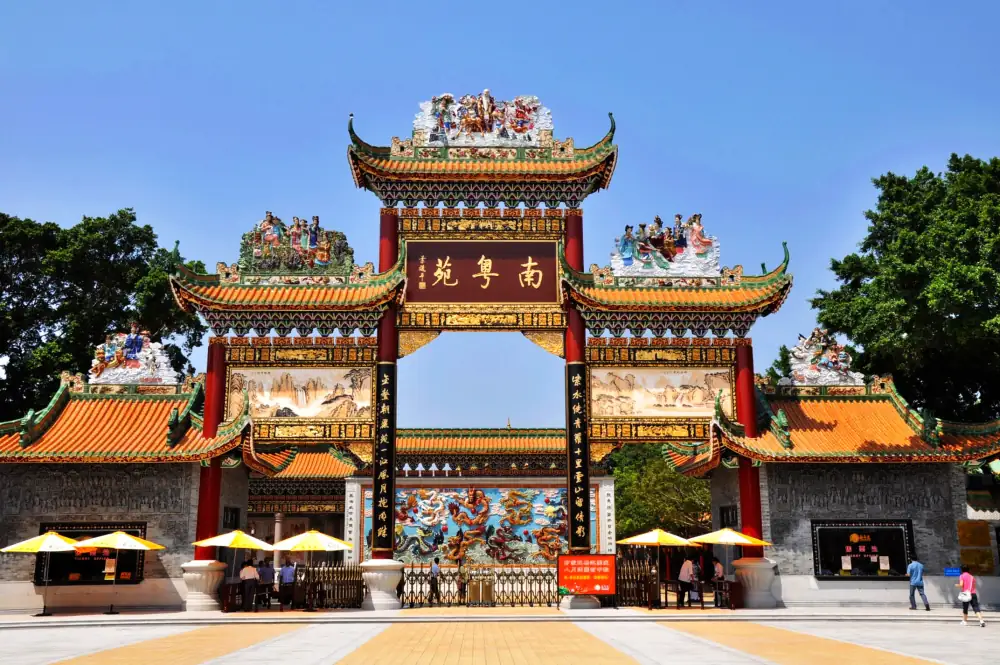
Zhaoqing (肇庆) is the most undervisited of the Guangdong day trip options and arguably the most rewarding for travelers who have already done Shenzhen and Foshan. It has two exceptional sights.
Seven Star Crags National Park (七星岩风景区, ¥140) is a series of seven karst limestone pinnacles rising from a lake landscape — similar to Guilin’s Li River scenery but 400km east and far less visited by foreign tourists. The park is large enough for a full day of walking, boat rides (included in ticket), and photography. The pavilion bridges between the crags over the lake are the most photogenic sections.
Zhaoqing Ancient City Walls (肇庆古城墙, ¥30) date from the Song Dynasty and are among the best-preserved in Guangdong. The 2.8km stretch of walkable wall overlooks both the old city and the Star Lake district. Much quieter than Xi’an’s famous wall but more atmospheric in its older sections.
Plum Monastery (梅庵, free) is a 1,000-year-old Chan (Zen) Buddhist temple — small, authentic, and rarely crowded. The wooden architectural elements are original Tang-Song style, protected as national heritage.
Zhaoqing food specialties: Gaobu dog meat (肇庆狗肉) — a local specialty that divides visitors; Zhaoqing Zongzi (裹蒸粽) — a distinctive variety of sticky rice dumpling larger than typical zongzi, wrapped in lotus leaves, a regional specialty available at any market; Wenchang fish (文昌鱼).
Best for: Travelers who’ve done the main Guangdong circuit and want something different; nature photography; history and architecture.
Conghua: Hot Springs & Mountain Village Escape
Distance/Time: 70km north of Guangzhou. Metro Line 14 (Guangzhou North) + Bus or taxi (total 1.5-2 hours). Alternatively, intercity train to Conghua Station (50 minutes, ¥20-30).
Conghua (从化) is Guangzhou’s weekend escape destination — a forested mountain area with hot spring resorts, hiking trails, and traditional Hakka villages. For city residents it’s a recovery trip; for visitors it fills a gap in the Guangdong tourism circuit.
Hot Springs: The Liuxi River area has numerous hot spring resorts — Bicun Hot Spring (碧村温泉) and Qingyuan Yanbo are well-regarded. Hot spring resort entry ¥100-200 per person (includes pool access). Private pools ¥200-400/hour for couples. The springs are sulfuric and genuinely therapeutic by traditional Chinese medicine standards.
Lvtian Landscape (吕田) in the northern hills offers hiking through forests, rivers, and Hakka earthen houses. The preserved Hakka village of Xiangtang retains its circular enclosure architecture.
Conghua longan orchards: Conghua is famous for its longan (龙眼) fruit production — if visiting in July-August, the roadside stands selling fresh longans for ¥5-10/jin (500g) are one of the simple pleasures.
Best for: Relaxation, couples, families wanting a nature break from Guangzhou’s urban intensity.
Practical Comparison Table
| Destination | Journey Time | Cost (train) | Best For | Full or Half Day |
|---|---|---|---|---|
| Foshan | 40-60 min | ¥6-9 (metro) | Kung fu, ceramics, dim sum | Half day or full |
| Shenzhen | 35-50 min | ¥75-90 (HSR) | Tech, design, shopping | Full day |
| Zhaoqing | 1.5 hours | ¥56-80 | Karst scenery, history | Full day |
| Conghua | 50 min + bus | ¥20-30 | Hot springs, hiking | Half day or overnight |
Practical Information
Booking HSR tickets: Use the 12306 app or website (requires registration with passport number) or train booking platforms like Trip.com which handle foreign payment. Book at least 1-2 days ahead for weekend travel.
Getting around Shenzhen and Foshan: Both cities have metro systems that connect to Guangzhou. The Guangzhou-Foshan Metro is essentially one integrated network — you can travel from downtown Guangzhou to central Foshan without changing operators.
Language: Cantonese is the primary language in all these cities, but Mandarin is universally understood. English is more common in Shenzhen (international business environment) than in Foshan or Zhaoqing.
What Guangzhou day trips are missing: A mountain hiking destination comparable to the trails around Hong Kong or Huizhou. The closest option is Zhuhai (1.5 hours by intercity bus or ferry, though the new Zhuhai Metro HSR from Guangzhou South opened in 2024 cuts this to 35 minutes), which offers the Hengqin resort island and the historic Xiangzhou district.