
Table of contents
Open Table of contents
Conghua Hot Springs: Guangdong’s Original Wellness Escape
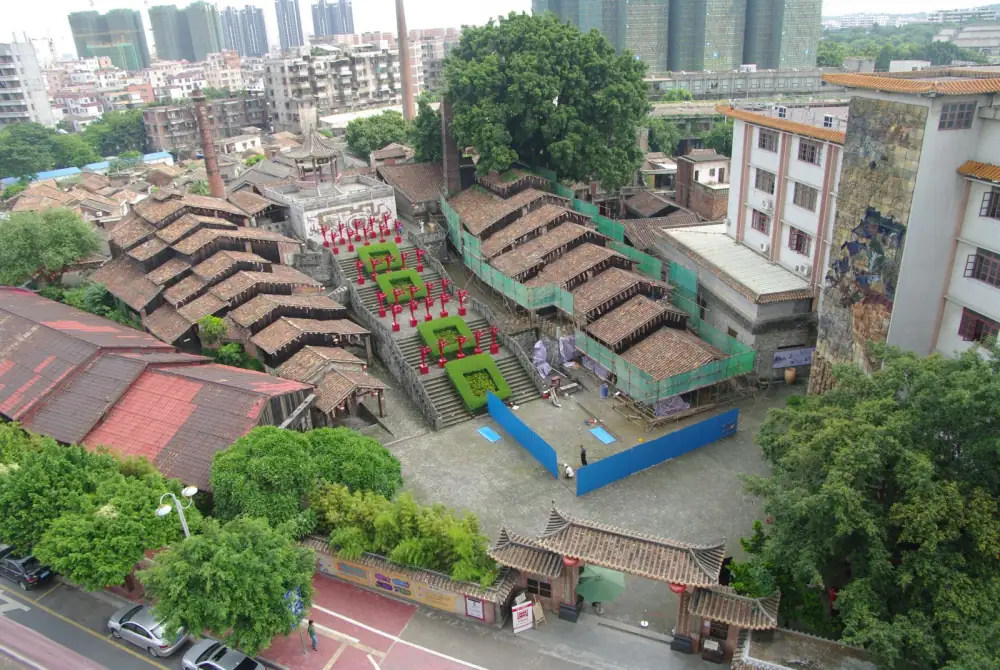
Long before wellness tourism became a global industry, people in Guangdong were making the trip to Conghua. The valley sits about 80km north of Guangzhou city centre in the mountains where the Liu River flows cold and clear through bamboo forest and persimmon orchards. Beneath these mountains, geothermal activity produces hot spring water that emerges at 30–50°C and is high in radon and bicarbonate minerals long credited with therapeutic properties.
Chinese historical records mention Conghua’s springs from the Tang dynasty. They were developed as an imperial retreat during the Qing period. Sun Yat-sen bathed here during his presidency. More recently, the Chinese Olympic team has used Conghua as a training and recovery base — the spring water’s properties are said to aid muscle recovery, and several national sports teams maintain training facilities in the area.
Today Conghua is firmly established as Guangdong’s most popular short-break destination. On weekends, Guangzhou residents flee the city heat and urban stress for a couple of days of soaking, hiking, eating river fish, and doing nothing in particular. It’s exactly what it’s supposed to be.
Types of Hot Springs at Conghua
Not all Conghua springs are identical. The area has several distinct spring sources with different temperatures and mineral compositions.
Sulfate Springs (硫酸盐泉)
The most common type in Conghua, characterised by a slight sulfur smell and silky water texture. Credited with skin-softening and circulation-improving properties. Temperature typically 38–45°C in resort pools.
Radon Springs (氡泉)
The most medically studied type in the region. Radon-containing springs are monitored by the Guangdong Institute of Occupational Health and used in some resorts specifically for therapeutic purposes. Safe in the concentrations found here — the mild radioactivity is well below harmful levels and is considered beneficial in this context by Chinese medical tradition.
Bicarbonate Springs
Slightly effervescent, with a softer mineral character. These spring pools often have a milky appearance due to CO2 dissolved in the water. Considered particularly effective for skin conditions and stress relief.
Best Resorts in Conghua (2026)
Conghua Agile Hot Spring Resort (雅居乐温泉度假酒店)
One of the largest and most established resorts in the area. The outdoor hot spring area covers several acres with over 30 pools of varying temperatures, including a large outdoor mineral pool, private pools available for couple bookings, and a cold plunge area. The hotel facilities are modern 4-star standard.
Prices: Day-use hot spring access ¥198–298 per person. Overnight packages from ¥800–1500 per night including breakfast and spring access. Best for: Families and those wanting comprehensive facilities.
Liuxi River Hot Spring (流溪河温泉)
Set directly on the banks of the Liuxi River with excellent mountain views. The resort emphasises the riverside setting, with several pools positioned to give water views over the river. Less corporate than the larger resorts.
Prices: Day use ¥150–250 per person. Rooms from ¥600–1200 per night. Best for: Couples and those prioritising scenic setting over extensive facilities.
Conghua Hotel (从化宾馆)
The historic retreat built during the Republican period and expanded under the People’s Republic, this was the original government and senior official retreat. Now open to general bookings, it retains an interesting atmosphere and sits within expansive grounds with mature trees and a more classical Chinese garden aesthetic.
Prices: Rooms from ¥400–800 per night with spring access. Day-use packages from ¥120. Best for: History buffs and those who prefer a more understated atmosphere.
Tian Zhao Hot Spring (天泰温泉)
A mid-range option popular with families from Guangzhou. Clean facilities, a good variety of pools, and reasonable pricing. The outdoor area is cheerful if not particularly elegant.
Prices: Day use ¥98–148. Rooms from ¥450–800. Best for: Budget-conscious visitors and families.
Luxury Private Spring Villas (温泉别墅)
Several resorts offer private spring villa packages where the villa itself has a private outdoor hot spring pool. These are highly popular for romantic breaks and honeymoons.
Prices: ¥1800–4000 per night depending on season and villa size. Best for: Couples looking for privacy and romance.
How to Get to Conghua from Guangzhou
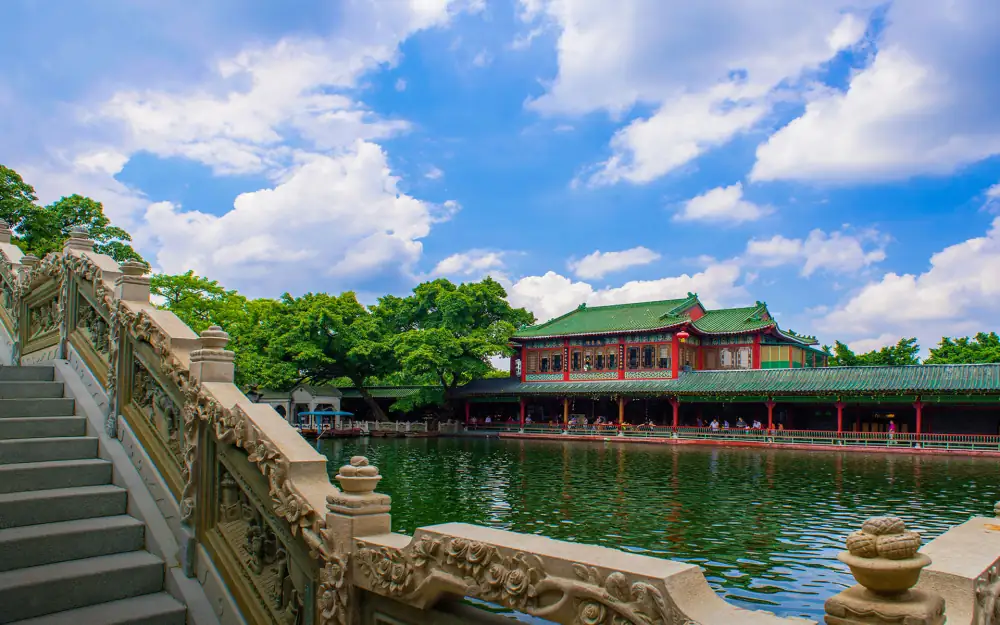
By Metro (Easiest Option)
Guangzhou Metro Line 14 extends to Conghua District, making public transport access genuinely convenient.
- From Guangzhou East Station (广州东站): Take Line 14 north to Conghua. Journey approximately 80–90 minutes. Tickets ¥15–20.
- From Tianhe area: Line 14 originates near Xintang and runs north. Allow 90–100 minutes from central Guangzhou.
From the Conghua area metro stations, taxis or local buses serve the individual resorts. Most resorts are 10–20 minutes from the main metro stops.
By Express Bus
Direct buses from Guangzhou Tianhe Coach Station (天河客运站) to Conghua run regularly from early morning. Journey time approximately 1–1.5 hours depending on traffic. Tickets ¥25–35. Comfortable and convenient for those with luggage.
By Car or Taxi
The drive from central Guangzhou to Conghua takes 1–1.5 hours in normal traffic, longer in Friday evening congestion (as half of Guangzhou tries to do the same thing simultaneously). Didi or pre-booked car is convenient, costing approximately ¥120–180 one-way.
By High-Speed Train (from Further Afield)
Visitors from Shenzhen, Hong Kong, or other cities can take a high-speed train to Guangzhou and then transfer to the Metro Line 14 route.
Best Time to Visit Conghua
Autumn (September–November): Best Overall
After the summer heat and humidity ease in September, Conghua offers ideal weather for both outdoor soaking and hiking. The persimmon orchards around the valley turn orange in October, the mountains take on autumn colours, and the air loses the oppressive humidity of summer.
Winter (December–February): Hot Spring Season
The combination of outdoor hot spring soaking and cool winter air is genuinely perfect. Mist rises from the warm pools as you soak, the surrounding hills are quiet and peaceful, and prices are lower than peak seasons. This is the classic hot spring experience.
Spring (March–May): Wildflower Season
The valley comes alive with wildflowers in March and April. Hiking above the resort areas reveals spectacular spring blooms. Temperatures are pleasant. This is a popular season but slightly less crowded than autumn or winter.
Summer (June–August): Avoid if Possible
Guangdong summers are hot and brutally humid. The hot springs lose their appeal when the outdoor temperature is 35°C. The resort pools remain operational and the river swimming compensates somewhat, but this is the least pleasant time to visit.
Beyond the Springs: What Else to Do in Conghua
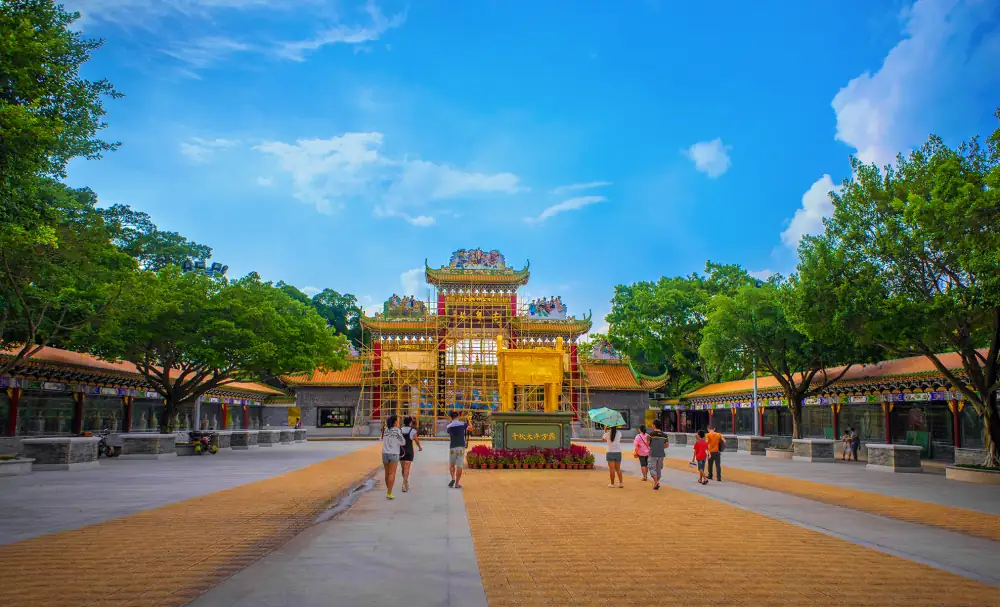
Hiking the Liuxi National Forest Park (流溪河国家森林公园)
This large protected forest area adjoining the resort zone offers well-maintained hiking trails through subtropical mountain forest. The trails are not particularly challenging but the scenery is genuinely beautiful — bamboo groves, granite outcrops, clear mountain streams, and remarkable biodiversity. Trail maps are available at the park entrance. Entry ¥30–50. Allow half a day for a satisfying hike.
Cycling Along the Liuxi River
A cycling path runs along the river through the valley for approximately 15km. Bike rental is available at several points along the route for ¥30–60 per day (electric bikes available for ¥80). The route passes through persimmon orchards, small villages, and farm plots. A gentle, pleasant way to see the valley.
Persimmon Orchard Visits (October–November)
Conghua is famous for its persimmons, and during the October–November harvest season, many orchard owners open their land to visitors for fruit picking. This is a charming autumn activity, particularly with children. Most pick-your-own orchards charge ¥20–30 entry plus the weight of fruit picked.
Local Food in Conghua
The local cuisine leans heavily on the valley’s agricultural produce and the river fish caught in the Liuxi.
Liu Xi River Fish (流溪河鱼): Steamed, braised, or poached river fish are the local speciality. The fish are reared in the clear cold river water and have a clean, delicate flavour. A fresh fish meal in a riverside restaurant typically costs ¥80–150 for a whole fish serving 2–3 people.
Persimmon Products: During autumn, fresh persimmons, dried persimmons (柿饼), and persimmon cake are sold everywhere. The dried persimmons from Conghua are considered among the best in Guangdong.
Tofu Skin (腐皮): Conghua-style fresh tofu skin, made daily by small producers and eaten with spring onion oil or braised pork. Available at traditional restaurants in the town.
Conghua Rice Wine (从化米酒): A gentle, slightly sweet rice wine produced locally. Often served warm and pairs well with the mountain food.
Practical Tips
Booking accommodation: Weekends and Chinese public holidays book out weeks in advance. Book at least 2–3 weeks ahead for autumn and winter weekends. The most popular resort-villas with private pools require even more advance planning.
Towels and swimwear: Most resorts provide towels and basic swimwear (or require you to rent theirs for hygiene reasons). Bring your own if you prefer. Most outdoor pools require wearing swimwear rather than regular clothing.
Hydration: Soaking in hot springs, particularly at high temperatures, dehydrates you quickly. Drink water regularly and take breaks between pools.
Children: Most resorts have dedicated children’s areas with shallow, temperature-controlled pools. Generally very family-friendly.
Package deals: Guangzhou-based travel agencies regularly offer Conghua packages combining transport, hotel, and spring access at rates better than booking individually. Worth checking platforms like Ctrip (Trip.com) and Meituan for deals.