
Xi’an (西安) tends to be positioned as a history destination — the Terracotta Warriors, the city wall, the Muslim Quarter. That framing misses what’s genuinely interesting about the city in 2026: a young, culturally engaged population (five major universities, 1.2 million students), a food scene combining 3,000 years of Shaanxi culinary tradition with contemporary creativity, and urban spaces that blend Tang dynasty historical consciousness with contemporary Chinese youth culture.
Yongxingfang (永兴坊)
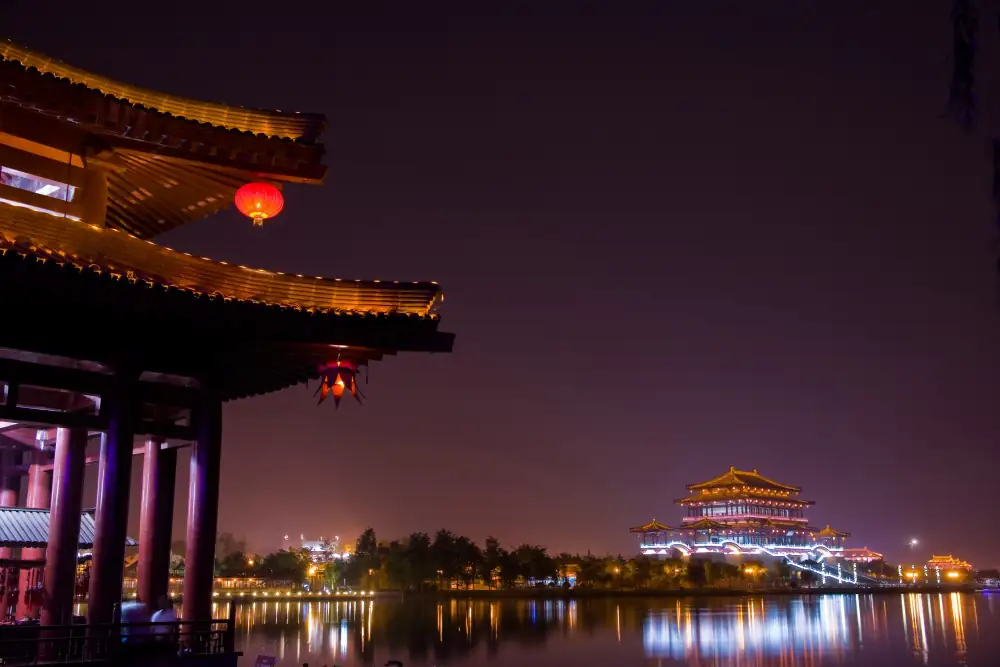
Yongxingfang is a 2018 development converting a block within the old city into a curated collection of Shaanxi regional food stalls and artisan shops. Unlike the tourist-oriented Muslim Quarter, Yongxingfang focuses on rural Shaanxi cuisine — food from the mountain counties and river valleys that rarely appears in city restaurants.
The rotating ceramic bowl tradition: Visitors are offered free shots of “Laojiu” grain spirit in large ceramic bowls, with the challenge to drink and smash the bowl. Theatrical but popular.
Food highlights from the stalls:
- Biangbiang noodles from Qin Xiang: The wide belt noodle in various sauce styles — the stall produces them fresh
- Roujiamo variants: Beyond the standard pork version, stalls offer Shaanxi lamb, mushroom and tofu vegetarian, and spiced venison versions
- Ganmian (干拌面): Dry-tossed noodles with house-made chilli oil and peanut sauce
- Mianpi (面皮): Cool wheat-starch noodles with vinegar and chilli — a distinctly Xi’an summer food
Tang West Market (大唐西市)
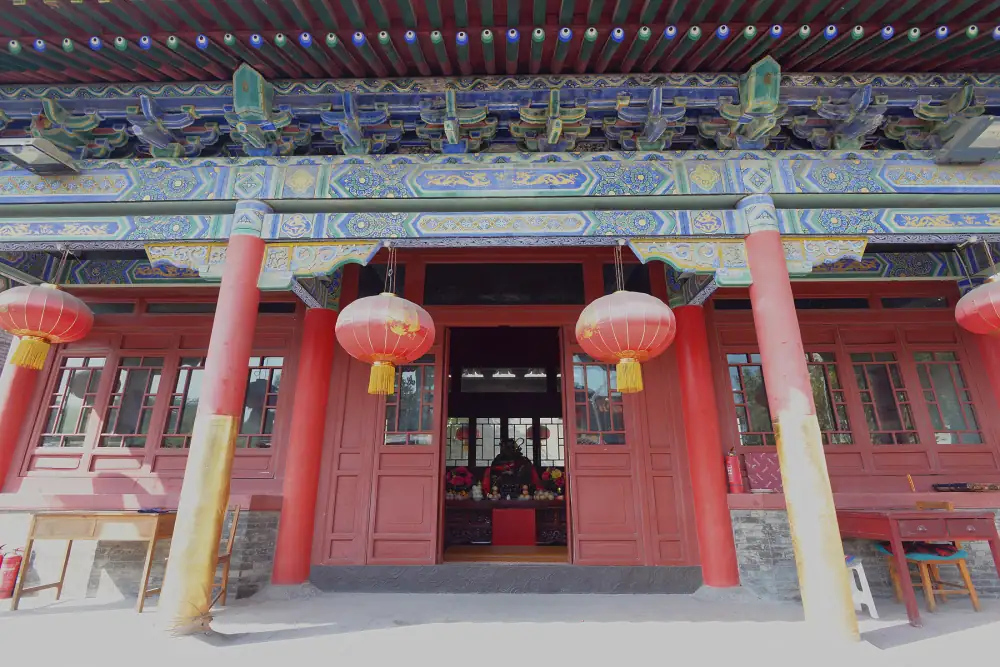
The Tang West Market occupies the site of the original Tang dynasty Western Market (西市) — one of the two major trading marketplaces of Tang Chang’an (as Xi’an was named) that connected the city to the Silk Road. The archaeological remains of the original market are preserved beneath the current building.
The market complex now combines a museum (显示Tang dynasty market archaeology), upscale retail, and performance spaces. The evening light show and fountain complex recreate Tang dynasty market atmosphere with contemporary technology.
University District (高校圈)
Xi’an’s university district in the south of the city — clustered around Xi’an Jiaotong University, Northwestern Polytechnical University, and others — has the highest density of independent cafes, bookshops, and late-night food stalls in the city.
The student food economy: ¥15–25 buys an excellent meal in the university area. The night market culture (夜市) here is more genuine than the tourist-facing night markets — the customers are students, not tourists.
Wenyi Road (文艺路): The main commercial strip through the university district. Boutique coffee shops, used bookshops, vinyl record stores, independent art galleries, and street food vendors in a genuinely local context.
Gaoxin High-Tech Zone (高新区)
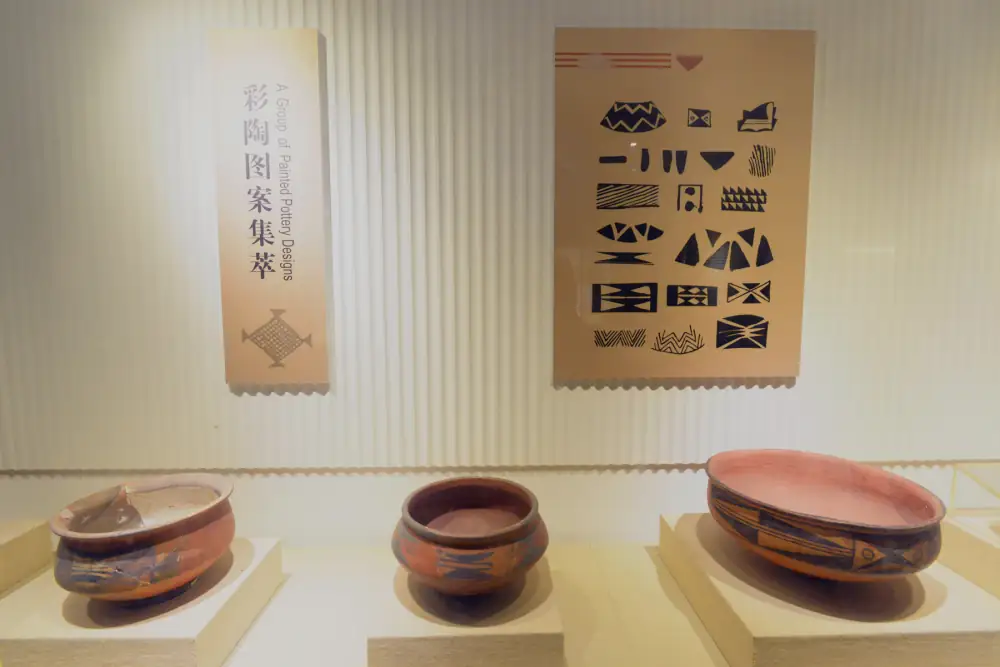
Xi’an’s technology and business district has a nightlife and restaurant scene oriented toward the city’s young professional population. Less photogenic than the old city but more representative of contemporary Chinese urban life.
The best contemporary Shaanxi restaurant strip: Several restaurants in the Gaoxin area have elevated traditional Shaanxi cuisine to a fine dining level — traditional ingredients (Qin chilli, Zhangjiakou lamb, Guanzhong wheat) treated with modern cooking technique.
Xi’an Music Scene
Xi’an has one of China’s strongest live music scenes outside of Beijing and Shanghai — primarily in the rock and folk music tradition. Several venues operate in the old city and university district. Check “西安活动” WeChat groups for current events.
The Qin Opera (秦腔) — Xi’an’s own operatic tradition, described as the “original opera” from which all Chinese opera forms developed — is performed nightly at the Yisucheng Theatre near the Bell Tower.
Also see: Xi’an Terracotta Warriors Guide | Xi’an Muslim Street (Muslim Quarter) Guide | Xi’an 7-Day Itinerary