
Table of contents
Open Table of contents
Taizhou — Zhejiang’s Best-Kept Secret
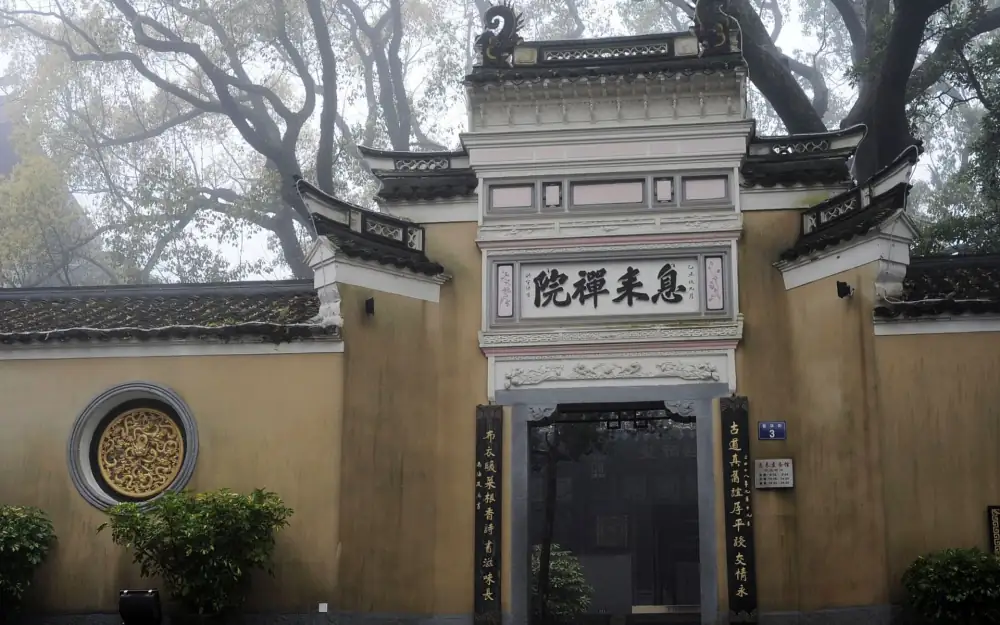
Zhejiang province gets a lot of tourist attention, but almost all of it goes to Hangzhou, the water towns, and Putuoshan. Taizhou (台州), sprawling along the coast between Ningbo and Wenzhou, barely registers on most itineraries. This is a shame, because Taizhou has some of the most dramatic scenery in the province — the Shenxianju rock formations are genuinely awe-inspiring, the coastal islands are uncrowded and beautiful, and the city of Linhai has a section of the Great Wall that predates Beijing’s by centuries.
I came to Taizhou on a whim, filling a gap in a Zhejiang road trip, and ended up staying four days. The combination of mountain grandeur, coastal beauty, and the absence of tourist hordes makes it one of the most satisfying destinations I’ve found in eastern China. If you’ve already done Hangzhou and want to see a different side of Zhejiang, Taizhou is your answer.
Shenxianju Scenic Area (神仙居)
The Fairy Dwelling
Shenxianju translates as “Home of the Immortals,” and the name is apt. This is a landscape of massive sandstone pillars, deep gorges, and soaring cliffs that looks like it was designed for a Chinese ink painting. The rock formations — weathered into impossible shapes over millions of years — tower above misty valleys, and the network of cliffside walkways and bridges provides access to viewpoints that seem to hang in mid-air.
The scenic area has been developed with impressive infrastructure: cable cars, glass-bottomed bridges, and cliffside walkways that make the more dramatic viewpoints accessible to non-climbers. Purists might bemoan the development, but it does mean that you can experience genuinely spectacular geology without technical climbing skills.
Key Attractions Within the Park
Nan Tian (South Heaven) Glass Bridge: A 120-metre-long glass-bottomed bridge spanning a 100-metre-deep gorge. It’s terrifying if you’re afraid of heights and exhilarating if you’re not. The views down into the valley are extraordinary. Walking across, you can see the full depth of the gorge beneath your feet.
Xileng Mountain Walkway: A cliffside boardwalk carved into the rock face, with sections that curve around massive stone pillars. The engineering is impressive — in places, the walkway is supported by nothing more than steel bolts drilled into the rock.
Guanyin Peak: A 200-metre-tall stone pillar that resembles the Buddhist goddess Guanyin standing with hands pressed together. It’s the park’s most iconic formation and looks particularly mystical when wreathed in cloud.
Rulai Peak: Another massive stone column, this one resembling Buddha with his hands resting on his knees. At sunset, the warm light turns the rock face golden.
Hiking Options
Easy route (2-3 hours): Take the north cable car up, walk the upper plateau circuit including the glass bridge, and take the south cable car down. The upper plateau is relatively flat and well-paved.
Moderate route (4-5 hours): Hike up from the south entrance through the gorge, then traverse the upper plateau before descending by cable car. The gorge walk is beautiful but involves significant stairs.
Full day route (6-7 hours): Enter from the north, hike the full upper circuit including both the Nan Tian and Bei Tian (North Heaven) glass bridges, and descend on foot through the south gorge. The most rewarding option if you have the energy.
Entrance fee: ¥125 ($17 USD). Cable car ¥65 ($9 USD) each way. Glass bridge included in entrance fee. Open 7:30 AM — 5:00 PM.
Tip: Go on a cloudy or misty day — the rock formations are actually more atmospheric when partially obscured by cloud. Clear days can make the landscape feel a bit stark.
Linhai — The Ancient Great Wall
Jiangnan Great Wall (江南长城)
Linhai (临海) is a county-level city under Taizhou’s administration, and its star attraction is a section of the Great Wall that most foreigners — and many Chinese — don’t know exists. The Jiangnan Great Wall (江南长城) was built during the Jin Dynasty (265-420 AD) and expanded in the Ming Dynasty, predating the more famous Badaling section by centuries.
The wall stretches 6 km along ridges above the old town, with watchtowers, gateways, and commanding views over the Ling River and the city below. Unlike the northern Great Wall, which was built to keep out nomadic armies, this southern wall was designed for flood control as much as defence — the wall incorporates sophisticated water management systems that still function today.
The best walk: Start at the East Gate (揽胜门) and walk the full length to the West Gate. Allow 2-3 hours. The path is well-maintained with plenty of rest stops. The section between the second and fourth watchtowers offers the best views.
Entrance fee: ¥65 ($9 USD). Open 7:00 AM — 5:30 PM.
Linhai Old Town
Below the wall, Linhai’s old town is a charming maze of lanes, traditional houses, and small temples. The Ziyang Old Street (紫阳古街) is the main thoroughfare — about 1 km of traditional shopfronts, tea houses, and food stalls. It’s touristy but retains genuine charm, especially in the early morning before the shops open.
Must-eat on Ziyang Street:
- Maiyou Sui (麦油碎): A Linhai speciality — thin crepes filled with various ingredients, rolled up and eaten by hand. ¥5-10 ($0.70-1.40 USD) each.
- Haitang Cake (海棠糕): Sweet, caramelised cakes baked in special moulds. ¥3-5 ($0.40-0.70 USD) each.
- Qingtuan (青团): Glutinous rice dumplings dyed green with mugwort, filled with sweet or savoury fillings. ¥5-8 ($0.70-1.10 USD) each.
Coastal Islands
Dachen Island (大陈岛)
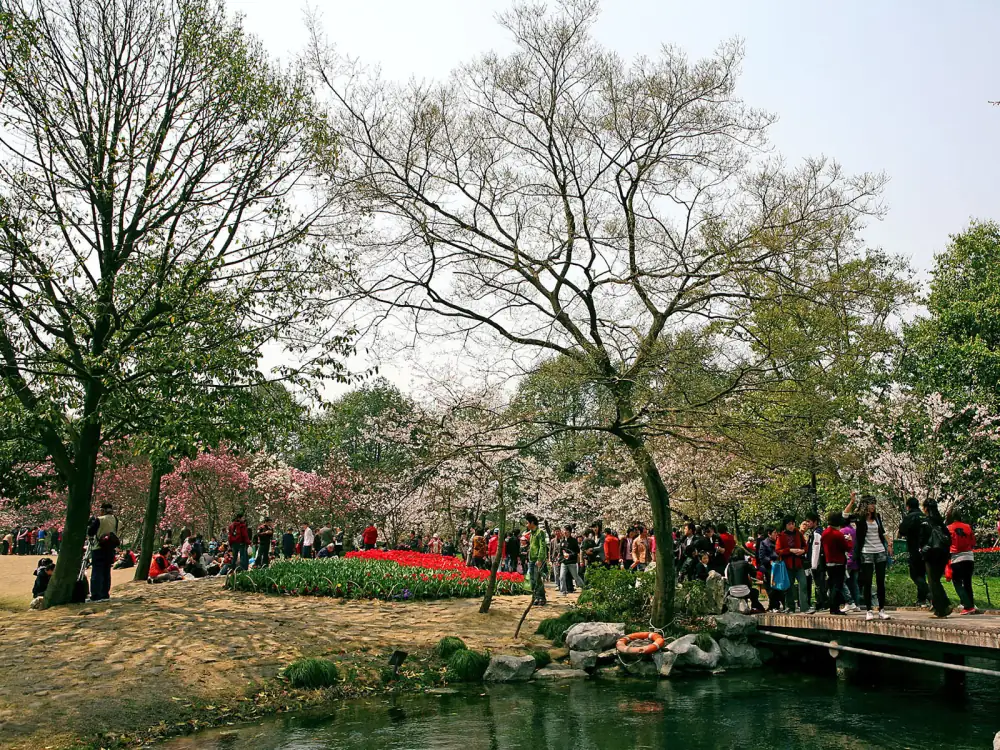
About 50 km offshore from Taizhou, Dachen Island is the largest in a small archipelago that offers a genuine island escape without the crowds of Zhoushan or the expense of Putuoshan. The island has two sections — Shangdachen (Upper Dachen) and Xiadachen (Lower Dachen) — connected by a causeway.
What you’ll find: Rocky coastlines, a lighthouse, fishing villages, a beach with reasonably clear water, and some of the freshest seafood you’ll ever eat. The pace of life is gloriously slow — island time in the truest sense.
Getting there: Ferries depart from Taizhou Jiaojiang Port. The journey takes about 2 hours. Tickets ¥120 ($17 USD) one way. Ferries run daily in summer, less frequently in winter.
Accommodation: Island guesthouses from ¥100-200 ($14-28 USD) per night. Meals at guesthouses are typically seafood-focused and excellent value.
Dongji Island (东极岛)
Actually closer to Zhoushan than Taizhou, but reachable from Taizhou by boat, Dongji Island gained fame as the filming location for the Chinese film “The Continent” (后会无期). It’s the easternmost inhabited island in China and offers dramatic cliffs, blue-water bays, and the first sunrise in China each morning.
Getting there: Ferry from Shenjiamen (Zhoushan), about 2 hours. Book ahead in summer — the island’s limited accommodation fills up fast.
Taizhou Cuisine
Local Specialities
Taizhou cuisine is a branch of Zhejiang cooking that emphasises seafood, freshness, and a light hand with seasoning:
Jiaojiang Seafood (椒江海鲜): The Jiaojiang district is Taizhou’s seafood hub. The night market along the waterfront has dozens of stalls selling everything from steamed scallops to stir-fried clams. Meals ¥30-60 ($4.20-8.30 USD) per person.
Wenling Seafood Noodles (温岭海鲜面): A bowl of noodles loaded with shrimp, clams, and fish in a clear broth. The quintessential Taizhou comfort food. ¥15-25 ($2.10-3.50 USD).
Linhai Wheat Cake (临海麦饼): Flatbread stuffed with meat and vegetables, pan-fried until crispy. ¥5-10 ($0.70-1.40 USD).
Sanmen Crab (三门青蟹): Sanmen County near Taizhou produces some of China’s finest swimming crabs — meaty, sweet, and available year-round. A medium crab costs ¥60-100 ($8.30-14 USD).
Tiantai Vegetarian Cuisine: The Tiantai Mountain area is a centre of Buddhist vegetarian cooking. The temple restaurants here produce extraordinary meat-free dishes that rival anything in their carnivorous counterparts. Temple meal ¥30-50 ($4.20-7 USD).
Practical Information
Getting to Taizhou
By High-Speed Train: Taizhou Station (台州站) on the Ningbo-Taizhou-Wenzhou line. From Hangzhou: 2 hours, ¥110-180 ($15-25 USD). From Ningbo: 1 hour, ¥40-65 ($5.50-9 USD). From Shanghai: 3 hours, ¥180-280 ($25-39 USD).
By Air: Taizhou Luqiao Airport (HYN) has flights from Beijing, Shanghai, Guangzhou, Shenzhen, and Chengdu.
By Bus: Frequent services from Hangzhou (3.5 hours, ¥100/$14 USD), Ningbo (2 hours, ¥60/$8.30 USD), and Wenzhou (2 hours, ¥55/$7.60 USD).
Getting Around
Taizhou is spread across a large area. The various districts (Jiaojiang, Huangyan, Luqiao) and satellite cities (Linhai, Wenling) are 20-40 km apart. Public buses connect them, but a rental car or hired driver is much more convenient for visiting the scenic areas. Car rental from ¥200 ($28 USD) per day.
Accommodation
Taizhou City: Taizhou Marriott Hotel — doubles from ¥400-700 ($55-97 USD). Good central location.
Linhai: Linhai Hotel — doubles from ¥200-350 ($28-48 USD). Walking distance to the Great Wall and old town.
Shenxianju Area: Xianju County hotels from ¥150-300 ($21-42 USD). Several boutique options in Xianju town.
Best Time to Visit
- Spring (March — May): Wildflowers on the mountains, pleasant temperatures. Shenxianju is particularly beautiful with spring cloud formations.
- Autumn (October — November): The best weather — clear, cool, and comfortable for hiking.
- Summer (June — September): Hot and humid, but the islands are at their best. Typhoons possible July-September.
- Winter (December — February): Cold but quiet. The islands are windy and ferries can be cancelled.
Budget Estimate (3 Days)
| Item | Budget (¥) | Mid-Range (¥) |
|---|---|---|
| High-speed train from Hangzhou (round trip) | 220 | 360 |
| Accommodation (2 nights) | 240 | 600 |
| Meals | 240 | 500 |
| Shenxianju entrance + cable car | 190 | 190 |
| Linhai Great Wall | 65 | 65 |
| Local transport | 100 | 400 (rental car) |
| Total | ¥1,055 ($146 USD) | ¥2,115 ($293 USD) |
The Hidden Side of Zhejiang
Taizhou isn’t going to replace Hangzhou on anyone’s must-visit list, and that’s precisely its appeal. In a province where the famous destinations can feel overrun, Taizhou offers space, authenticity, and scenery that punches well above its weight class. Shenxianju alone justifies the journey, and when you add the Linhai Great Wall, the coastal islands, and some of the best seafood in Zhejiang, you have a destination that rewards the traveller willing to look beyond the obvious.