
Table of contents
Open Table of contents
Top Attractions in Ningbo

Tianyi Library (天一阁)
The oldest surviving private library in Asia — possibly in the world — Tianyi Library was built in 1561 by Fan Qin, a Ming Dynasty official who devoted his retirement to assembling and preserving rare books. The library complex sits within a beautiful classical garden in central Ningbo; the main building used specific architectural innovations to protect the collection from fire, including positioning the library over water.
The original collection totalled 70,000 volumes; floods, theft and the chaos of the 20th century reduced this to around 80,000 items today, supplemented by subsequent donations. The reading room displays are fascinating, and the garden complex — with pavilions, rock gardens and a small lake — is one of the finest classical gardens in Zhejiang.
Tickets: ¥30 ($4). Open daily 09:00–17:15 (closed Tuesdays). Allow 2 hours.
Ningbo Bund (宁波老外滩)
Ningbo’s old foreign concession area along the Yongjiang River predates Shanghai’s Bund by several decades (the first foreign consulates were established here in the 1840s). The Ningbo Bund strip is shorter and more intimate than Shanghai’s — about 600 metres of preserved Baroque and Renaissance-style buildings now converted to restaurants, bars and boutique hotels.
The area is beautiful in the evening when the buildings are lit and restaurants are full. It’s relaxed, unhurried and distinctly more liveable than its Shanghai equivalent. Wander north from the Bund into the old missionary district to find Sanjiangkou — the junction of three rivers — which is a classic Ningbo viewpoint.
Best time: Evening and weekends for the atmosphere; mornings for photography without crowds.
Chenghuang Temple Historic District (城隍庙历史街区)
The area around the City God Temple is Ningbo’s most atmospheric old quarter: narrow alleys, traditional shop fronts selling dried seafood and local snacks, a functioning temple dating to the Tang Dynasty and the associated market that has operated here for centuries. This is where Ningbo residents actually shop for festival goods and where the city’s street food culture is most concentrated.
Look for cicheng glutinous rice cakes (慈城年糕), dried fish, crispy eel and the local specialty tang yuan (glutinous rice balls in soup). Street food prices are very low; expect to spend ¥15–¥30 ($2–$4) for a satisfying snack lunch.
Baoguo Temple (保国寺)
Located in the hills 15 km north of the city, Baoguo Temple is arguably Ningbo’s most important historical monument: a wooden hall dating to 1013 AD that is one of the oldest surviving timber-frame buildings south of the Yangtze. The engineering is remarkable — the ancient columns, brackets and beams have withstood a millennium of humidity and earthquakes without a single nail.
Tickets: ¥30 ($4). Bus #332 from Ningbo city centre. Allow half a day including travel.
Ayuwang Temple (阿育王寺)
About 16 km east of the city centre, this Buddhist temple claims to house a relic of Shakyamuni Buddha — one of only 84,000 relics distributed globally according to the legend of the Indian King Ashoka (Ayuwang in Chinese). Whether you approach this devotionally or historically, the temple complex is active, beautiful and far less touristic than its significance deserves.
This is a genuine pilgrimage destination for Chinese Buddhists; visit respectfully and outside of major Buddhist holidays if you prefer a less crowded experience.
Day Trips from Ningbo
Putuo Mountain (普陀山)
The sacred Buddhist island — dedicated to Guanyin, the Goddess of Mercy — is accessible by ferry from Ningbo (or from the Shenjiamen ferry terminal in nearby Zhoushan). The island has several major temple complexes, meditation caves and coastal walking paths through forested hills.
Ferry from Ningbo: About 2.5 hours; tickets ¥75–¥120 ($10–$17) one way. The island admission fee is ¥160 ($22).
Zhoushan Archipelago
The Zhoushan archipelago is China’s largest group of offshore islands and the source of much of Ningbo’s famous seafood. Day trips to Dongji Island (东极岛) or Shenjiamen fishing port are popular with both Chinese and international visitors. Shenjiamen is one of the largest fish markets in Asia and its midnight auction is worth setting an alarm for.
Ferry from Ningbo to Zhoushan: 1.5 hours; ¥50–¥80 ($7–$11).
Ningbo Seafood: A Serious Subject
Ningbo is part of the East China Sea fishing basin, and its seafood culture is deeply serious. The local cuisine philosophy — summarised as 鲜咸合一 (fresh, salty, unified) — applies primarily to raw or minimally cooked seafood that would be marinated in salt, wine or vinegar rather than fried or braised.
Must-try dishes:
- Raw yellow croaker (腌呛黄鱼): Marinated in salt and Shaoxing wine; served cold, cut in slices. Extraordinary.
- Steamed red crab (红膏蟹): The roe-filled crabs from the Zhoushan area, best October–December.
- Shrimp and roe noodles (虾子面): Thin noodles tossed with dried shrimp roe — a Ningbo breakfast staple.
- Dry-braised eel (红烧鳗鱼): A Ningbo classic; sweet, caramelised, falling off the bone.
- Preserved vegetables (雪菜): Used as a flavouring in countless dishes; distinctive tangy-salty taste.
Where to eat: The fishing village of Chunxiao (春晓) about 20 km south of the city has excellent seafood restaurants overlooking the water; dinner for two ¥150–¥250 ($21–$35). In the city, the area around Tianzifang Road has clustered good seafood restaurants.
Getting to Ningbo
From Shanghai
High-speed rail: Shanghai Hongqiao to Ningbo takes 1h45m–2h; tickets ¥105–¥175 ($15–$24). This is the most convenient option.
Sleeper ferry: The overnight ferry from Wusongkou terminal in Shanghai to Ningbo is a relaxed option if you have the time; 8–10 hours, from ¥150 ($21) for a shared cabin.
From Hangzhou
High-speed rail: Hangzhou East to Ningbo takes 1 hour; tickets ¥70–¥120 ($10–$17). Frequent services.
From Wenzhou
High-speed rail: 1.5 hours; tickets ¥90–¥150 ($13–$21).
By Air
Ningbo Lishe International Airport (NGB) has direct flights from Beijing, Guangzhou, Shenzhen, Chengdu and many regional cities. International connections via Shanghai or Hangzhou. Budget carriers (Spring Airlines, Juneyao Air) often offer very competitive prices from south China.
Getting Around Ningbo
Ningbo’s city centre is compact and well-served by an expanding metro network.
Metro: 7 lines operating in 2026. Line 1 connects the railway station to the city centre and Ningbo Bund area. Single journey tickets ¥2–¥5 ($0.3–$0.7). The metro app (or Alipay) handles ticketing.
DiDi: Reliable throughout the city; most drivers accept the app without language issues.
Bicycles: City-wide shared bicycle scheme (Hellobike and Meituan Bike); ¥1.5/30 minutes.
Where to Stay
Budget (¥150–¥280 / $21–$39): Hostels and guesthouses concentrated near the train station and in the Tianyi Square area. The Ningbo Youth International Hostel near Tianyi Library offers dorms from ¥60/night.
Mid-range (¥350–¥600 / $49–$84): The Bund International Hotel on the Bund strip is a solid option; excellent location, comfortable rooms.
Upscale (¥800–¥1,500+ / $112–$210+): InterContinental Ningbo, Marriott Ningbo, and the boutique Harbor View Hotel on the waterfront are the top choices.
Best Time to Visit
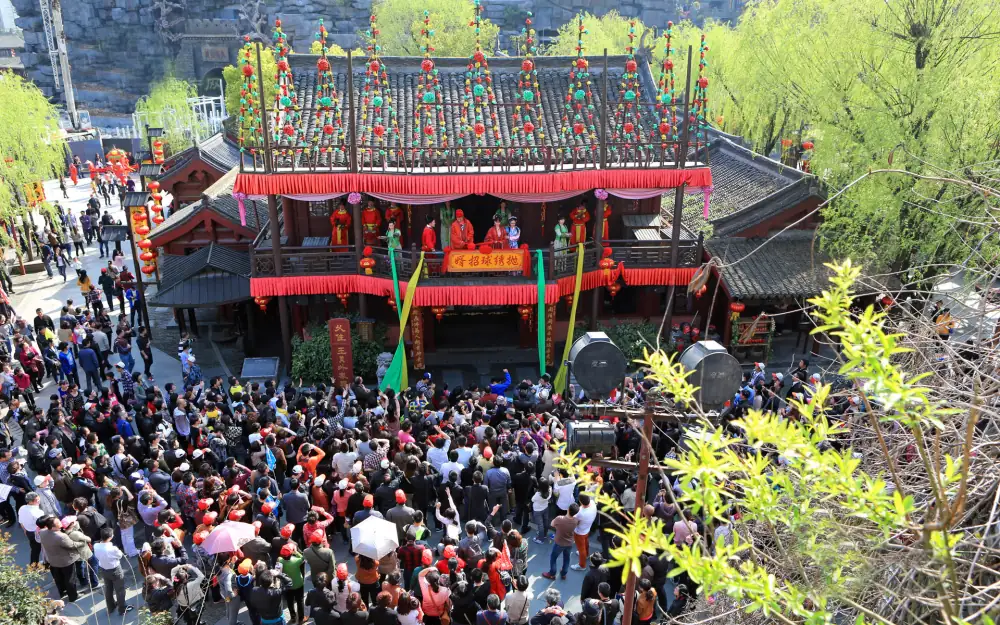
Spring (March–May): The most pleasant season — warm without being hot, cherry blossoms and peach blossoms in the gardens, fresh crab season beginning.
Autumn (September–November): Equally good. The hairy crab season (October–November) is Ningbo’s culinary peak; this is when serious seafood lovers plan their visit.
Summer (June–August): Hot and humid; typhoon risk in July–August. Island ferries can be cancelled during typhoon warnings. The sea is warm for swimming on the offshore islands.
Winter (December–February): Cool and dry. Yellow croaker season peaks in winter. Fewer tourists; some outdoor restaurants close.
Practical Tips
- Cash vs digital: Ningbo is almost fully digital payment integrated. Alipay and WeChat Pay accepted everywhere. Keep some small cash for traditional markets and temple donation boxes.
- English: Limited in most places except major hotels. Google Translate or DeepL works well for menus and signs.
- Day trip logistics: Putuo Mountain and the Zhoushan islands require checking ferry schedules in advance — weather disruptions are common and services can sell out on weekends.
- Shopping: Ningbo is famous for its supply of quality clothing (many major international fashion brands are actually manufactured in Ningbo). Factory outlet shopping malls are popular with Chinese visitors.
Final Thoughts
Ningbo rewards the visitor who looks beyond the obvious. It’s not a city that sells itself aggressively to tourists — which is actually part of its charm. The seafood is exceptional, the historical sites are genuine and understated, and the access to offshore islands and Buddhist mountains gives it a range that many Chinese cities can’t match.
Give it two nights minimum; three if you want to add a Putuo Mountain overnight.