
For centuries, China’s intellectual heart beat not in its capitals alone, but in a network of smaller cities that nurtured generations of scholars, poets, and statesmen. These were the places where the imperial examination system — the keju — produced the empire’s finest minds, where private academies thrived, and where a culture of learning permeated everyday life. Today, cities like Ji’an (吉安) in Jiangxi and Rui’an (瑞安) in Zhejiang offer travelers a chance to walk in the footsteps of literary giants, explore ancient libraries, and experience a living heritage that shaped Chinese civilization. This guide takes you to China’s most remarkable scholarly cities, revealing their history, culture, and practical travel tips.
Table of contents
Open Table of contents
Ji’an: The Cradle of Scholars
Ji’an, historically known as Luling (庐陵) and Jizhou (吉州), is a small city in Jiangxi Province that produced over 3,000 jinshi (successful candidates in the imperial exams) during the 1,300-year history of the keju system. Among them were 17 zhuangyuan (top scorers), as well as literary icons like Ouyang Xiu (欧阳修), Yang Wanli (杨万里), and Wen Tianxiang (文天祥). The city’s scholarly output peaked in the Ming dynasty, when the top three spots in the national exam were twice swept by candidates from Ji’an alone.
Top Sights in Ji’an
- Bailuzhou Academy (白鹭洲书院, Báilùzhōu Shūyuàn): Founded in the Southern Song dynasty, this academy on an island in the Gan River was the alma mater of Wen Tianxiang. It’s a serene place to imagine the rigorous life of a Confucian scholar.
- Yangming Academy (阳明书院, Yángmíng Shūyuàn): Dedicated to the philosopher Wang Yangming, this academy reflects the fusion of Neo-Confucianism and practical statecraft that flourished in Ji’an.
- Meibei Ancient Village (渼陂古村, Měibēi Gǔcūn): A well-preserved village with ancestral halls, hanlin (imperial academy) plaques, and traditional architecture that tells the story of a family’s scholarly success.
- Jizhou Kiln Museum (吉州窑博物馆, Jízhōu Yáo Bówùguǎn): Ji’an was also a ceramics powerhouse. The Jizhou kiln produced distinctive black-glazed wares with leaf and tortoiseshell patterns, predating Jingdezhen’s rise.
- Qingyuan Mountain (青原山, Qīngyuán Shān): A scenic area with temples and hiking trails, praised by Wen Tianxiang and Huang Tingjian for its beauty.
Suggested Itinerary
Day 1: Arrive in Ji’an. Visit Bailuzhou Academy in the morning, then explore the old town and sample local snacks like Ji’an fried noodles (吉安炒粉) and Xie Jin tofu pudding (解缙豆花). Day 2: Head to Meibei Ancient Village in the morning. After lunch, visit the Jizhou Kiln Museum and try your hand at pottery. Day 3: Hike Qingyuan Mountain or take a day trip to Wugong Mountain (武功山) for stunning views. Return to Ji’an for a farewell dinner of Yongfeng fermented fish (永丰霉鱼) and Anfu ham (安福火腿).
Getting There & Around
- By air: Ji’an Jinggangshan Airport (JGS) has flights from Beijing, Shanghai, and Shenzhen.
- By train: Ji’an Railway Station is on the Beijing–Kowloon high-speed rail line. From Nanchang, the journey takes about 1.5 hours.
- Local transport: Buses and taxis are available. For villages and academies, consider hiring a driver for the day.
Best Time to Visit
Spring (March–May) and autumn (September–November) offer mild weather and clear skies. Summer can be hot and humid, but it’s also the season for local fruits like water chestnuts.
Rui’an: Where Commerce Meets Scholarship
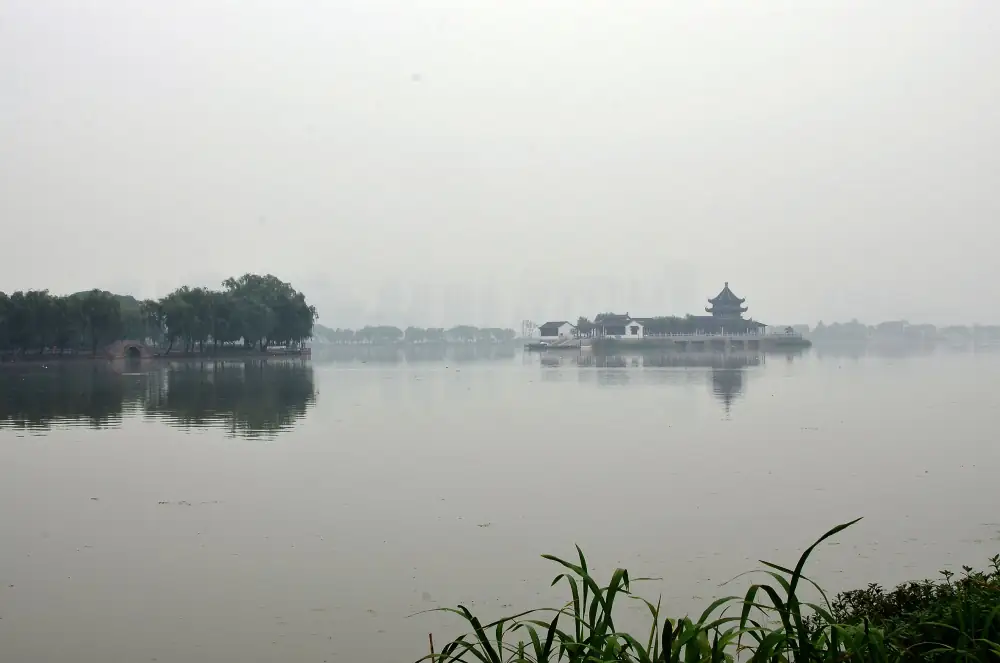
Rui’an, a county-level city under Wenzhou in Zhejiang, is famous today as a manufacturing hub for auto parts and shoes. But its cultural pedigree is equally impressive. This is the home of the Yuhai Library (玉海楼, Yùhǎi Lóu), one of the four great private libraries of Zhejiang, where the scholar Sun Yirang (孙诒让) first deciphered oracle bone script in 1904 — a breakthrough that confirmed the Shang dynasty as a historical period and pushed back China’s written history by a millennium.
Top Sights in Rui’an
- Yuhai Library (玉海楼): Built by Sun Yirang’s father, this library houses over 80,000 volumes. It’s a quiet, scholarly space where you can see original oracle bone rubbings and learn about Sun’s work.
- Caocun Town (曹村镇): Known as the “No. 1 Village of Jinshi in China,” this town produced 82 jinshi in just 200 years. Visit the ancestral halls and the Confucian temple.
- Zhaliao Stream (寨寮溪): A scenic area in the southern foothills of the Yandang Mountains, perfect for hiking and escaping the summer heat.
- Beiji Island (北麂岛): A remote island with pristine beaches and seafood. Ferries run from Rui’an port.
- Feiyun River (飞云江): The main waterway of Rui’an, lined with ancient docks and modern factories. A boat tour offers a glimpse of the city’s dual identity.
Suggested Itinerary
Day 1: Explore the old town. Start at Yuhai Library, then walk to the nearby Confucian Temple. Try a bowl of pig offal noodles (猪脏粉) for lunch. In the afternoon, visit a local factory to see how auto parts are made (some offer tours). Day 2: Take a bus to Caocun Town and spend the morning exploring its scholarly heritage. After lunch, hike in Zhaliao Stream or visit a tea plantation. Day 3: Take a ferry to Beiji Island. Enjoy seafood, hike the coastal trails, and watch the sunset. Return to Rui’an in the evening.
Getting There & Around
- By air: Wenzhou Longwan International Airport (WNZ) is about 40 km from Rui’an. Take the airport bus or a taxi.
- By train: Rui’an Railway Station is on the Ningbo–Taizhou–Wenzhou high-speed line. From Shanghai, the trip takes about 3 hours.
- Local transport: Buses and taxis are cheap. For Caocun and Zhaliao, consider renting a car or hiring a driver.
Best Time to Visit
Late spring (May–June) is ideal for lychee and bayberry (杨梅) season. Autumn (September–November) offers pleasant weather for island trips. Summer is hot but great for beach activities.
The Spirit of the Scholarly City
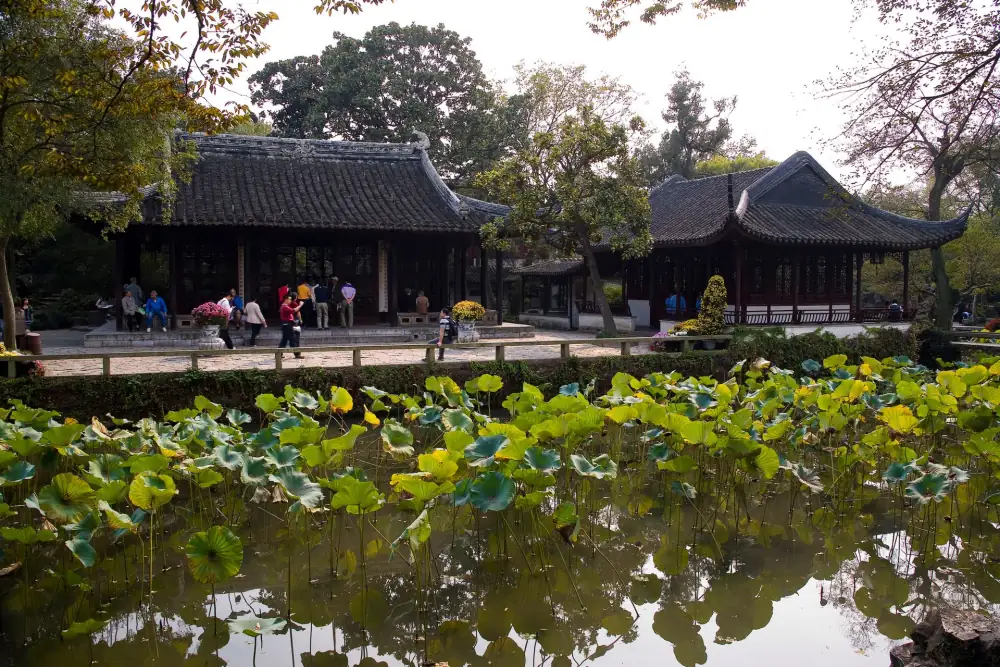
What made these cities so fertile for learning? In Ji’an, it was the wealth of the Ji’an Basin (吉泰盆地), irrigated by the Gan River and its tributaries. Agriculture provided a stable foundation, while the Grand Canal and the Meiguan Road connected the region to the rest of China. In Rui’an, it was the combination of coastal trade and a tradition of “practical learning” (经世致用) from the Yongjia School of Confucianism. Both cities shared a culture of “farming and reading” (耕读), where families invested in education as a path to officialdom and moral cultivation.
Where to Stay
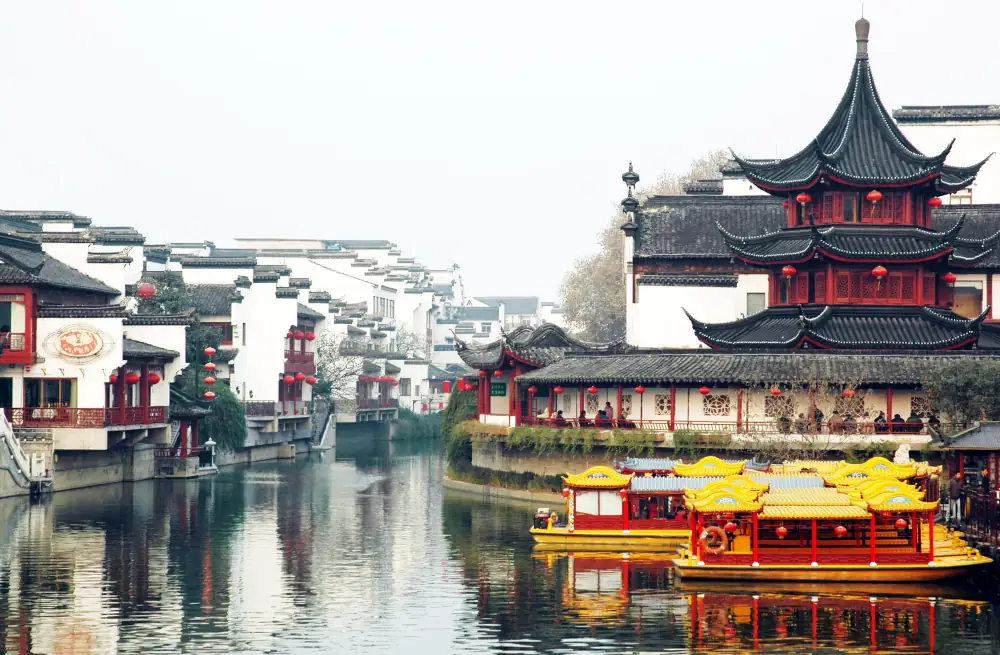
- Ji’an: Choose a hotel near the city center for easy access to Bailuzhou Academy and the old town. The Ji’an Grand Hotel (吉安宾馆) is a reliable mid-range option.
- Rui’an: Stay near Yuhai Library or the Feiyun River. The Rui’an International Hotel (瑞安国际大酒店) offers comfort and convenience.
Food & Drink
- Ji’an: Must-tries include Ji’an fried noodles, Yongfeng fermented fish, Anfu ham, and Suichuan dog-brain tea (狗牯脑茶). For dessert, try ai-mi-guo (艾米果), a mugwort-flavored rice ball.
- Rui’an: Pig offal noodles, wheat pot stickers (麦贴锅), and fresh seafood from Beiji Island. Wash it down with a cup of local green tea.
Costs & Practical Tips
- Entry fees: Most academies and museums charge ¥20–60. Villages like Meibei may charge ¥50–80. Always carry cash or have Alipay/WeChat Pay ready.
- Mobile payment: Alipay and WeChat Pay are widely accepted. Set them up before your trip.
- Visa: Most travelers need a tourist visa (L-visa). If you’re transiting through Shanghai or Beijing, check the 144-hour visa-free transit policy.
- Language: Mandarin is spoken everywhere. In Rui’an, the local dialect is Wenzhounese, which is notoriously difficult. Learn a few Mandarin phrases.
- Etiquette: When visiting academies and libraries, speak quietly and don’t touch ancient artifacts. Dress modestly.
For more cultural destinations, see our China culture guides. If you’re planning a longer trip, explore our China itineraries for route ideas.
FAQ
Q: Do I need to book tickets in advance for Bailuzhou Academy? A: It’s not usually necessary for individual travelers, but during Chinese holidays (like National Day), it’s wise to book online via platforms like Ctrip or Meituan.
Q: Can I visit Yuhai Library without a guide? A: Yes, the library is open to the public and has English signage. However, a guide can provide deeper context about Sun Yirang’s work.
Q: Is it safe to eat street food in Ji’an and Rui’an? A: Generally yes, but choose stalls that are busy and clean. Avoid raw or undercooked items if you have a sensitive stomach.
Q: How do I get from Ji’an to Rui’an? A: The fastest way is by high-speed train via Nanchang or Hangzhou. The journey takes about 5–6 hours. Alternatively, you can fly from Ji’an to Wenzhou.
Q: What’s the best way to learn about oracle bone script in Rui’an? A: Visit Yuhai Library and the Rui’an Museum. Some local universities also offer short lectures on oracle bone studies — check with the Rui’an Tourism Bureau.
Q: Are there English-speaking guides available? A: In major attractions, yes. For a more immersive experience, consider hiring a private guide through a travel agency.