
Chengdu’s Jinli Street: Ancient Commerce, Modern Tourism
Jinli Ancient Street (锦里, Jǐn Lǐ) — “Brocade Lane” — is one of Chengdu’s most famous tourist streets, adjacent to the Wuhou Shrine. Over a thousand years ago, Jinli was allegedly one of the busiest commercial streets in the Shu Kingdom (221-263 CE), though the current incarnation is a 2004 reconstruction. The debate about “authenticity” matters less than the experience: Jinli is genuinely fun, visually beautiful, and offers some legitimately good Sichuan food alongside the tourist souvenirs.
Understanding Jinli requires calibrating expectations. This is a curated, commercial heritage street — it’s not a living community. But the architecture is well-executed, the food quality is often surprisingly good, and the atmosphere on a winter evening with lanterns lit creates a particular magic that photographs barely capture.
History and Context
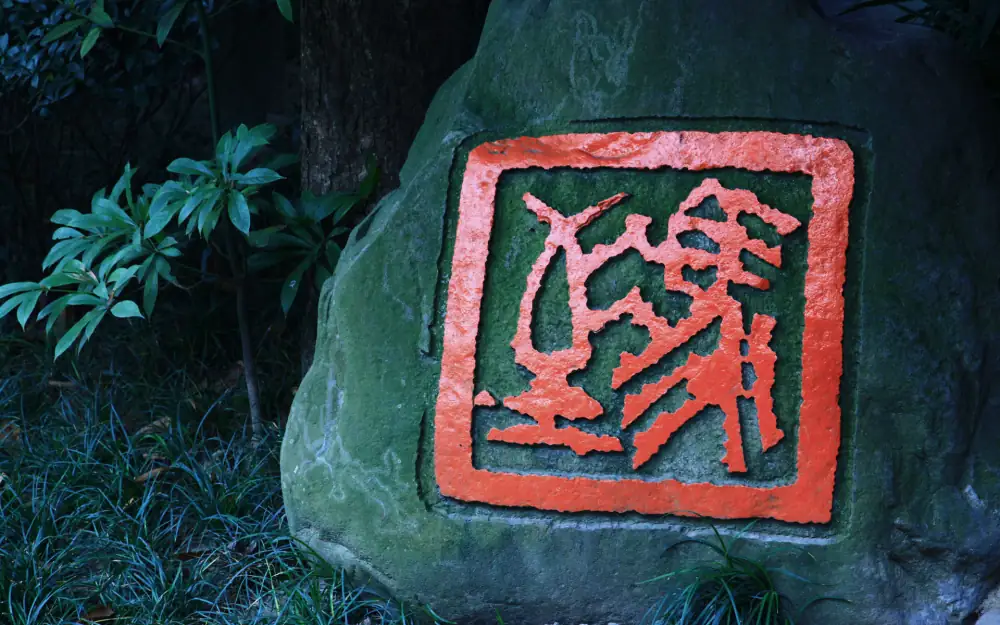
The Shu Kingdom (蜀国), one of the Three Kingdoms of the 3rd century CE, was centered in Chengdu. Jinli’s historical connection to this period is real — Liu Bei’s (刘备) tomb and the Wuhou Shrine commemorating Zhuge Liang (诸葛亮) are immediately adjacent, and the street was historically associated with Shu silk production.
The current Jinli was reconstructed by Chengdu’s cultural heritage authorities to create a tourism destination that would draw visitors to the Wuhou Shrine area while providing economic activity. Similar reconstruction projects happened throughout China in the 2000s, with varying results. Jinli’s result is generally considered one of the better examples — the architecture is based on Ming/Qing dynasty Sichuan vernacular style, and the reconstruction used traditional techniques for many elements.
What to Eat
Essential Street Food
Sichuan opera face-changing candy figures (变脸糖人): Artisans create sugar figures of Sichuan opera masks using hand-blown colored sugar. The process is fascinating to watch; the finished figures are edible but taste primarily of sugar. Worth buying for the experience and the craftsperson’s showmanship.
Rabbit Head (兔头, tùtóu): Chengdu’s most distinctive snack — boiled or braised rabbit heads seasoned with Sichuan spices. They’re sold in multiple flavor levels (mild to extremely spicy), and eating one properly requires some guidance. Watch how locals do it: the cheeks and the tiny amounts of meat around the head are the prized parts. Genuinely delicious if you’re adventurous.
Tangyuan (汤圆): Glutinous rice balls filled with black sesame paste, served in sweet broth. Chengdu’s version is particularly famous; the Long Chaoshou (龙抄手) brand has a Jinli outlet.
Guo Kui (锅盔): Sichuan flatbread with savory fillings — spiced pork, preserved vegetables, or mapo tofu filling. The baked ones are better than the fried versions.
Burning Noodles (燃面): Dry noodles (yibin-style) with minimal broth, tossed in chili oil and Sichuan pepper. One of Sichuan’s most distinctive noodle preparations.
Dan Dan Noodles (担担面): The more internationally known Sichuan noodle dish — thin noodles in a peanut-sesame-chili sauce. Quality varies widely on Jinli; look for shops with queues rather than the loudest touts.
Stinky Tofu (臭豆腐): Fermented tofu with a powerful smell but mild flavor when eaten. Served with chili sauce. Definitely worth trying if you’re adventurous.
Sit-Down Restaurants
Several restaurants in the Jinli complex offer proper Sichuan meals, not just snacks:
Jinli Food Court: The main indoor food hall at the north entrance has multiple stalls offering full meals. The hot pot stalls here (小火锅) are reasonably priced and authentic.
Sichuan Restaurant in the Wuhou area: There are several mid-range restaurants on the lanes behind the main Jinli street proper, quieter and with better quality-to-price ratios than the prime tourist spots.
Shopping
Worth Buying
Sichuan opera face-changing masks (变脸面具): Replica masks from Sichuan opera are one of the better Chengdu souvenirs — lightweight, well-made, and genuinely connected to a distinctive local art form. Quality varies; hand-painted lacquer masks from dedicated vendors are worth more than mass-produced plastic ones.
Sichuan embroidery (蜀绣): Shu embroidery (蜀绣) is one of China’s four major regional embroidery traditions. Jinli has several dedicated shops selling everything from refrigerator magnets with embroidered panda motifs to expensive silk wall hangings. Prices range from ¥10 for small items to ¥10,000+ for museum-quality pieces.
Spices and condiments: Taking Sichuan spices home is practical and authentic. Look for: Pixian doubanjiang (郫县豆瓣酱, chili bean paste), Sichuan peppercorns (花椒), and chili oil (辣椒油). Vacuum-packed versions travel well in checked luggage.
Bamboo products: Sichuan is bamboo country, and the baskets, chopsticks, and containers made from local bamboo are practical souvenirs.
Tea: Chengdu’s teahouse culture centers on Sichuan green tea. The loose-leaf varieties sold in many Jinli shops are affordable and genuinely good. Look for Mengding Ganlu (蒙顶甘露) from Ya’an.
Tourist Traps to Avoid
Most “jade” on Jinli is dyed glass. Most “silk” is polyester. Most “antiques” are reproductions. This isn’t unusual for tourist streets anywhere in China, but being aware helps you calibrate expectations. The reputable shops (often with clear pricing and no aggressive commission structures) are identifiable by their comparatively low sales pressure.
Wuhou Shrine (武侯祠)

No visit to Jinli is complete without the adjacent Wuhou Shrine. This is one of China’s most historically significant sites — a temple complex honoring Liu Bei (first emperor of Shu Han) and his prime minister Zhuge Liang, built in the 4th century CE and expanded through the Tang and Ming dynasties.
What to see:
- Liu Bei’s Mausoleum (惠陵): Actual burial site of the Shu Han emperor
- Zhuge Liang Hall (武侯祠): The shrine to the strategist, philosopher, and inventor
- The Three Kingdoms statues: Remarkable collection of sculpted figures depicting the generals and officials of the Shu Kingdom
- The Han Cypress trees (汉柏): Ancient trees, some allegedly dating to the Han dynasty
Entrance fee: ¥50 (adult), includes access to both the temple complex and the adjacent Three Kingdoms Cultural Square
Time needed: 1.5-2 hours for a thorough visit; the site is larger than most visitors expect
Opening hours: 8:00 AM – 6:00 PM (summer); 8:00 AM – 5:00 PM (winter)
Evening in Jinli: The Lantern Experience
Jinli transforms after sunset. Red lanterns illuminate the eaves of every building, their reflections shimmering in the small canal that runs through the street’s center. Sichuan opera performances begin in the outdoor stages. The food stalls have their most active period.
Visiting Jinli specifically in the early evening (5-8 PM) offers a qualitatively different and arguably better experience than daytime visits. The crowds are similar in volume but the atmosphere is markedly different.
Sichuan Opera Teahouse: Several teahouses in Jinli offer abbreviated Sichuan opera performances (1-1.5 hours) including face-changing (变脸), fire-breathing, and shadow puppetry. Ticket prices range from ¥80-200, with tea included. Not as complete as a full performance at the Jinsha or Shufeng Yayun theaters, but the setting within a traditional teahouse is its own charm.
Jinli Ancient Street Opening Hours
Jinli Ancient Street is an open pedestrian street with no entrance gate or ticket — you can walk in freely at any hour. In practice, the street comes alive around 8:00 AM when the food stalls and shops open, and winds down around 10:00 PM when most businesses close for the night.
Individual shops, teahouses, and restaurants keep their own hours, generally 9:00 AM – 9:30 PM. The adjacent Wuhou Shrine is separately ticketed (¥50) and keeps shorter hours — 8:00 AM – 6:00 PM in summer, 8:00 AM – 5:00 PM in winter.
For the best experience, arrive in the late afternoon and stay past sunset. The red lanterns are lit every evening, and the street is at its most atmospheric between 5 and 8 PM.
Practical Information
Getting There:
- Metro Line 3, Gaosheng Street Station (高升桥站), 10-minute walk
- Or Line 1/3 to Tianfu Square, then change to Line 3
- Taxi from Chengdu center: ¥15-25
Opening Hours: Jinli itself is an open street with no ticket — shops and stalls operate roughly 8 AM to 10 PM. Individual businesses have their own hours.
Best Time to Visit:
- Weekday mornings (8-11 AM): Quieter, better for photography
- Weekday evenings (5-8 PM): Best atmosphere
- Avoid: Weekend afternoons, national holidays (overwhelmingly crowded)
Budget: A full Jinli experience — snacks throughout the street + sit-down meal + souvenir shopping — typically costs ¥150-300 per person.
Combination Itinerary: Wuhou Shrine + Jinli takes a full morning or afternoon. Many visitors add the Wide and Narrow Alleys (宽窑窄巷) to make a full day of Chengdu’s heritage tourism.
Nearby: Wide and Narrow Alleys (宽窑窄巷)
The Wide and Narrow Alleys (Kuanzhai Xiangzi) are located approximately 3 km from Jinli — a 15-minute taxi ride or 30-minute walk. These were historically a Manchu military garrison community established in the 18th century, now converted to a similar heritage street format as Jinli but with a different architectural vocabulary (Beijing-style hutong rather than Sichuan vernacular). The two streets complement each other well as a day’s itinerary; Jinli tends to have better food and a more Sichuanese atmosphere, while Wide and Narrow Alleys have more boutique shopping and sitting space.
Jinli won’t give you an “undiscovered China” experience — it’s explicitly designed for tourism. But executed well, a tourist street can still offer genuine pleasure, good food, and insight into the culture it celebrates. Jinli clears that bar, especially in the evening.