
Mount Tai (泰山, Taishan) is the most spiritually significant mountain in China — not the highest, not the most dramatic, but the most culturally loaded. For three millennia, Chinese emperors climbed Taishan to perform the Fengshan sacrifices at its summit, communicating with heaven and legitimising their rule. Confucius climbed it and said the world looked small from the top. Mao Zedong said the same in a different way.
Visiting Taishan is a different experience from climbing for scenery — you’re walking the same stone steps that a hundred emperors walked, past inscribed cliff faces with 2,500 years of accumulated calligraphy, through a forest of stele commemorating every imperial ascent.
The Summit and What’s There
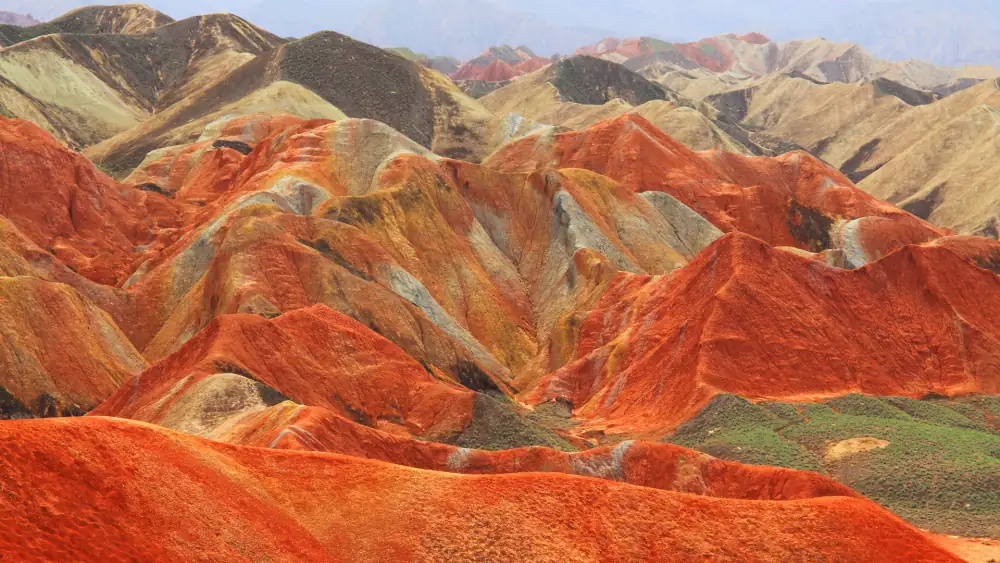
The summit (玉皇顶, Jade Emperor Summit, 1,545m) has:
- Jade Emperor Temple (玉皇庙): The summit temple where imperial Fengshan ceremonies were performed
- The sunrise viewing platform: The primary reason most Chinese visitors climb overnight — Taishan sunrise is one of the classic Chinese aesthetic experiences
- Numerous stele, inscribed cliff faces, and smaller temples dating from the Han dynasty to the Qing
Route Options
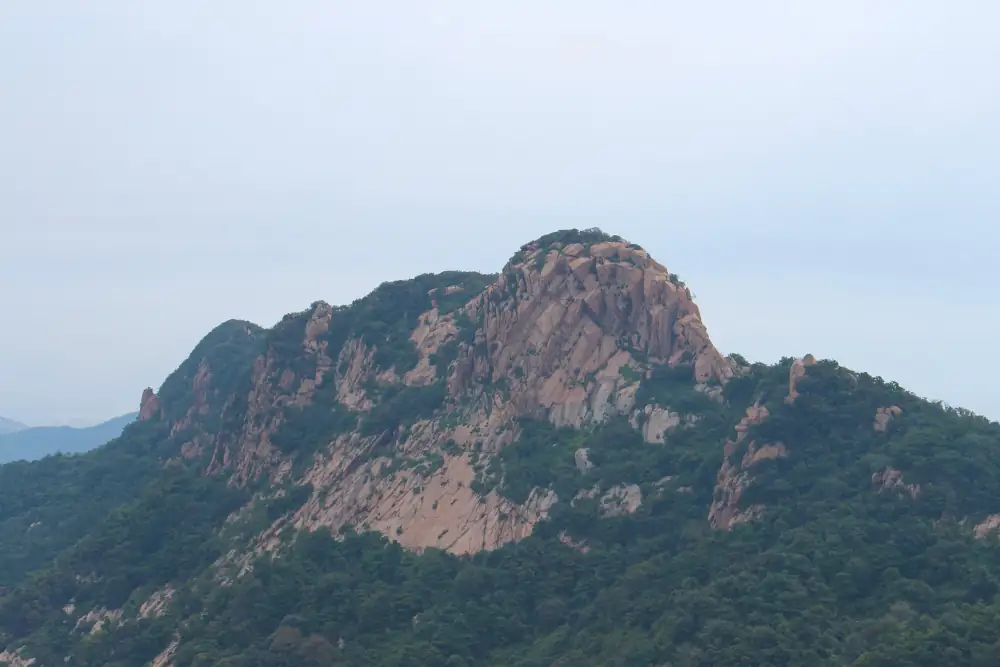
Main Central Route (中路) — The Classic Ascent
The primary climbing route follows 6,666 steps from the base to the summit — the number is traditional rather than precisely counted. The route passes through Hongmen Gate (红门宫, 2km from base), the midway Zhongtianmen (中天门, cable car terminal), and the final approach through the South Heaven Gate (南天门).
Total distance: Approximately 7.5km from base to summit. Time required: 4–6 hours ascending, 3–4 hours descending, depending on fitness and pace.
Cable Car (索道)
Two cable car options:
- Zhongtianmen to Nantianmen: From the midway point to near the summit. Takes 30 minutes. Many visitors walk up (or take a bus to Zhongtianmen) and cable car down.
- Rear cable car: Less-used back approach from Taohuayuan (Peach Blossom Garden).
Rear Mountain Route (后山)
The less-visited approach from the northern side of the mountain — passes through bamboo forest and is more tranquil. Combined with the front route (up one, down the other) for the best variety.
The Overnight Climb for Sunrise
Climbing overnight to watch the sunrise from the summit is the traditional Taishan experience — and genuinely spectacular on clear mornings.
Timing: Most overnight climbers depart from the base or Zhongtianmen between 11pm and 1am, arriving at the summit by 4–5am for the ~5:30–6am sunrise (depending on season).
The atmosphere: Thousands of Chinese visitors make the same ascent — the midnight mountain path illuminated by headlamps, the steady rhythm of steps, the occasional temple gate appearing from the darkness, culminating in the pre-dawn crowd gathering at the summit edge. When the sun rises over the clouds and plain below, the collective reaction is genuine.
Practical: Cold even in summer at the summit (bring a layer). Blankets can be rented at the summit. Food and drink available from summit vendors at premium prices.
The Inscription Cliff Faces
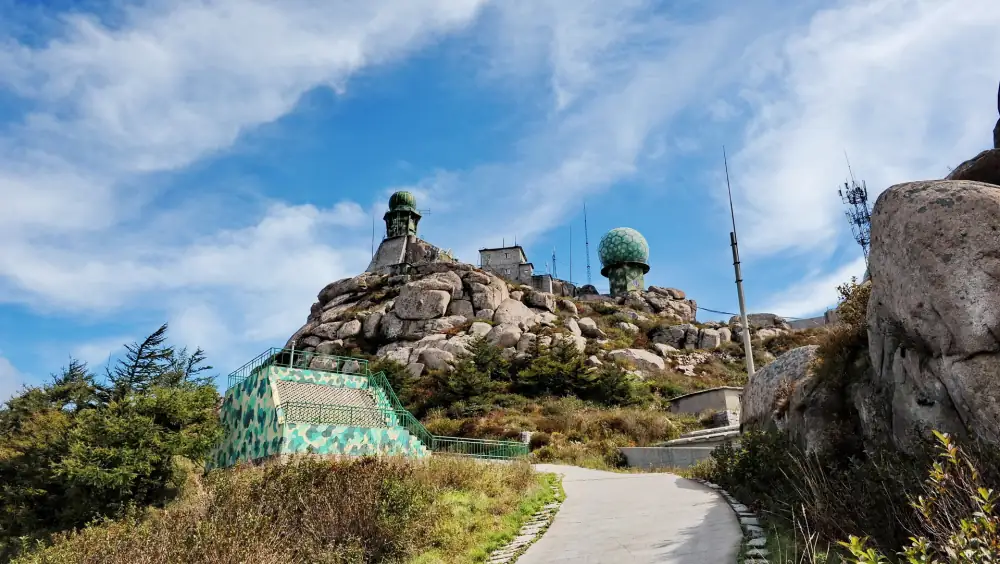
Taishan’s cliff faces are covered in inscribed text accumulated over 2,500 years — Han dynasty bronze seal script, Tang dynasty calligraphy by major artists, Qing dynasty imperial edicts, modern socialist slogans layered over ancient ones. The concentration of written text on natural rock surfaces is unique in scale and continuity.
The most significant: The Jing Gong Cliff (经石峪), where 6th-century text from the Vajracchedika Prajna Sutra is carved across an enormous tilted rock face near the base — 44 characters per column, 1,043 characters total.
Getting There
From Jinan: 1.5 hours by HSR to Taishan city (泰安). From Taishan station, bus to the mountain base in 20 minutes.
From Beijing: 2.5 hours by HSR to Taishan.
From Qingdao: 1.5 hours by HSR.
Accommodation: Stay in Taishan city (extensive hotel options) or at the summit (mountain guesthouses, cold but memorable for overnight visits).
Also see: China Hiking Guide | Shandong Jinan Qingdao Guide | China Mountains Sacred Sites