
Sanya is China’s southern tropical playground — a resort city on the island of Hainan that draws Chinese tourists by the millions for beach holidays that most coastal Chinese cities can’t provide. The water is genuinely warm and clear (by Chinese standards, exceptional — water temperature stays above 25°C year-round). The air is humid and tropical. The infrastructure is polished and international.
The comparison to Hawaii that Chinese tourism marketing loves to make is aspirational rather than accurate — the beaches are good but not Caribbean-class, and the development along the coast is relentlessly commercial. That said, Sanya delivers what it promises: reliable sun, accessible beach activities, good seafood, and a real sense of being in tropical China. Here’s how to make the most of four days.
Table of contents
Open Table of contents
Before You Arrive
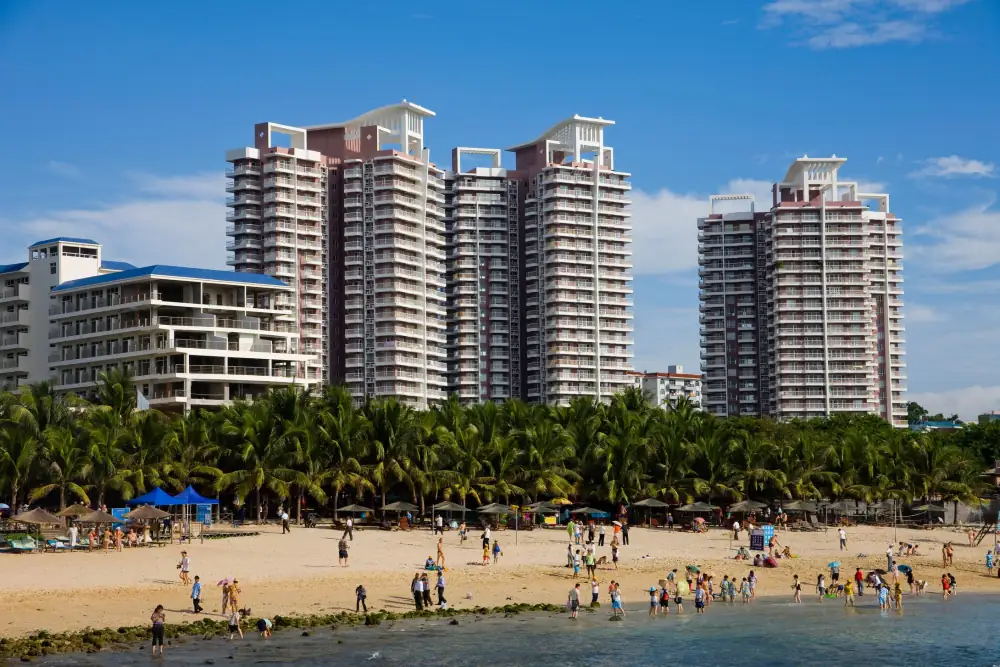
Getting there: Sanya Phoenix International Airport (SYX) is the main entry point. Domestic flights from most major Chinese cities are frequent and relatively cheap (¥300-800 from Beijing or Shanghai one-way). There’s also a high-speed rail connecting Sanya to Haikou (the island capital) in about 1.5 hours.
Which beach area to stay:
- Yalong Bay (亚龙湾) — the highest-end resort strip. Perfect beach, 5-star hotels, quieter. Best for couples, honeymooners, and people who want a pure resort experience. Downsides: far from anything not hotel-related, taxis everywhere.
- Dadonghai (大东海) — more affordable, lively, walkable. Better for budget and mid-range travelers. The beach is slightly less beautiful than Yalong. More local restaurants and cheaper options.
- Sanya Bay (三亚湾) — the long coconut-palm lined promenade beach. Less developed for swimming (the water quality is slightly lower), but pleasant for evening walks. Mid-range hotels line the road.
Recommendation: First-timers should stay in Dadonghai for beach access and value; upgrade to Yalong Bay for a luxury splurge.
Hainan Free Trade Port: Hainan has special duty-free shopping policies. Electronics, cosmetics, and alcohol at major shopping centers can be significantly cheaper than on the mainland. Save receipts — some purchases require declaration on departure.
Day 1: Arrive & Dadonghai Beach
Arrive in the afternoon and settle in. Sanya’s heat (30-35°C year-round) means early mornings and evenings are better for beach time than the scorching 11am-3pm window.
Dadonghai Beach
The Dadonghai beach (大东海海滩) itself is about 800m of sandy beach, reasonably clean, with clear warm water. The public section is free to access. Beach chair rentals cost ¥30-50/day. Water sports operators line the beach — parasailing (¥180-300), jet skiing (¥200 for 15 min), and banana boat rides (¥50-80/person) are the standard offerings. Negotiate if buying multiple activities.
For your first evening, walk the beachside road and explore the Dadonghai seafood market restaurants — the grid of restaurants just back from the beach. This is how locals eat and the prices are much better than hotel restaurants. Pick your seafood from the live tanks and pay by weight:
- Mantis shrimp (皮皮虾) ¥80-120/kg
- Grouper fish (石斑鱼) ¥100-180/kg (depends on size)
- Flower crab (花蟹) ¥50-100 each
- Clams and mussels ¥30-50/kg
Preparation styles: steamed (清蒸), stir-fried with ginger and scallion (姜葱炒), or salt-baked (盐焗). Ask the restaurant to cook what you buy — they charge ¥15-30 cooking fee per dish.
Day 2: Wuzhizhou Island Snorkeling
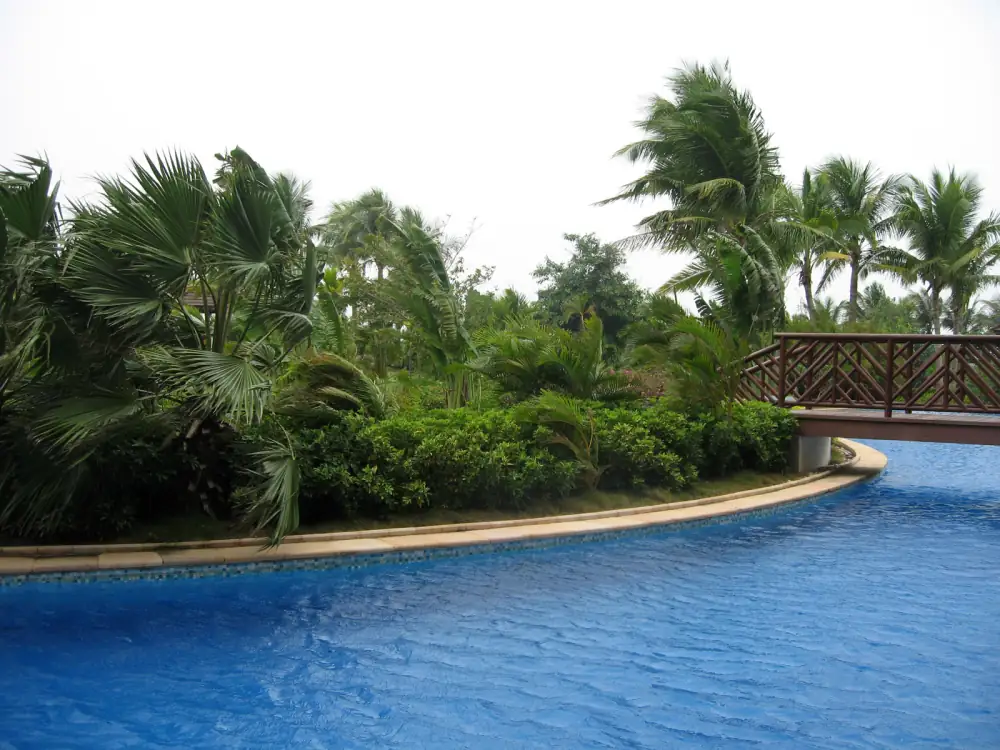
Wuzhizhou Island (蜈支洲岛) is consistently rated China’s best readily-accessible snorkeling and diving destination. The island is 15km north of Sanya and the coral reefs surrounding it are genuinely impressive — visibility typically 10-15m, colorful coral and fish in good condition.
Tickets: ¥168 (includes scenic area + ferry transfer from Houhai dock). Open 8am-4:30pm. Book online in advance, especially during holidays.
Snorkeling equipment rental: ¥50-80 (mask, fins, vest). Guided snorkeling tours with an instructor ¥180-280 including equipment.
Diving: The island has multiple licensed dive operators. Introductory dive (体验潜水) ¥380-480. Open water certification courses available. The diving is good enough that certified divers will enjoy the reef walls and the protected western side of the island.
Getting to Houhai dock: 20km from Dadonghai. Taxi ¥50-70, or join an organized day tour from most hotels (¥200-300/person, includes transport and ticket).
Practical tips:
- Arrive early — the morning has better visibility before afternoon boat traffic
- Wear reef-safe sunscreen (required on most sections, but bring your own)
- Bring water — food and drinks on the island are significantly overpriced
- The island gets extremely crowded on holidays — if visiting during Golden Week, reconsider and go to Yalong Bay beach instead
Day 3: Li & Miao Village Culture — Betelnut Valley
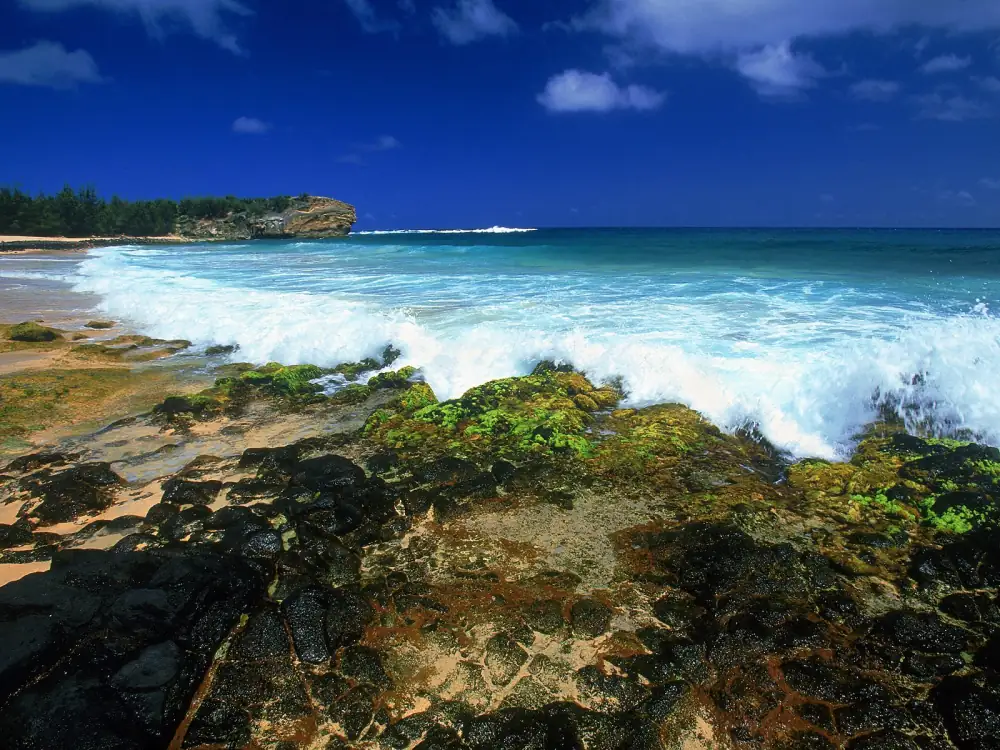
Option A: Betelnut Valley & Li/Miao Village
Betelnut Valley (槟榔谷黎苗文化旅游区, ¥170) is 90km northwest of Sanya in the Wuzhishan (Five Finger Mountain) area and is the best-organized cultural park showcasing the indigenous Li people (黎族) and Miao people (苗族) of Hainan.
The Li are Hainan’s original inhabitants and have maintained distinct weaving, tattooing, and agricultural traditions. The complex includes:
- Traditional Li longhouse villages (still inhabited)
- Demonstrations of Li weaving and bamboo crafts
- Daily performance shows of Li and Miao music and dance (11am and 3pm, included)
- Bamboo raft rides through the rainforest
Getting there: Direct buses from Sanya Central Bus Station (¥40, ~90 min) or a private taxi (¥200-250 round trip). Most hotels can arrange day tours for ¥250-350 including transport.
Option B: Yanoda Rainforest
Yanoda Rainforest (呀诺达雨林文化旅游区, ¥198) is closer to Sanya (45km) and focuses more on the tropical forest experience — walking trails through genuine rainforest, swimming in natural pools, and bamboo raft river sections. Good for families or anyone more interested in nature than culture.
Day 4: Tianya Haijiao & Departure
Morning: Tianya Haijiao
Tianya Haijiao (天涯海角, “End of the Earth, Corner of the Sea”, ¥90) is Sanya’s most famous attraction — a beach famous for the two giant granite rocks rising from the sea engraved with the characters 天涯 and 海角. It’s been a symbol of Sanya for decades and is on every Chinese tourist’s Sanya checklist.
The site has become heavily commercialized but the beach itself is wild and beautiful, with dramatic rock formations and clearer water than most of the tourist beaches. The 3km coastal walk between the rocks is pleasant.
Honesty: if you’re limited on time, skip this. The rocks themselves are not as dramatic as the photographs imply (they’re big boulders, not towering cliffs). The coastal scenery around them is the actual draw.
Sanya vs Hawaii: The Honest Verdict
Sanya is genuinely enjoyable as a Chinese beach destination, but manages expectations carefully:
Better than expected:
- Water temperature and warmth — genuinely tropical and comfortable year-round
- Seafood quality and freshness — excellent and relatively affordable
- The Wuzhizhou Island snorkeling is legitimately good
- Resort infrastructure at Yalong Bay is polished and professional
The gap with Hawaii:
- The beaches aren’t as white or as dramatic — sand quality is average
- Coral reef health varies and has declined in areas
- The commercial development is relentless and rarely charming
- Traffic and crowds in peak season can be severe
Who should go: Chinese domestic travelers doing a first beach holiday. Budget-conscious travelers wanting warm weather without flying internationally. Families wanting accessible tropical activities without language barriers.
Practical Information
| Item | Cost |
|---|---|
| Wuzhizhou Island ticket | ¥168 |
| Snorkeling equipment rental | ¥50-80 |
| Betelnut Valley | ¥170 |
| Tianya Haijiao | ¥90 |
| Grouper fish (per kg) | ¥100-180 |
| Parasailing | ¥180-300 |
| Taxi (city journeys) | ¥15-50 |
| Budget hotel (Dadonghai) | ¥200-400/night |
| 5-star resort (Yalong Bay) | ¥800-3,000+/night |
Best time to visit: October-April (dry season, mild temperatures 25-28°C, minimal rain). May-September brings the typhoon season and heavy rainfall — activities can be disrupted for days. The worst months are July-September.
Duty-free shopping: Hainan residents of the island can purchase duty-free. As a mainland or foreign visitor, check the current year’s regulations on what qualifies — the limits and eligible items change. Major shopping malls (Haitang Bay Duty Free Shopping Complex) are the main locations.