
Rizhao (日照, literally “Sunshine”) occupies a stretch of the southeastern Shandong coast where the Yellow Sea meets long, gently curving beaches of unusually fine golden sand. The name is apt — Rizhao claims to be the first place on China’s coast to receive the sunrise each morning, and the city has built a modest tourism brand around this distinction.
For most of its history, Rizhao was a fishing and salt-production port with no particular reason for outsiders to visit. The discovery that its beaches were among the finest on China’s east coast — and the relative underdevelopment compared to Qingdao — has gradually brought it to attention. It’s still significantly less commercialized than its more famous neighbor 100km to the north, which is either its greatest strength or its greatest weakness depending on what you’re looking for.
The surprise for most visitors is the tea. Rizhao is the northernmost tea-growing region in China, and its green tea — grown at high latitude in a marginal climate that forces the plants to grow slowly and concentrate flavor compounds — is considered among the best in the country by those who know it.
Table of contents
Open Table of contents
Getting to Rizhao
By high-speed train:
- From Jinan (Shandong capital): About 2.5 hours; ¥130–180; multiple daily departures
- From Qingdao: About 1 hour; ¥40–60; frequent services
- From Beijing: About 3.5 hours via Jinan; ¥220–320
- From Shanghai: About 4 hours via Lianyungang; ¥250–350
By bus:
- From Qingdao: 2 hours; ¥50–70
- From Lianyungang: 2 hours; ¥50–70
By car: Qingdao to Rizhao via the G15 expressway: about 1.5 hours. The coastal drive is pleasant.
Getting around Rizhao: The city is compact and the main beaches are within 5–10km of the city center. Buses, taxis, and electric bike rentals are all practical options.
The Beaches
Rizhao’s beaches are its primary attraction, and they’re genuinely good — long, wide, with fine sand and relatively clean water by east coast standards.
Wanpingkou Seaside Park (万平口海滨风景区): The most developed and most popular of Rizhao’s beaches, immediately south of the city center.
- 5km of golden sand; lifeguards in season; facilities including showers and changing rooms
- The “Sunrise Plaza” (日出广场) at the northern end is the designated sunrise-watching point — crowds gather at 4:30am in summer
- Beach umbrella and chair rentals: ¥50–80/day
- Water quality: Generally good; occasionally affected by algae blooms in late summer
Rizhao National Forest Park Beach (日照海滨国家森林公园): About 10km north of the city, a quieter beach backed by a dense pine forest.
- The forest creates a microclimate that’s noticeably cooler than the open beach
- Less crowded than Wanpingkou; the preferred option for those with their own transport
- The forest trails are pleasant for walking and cycling; bike rentals available (¥30–50/day)
- Entry to the Forest Park: ¥30 per person
Lanshan Beach (岚山海水浴场): About 25km south of the city center in Lanshan District — the least developed and most natural of the three main beaches. Fewer facilities but a more authentic beach experience.
Beach season: June to September. Water temperature reaches 22–26°C by July–August; swimmable but bracing in June. Outside the summer months, the beaches are too cold for swimming but pleasant for walking.
Rizhao Green Tea (日照绿茶)
The most unexpected thing about Rizhao for most visitors is that it produces some of China’s most prized green tea. The tea gardens lie on the slopes of the Wulian Mountains (五莲山) about 30km inland from the coast, at about 33–36°N latitude — the northernmost tea-growing latitude in China.
Why Rizhao tea is different: The cold winters and short growing season force the tea plants to grow slowly, concentrating amino acids and aromatic compounds in the leaves. The result is a green tea with unusual sweetness, lower bitterness, and a distinctive chestnut-like aroma that’s different from southern Chinese green teas. Spring-harvested Rizhao tea (春茶) is particularly prized.
Visiting the tea plantations: Several tea estates in the Wulian Mountain area offer tours:
- Shenggu Tea Garden (圣谷茶园): About 35km from Rizhao city; tours include the tea fields, the processing facility, and a tasting session; ¥50–80 per person including tea samples
- Bilianfeng Tea Estate (碧莲峰茶园): Higher altitude, more scenic; similar tour structure; ¥60 per person
The tea harvest calendar:
- Spring tea (春茶, late April–May): The most valued; limited production; prices ¥600–3,000/kg
- Summer tea (夏茶, June–August): Larger leaves, less complex flavor; ¥200–500/kg
- Autumn tea (秋茶, September–October): Good balance; ¥300–800/kg
Buying tea in Rizhao:
- The Rizhao Tea Market (日照茶叶市场) near the city center has dozens of vendors selling the full range
- Look for the “Rizhao Green Tea” geographic indication seal (地理标志保护产品) — this certifies the tea was grown and processed locally
- A good quality spring Rizhao green tea costs ¥300–600/500g at the market; this is a genuine premium product that makes an excellent gift
Seafood & Food Culture
Rizhao’s fishing heritage means the seafood is excellent and relatively inexpensive compared to Qingdao:
At the harbor: The Shijiu Fish Harbor (石臼渔港) on the eastern edge of the city is where the fishing boats land their catch. The adjacent market sells the day’s catch directly — buy fish, crab, shrimp, and shellfish and take them to one of the nearby restaurants that will cook your purchase for a small fee (¥10–20 per dish cooking charge). This is the freshest and cheapest way to eat seafood in Rizhao.
Key seafood dishes:
- Boiled prawns (白灼大虾): Simple preparation of fresh Yellow Sea prawns; best with a vinegar-ginger dip
- Sea cucumber (海参): Rizhao is one of the primary production centers for farmed sea cucumber in China; the local preparation with scallion (葱烧海参) is a classic
- Clam soup (蛤蜊汤): Clear broth with clams and tofu; the signature comfort food
- Grilled squid (烤鱿鱼): Available at every beach stall; cheap (¥10–20 each) and excellent
Beach food stalls: The beachfront at Wanpingkou has a nightly food market (7–11pm in summer) with grilled seafood, cold beer, and local snacks. A seafood dinner here costs ¥50–120 per person with beer.
Other Sights
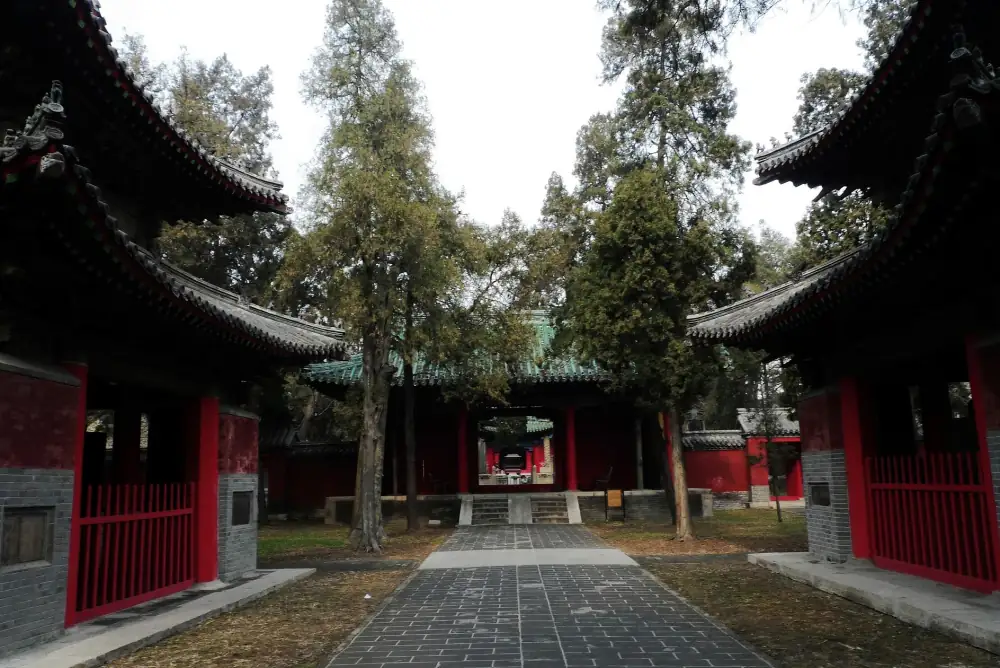
Wulian Mountain (五莲山): A scenic mountain area about 30km inland; granite peaks, forested valleys, and a Buddhist temple complex. A good half-day trip from the beaches. Entry ¥60; cable car ¥50 one-way.
Fulai Mountain (浮来山): About 50km west of Rizhao in Juxian County (莒县), famous for a 4,000-year-old ginkgo tree (银杏树) — believed to be the world’s oldest — with a canopy spread of over 900 square meters. The tree is genuinely ancient and enormous. The surrounding temple complex dates to the Jin Dynasty. Entry ¥40.
Rizhao Lighthouse Area (灯塔风景区): A scenic point on the harbor entrance with a working lighthouse, rock pools, and a popular evening promenade. Free access.
When to Visit Rizhao
Beach season: June to September (water swimmable July–September)
- Peak crowds: July–August (Chinese school holidays); hotel prices double
- Best value: June and September — warm enough for the beach, fewer crowds
Tea tourism: Late April to May (spring harvest); September–October (autumn harvest and pleasant weather)
Spring (March–May): Too cold for swimming but pleasant for tea visits, mountain walks, and seafood eating without the summer crowds
Autumn (September–November): Arguably the best overall season — water still warm, crowds gone, tea harvest underway, clear skies
Practical Tips
Accommodation:
- Beachfront hotels near Wanpingkou: ¥250–600/night in summer; ¥120–250 in low season
- City center hotels: ¥150–350/night year-round
- Budget guesthouses and apartment rentals available via Ctrip; book well ahead for July–August
Getting around: Electric bike rental (¥50–80/day) is the most enjoyable way to move between the beaches and the city. Buses are adequate but infrequent.
Combine with: Qingdao (1 hour by train) and Lianyungang (2 hours by train) make a good Shandong coastal circuit. Rizhao is the quietest and least commercialized of the three.
Language: Mandarin throughout; English is limited to the larger hotels. Basic Mandarin or a translation app helps in restaurants and markets.