
Shenzhen is China’s experiment in what a city can become when built from scratch — in 1979 a fishing village of 30,000 people; today a technology and design capital of 13 million. It’s the headquarters of Huawei, DJI, Tencent, BYD, and OnePlus. It contains the world’s most concentrated electronics market. Its suburbs are home to some of the best street food in Guangdong Province.
Shenzhen is not on most international tourist itineraries, but it should be on the itinerary of anyone interested in how China works economically and technologically, or anyone combining a trip with Hong Kong (the border crossing is 20 minutes from Kowloon).
Table of contents
Open Table of contents
Shenzhen in Context
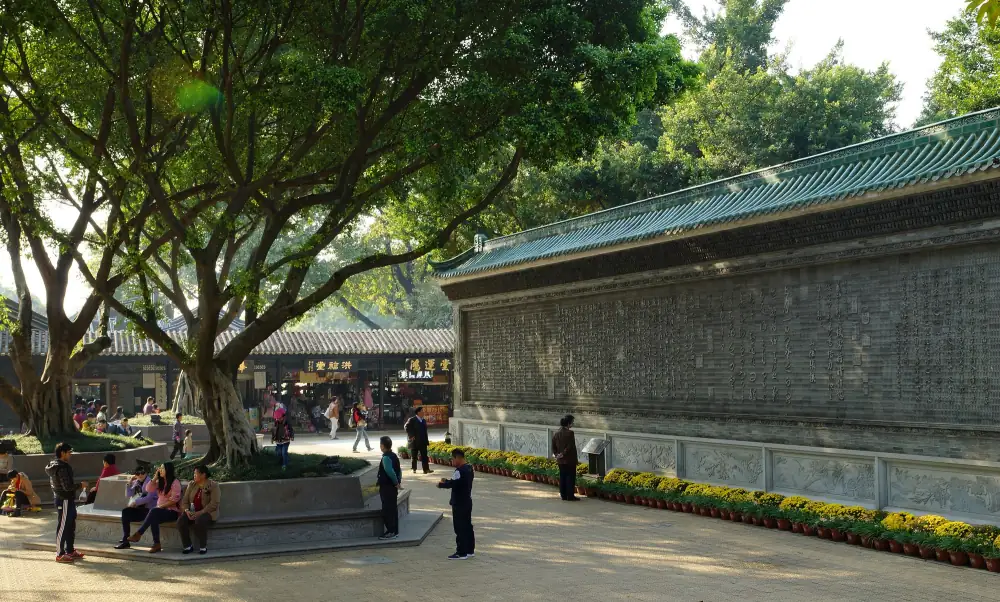
Shenzhen was designated China’s first Special Economic Zone (SEZ) by Deng Xiaoping in 1980, which gave it special status to experiment with market economics. In 45 years it grew from a farming district into one of the world’s most important technology and manufacturing hubs.
The city is composed of districts with distinctly different characters:
- Futian — the CBD, with the Civic Centre and cultural buildings, most international hotels
- Nanshan — technology corridor, Tencent headquarters, OCT creative park
- Luohu — the original SEZ area, border crossing with Hong Kong
- Huaqiangbei — the electronics market district
- Longhua — northern industrial zone, Foxconn (Apple’s manufacturer) campus
Getting to Shenzhen
From Hong Kong
By MTR East Rail: From Hong Kong’s Hung Hom to Lo Wu station or Lok Ma Chau station. Lo Wu is the most central Shenzhen border crossing (Luohu 罗湖 on the Shenzhen side). Journey: 45 minutes from Hung Hom. The border is 24 hours at some crossings.
By MTR Tung Chung Line / High Speed Rail: From Hong Kong’s West Kowloon high-speed rail station to Shenzhen North. 19 minutes. Fast and modern.
By Ferry: Hong Kong to Shekou (Nanshan district) port. About 1 hour.
Day trip visa note: Hong Kong residents have their own arrangements. For international tourists on a China visa or visa-free entry, crossing from Hong Kong to Shenzhen uses up or begins your China visa-free or visa period. Check your remaining allowed days before crossing.
From Other Chinese Cities
Shenzhen is connected by high-speed rail to Guangzhou (30 minutes), Zhuhai (60 minutes), and most major south Chinese cities. Shenzhen Bao’an International Airport has extensive domestic connections.
Huaqiangbei Electronics Market — World’s Tech Bazaar
Huaqiangbei (华强北) is a district of city blocks entirely composed of electronics markets, component suppliers, and repair services. It’s where the global electronics supply chain concentrates into a pedestrian-accessible area.
The Markets
SEG Plaza (赛格广场): A 46-story building with electronics retail floors from bottom to top. Each floor has a different category — phones, components, audio equipment, computer parts. Prices are negotiable.
Huaqiang Electronics World (华强电子世界): Adjacent to SEG, several interconnected market buildings covering mobile phones, accessories, LED products.
Mingtong Digital City (明通数码城): Consumer electronics focus, with significant portion of second-hand/refurbished phones market.
What to Buy Here
DJI drones: DJI’s flagship store is in this area. Drones purchased in China are significant cheaper than international retail (before import duty, which varies by country).
Xiaomi products: Xiaomi products are 20–40% cheaper than overseas retail, including their phones, earbuds, smart home devices, and the cult-favourite Xiaomi electric toothbrush.
Phone accessories and cables: Quality-to-price ratio is excellent at the larger stalls. For USB-C cables, phone cases, and screen protectors, the Huaqiangbei pricing is unbeatable.
Bespoke electronics: This market has the components to build anything. Engineers from around the world come here to source custom components and prototypes.
What to be careful about:
- Grey-market phones (SIM-lock status unclear)
- Counterfeit Apple products (AirPods fakes are indistinguishable from real at first glance; battery life and connection quality are not)
- Chargers from unknown brands at extremely low prices (fire risk)
Shenzhen’s Best Food
Shenzhen’s food scene has evolved with its population — it draws workers from every province, making it arguably the best city in China for regional food diversity.
Seafood — Shekou Fishing Village
Shekou Shrimp Row (蛇口虾街) — a street of seafood restaurants in the Shekou district, serving extraordinarily fresh Guangdong seafood at mid-range prices. The shrimp, crab, and clam dishes here are why Shenzhen locals consider Shekou a food destination in its own right.
Cantonese Yum Cha
Shenzhen’s Cantonese food tradition is direct-line from Guangdong. The standard of dim sum is equivalent to Hong Kong’s better venues, at significantly lower prices.
Yue Lai Shun (粤来顺) in Futian and similar traditional yum cha restaurants serve morning dim sum properly: bamboo steamers of har gow (shrimp dumplings), siu mai (pork dumplings), turnip cake, and char siu bao (BBQ pork buns) with pots of chrysanthemum tea.
Old Shenzhen Village Street Food
Shenzhen Village (南头古城 Nantou Ancient City) — a 1,700-year-old walled village engulfed by Shenzhen’s growth, now being preserved as a food and culture district. The village contains dozens of street food stalls, small restaurants, and the genuine remains of the old village architecture.
The food around Nantou: wonton noodles, beef offal soup, roast goose, and a range of Teochew (Chaoshan) snacks from Guangdong’s eastern region.
Meixian Hakka Cuisine
Shenzhen has a large Hakka community, and Hakka cuisine (客家菜) — earthier and more rustic than Cantonese food — is excellent here. Salt-baked chicken (盐焗鸡) and pork belly with preserved vegetables (梅菜扣肉) are the representative dishes.
OCT Contemporary Art Terminal (华侨城创意文化园)
OCT-LOFT in the Nanshan district is a converted factory complex now housing independent art galleries, design studios, creative agencies, and coffee shops. Shenzhen’s design and creative community centres here, with regular exhibitions and the annual Shenzhen Design Week (March/April) drawing international participants.
OCT Creative Park and the adjacent COCO Park area give a picture of the Shenzhen that exists beyond manufacturing — a genuinely design-conscious city whose graduates and young professionals have created a distinct culture.
Shenzhen Fairy Lake Botanical Garden
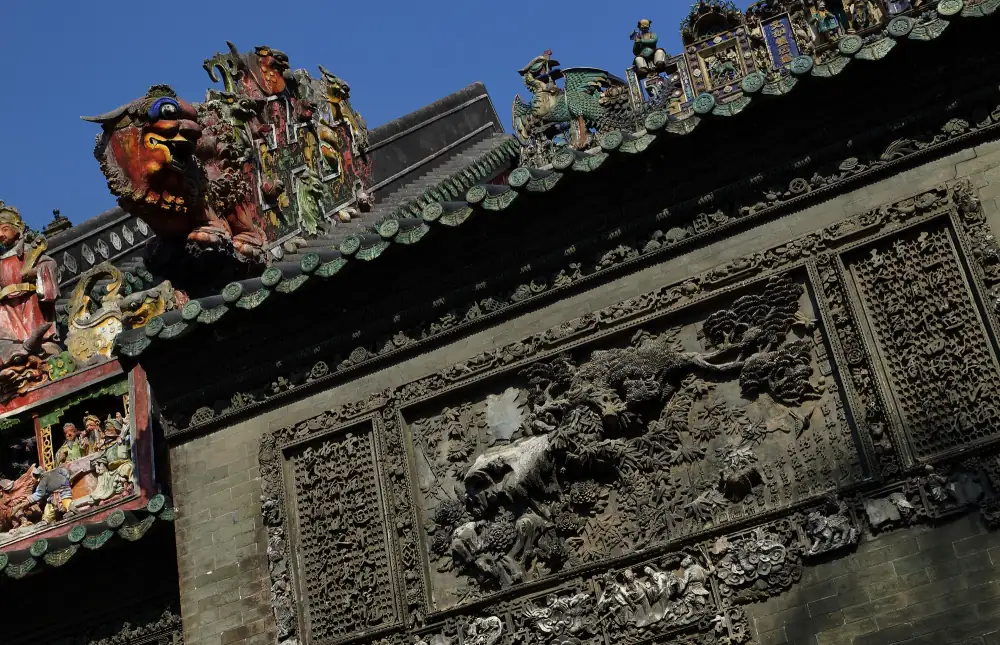
Fairy Lake Botanical Garden (仙湖植物园) in the eastern Luohu district covers 590 hectares of sub-tropical hillside, with lakes, bamboo forest, cacti garden, and the extensive Dameisha Valley hiking trail. The Shenzhen Zen Temple (弘法寺) within the garden is one of Guangdong’s largest and most active Buddhist monasteries.
A morning in the botanical garden with the monks’ breakfast of congee (if you time it right) and the hillside views offers a picture of Shenzhen completely unlike the technology districts.
Day Trips from Shenzhen
Guangzhou (30 minutes by HSR): Cantonese food at its highest expression, the Chen Clan Ancestral Hall, and the historical commercial district along Shamian Island.
Zhongshan (Guangdong Province): The birthplace of Sun Yat-sen, with an extensive historical district and boat connections.
Zhuhai (1 hour by HSR): Cleaner air, cleaner beaches, the Macau connection via the HZMB bridge.
Hong Kong (20–45 minutes, see above): The contrast of crossing from ultra-modern Shenzhen into Hong Kong’s colonial architecture and café culture is jarring in a fascinating way.
Practical Information
Visa: Shenzhen is covered by standard China visa and visa-free entry. The Shenzhen Special Economic Zone previously had a separate SEZ visa but this is no longer required — you enter with your standard China entry document.
Currency: Yuan (CNY). Alipay and WeChat Pay are universal. International card ATMs at banks throughout the city.
Internet: The Great Firewall applies in Shenzhen (unlike Macau and Hong Kong). VPN if needed. VPN guide here.
Weather: Shenzhen’s subtropical climate means: March–May (pleasant, some rain), June–October (hot, humid, typhoon season possible), November–February (mild, dry, ideal).
Getting around: Shenzhen has an excellent metro system (12 lines) covering all major districts. Amap for navigation.
Also see: Guangdong Pearl River Delta Guide | Guangzhou Dim Sum Guide | China Shopping Guide