
Tianjin is Beijing’s often-overlooked neighbour, 30 minutes away by high-speed train, and with a food identity so distinctive that locals are slightly defensive about it. The city’s three most famous foods — Goubuli baozi, 18th Street mahua, and ear-roll fried cakes — are sold in a single gift box at Tianjin train station and represent both the city’s pride and a degree of tourist trap risk. The actual food, eaten at the right places, is excellent. The tourist trap version is aggressively marketed and mostly not worth the money.
Table of contents
Open Table of contents
Goubuli Baozi (狗不理包子): The Famous Steamed Buns
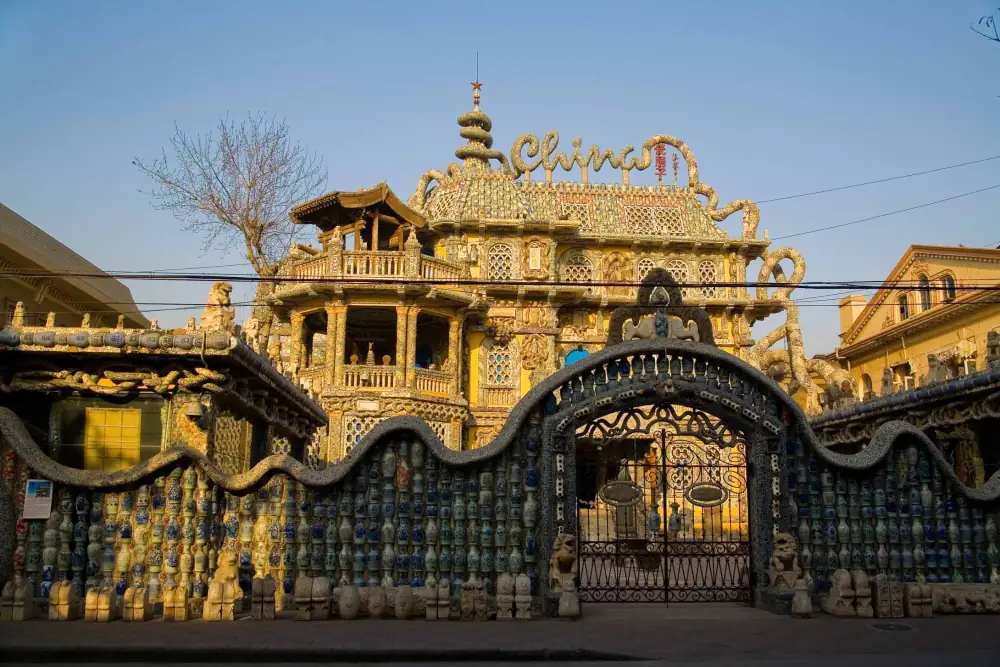
Goubuli (狗不理) baozi have been Tianjin’s most famous food since 1858. The name translates roughly as “dogs won’t pay attention to it” — allegedly because the original owner, nicknamed Gou’er (Dog), was so busy serving customers that he ignored even his dogs. The buns became famous for a distinctive pleated technique that creates 18 uniform folds.
The buns are larger than Shanghai’s xiaolongbao, with a pork filling (minced pork, ginger, sesame oil) in a soup inside a slightly thick skin. They’re served steamed in bamboo baskets.
The tourist trap problem: The official Goubuli chain (狗不理包子专卖店) in tourist areas charges ¥68-128 for a basket of 8. This is dramatically above what the same buns are worth as food. Many locals don’t eat there.
The alternative: Tianjin’s residential neighbourhood baozi shops sell buns using similar techniques and similar filling recipes for ¥2-4 per bun. The area around Nanshi Food Street (南市食品街) and the residential lanes near Gu Wenhua Jie (Ancient Culture Street) have good neighbourhood versions.
Verdict: Try Goubuli once, acknowledge the history, then spend the rest of your baozi budget on neighbourhood shops.
Jianbing: The Tianjin Claim
Both Tianjin and Shandong claim to have invented jianbing (煎饼). Beijing has adopted it wholesale. Regardless of origin, Tianjin makes an excellent version of this savoury breakfast crepe.
The Tianjin jianbing is made on a circular cast-iron griddle: a thin mung bean and wheat flour batter is spread thin, an egg cracked over it, green onion and coriander scattered on top, then a crispy wonton or youtiao dough stick is pressed in before the crepe is folded. The finished product is brushed with hoisin sauce, chilli paste, and folded into a square packet.
Price: ¥8-14 at morning street stalls, depending on additions.
When to eat it: This is morning food. Stalls operate 6:30-10am. Eating jianbing at 2pm from a restaurant is possible but misses the point.
Where to find it: Any residential street in Tianjin before 9am. The stands near Tianjin train station and the residential areas around Hebei District have good options.
18th Street Mahua (十八街麻花)
Mahua (麻花) is deep-fried twisted dough — two or three strands of dough twisted together, fried until golden and crispy. The Tianjin version, associated with a specific shop on what was historically the 18th street of a particular area (now absorbed into the city layout), is larger, crunchier, and richer than standard mahua.
The Guifaxiang 18th Street Mahua (桂发祥十八街麻花) is the famous brand. They produce a classic version (plain dough) and variations with different fillings or coatings — sweet, savoury, sesame, osmanthus. A standard large mahua costs ¥15-30.
These keep well and are genuinely good — one of the better Chinese food souvenirs. The Tianjin train station shops sell vacuum-packed versions for transport.
Note on eating vs. buying: Mahua is at its best within 24 hours of frying. The fresh versions sold at the shop are better than the packaged ones, though the packaged ones are still worth buying as a gift.
Ear-Shaped Fried Cakes (耳朵眼炸糕)
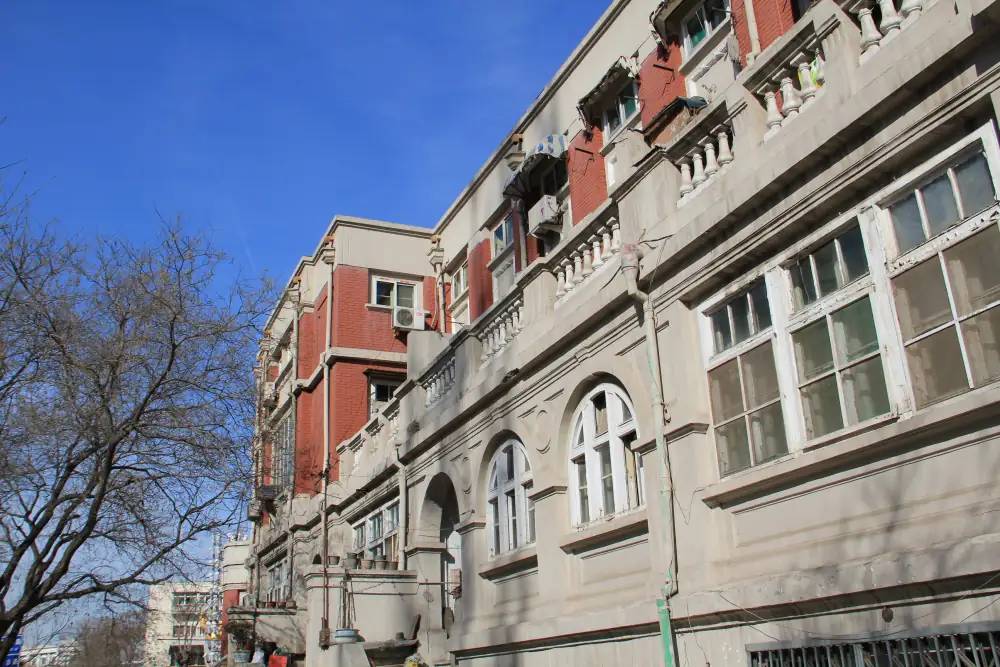
Erduo yan zha gao (耳朵眼炸糕, ear-hole fried cakes) are named after the narrow alley (like an ear hole) where the original shop operated. They’re glutinous rice dough balls filled with sweet red bean paste, deep-fried until the outer shell is crispy and the interior is soft and slightly chewy.
These are best eaten fresh and hot. ¥5-10 per cake at the various Erduo Yan shops in the city (there are now multiple branches plus imitators).
The sweet red bean version is the original. Some shops now offer savoury fillings — these are modern additions rather than traditional versions.
Nanshi Food Street (南市食品街)
Nanshi Food Street (南市食品街) is a large indoor food market in Hexi District built in a traditional architectural style. It’s the most comprehensive single location for Tianjin food — hundreds of stalls and small restaurants in one building.
What you’ll find here: baozi of all varieties, jianbing at breakfast, regional noodles, local cold dishes, and plenty of stalls selling gift boxes of Tianjin specialties. The quality varies significantly stall to stall. Walk the full circuit before committing — the freshest-looking food and longest queues indicate quality.
Hours: Opens 8am, most stalls close by 9pm. The breakfast hours are best for food quality.
The Italian Quarter and European Flavour
Tianjin’s concession-era history (the city was carved into European-administered zones in the 19th century) left architectural traces in several areas. The Italian Quarter (意大利风情街) near Wudadao has restored European buildings and a café and restaurant scene that’s more European-influenced than typical northern China.
This isn’t traditional Tianjin food, but the Wudadao area has several good café and Western restaurant options that are more competently executed than equivalents in most Chinese cities — a reflection of the area’s historical connections.
Traditional Tianjin Cuisine Beyond the Famous Three
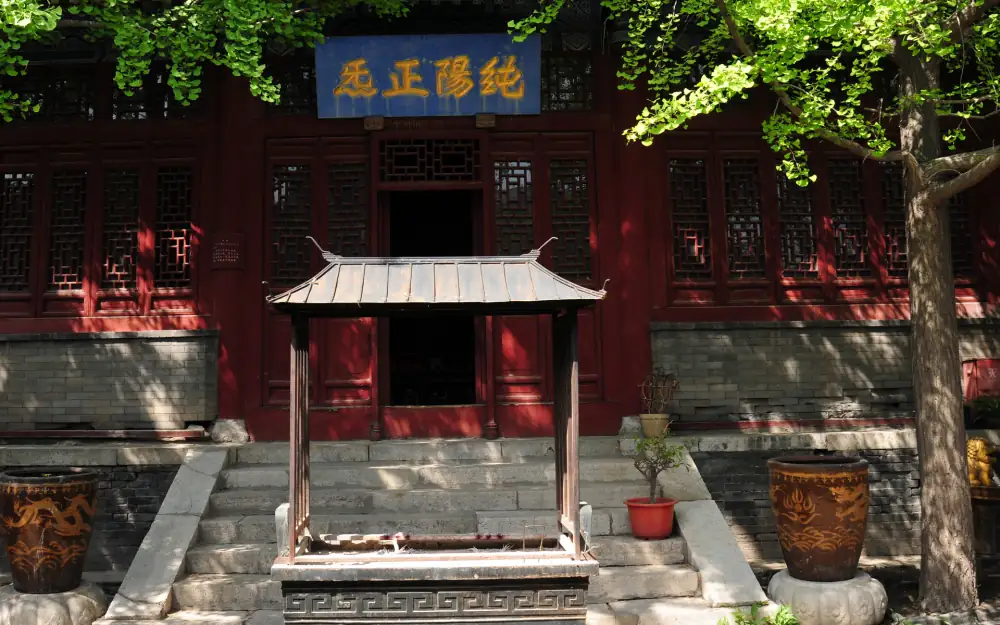
Tianjin-style stewed meatballs (天津扒肉条) — slow-braised pork strips in soy and spice. A proper northern Chinese braised meat dish. ¥40-70 at traditional restaurants.
Crab roe tofu (蟹黄豆腐) — soft tofu in a sauce enriched with crab roe. This is the Tianjin tradition specific to hairy crab season (October-November), when local Bohai Sea crabs are at their best.
Tianjin pancake roll (天津卷煎) — similar to Peking duck rolls but with different fillings including pickled vegetables and hoisin-braised meat.
Silver needle noodles (银针面, yínjēn miàn) — extremely thin noodles made by hand, served in clear broth with various toppings. A Tianjin technique requiring considerable skill.
The Gubeikouzi Area (鼓北口子)
The Gubeikouzi neighbourhood and the streets around Drum Tower (古文化街 / Gu Wenhua Jie, Ancient Culture Street) form the traditional core of Tianjin eating. This area has the highest density of Tianjin specialty food shops and traditional snack stalls in the city.
Worth looking for: hand-made twisted noodles (花卷), sesame-crusted flatbreads (烧饼), and the various traditional snack shops that line the streets here. Less tourist-engineered than the main food street, though it’s been through renovation cycles.
Practical Notes
Day trip from Beijing: Tianjin is 30 minutes from Beijing’s Tianjin South station by G-series high-speed train (¥54-75). This makes it very viable as a day trip. You can arrive in the morning, eat jianbing at a street stall, do the food market, eat lunch at a baozi shop, and be back in Beijing by evening.
Tourist trap avoidance: The Goubuli chain in tourist areas is overpriced. The packaged gift sets at the train station are more honest pricing for what they are, but don’t represent actual restaurant quality. Seek out neighbourhood versions of the same food.
Budget: Breakfast ¥10-25. Street food day ¥50-100. Sit-down lunch ¥35-70. Dinner at a traditional restaurant ¥80-150 per person.