
Nam Tso (纳木错, Nàmù Cuò — “Sky Lake” in Tibetan) is the second-largest lake in Tibet and the highest saltwater lake in the world at 4,718 meters above sea level. The lake covers 1,920 km² and stretches between the Nyainqêntanglha mountain range (which rises to 7,162m directly above the southern shore) and the Changtang plateau grassland. On clear days, the lake’s deep blue is so vivid it seems artificially colored; the silence and the physical exposure to sky and mountain are an experience of enormous psychological force.
The Journey from Lhasa
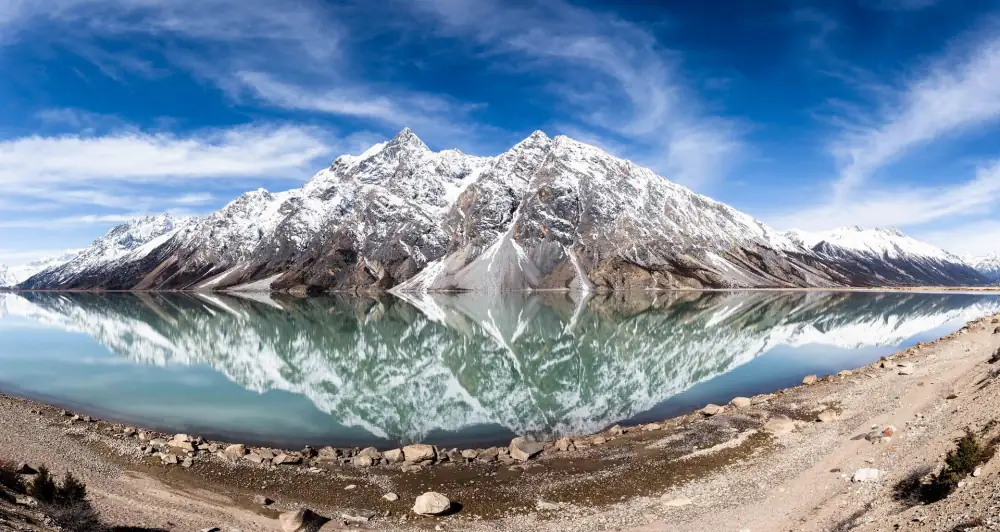
Nam Tso is 240 km north of Lhasa, accessible via the Nyainqêntanglha Pass (那根拉山口) at 5,190m — 472 meters higher than the lake itself. The crossing of this pass is the most dramatic part of the journey: prayer flags strung between poles line the summit, the ground is sometimes snow-covered even in summer, and the first sight of the lake on the descent is one of the great moments of Tibetan travel.
By organized tour from Lhasa: The standard approach — most visitors take a 2-day tour: leave Lhasa early morning, drive to the pass (3 hours), descend to the lake, spend the afternoon and night in a tent camp or simple guesthouse at Tashi Dor Peninsula, watch sunset and sunrise, return to Lhasa on day 2.
Duration of stay: Most visitors stay one night minimum; more serious nature travelers or cyclists stay 3–5 days.
The Tashi Dor Peninsula (扎西多)
The only developed tourist area on the lake, the Tashi Dor Peninsula extends into the southeastern section of the lake with two rocky outcrops that are considered sacred. Ancient cave hermitages are accessible with a short climb; mani stones (carved with Buddhist prayers) line the pathways. The peninsula has basic accommodation in permanent tent structures (dormitory beds ¥80–200/night) and simple restaurant services.
The view at dawn: Sunrise at Nam Tso — the first light turning the Nyainqêntanglha peak pink, reflecting in the flat blue lake — is widely considered the most beautiful natural sight in Tibet accessible without advanced mountaineering. Wake at 05:30 (dawn arrives early at this latitude in summer).
Cycling Routes
The Nam Tso Loop
For fit cyclists acclimatized to altitude, Nam Tso offers extraordinary cycling. The full lake circumference is approximately 400 km — a multi-day ride for serious cyclists. The northern and western shores are mostly unpaved track across grassland; the eastern and southern shores have paved road in sections.
Single day cycling at the lake: From Tashi Dor camp, cycling westward along the lake shore for 20–30 km and back gives 5–8 hours of riding at altitude with continuous lake views. Rent bikes at the camp for ¥50–80/day.
Cycling from Lhasa to Nam Tso (full road route): A 4–5 day ride from Lhasa, one way, for experienced high-altitude cyclists. The route follows the main highway and then smaller roads over the Nyainqêntanglha Pass. Logistics: ensure a support vehicle for gear transport over the pass; carry extra food and water for the plateau sections.
Cycling Logistics
Bikes: Standard mountain bikes (¥50–80/day) available at the lake; serious cyclists bring their own from Lhasa or rent quality bikes in Lhasa.
Altitude effect on cycling: At 4,700m, your aerobic capacity is approximately 50–60% of sea level. Gear down; move slowly. A 20 km ride at this altitude may feel equivalent to 50 km at sea level.
Route surface: Mixed — sealed road near Tashi Dor; dirt track and grassland elsewhere. Road bikes are inappropriate. Mountain or gravel bikes required.
Wildlife at Nam Tso
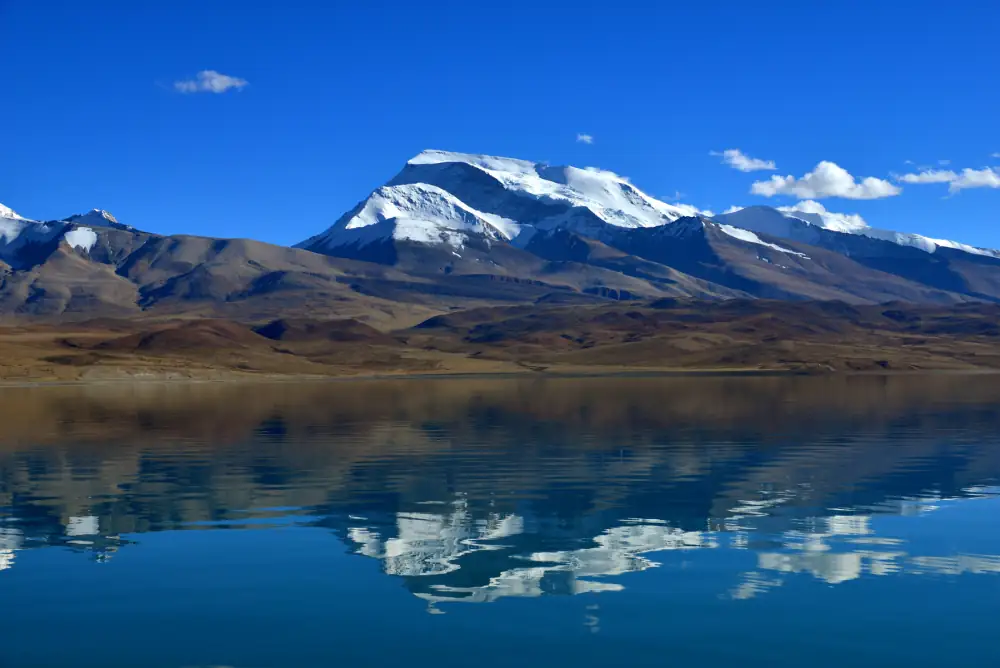
The lake and surrounding Changtang grassland are one of Tibet’s most biodiverse areas:
Birds: Bar-headed Goose (breeds here; one of the highest-altitude migrating birds in the world — flies over the Himalayas), Black-necked Crane (endangered), Brown-headed Gull, Tibetan Eared-Pheasant, various raptors.
Mammals: Tibetan Wild Donkey (Kiang), Tibetan Gazelle, occasional Snow Leopard tracks (rarely seen), Black-necked Crane pairs.
Best wildlife season: May–September. In winter the lake partially freezes and most migratory birds have departed.
Altitude Preparation
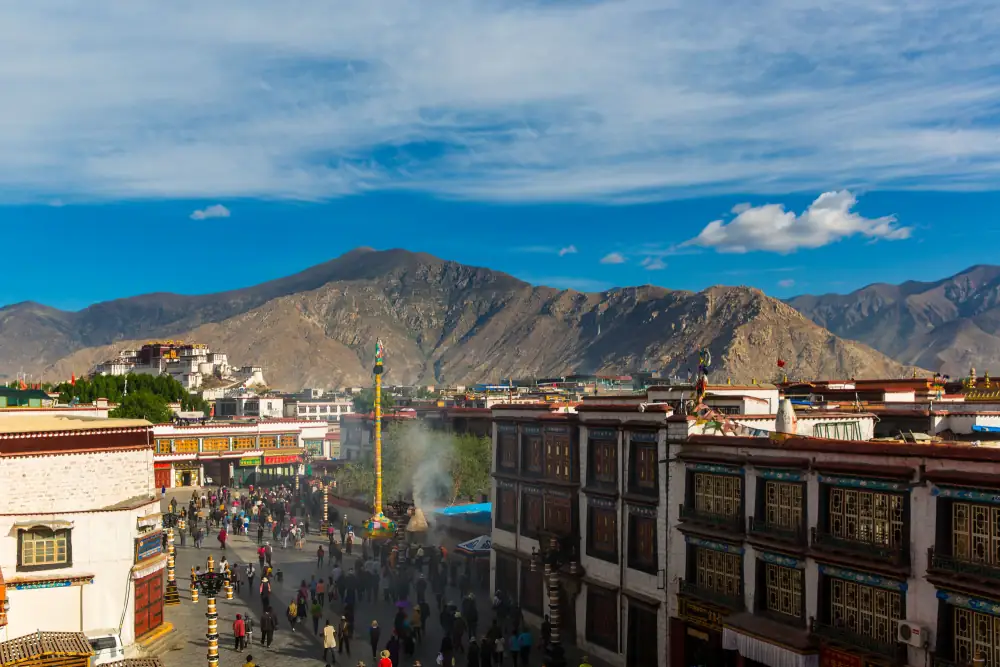
Nam Tso is almost always visited after a minimum of 2 nights in Lhasa (3,656m). Do not go to Nam Tso on your first or second day in Tibet — the additional 1,000m from Lhasa to the lake and the exposed conditions cause acute altitude sickness in unprepared visitors.
Signs you should not go: Persistent headache in Lhasa; nausea; shortness of breath at rest; any of these symptoms means your body hasn’t acclimatized. Wait another day.
The pass: The Nyainqêntanglha Pass (5,190m) is the highest point. Spend no more than 30 minutes here; eat high-energy snacks; don’t run or exert yourself; oxygen supplements available from your guide.
At the lake: The combination of altitude (4,718m), exposure to sun and wind, and physical activity means dehydration is a significant risk. Drink 4L of water per day. Use SPF 50+ sunscreen — UV radiation at this altitude is extremely intense even on cloudy days.
Tibet Permits
Tibet remains a restricted region requiring advance permits:
Tibet Travel Permit (TTB): Arranged by your licensed Tibet travel agency before departure. Cannot be obtained independently.
Nam Tso Alien’s Travel Permit: Required specifically for Nam Tso (and other areas outside the Lhasa Urban Area). Your agency handles this.
Changtang Nature Reserve Permit: Required for extended stays or travel into the deeper Changtang. Your agency handles this.
Agency requirement: All foreign travelers in Tibet must be accompanied by a licensed Tibet guide for the full duration of the visit. This is enforced at checkpoints throughout the region.
Planning Context
Nam Tso is best combined with:
- Lhasa base (Potala Palace, Jokhang Temple, Barkhor): 2–3 days
- Nam Tso: 2 days
- Optionally extend to Shigatse (Tashilhunpo Monastery) and Gyantse
A minimum 7-day Tibet itinerary covering Lhasa, Nam Tso and Shigatse is the recommended structure for a first visit. Tibet permits and guide arrangement should be finalized 3–4 weeks before arrival.
The memory that stays from Nam Tso is the combination of physical vulnerability (the altitude, the cold wind off the lake, the awareness of being very small in a very vast landscape) with absolute beauty — the lake’s impossible blue, the mountain’s white shoulder, the prayer flags snapping in silence. It is an experience that changes the scale of things.