
Table of contents
Open Table of contents
- The Sacred Turquoise Sea: First Impressions of Yamdrok
- Permits Required for Yamdrok Lake
- Getting to Yamdrok Lake from Lhasa
- Best Viewpoints and Photography Spots
- Sacred Significance: Understanding Yamdrok
- Altitude and Health: Essential Preparation
- Wildlife at Yamdrok Lake
- Combining Yamdrok with the Gyantse and Shigatse Route
- Practical Information
The Sacred Turquoise Sea: First Impressions of Yamdrok
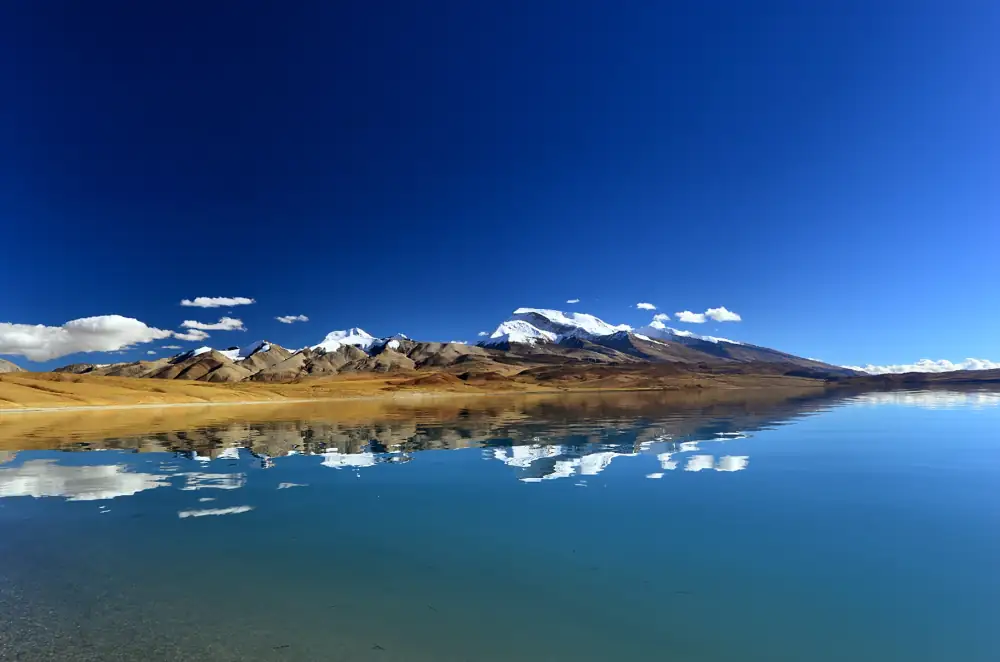
The first sight of Yamdrok Lake (羊卓雍错) from the Gampa La Pass tends to stop people in their tracks. You have been driving upward through sparse high-altitude scrub, the altitude thickening the air and slowing your thoughts, and then the road crests a pass at 4794 metres and suddenly the lake is there. Not the pale blue of overexposed photographs, but a vivid, saturated turquoise that seems to belong to a more vivid version of reality.
Yamdrok is one of Tibet’s three sacred lakes alongside Namtso and Manasarovar. At 4400 metres above sea level and roughly 72km long, it is the largest inland lake in Tibet. Its Tibetan name translates roughly as Jade Lake in the Upper Pastures, and the Tibetan people regard it as the soul lake of the southern Tibetan plateau. For visitors, Yamdrok offers one of the most photogenic and emotionally powerful landscapes on earth.
Permits Required for Yamdrok Lake
Tibet requires permits that differ from the rest of China. Foreign visitors need two key documents before they can enter.
Tibet Travel Permit
All foreign visitors to Tibet require a Tibet Travel Bureau permit. This cannot be arranged independently — you must book through a licensed Tibet travel agency. Processing time is 5–15 working days and requires a passport copy and Chinese visa. The cost is included in agency fees.
Alien Travel Permit
For visits to areas near the Nepal border, an additional Alien Travel Permit is required in some areas. Your agency will advise whether this applies to your specific itinerary.
Since independent travel to Tibet is not permitted for foreign nationals, all visitors book through licensed agencies. Budget shared tours run from ¥500–800 per person per day. Private mid-range tours cost ¥800–1500 per person per day. Most Lhasa-based day trips to Yamdrok are priced at ¥500–800 per person when sharing a vehicle with other travellers.
Getting to Yamdrok Lake from Lhasa
Distance and Route
Yamdrok Lake is approximately 80km south of Lhasa. The standard route via the Gampa La Pass takes 2–2.5 hours by vehicle through dramatic mountain scenery.
Day Trip vs Overnight Stay
A day trip from Lhasa is perfectly feasible. Most itineraries leave Lhasa at 8–9 AM and return by 6–7 PM, including 3–4 hours at the lake. An overnight stay at Nangartse on the southern shore allows early morning photography when the light is extraordinary and the tour groups have not yet arrived. Basic guesthouses in Nangartse cost ¥100–200 per night.
The most popular multi-day option combines Yamdrok with a drive south over the Karo La Pass where a glacier descends to road level, then continues to Gyantse and Shigatse. This 2–3 day itinerary covers some of the finest landscapes in all of Tibet.
Best Viewpoints and Photography Spots
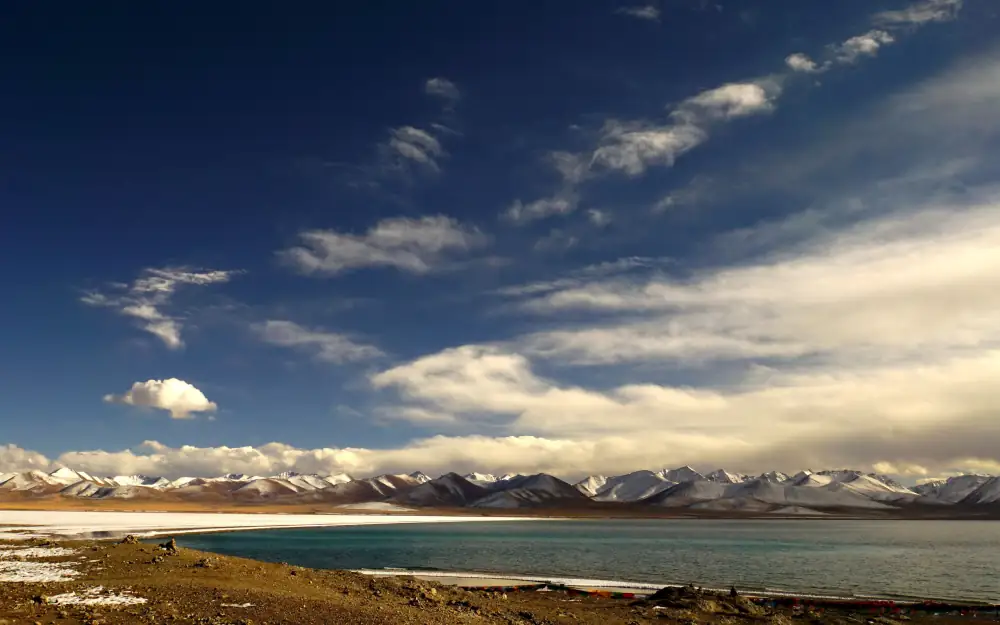
Gampa La Pass Viewpoint
At 4794m elevation, this is where you get the first full view of the lake. Stalls sell Tibetan jewellery and ceremonial items, and yaks are available for photographs for a ¥10–20 tip. The viewing area gets crowded mid-morning as day trips from Lhasa arrive, so early arrival pays dividends.
Wide-angle lenses capture the full sweep of the lake and surrounding peaks. Golden hour light from the east in early morning creates the most dramatic conditions. If staying overnight nearby, the drive up at dawn before tour buses arrive is an extraordinary experience.
Nangartse Shoreline
The town of Nangartse sits directly on the southern shore. From the village waterfront, the scale of the lake becomes apparent with the far northern shore barely visible. A short walk along the shore away from the town finds quieter spots with clear water reflections.
Samding Monastery Promontory
Samding Monastery sits on a promontory extending into the lake, making it one of the most dramatically positioned religious buildings in Tibet. The monastery is home to Dorje Phagmo, the highest-ranking female reincarnation in Tibetan Buddhism. The view from the promontory over the surrounding turquoise water is exceptional and worth the detour.
Eastern Shoreline Villages
Several small pastoral communities on the eastern shore are accessible by rough track. Nomadic herding families live here seasonally, and yaks graze along the shoreline. This area sees far fewer visitors than the main viewpoints and offers a more intimate glimpse of lakeside Tibetan life.
Sacred Significance: Understanding Yamdrok
For Tibetan Buddhists, Yamdrok is not merely a beautiful lake. It is one of the four cardinal soul lakes of Tibet — spiritual mirrors consulted through oracles for guidance about important decisions, including the selection of reincarnated lamas. The lake is considered the residence of a protective deity, and its waters are believed to have purifying properties.
Tibetan pilgrims walk the entire circumference of the lake — a kora of approximately 120km — as a spiritual practice taking 5–7 days. Being aware of this sacred dimension changes how you experience the place. The lakeside prayer flags, incense smoke from small altars, and pilgrims walking with prayer beads are not cultural decorations but expressions of living faith. Photograph respectfully, ask permission before photographing individuals, and treat the lake and its surroundings with appropriate reverence.
Altitude and Health: Essential Preparation
Altitude at Key Points
- Lhasa: 3650m
- Gampa La Pass: 4794m
- Yamdrok Lake surface: 4400m
- Karo La Glacier (if continuing to Gyantse): 5020m
Acclimatisation Protocol
The standard recommendation is to spend at least 2 full days in Lhasa before venturing higher. This allows your body to begin producing additional red blood cells and adjusting to the reduced oxygen levels.
Acute Mountain Sickness symptoms include headache, nausea, fatigue, and dizziness. These commonly occur in Lhasa and usually improve with rest. If symptoms worsen significantly or you develop confusion, difficulty walking, or extreme shortness of breath, descend immediately. Diamox (Acetazolamide) is a prescription medication that helps acclimatisation — consult your doctor before your trip.
Stay hydrated by drinking more water than normal. Avoid alcohol for the first 2–3 days in Tibet. Move slowly and plan more time for everything, as climbing stairs at 4400m is genuinely tiring.
Wildlife at Yamdrok Lake
The high-altitude environment around Yamdrok supports remarkable wildlife adapted to harsh conditions.
Bar-headed geese are remarkable birds that migrate over the Himalayas in one of the highest migration routes on earth, breeding around Yamdrok and other Tibetan lakes from April through September.
Black-necked cranes are the only crane species that breeds in alpine conditions. They are present around the lake in summer from May to September, with the best viewing in shallow wetland areas at the lake margins.
Tibetan antelope known as chiru graze in the grasslands north of the lake, particularly in winter. Numbers have recovered significantly from severe poaching in past decades. Tibetan wild ass called kiang appear in larger herds and are sometimes seen alongside roadsides across the plateau.
Combining Yamdrok with the Gyantse and Shigatse Route
The classic multi-day itinerary from Lhasa follows the Friendship Highway south through the Yamdrok valley, continues over the Karo La Pass where glaciers come within metres of the road surface, and descends to the historic fortress town of Gyantse. From Gyantse, the route continues west to Shigatse, the second-largest city in Tibet and home to the magnificent Tashilhunpo Monastery.
This route typically takes 2–3 days and covers approximately 350km from Lhasa. It is the standard first circuit for most Tibet visitors and one of the most rewarding drives available anywhere in Asia. Most agencies offer this as a standard package with prices starting around ¥2500–4000 per person for 3 days including accommodation, transport, and guide.
Practical Information
Best time to visit: May through October. The lake is accessible year-round but winter brings extreme cold, possible road closures from snow, and shorter daylight hours. Summer from June to August has the highest visitor numbers but most reliable weather.
What to pack: Sunscreen at SPF 50 or higher is essential as the thin atmosphere provides minimal UV protection. Bring warm layers since temperature drops 15–20 degrees Celsius between valley floor and mountain passes. A rain jacket, hat, and gloves are necessary even in summer. Bring altitude sickness medication if prescribed. Camera batteries drain fast in cold temperatures so carry spares.
Food and water: Bottled water is essential as tap water is not safe to drink. Nangartse town has several small restaurants serving basic Tibetan and Chinese dishes. Prices are higher than Lhasa due to transportation costs to this remote location.
Respectful behaviour: Do not swim in the lake as it is sacred. Do not litter. Walk clockwise around religious structures. Ask before photographing local people. Remove shoes when entering temples and monasteries.
Photography permissions: The lake itself is freely photographable. Some monasteries charge small photography fees of ¥10–30. Military and government installations must never be photographed.
Yamdrok Lake rewards those who come prepared and approach it with the right mindset — not as a scenic backdrop for selfies but as one of the genuinely sacred places remaining on earth. The visual drama alone justifies the journey, but it is the atmosphere, the altitude, and the living spirituality of the Tibetan plateau that makes it unforgettable.