
Table of contents
Open Table of contents
Namtso: The Heavenly Lake at 4718 Metres
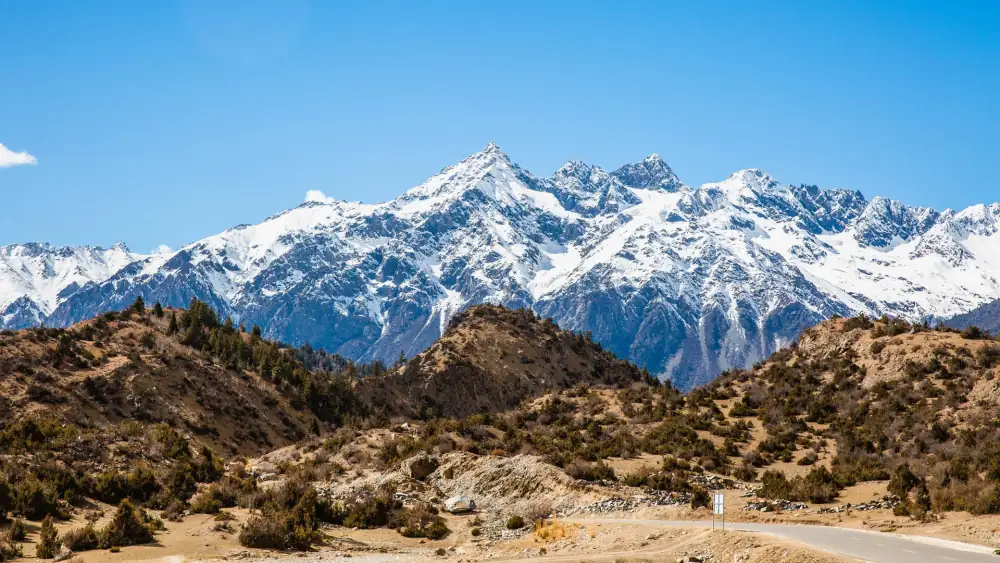
Namtso Lake (纳木错, Nāmù Cuò) means “Heavenly Lake” in Tibetan, and the name is apt. Sitting at 4718 metres above sea level on the Tibetan Plateau north of Lhasa, Namtso is the highest large saltwater lake in the world and the second largest lake in Tibet. At roughly 70km long and 30km wide, it occupies a basin flanked to the south by the massive Nyenchen Tanglha mountain range, whose peaks rise to 7162 metres and carry permanent glaciers even in summer.
The colour of the water shifts through the day — pale green in morning light, deep blue at midday, purple at sunset, and at night a mirror for the Milky Way that makes Namtso one of the best locations in Asia for astrophotography. The altitude and remoteness mean there is virtually no light pollution, and the thin atmosphere allows the stars to appear with a clarity and density that flatland visitors find genuinely shocking.
Namtso is a sacred lake in Tibetan Buddhism. According to tradition, meditating here for one day equals a year of meditation in ordinary places. Monks and nuns spend months in retreat in the caves around Tashi Dor Peninsula. Pilgrims walk the sacred kora (circumambulation) of the lake, a journey of approximately 400km that takes several weeks.
For visitors, Namtso offers a journey that pushes most people close to their physical limits — the altitude is severe, the landscape is austere, and the infrastructure is basic — and rewards them with one of the most profound landscapes on earth.
Permits and Entry Requirements
Tibet Travel Permit
All foreign visitors to Tibet require a Tibet Travel Bureau permit arranged through a licensed Tibet travel agency. Independent travel is not permitted. Processing takes 5–15 working days. Cost is included in agency fees.
Alien Travel Permit (边境证)
Namtso Lake, despite being within Tibet Autonomous Region rather than a border zone, has historically required an Alien Travel Permit in addition to the TTB permit for foreign visitors. Confirm with your agency whether this requirement applies in 2026 as regulations can change.
Booking Your Trip
Namtso is most commonly visited as part of a 3–5 day tour from Lhasa. The core route includes Lhasa sightseeing, the drive to Namtso, one or two nights at the lake, and return to Lhasa. Prices for organised tours start from approximately ¥2500–4000 per person for 3 days in shared transportation.
The Drive from Lhasa to Namtso
Route and Distance
The most direct route from Lhasa to Namtso covers approximately 240km and takes 4–5 hours with stops. The route goes north through Damxung County (当雄县) before ascending to Namtso via the Nyenchen Tanglha Pass.
Nyenchen Tanglha Pass (那根拉山口, 5190m)
The high point of the road to Namtso is the Nyenchen Tanglha Pass at 5190 metres — the highest most visitors will reach on a standard Tibet itinerary. The pass provides a dramatic first view of the lake spread below, with the Nyenchen Tanglha Range to the south and the vast Tibetan Plateau extending north to the horizon.
The pass is festooned with prayer flags in every direction and often crowded with small tour groups. Altitude effects are noticeable: walking 50 metres leaves most people breathless. The view is exceptional on clear days and surreal through clouds.
Acclimatisation Requirement
Do not attempt Namtso before spending at least 2–3 full days acclimatising in Lhasa at 3650m. The jump from Lhasa to the Namtso Pass at 5190m is substantial. Visitors with any symptoms of altitude sickness in Lhasa should wait until fully recovered before attempting Namtso.
At the Lake: Tashi Dor Peninsula
The Main Visitor Area
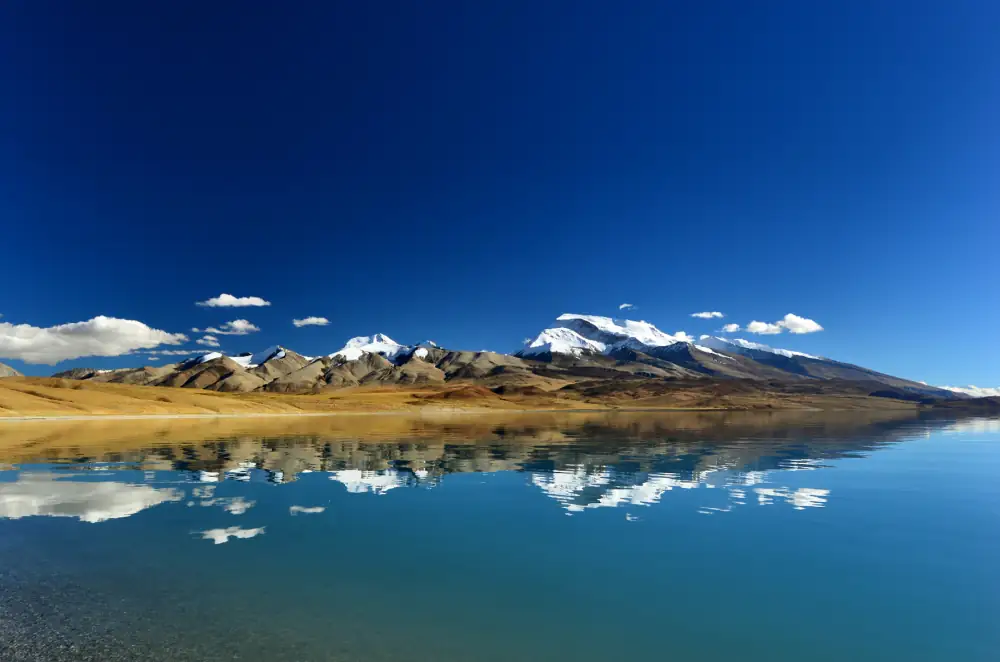
Most visitors base themselves at Tashi Dor Peninsula (扎西岛), a rocky promontory extending into the eastern end of the lake. The peninsula is dotted with caves used by Buddhist hermits, a monastery complex, and a small cluster of guesthouses and restaurants serving the visitor trade.
The landscapes here are otherworldly: turquoise water fringed with frost in early morning, massive mountains rising immediately to the south, silence broken only by wind and the low chants from the monastery. Yaks graze on the sparse high-altitude grass.
The Sacred Kora of Tashi Dor
A short kora (circumambulation) of the Tashi Dor Peninsula takes 2–3 hours and passes through dramatic rock formations, past cave meditation retreats, and along the lakeside with views across the water to the northern mountains. Walking clockwise is the correct direction. This is a manageable hike for acclimatised visitors and gives a more intimate experience of the peninsula than staying near the main viewpoints.
Lakeside Monastery
The small monastery on Tashi Dor houses a community of Tibetan Buddhist monks and nuns. Visitors are welcome to observe (but not interrupt) ritual practice. Donation boxes are available. The monastery buildings appear ancient but have been rebuilt and expanded at various points; the spiritual atmosphere is genuine regardless of architectural age.
Night Sky Photography at Namtso
Namtso is exceptional for astrophotography for several converging reasons: altitude removes much of the atmosphere that scatters starlight, virtually zero light pollution across hundreds of kilometres, dry clear air particularly in spring and autumn, and the lake provides a massive reflective surface for compositions that include both sky and water.
Best Conditions
The clearest skies occur in spring (April–May) and autumn (September–October). Summer brings monsoon moisture from the south that can cloud skies from late June through August, though clear nights still occur. Winter (November–March) brings extremely cold temperatures (as low as -30°C at the lake) but near-perfect sky clarity.
Practical Tips for Astrophotography
Set up your tripod well before full dark as the lakeside becomes crowded with photographers on clear nights in peak season. Face north-west from the peninsula for compositions placing the Milky Way core over the mountains. A wide-angle lens (16–24mm) with f/2.8 aperture and ISO 3200–6400 gives good results. Exposures of 15–25 seconds capture significant detail without excessive star trailing.
The cold is your main challenge. Temperatures drop dramatically after sunset even in summer — be prepared for near-freezing conditions at night regardless of the warm daytime weather. Extra batteries are essential (cold kills battery life fast). Bring gloves that allow camera operation.
Moon Phases
New moon periods (and the few days surrounding new moon) give the darkest skies and most dramatic Milky Way visibility. Plan your visit around lunar calendars if astrophotography is a primary goal.
Accommodation at Namtso
The accommodation options at Namtso are basic and should be understood as part of the adventure rather than a disappointment.
Guesthouses near Tashi Dor: A cluster of simple guesthouses caters to the visitor trade. Rooms are basic — beds with heavy blankets, shared toilets, minimal heating. Prices range from ¥80–200 per person depending on room type. Hot water availability is inconsistent.
Tents: In the warmer months (May–September), some accommodation is provided in tent structures that offer marginally more comfort than basic rooms at the higher-end establishments. These are not camping in the backpacking sense — they are permanent tent structures on platforms with beds inside.
Yak herder hospitality: In some areas, nomadic herding families will sometimes offer accommodation to well-prepared travellers with basic Tibetan or Chinese. This is not a formal tourist service and requires appropriate sensitivity. Your guide can facilitate if this interests you.
Key expectation: Namtso is remote. The altitude means that even getting to the toilet in the night involves real effort. Embrace the simplicity.
Wildlife and Natural Environment
The Namtso area sits within a national nature reserve and supports significant wildlife.
Tibetan antelope (chiru): Small herds are common in the grasslands around the lake. Numbers have recovered significantly from severe commercial poaching in the 1980s–90s. The animals are not tame but are not particularly shy.
Tibetan wild ass (kiang): Large herds of kiang graze the northern plains around Namtso. Often seen in groups of 10–50 along roadsides.
Black-necked crane: Present in summer in the wetland margins of the lake. A globally threatened species that breeds only on the Tibetan Plateau.
Bar-headed goose: Remarkable high-altitude migrants that breed around the lake. Their annual migration over the Himalayas involves flying at altitudes above 7000m.
Brown bear: Tibetan brown bears inhabit the mountain areas and are very occasionally seen. Keep food secured.
Wolves and snow leopard: Present in the region though rarely seen. Snow leopard sightings near Namtso are exceptional but not impossible.
Seasonal Guide
Spring (April–May)
Excellent for photography with clear skies and snow still on the mountains. Cold nights and unpredictable weather, but the landscape is stunning with winter ice beginning to break on the lake. Fewer visitors than summer.
Summer (June–August)
Peak tourist season. The plateau grasslands turn green and wildflowers bloom. Days are warm at the lakeside though nights remain cold. Monsoon moisture can cloud skies but still delivers spectacular dramatic cloudscapes. Most crowded period.
Autumn (September–October)
Arguably the best season. Clear skies return as monsoon withdraws, golden grasslands, cooler temperatures, and excellent photography conditions. October brings the first snows on the high passes and the lake takes on spectacular colours.
Winter (November–March)
Extreme cold (routinely below -20°C at night, potential -30°C). Roads can be impassable after snowfall. Some guesthouses close entirely. Remarkable sky clarity and almost complete solitude. For the genuinely hardy and well-prepared, an extraordinary experience.
Practical Tips
The altitude at Namtso (4718m) is higher than anywhere most visitors will have been before. Headache, nausea, fatigue, and disturbed sleep are expected even after Lhasa acclimatisation. Descend if symptoms worsen significantly.
Bring significantly more warm clothing than you expect to need. Even in summer, wind at the lakeside cuts through light layers. Temperatures of 5–15°C are normal at midday, dropping to near-freezing at night.
The entrance fee to the Namtso National Nature Reserve is ¥120 per person, paid at a gate on the approach road. This is in addition to any accommodation or guide costs.
Food options at the lake are limited to what the guesthouses serve: usually instant noodles, simple rice dishes, and butter tea. If you have specific dietary requirements, bring supplies from Lhasa.
Signal is extremely limited at Namtso. Chinese mobile networks have some coverage on the peninsula but reliability is low. Inform people at home that you will be unreachable.