
Namtso Lake sits at 4,718 metres above sea level on the Tibetan Plateau, 190 kilometres north of Lhasa. Its water is an improbable shade of turquoise and deep blue that shifts with the sky and the time of day. The snow peaks of the Nyenchen Tanglha range reflect in the surface. Buddhist prayer flags flutter from cairns along the shore. Tibetan nomads graze their yaks on the surrounding grasslands.
It is one of the most visually overwhelming landscapes in Asia, and also one of the physically demanding. At 4,718m — nearly 1,000m higher than Lhasa — altitude sickness is a serious consideration and has turned back more than a few enthusiastic travelers at the entrance gate.
Table of contents
Open Table of contents
Why Namtso Is Significant
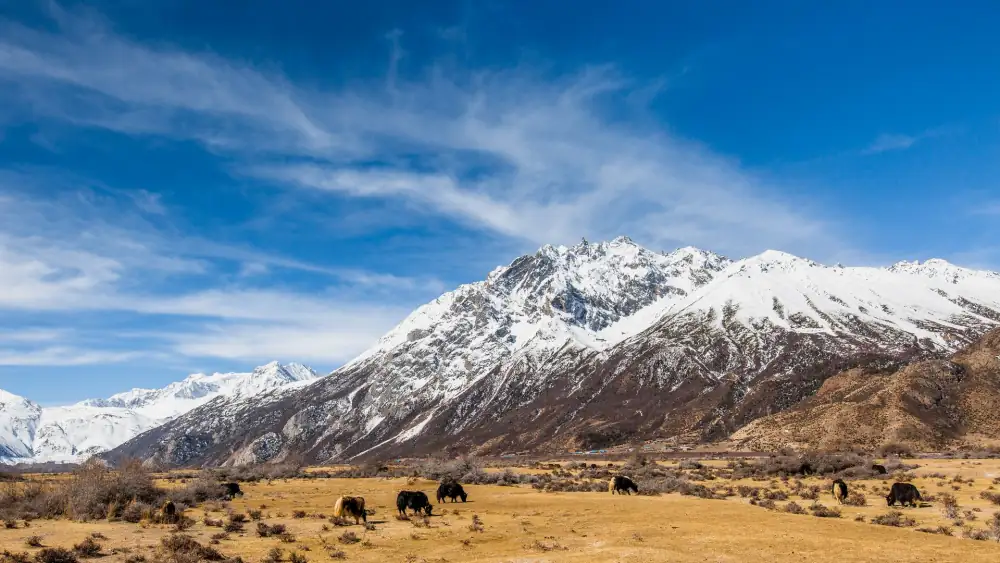
Namtso (纳木错, Tibetan: གནམ་མཚོ) means “Heavenly Lake” in Tibetan. It is the largest lake in Tibet, stretching about 70km long and 30km wide, and the third largest saltwater lake in China. Its elevation makes it the highest large lake in the world.
For Tibetan Buddhism, Namtso is one of the three sacred “goddess lakes” of Tibet (along with Yamdrok and Manasarovar) and is associated with Dorje Phagmo, the highest-ranking female tulku (reincarnate lama) in Tibetan Buddhism. Pilgrims circumambulate the lake — the full kora takes approximately three weeks on foot — and the Tashi Dor Peninsula at the eastern end of the lake has been a site of cave meditation retreats for Tibetan monks for over a thousand years.
Getting to Namtso
Namtso is typically reached as a 2-day excursion from Lhasa. The road north from Lhasa crosses the Nyenchen Tanglha mountain pass at 5,190m before descending to the lake — this pass is often the point where altitude symptoms first appear or intensify.
By organized tour: The standard approach is through a Tibet tour operator, who provides a jeep (typically Toyota Land Cruiser 4700), a Tibetan guide (required by regulation), and handles the Namtso Area Permit that is required in addition to the standard Tibet Travel Permit. Tour operators in Lhasa offering this 2-day trip typically charge ¥700–¥1,200 per person for a shared vehicle with 4 passengers, including the permit fee (¥120–¥150) and accommodation at the lake.
Driving time: Lhasa to Namtso is approximately 4–5 hours one way, depending on road conditions and stops at the mountain pass. Most tours depart Lhasa at 7–8am and arrive at the lake by noon.
When to go: May to October is the accessible season; the road to Namtso closes in winter due to snow. June to September offers the best weather and the highest chance of clear skies. The lake area experiences frequent afternoon thunderstorms in summer — plan your key viewing for morning.
The Tashi Dor Peninsula
The Tashi Dor Peninsula juts into the lake at its eastern end and is where nearly all visitors concentrate. Two rock formations — nicknamed “Mother and Son” — rise from the tip of the peninsula, with cave temples built into them that have been used by hermit monks for centuries.
The peninsula has a basic guesthouse cluster (the only accommodation options at the lake), a few simple restaurants, and a viewpoint looking west along the full length of the lake toward the snow peaks. This western view at sunrise — the mountains turning pink while the lake surface catches the first light — is the defining photograph of Namtso.
Entry fee to the Namtso Scenic Area: ¥120 per person.
Sunrise from Tashi Dor: The Essential Experience
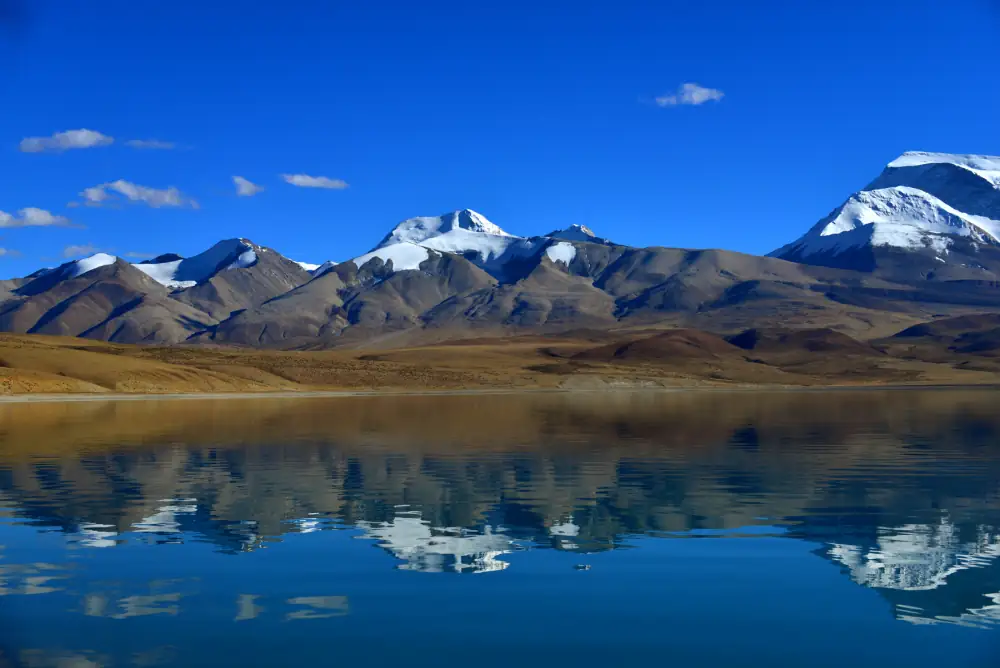
The sunrise over Namtso is the reason most photographers make this difficult journey. Setting up on the lakeshore at 5am, with the sky beginning to lighten behind you in the east, and watching the Nyenchen Tanglha peaks gradually emerge from darkness and take on colour — gold, then pink, then white — is an experience that has no adequate verbal description.
The practical requirements: stay overnight at the guesthouse on Tashi Dor (¥60–¥120 for a basic dorm bed, ¥200–¥350 for a private room), set an alarm for 5am, dress in full winter layers even in summer (the lakeside temperature at dawn is typically -5°C to +5°C even in July), and walk to the western-facing viewpoint 10 minutes before sunrise.
The guesthouse accommodation is extremely basic — no reliable electricity, no hot water, cold and thin bedding. Bring a sleeping bag rated to at least -5°C.
The Altitude Reality
This needs to be stated clearly: Namtso at 4,718m is not for visitors who have just arrived in Tibet. The altitude at Namtso is genuinely dangerous for unacclimatized individuals, and emergency evacuations (by helicopter from Lhasa in serious cases) do happen.
Minimum acclimatization: At least 3–4 full days in Lhasa before attempting Namtso. Ideally, spend a day in Shigatse (3,836m) between Lhasa and Namtso if the itinerary permits.
Symptoms at 4,718m: Even well-acclimatized visitors typically experience noticeable breathlessness when walking, mild headache, and reduced energy. Moving slowly, drinking 3+ litres of water daily, and avoiding alcohol are the fundamentals.
Turn back if: You experience severe headache, vomiting, confusion, or difficulty walking in a straight line. These are signs of altitude cerebral or pulmonary edema — medical emergencies.
Portable oxygen: Many guesthouses at the lake sell oxygen canisters (¥30–¥60 each). These provide temporary relief but do not substitute for proper acclimatization.
The Nomad Camp Experience
The grasslands around Namtso are still used by Tibetan nomad families (drogpa) who graze yaks and sheep on the plateau pastures. Several nomad families have established visitor camps near the lake — black yak-hair tents (dra) where you can drink yak butter tea (酥油茶), try tsampa (roasted barley flour mixed with butter tea, the Tibetan staple food), and see how the plateau pastoralist life is organized.
These encounters range from genuinely authentic to somewhat staged depending on who arranges them. The more honest version happens when your Tibetan guide has personal connections with nomad families in the area — ask specifically about this when booking your tour.
Practical Summary
- Altitude: 4,718m. Acclimatize 3–4 days in Lhasa first.
- Access: Jeep tour with Tibet permit + Namtso area permit. Book through a licensed Lhasa tour operator.
- Duration: 2 days / 1 night recommended for sunrise.
- Best months: June–September.
- Accommodation: Basic guesthouses on Tashi Dor Peninsula.
- Cost: ¥700–¥1,200 per person for 2-day organized tour from Lhasa, excluding personal expenses and meals.