
Beijing’s food scene is one of China’s most distinctive — shaped by imperial court cuisine, northern Chinese staples, Muslim halal cooking, and the collision of 22 million people from every province. This is the guide to eating well in the capital, from celebrated roast duck houses to narrow hutong snack lanes.
Table of contents
Open Table of contents
- The Crown Jewel: Peking Duck (北京烤鸭)
- Lamb Hotpot (涮羊肉): Beijing’s Winter Soul Food
- Zhajiangmian (炸酱面): The Soul of Beijing Noodles
- Hutong Street Food: A Walking Tour
- Guijie (簋街): Beijing’s 24-Hour Food Street
- Niujie (牛街): Beijing’s Halal Food District
- Where Locals Eat vs Tourist Traps
- Beijing Food by Neighbourhood
The Crown Jewel: Peking Duck (北京烤鸭)
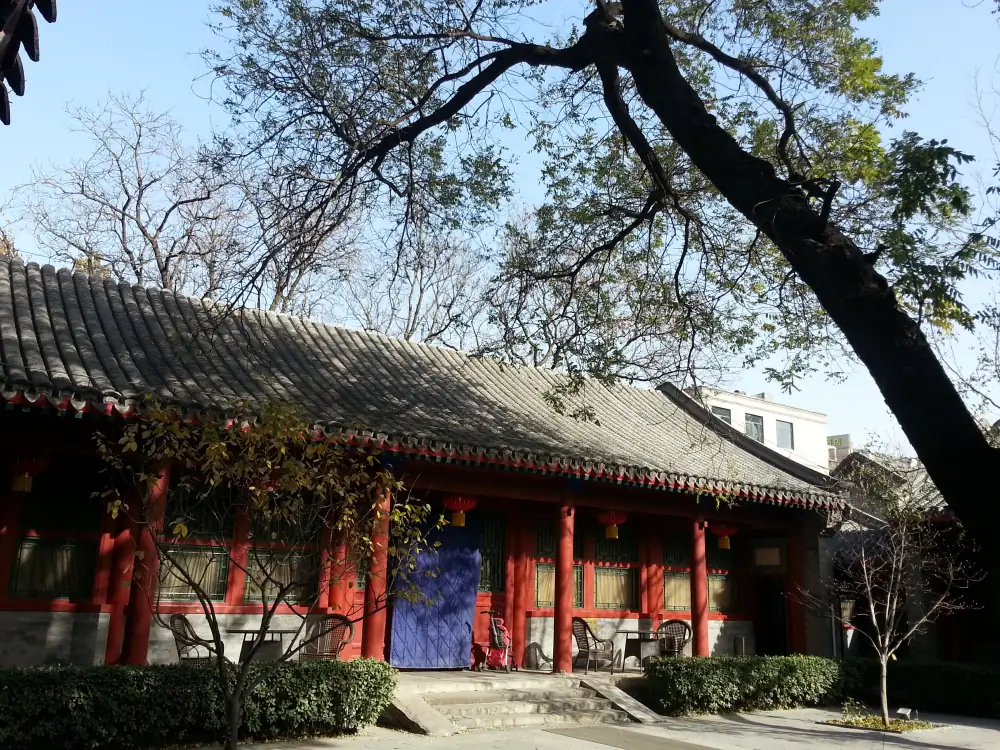
What makes it different
Beijing roast duck is prepared using a wood-fired closed oven and a unique inflating technique that separates the skin from the fat. The result: impossibly crisp mahogany skin served with paper-thin pancakes, cucumber, spring onion, and sweet bean sauce (甜面酱). The duck itself is carved tableside at proper restaurants.
Where to eat it
Quanjude (全聚德) — the institution. Founded in 1864, Quanjude is the most famous duck restaurant in China. The flagship at Qianmen has been feeding tourists and dignitaries for over a century. The duck is excellent but expect crowds, higher prices (¥200–¥300 per person), and a somewhat formal atmosphere. Best branch: Qianmen branch or Hepingmen branch
Da Dong (大董) — considered by many food critics to serve the best Peking duck today. The technique produces a leaner, less greasy bird. Creative accompaniments, stylish interior. ¥250–¥400 per person. Reservations essential. Locations: Tuanjiehu, Jinbao Street, and other branches
Siji Minfu (四季民福) — the local favourite for decades. Excellent duck at more accessible prices (¥150–¥220 per person), beloved by Beijing residents rather than tourist circuits. The Gubei or Guomao branches are popular with families.
Cheap option: Bianyifang (便宜坊) — another ancient brand (1416, older than Quanjude). Uses a different “焖炉” (sealed oven) technique, producing slightly different skin texture. More affordable, less touristy.
How to order properly
- Order half duck (半只鸭, bàn zhī yā) unless you have 4+ people — a whole duck serves 3–4
- Ask for the skin first (先上皮, xiān shàng pí) — the best part, eaten with a little sugar
- The remainder is served carved into slices with the full accompaniments
- Leftover duck carcass can be made into soup — ask “能做鸭架汤吗?“
Lamb Hotpot (涮羊肉): Beijing’s Winter Soul Food
Mongolian-influenced lamb hotpot is Beijing’s quintessential cold-weather meal. Thin-sliced lamb is dipped briefly in boiling broth and eaten with a sesame and fermented tofu dipping sauce.
Donglaishun (东来顺) — the classic brand, in business since 1903. The lamb is from Inner Mongolia; the sauce is the original Beijing recipe.
Jubaoyuan (聚宝源) — local legend in the Niujie (牛街) Muslim neighbourhood. Extremely popular with Beijing Muslim community and foodies. Expect queues on weekends.
Small neighbourhood hotpot shops (小火锅) — found throughout hutong areas; look for copper hot pot (铜锅) with a chimney in the centre. More atmospheric than restaurant chains.
Zhajiangmian (炸酱面): The Soul of Beijing Noodles
Zhajiangmian — thick wheat noodles topped with a rich pork-and-fermented bean paste sauce (炸酱), shredded cucumber, radish, edamame, and bean sprouts — is Beijing’s most beloved everyday dish.
Where to eat it: Almost every Beijing-cuisine restaurant serves it. For the authentic version, look for restaurants called 老北京炸酱面 (Old Beijing zhajiangmian).
Price: ¥25–¥45. If you’re paying more than ¥60 for a bowl, you’re in a tourist trap.
The technique: don’t mix all the toppings at once. Add them gradually as you eat, and leave the sauce on top in a “well” to dip noodles individually.
Hutong Street Food: A Walking Tour
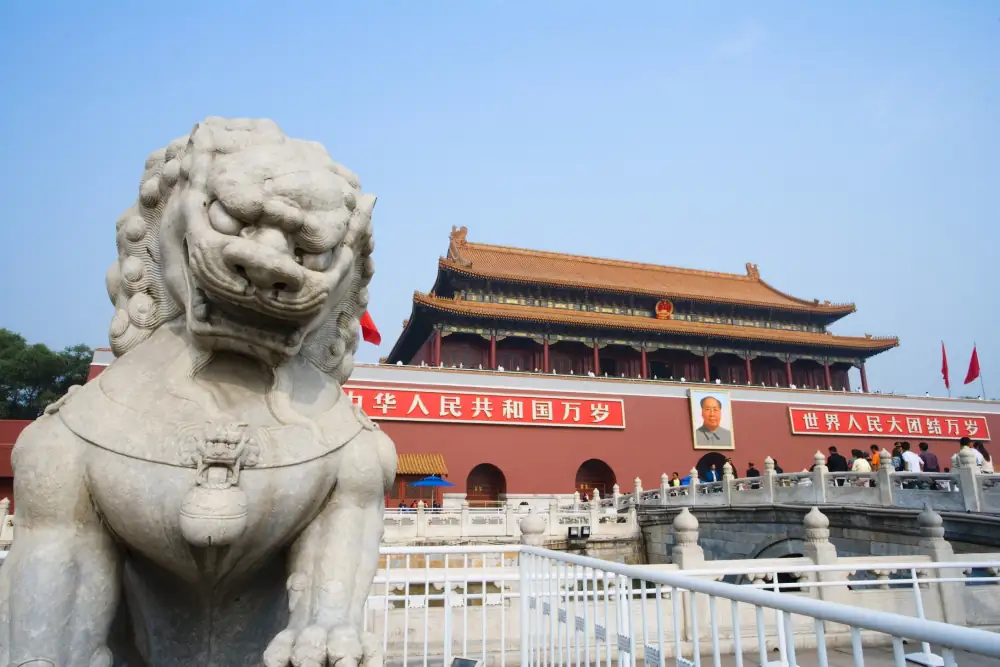
The hutong areas around Drum Tower, Nanluoguxiang, and Guozijian Street have Beijing’s best concentration of street food:
Must-eat street foods
Jian Bing Guo Zi (煎饼果子) — Beijing’s beloved breakfast wrap. A mung bean crepe folded around fried dough, hoisin sauce, chilli, egg, and coriander. Available from street carts from 6am. Price: ¥8–¥12.
Baozi (包子) — steamed buns with various fillings. Goubuli (狗不理) is the famous Tianjin brand now widespread in Beijing; better are small neighbourhood steamed bun shops.
Douzhi (豆汁) — Beijing’s most divisive dish: fermented mung bean juice, served warm with shredded pickled vegetables and fried ring crackers (焦圈). Described as an acquired taste (extremely sour, somewhat funky smell). Beloved by Beijingers; challenging for most newcomers. Available at traditional Beijing snack restaurants.
Aiwowo (艾窝窝) — soft glutinous rice balls filled with sesame, walnut, and sugar. A traditional imperial court snack, now sold at snack shops in the Qianmen and Dashilar areas.
Lu Zhu Huo Shao (卤煮火烧) — a working-class Beijing staple: slow-braised pork intestines and tofu in a rich broth, served with wheat flatbread (火烧). Sounds confronting; tastes extraordinary. Look for shops with massive copper vats at the front.
Guijie (簋街): Beijing’s 24-Hour Food Street
Guijie (Ghost Street), near Beixinqiao on Line 5, is a 1.4km stretch of restaurants open until 3–4am. Specialising in spicy crayfish (麻辣小龙虾) and Sichuan-influenced dishes, it’s where Beijingers go for late-night eating after bars close.
Best time to visit: 9pm–midnight for full atmosphere. Most restaurants seat diners on the street level; the best ones have queues.
Niujie (牛街): Beijing’s Halal Food District
Niujie in Xuanwu District is Beijing’s Muslim neighbourhood, centred around the historic Niujie Mosque (1000+ years old). The surrounding streets have:
- Lamb skewers (羊肉串)
- Lamb offal soup
- Sesame flatbreads (芝麻烧饼)
- Chinese-style pastries and sweets from Hui Muslim traditions
Best time: weekend mornings when the street market is in full swing.
Where Locals Eat vs Tourist Traps
| Area | Local | Tourist trap |
|---|---|---|
| Near Tiananmen | Walking 5 min north to Xicheng streets | Wangfujing snack street |
| Near Drum Tower | Guozijian Street neighbourhood spots | Nanluoguxiang restaurant row |
| Near Sanlitun | East third ring local canteens | Overpriced bar-area restaurants |
| Central Beijing | Guijie, Niujie, neighbourhood hutong spots | Hotels, major shopping malls |
Wangfujing Snack Street caveat: This famous street near the palace has scorpion-on-a-stick and deep-fried starfish that are primarily theatrical photo opportunities rather than genuine Beijing food culture. Prices are inflated and quality is inconsistent.
Beijing Food by Neighbourhood
Dongcheng / Wangfujing: best for traditional Beijing-cuisine restaurants; also good for high-end Shandong and northern Chinese food.
Xicheng / Shichahai: hutong food culture; traditional snack shops; lamb hotpot.
Chaoyang / Sanlitun: international cuisine (Korean, Japanese, Thai, Western); rooftop bars with food; modern Chinese.
Haidian / Zhongguancun: university district food — budget noodles, Sichuan, Korean; popular with students.
Last updated: May 2026 · Restaurant recommendations are based on consistent quality over time. Always check current reviews as restaurants change.