
Changbai Mountain (长白山, Baekdu Mountain in Korean) straddles the border between China’s Jilin Province and North Korea, and its volcanic crater lake — Heaven Lake (天池) — is split exactly along the international boundary. From the Chinese north peak, you look south across the deepest alpine lake in China to the North Korean side of the rim. It is one of the stranger border experiences available to tourists.
The mountain itself is extraordinary independent of geopolitics. The Heaven Lake caldera was formed by a massive volcanic eruption around 946 CE — one of the most powerful volcanic events in the past 2,000 years — and the lake that filled the crater is 2,189 metres above sea level, 384 metres deep, and an almost supernatural shade of blue-green.
Table of contents
Open Table of contents
The Three Slopes: Which to Choose
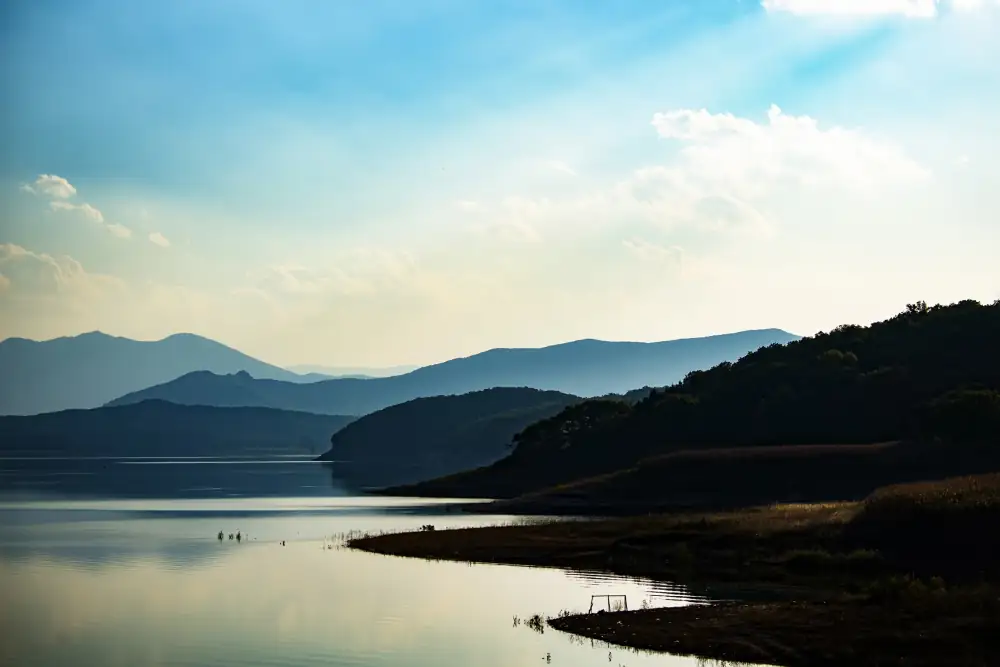
Changbai Mountain Scenic Area has three entry points — the North Slope (北坡), West Slope (西坡), and South Slope (南坡). Each gives a different experience.
North Slope: The most visited and accessible. The only slope with a shuttle bus system that takes you to near the crater rim. The Changbai Waterfall (long bai pu bu), the hot springs valley, and the most developed visitor infrastructure are all on the north slope. Best for first-time visitors and those with limited time.
West Slope: More remote, longer hiking options, and the best trekking routes through the sub-alpine forest zones. The summit crater is accessible from here but requires more physical effort — the ascent takes 3–4 hours on foot from the west slope entrance. Fewer crowds in peak season.
South Slope: The closest to the North Korean border and the wildest experience. Infrastructure is minimal. This slope is best suited to experienced hikers and those specifically interested in seeing the border area.
For most visitors, the North Slope is the entry point for Heaven Lake, and the West Slope is worth a half-day if you have more time.
Heaven Lake: The Crater at 2,189m
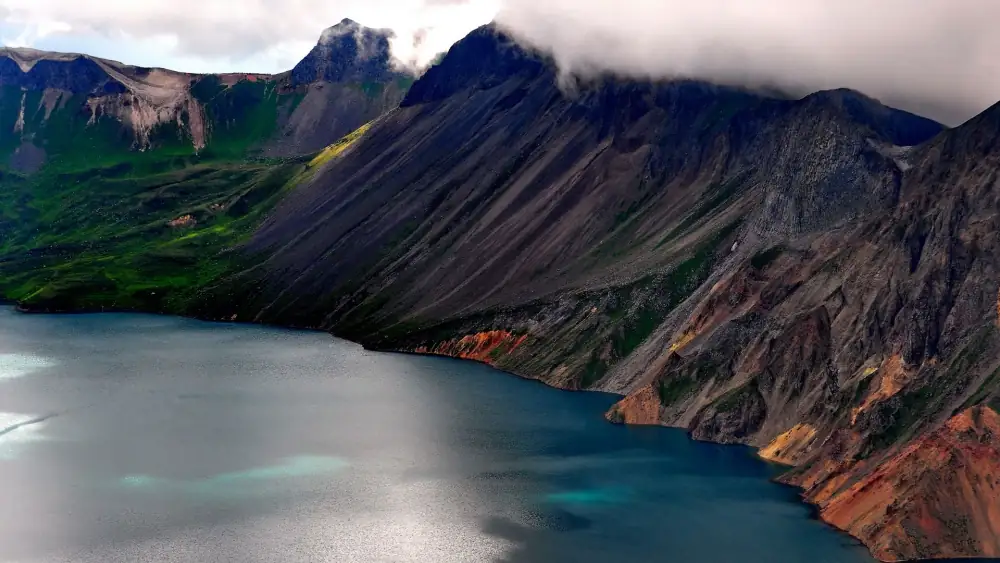
Heaven Lake (天池) is the defining experience of Changbai Mountain, and it’s entirely weather-dependent. The crater sits above the treeline at 2,189m, and cloud cover obscures the lake for an average of 60% of summer days. Clear views of the deep blue water and the surrounding jagged volcanic peaks are genuinely not guaranteed — many visitors arrive and see nothing but white cloud.
This is not a reason to skip it. It’s a reason to manage expectations, to stay overnight if possible (dawn and dusk are the clearest windows), and to accept that the mountain will decide what you see.
From the North Slope, the standard procedure is to take a shuttle bus to the Sky Pool parking area (天池停车场), then transfer to jeeps that complete the final ascent on steep switchback roads. Total cost for shuttle plus jeep: approximately ¥120–¥150 in addition to the main entrance ticket.
The crater rim walk is exposed to wind and cold even in summer. Bring a jacket regardless of the weather at the mountain base.
The Changbai Waterfall
The Changbai Waterfall (长白瀑布) is the outflow point of Heaven Lake — the water exits the crater at the north gap and falls 68 metres in a single drop before continuing as the headwaters of the Songhua River. The waterfall is at its most impressive in late spring and summer when snowmelt augments the flow.
The trail to the waterfall from the North Slope visitor area is about 2km and mostly flat. It can be combined with the hot springs valley visit on the same morning before the jeep ascent to the crater rim.
The Hot Springs Valley
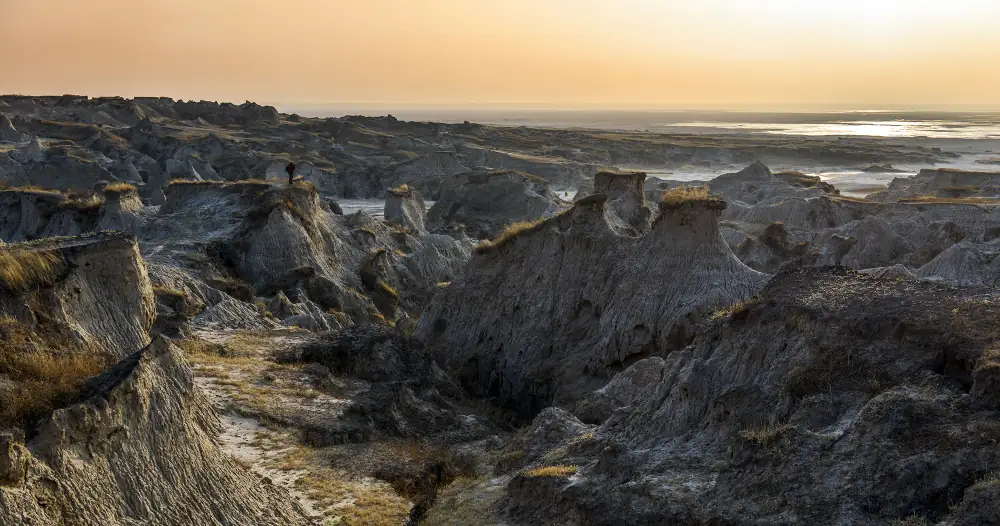
The Julong Hot Springs Valley (聚龙温泉) on the North Slope is where geothermal springs emerge from the volcanic rock at temperatures between 60°C and 82°C — hot enough to cook eggs (which vendors sell at the springs, soft-boiled in the geothermal water for ¥15–¥20 per bag).
The springs are coloured with mineral deposits — yellow, orange, and white — and emit sulfurous steam that is visible from a distance. The valley is a short walk from the main path to the waterfall. Entry is included in the main scenic area ticket.
In winter (December–March), the contrast between the frozen landscape and the steaming, bubbling springs is particularly atmospheric.
Winter vs Summer: Seasonal Reality
Summer (June–August): Best for seeing Heaven Lake, the most reliable road access, the most visitor services. However, midsummer weekends are crowded, and the most famous photography spots have queuing issues. Peak season entrance fee: ¥225.
Autumn (September–October): The Changbai forest turns gold and orange — one of the finest autumn displays in northeast China. Slightly cooler and clearer weather improves the chance of seeing Heaven Lake. A strong candidate for the best time to visit.
Winter (November–March): A genuinely spectacular landscape for the right visitor. Deep snow, frozen forests, the contrast of the hot springs in frozen surroundings. Heaven Lake is frozen and the crater rim is inaccessible by vehicle. The West and South Slopes are fully closed. The North Slope remains partially open. Temperatures regularly hit -30°C at altitude. Not recommended without proper cold-weather experience and equipment.
Spring (April–May): The roads can still be affected by snow, and access to the crater is intermittent. The forest emerges from snow cover in this period — interesting but not peak condition.
Getting to Changbai Mountain
From Changchun: Direct high-speed train to Baihe Station (approximately 3 hours), then shuttle bus or taxi to the North Slope entrance (45 minutes).
From Jilin City: High-speed train to Baihe or Antu Station, then local transport.
From Yanji: The most convenient hub for the Yanbian Korean Autonomous Prefecture. Buses and trains connect to Baihe.
Overnight at the mountain: Staying at Baihe or within the scenic area itself is strongly recommended for anyone who wants to see Heaven Lake — the dawn window is the clearest, and day-trippers from Changchun miss it entirely. Guesthouses in Baihe start at ¥150–¥200 per night for a basic room; the hotels inside the scenic area cost ¥400–¥800.
Practical Information
- Entrance fee: ¥225 (peak season, North Slope), includes shuttle bus access
- Jeep surcharge: ¥120–¥150 per person for the crater rim ascent
- Photography: Tripods are permitted; drone flying is restricted within the scenic area
- Mobile signal: Intermittent above the treeline, generally fine in the valley areas
- Food: The visitor centre complex has restaurants and snack stalls; quality is adequate rather than remarkable. Bring snacks for the hiking sections.