
Dali sits at 1,900 metres on a plateau between the Cang Mountains and the crescent-shaped Erhai Lake. The climate is spring-like year-round. The light is extraordinary — high altitude clarity, intense blue sky, the snow-capped peaks of the Cangshan reflected in the lake’s surface. The town has been attracting artists, free spirits, and long-term travellers for 40 years, and the community they’ve built alongside the indigenous Bai minority culture creates something genuinely unique.
Dali is the kind of place where visitors who planned three days end up staying two weeks.
Table of contents
Open Table of contents
Essential Information
| Detail | Info |
|---|---|
| Province | Yunnan |
| Getting there | Fly to Dali Airport (DLU) directly from many Chinese cities; or take high-speed rail to Dali from Kunming (2 hours) or fly Kunming then 2-hour train; from Lijiang 2 hours by bullet train |
| Best season | Year-round; March–May for flowers; April–October for clearest skies |
| Altitude | 1,900–2,200m; mild acclimatisation needed |
| Currency | RMB; fewer digital payment options in small villages — carry some cash |
The Old Town (大理古城)
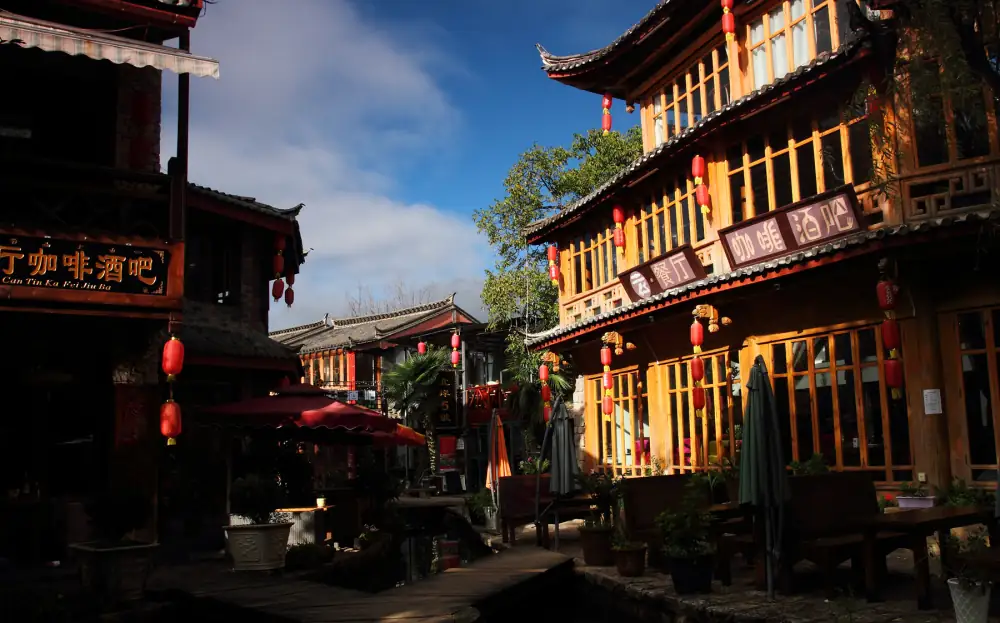
Dali Old Town is a 1.5 km × 1.5 km walled area of Ming Dynasty origin, with the original south and north gates and much of the wall surviving. Inside: two main commercial arteries running north-south (Fuxing Road and Renmin Road), a grid of quieter side streets, and an atmosphere that manages to be thoroughly tourist-oriented while remaining genuinely pleasant.
The town works because the architecture is consistent — grey-blue stone, white-washed walls with dark tile roofs and painted bai-style decorative facades — and the scale is human. The commercial streets have cafés, bakeries, silver jewellery workshops (Dali Bai silverwork is famous), wood-block printing studios, and an unusual density of independent bookshops and vinyl record stores.
What to do in the Old Town:
- Walk Renmin Road (人民路): The most pleasant commercial street — wide enough for outdoor seating, mostly independent shops, good coffee. Best morning or evening.
- The Three Pagodas (三塔寺): The iconic image of Dali — three Tang Dynasty pagodas reflected in a pool, with the Cangshan mountains behind. 2 km north of town; ¥75 entrance; best photographed at dawn from outside the walls (free).
- Bai Architecture: Look for the distinctive “three squares and one screen wall” (三坊一照壁) courtyard layout typical of Bai houses — three buildings around three sides of a courtyard, with a decorative screen wall on the fourth. Many have been converted into guesthouses and cafés; the courtyards are often beautiful.
- The Independent Café Scene: Dali has an unusually good café scene for a small city — a legacy of the creative community. Several roasters and independent cafés in the back streets west of Fuxing Road.
Erhai Lake (洱海)
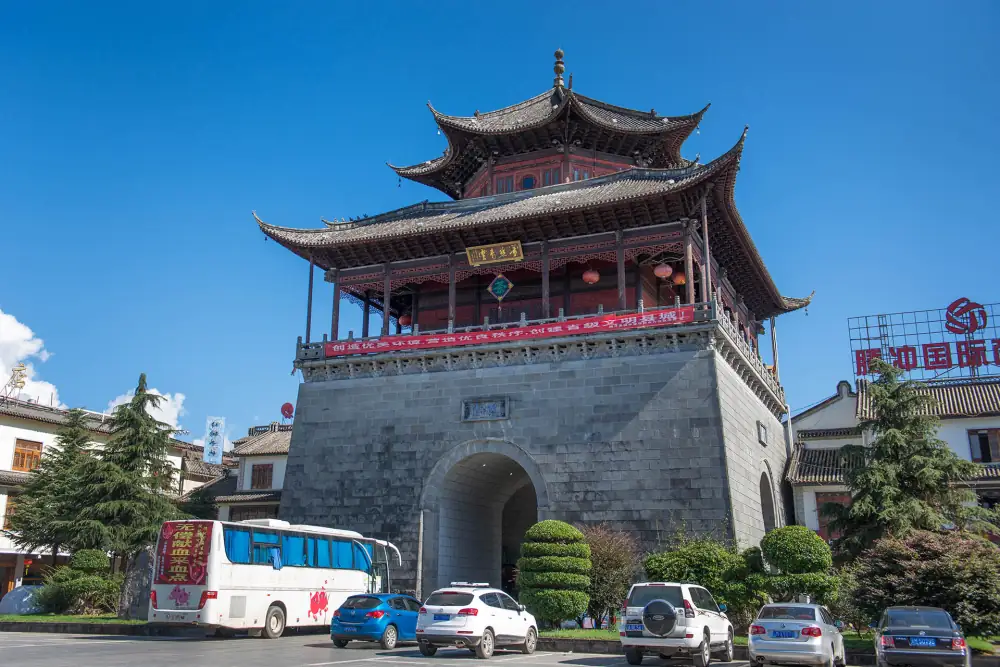
The defining landscape of Dali. Erhai (“ear sea”) Lake is 42 kilometres long and 6 kilometres wide — the second-largest plateau lake in Yunnan. The clarity of the water (excellent for a Chinese lake — strict environmental regulations have improved it significantly) and the surrounding landscape of mountains and Bai fishing villages make it exceptionally beautiful.
Cycling Around the Lake
The most popular activity in Dali and one of the best cycling routes in China. A paved lakeside road runs the entire circumference — approximately 150 km total, which takes 2 days if you cycle the full perimeter, or 1 day if you choose the most scenic section (east shore: 50–60 km from Dali Old Town north to Shuanglang and back).
Bike hire: Multiple rental shops in the Old Town and at the east gate; electric bikes ¥50–80/day, regular bikes ¥20–30/day. Electric is recommended for the full-day route.
The east shore route (start from Old Town east gate, ride north) is the most scenic section: the water is closest to the road, several Bai fishing villages punctuate the route, and the mountain backdrop is consistently dramatic.
Shuanglang village (双廊): The most beautiful Bai fishing village on the east shore — a peninsula jutting into the lake with water on three sides. Numerous boutique guesthouses, small boat trips to the tiny islands offshore, and one of the most beautiful sunsets in Yunnan. Increasingly popular; book accommodation ahead on weekends.
Boat Trips
Wooden boats with canopied platforms make the crossing from the Old Town pier to islands in the lake. The main destination is Jinsuodao Island (金梭岛) — a 15-minute crossing, the largest island in Erhai, with Bai village fishing communities accessible by foot. ¥80–100 for a private boat; ¥30/person shared.
The Cangshan Mountains (苍山)
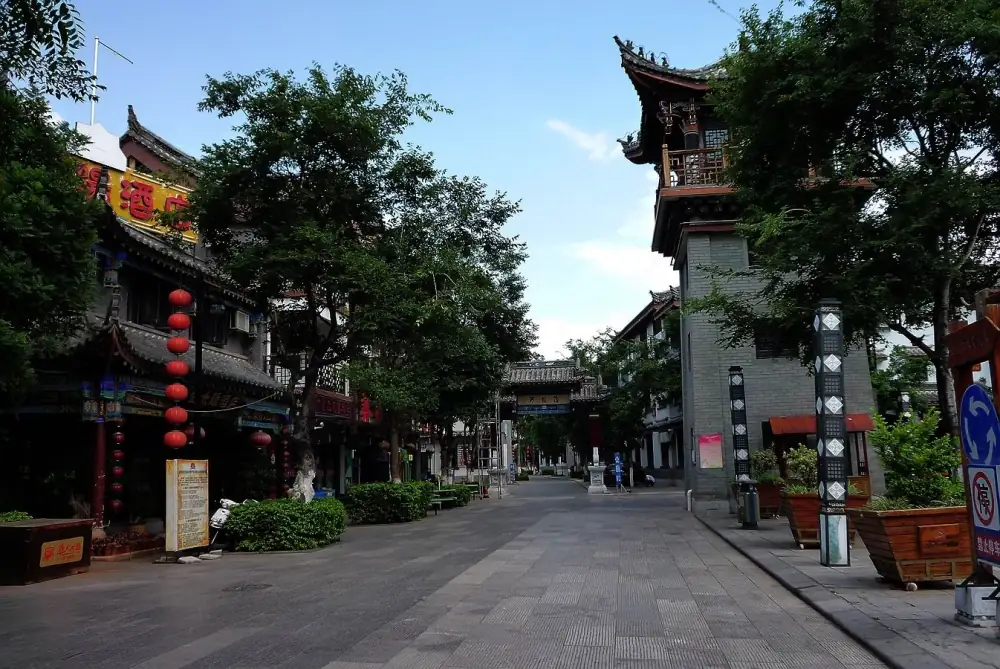
The Cang Mountains rise directly from the western edge of the old town — 19 peaks, the highest at 4,122 metres, with snow visible October–April.
Cable car: Two options — the Gantong Temple cable car from central Old Town (¥65 up, ¥55 down, or ¥110 return) rises to around 2,800m; the Zhonghe Temple cable car (same price range) accesses a plateau at 2,600m where the Jade Belt Cloud Path (玉带云路) runs horizontally across the mountain face for 11 km.
The Jade Belt Cloud Path is one of the best walks in Dali: a flat horizontal trail through rhododendron forest (spectacular in flower March–May), with constant lake views, and virtually no crowds beyond the cable car terminus.
Yuntu Valley (云腿谷): A deep forested valley accessible from the middle cable car station, with waterfalls and mountain streams. Good half-day hiking.
Bai Culture and Villages
The Bai people (白族) are the indigenous minority group of the Dali region — approximately 1.5 million people, one of China’s 55 recognised ethnic minorities. Their distinctive architectural style (white walls, blue and black painted decorative panels), language (Bai, a Sino-Tibetan language distinct from Mandarin), cuisine (particularly the three-course tea ceremony), and traditions are still actively lived in the villages around Erhai.
Xizhou Village (喜洲): 18 km north of Old Town — the best-preserved Bai village, with several extraordinary examples of the triple-courtyard Bai mansion. The Yan family mansion (严家大院) is open to visitors (¥20). Morning market from 7–9 AM.
Three-Course Tea Ceremony (三道茶): The Bai tea ceremony traditionally served at important occasions — three successive cups of tea, each representing a different phase of life: bitter (苦), sweet (甜), and after-taste (回味). Several restaurants and teahouses in the Old Town offer cultural performances with this ceremony.
Bai Silver Jewellery: The silver working tradition in Dali is genuinely extraordinary. Workshop visits are possible; several silversmiths in the Old Town’s side streets do custom work.
Practical Tips
Altitude: At 1,900m, Dali doesn’t require serious acclimatisation like Tibet, but take the first day easy. Alcohol hits harder at altitude.
Weather: Morning can be cold, afternoon warm; bring layers. The rainy season (July–August) brings afternoon thunderstorms but morning clarity is spectacular.
Long stays: Dali has a significant community of long-term Chinese and foreign residents — writers, artists, entrepreneurs working remotely. Monthly rentals in the Old Town are available for ¥2,000–5,000. If you stay more than a week, the community opens up considerably.
From Dali to Lijiang: 2 hours by high-speed train or 3 hours by bus. Easily combined.
Dali is one of the few places in China where the words “traveller community” describe something real and good — a place where people from very different backgrounds share an appreciation for the same light, the same lake, the same mountains. It earned its reputation and keeps earning it.
Last updated: May 2026