
Table of contents
Open Table of contents
- Understanding the Grand Canal in Hangzhou
- The Grand Canal Museum (中国大运河博物馆)
- The Historic Canal Neighbourhood: Gongchen Bridge Area (拱宸桥)
- Boat Tours on the Canal
- The Canal Promenade Walk
- Traditional Canal Town: Tangqi Ancient Town (塘栖古镇)
- Grand Canal Cultural Creative Park (运河文化创意园)
- Combining Canal and West Lake in Hangzhou
- Getting to Hangzhou
- Getting Around Hangzhou
- Where to Stay
- Best Time to Visit
- Practical Tips
- Final Word
Understanding the Grand Canal in Hangzhou
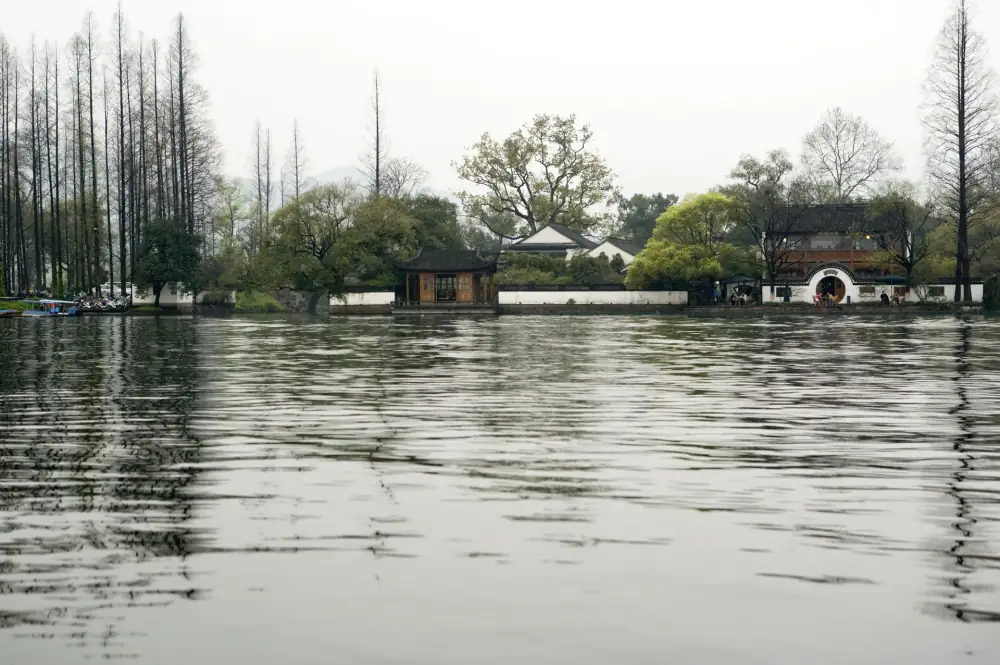
The canal sections within Hangzhou municipality include four key heritage sections:
- The Southern Canal Trunk (中河、东河): The historic alignment through the city centre, with sections of original stone-lined bank and traditional canal-side buildings
- The Tonghuimen Canal Lock system: Lock gates dating from the Song Dynasty
- The Jiangnan canal section near Gongshu District: The most scenic and most accessible for tourists
- The Qiantang River connection: Where the canal joins the Qiantang, from which goods were transhipped to sea-going vessels
The Grand Canal Museum (中国大运河博物馆)
Opened in Yangzhou (a short train ride from Hangzhou, via the canal city of Suzhou), the national Grand Canal Museum is the definitive comprehensive collection on the canal’s history. For Hangzhou specifically, the China Grand Canal Hangzhou Bowuguan (杭州段运河博物馆) on the northern section provides the local history.
Hangzhou Canal Museum: Near Gongshu District wharf; free admission; open Tuesday–Sunday 09:00–17:00. The exhibition covers the canal’s Hangzhou history from the Sui Dynasty (589–618 CE) through to modern restoration.
The Historic Canal Neighbourhood: Gongchen Bridge Area (拱宸桥)
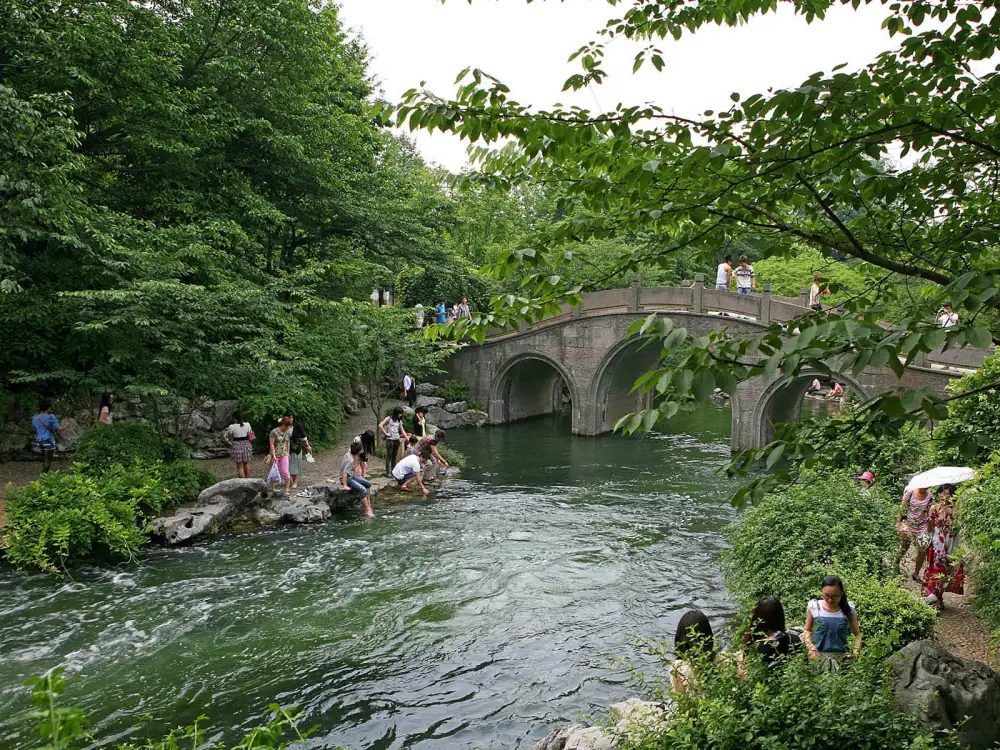
The area around Gongchen Bridge in the northern part of Hangzhou is the most atmospheric section of the heritage canal in the city. The bridge itself — an elegant three-arch stone bridge built in the Qing Dynasty — is the widest and most handsome of Hangzhou’s historic canal crossings.
The surrounding neighbourhood has been developed as a heritage tourism area:
Xiaohebao Canal Street (小河坝街): A restored canal-side commercial street with Qing-era shop fronts, craft workshops, traditional snack vendors and river views. Less polished than some heritage reconstructions, more atmospheric.
Hangzhou Knives and Scissors Museum (张小泉剪刀博物馆): Zhang Xiaoquan scissors have been made near this canal section since the Ming Dynasty; the museum explains the craft and heritage. Free admission.
Umbrella Museum (伞博物馆): Hangzhou’s traditional oil-paper umbrella industry is documented here; free admission.
Canal Night Market: In summer and early autumn evenings (18:00–22:00), a night market runs along the canal bank near Gongchen Bridge. Food stalls, craft vendors and performance areas; very popular with local residents.
Boat Tours on the Canal
The most memorable Grand Canal experience in Hangzhou is a boat tour — either a short scenic cruise or a longer journey to adjacent towns.
Tourist Cruise Boats
Standard scenic cruise (观光游船): Departs from Gongchen Bridge Wharf; 1-hour circuit past historic canal sections, lock gates and traditional architecture. Tickets ¥20–¥40 ($3–$6). Operates daily 09:00–21:00.
Evening night cruise (夜游运河): The canal section lit at night, with traditional buildings reflected in the water, is one of Hangzhou’s best evening experiences. Evening cruises from ¥40–¥80 ($6–$11) per person; depart from multiple wharfs from 19:00.
Canal Town Connections
Suzhou overnight boat: A traditional slow boat service used to run between Hangzhou and Suzhou via the canal — one of China’s great heritage journeys. Check current availability as services have been reduced.
Short trips to canal towns: Regular passenger boats and tour boats connect to nearby canal towns from Gongchen Bridge Wharf; Tongxiang (铜香) and Wuzhen (乌镇) are accessible by water.
The Canal Promenade Walk
The restored canal bank promenade running south from Gongchen Bridge to Wulin Square is approximately 4 km and makes an excellent morning or evening walk. The path passes:
- Traditional boat repair yards (still operating)
- Lock gate mechanisms (some original, some reconstructed)
- Historical marker tablets explaining canal history
- Modern art installations within the heritage zone
Best walking time: Early morning (07:00–09:00) when the canal mist is still present and locals are doing their exercise.
Traditional Canal Town: Tangqi Ancient Town (塘栖古镇)
About 20 km north of central Hangzhou, Tangqi (or Tangxi) is one of Zhejiang’s best-preserved canal towns — a Ming-Qing period trading town that grew wealthy as a transshipment point on the Grand Canal. The restored streets, stone bridges and canal-side houses have a more genuine atmosphere than more famous but more touristified canal towns elsewhere.
The town is famous for its Wumeizi (琵琶) plums — the Tangqi loquat is considered the finest in the region, available April–June.
Getting there: Bus from Hangzhou’s Wulin Square, approximately 1 hour; ¥8 ($1.1). Or self-drive 45 minutes.
Grand Canal Cultural Creative Park (运河文化创意园)
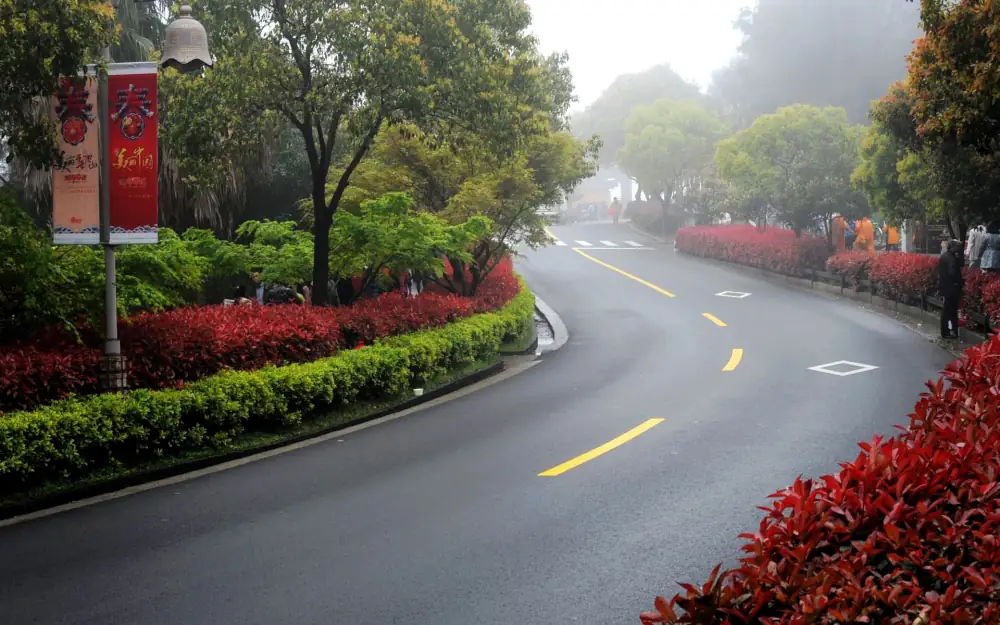
A contemporary arts and design district in converted warehouse spaces along the northern canal in the LOFT49 and adjacent areas. Several design studios, independent cafes and small galleries occupy the old warehouse buildings. Active on weekday evenings and weekends.
Combining Canal and West Lake in Hangzhou
The Grand Canal and West Lake (西湖) are the two centrepieces of Hangzhou’s heritage, and they’re on opposite sides of the city centre.
Suggested 2-day Hangzhou itinerary:
Day 1 (West Lake): Su Causeway walk, Lingyin Temple, Leifeng Pagoda, Dragon Well tea village
Day 2 (Grand Canal): Morning Gongchen Bridge area walk → Canal Museum → lunch in canal district → afternoon boat cruise → evening night cruise
Getting to Hangzhou
From Shanghai: Shanghai Hongqiao to Hangzhou East by high-speed rail, approximately 45 minutes; tickets ¥55–¥90 ($8–$13). Among China’s most convenient inter-city connections.
From Suzhou: 35–50 minutes high-speed; ¥40–¥65 ($6–$9).
From Ningbo: 1 hour high-speed; ¥70–¥120 ($10–$17).
Getting Around Hangzhou
Metro: Hangzhou’s metro network now has 8+ lines, covering the canal area on Lines 3 and 5. The Gongchen Bridge area is served by metro.
Public bicycle: Hangzhou’s public bicycle system (launched 2008, one of China’s first) is excellent; over 3,000 stations. ¥1.5/hour for the first hour. Best for West Lake and canal district rides.
Canal cruise: Already covered above; the best way to experience the canal.
Where to Stay
Near West Lake (for classic Hangzhou): Mid-range: Numerous hotels in the ¥400–¥800 range surrounding the lake; the lakeside location charges a premium. Upscale: Amanfayun, Banyan Tree Hangzhou and Four Seasons Hangzhou at West Lake are among China’s finest resort hotels (¥3,000–¥8,000/night).
Near the Canal (for different experience): Several mid-range hotels in the Gongshu district from ¥280–¥500/night ($39–$70), close to the Gongchen Bridge heritage area.
Best Time to Visit
Spring (March–May): West Lake and the canal district in spring are stunning — plum and cherry blossoms, tea picking season in the hills, clear days. The busiest tourist season.
Autumn (September–November): My recommendation. Comfortable temperatures, good light, lower crowds after Golden Week. Osmanthus (桂花) blooms in September–October fill the city with fragrance.
Winter (December–February): Quieter; West Lake in snow is extraordinary. Canal mist is frequent and photogenic.
Summer: Hot and humid; the canal in evening is pleasant but afternoon outdoor activities uncomfortable.
Practical Tips
- Canal vs West Lake: Many visitors focus entirely on West Lake and ignore the canal. The canal is less scenic but more historically important and culturally interesting — particularly for understanding how goods and people moved through imperial China.
- Night cruise timing: The Gongchen Bridge area canal lighting is excellent from around 19:30 in summer. Evening boat cruises sell out on weekends; book through hotels or at the wharf ticket office by 18:00.
- Dragon Well tea connection: The Grand Canal historically carried Hangzhou’s famous Dragon Well (龙井) tea north to Beijing. Visit the Dragon Well tea village (30 minutes from the canal district) to close the loop.
Final Word
Hangzhou’s Grand Canal is one of those heritage assets that gets somewhat lost in the shadow of the more obviously beautiful West Lake. But for a traveller interested in how China actually functioned as an empire — how food, goods, culture and people moved across an enormous territory — the canal is the answer. Stand on Gongchen Bridge, look north along the waterway, and understand that this channel connected where you’re standing to the imperial capital over 1,700 km away.
Then take the evening boat. The city looks its best from the water.