
There’s a well-worn path from Shanghai and Hangzhou to Moganshan that has been traveled for well over a century. Colonial-era Europeans discovered this bamboo-covered ridge in the early 1900s and built summer houses to escape the Yangtze Delta heat. The villa culture never entirely went away — Chiang Kai-shek had a residence here, and the cluster of stone buildings on the hillside remain largely intact. Today, many have been converted into what might be China’s highest concentration of boutique accommodation per square kilometer.
Moganshan sits at about 700m in the Tianmu Mountains of northern Zhejiang. It’s a 2.5-hour drive from Shanghai and under 2 hours from Hangzhou, which makes it genuinely practical for a weekend. In summer it’s several degrees cooler than the cities below.
Table of contents
Open Table of contents
Getting to Moganshan
From Shanghai
By car (recommended): The drive from Shanghai is about 2.5–3 hours on the expressway. Car rental or Didi is the most practical option. If you’re in a group of three or four, the cost per person is reasonable.
By public transport: Take a high-speed train from Shanghai Hongqiao or Shanghai station to Deqing station — about 45 minutes, ¥60–90. From Deqing station, take a local bus or taxi to Moganshan (about 30–40 minutes, ¥50–80 by taxi). Local buses run irregularly so confirm schedules in advance.
From Hangzhou
By car: About 80km, 1.5–2 hours. Many visitors do a Moganshan stop on the way to or from Hangzhou by car.
By bus: Buses run from Hangzhou’s bus stations to nearby Wukang town (40 minutes, ¥20), from where a taxi covers the final stretch to Moganshan (¥40–60).
Entry fee: ¥100 per person scenic area fee, collected at the main gate.
The Bamboo Forests
The defining image of Moganshan is bamboo. Mao bamboo (毛竹), which can reach 20m in height with stems the diameter of a human arm, covers the mountain slopes in dense stands. Walking through them produces a sound — rustling, clicking, creaking — that’s distinct from any other forest.
Several marked trails wind through the bamboo. The most popular is a loop starting from Yinshan Street (the main villa area) that takes 2–3 hours at leisure and covers the best forest sections. Maps are available at accommodation.
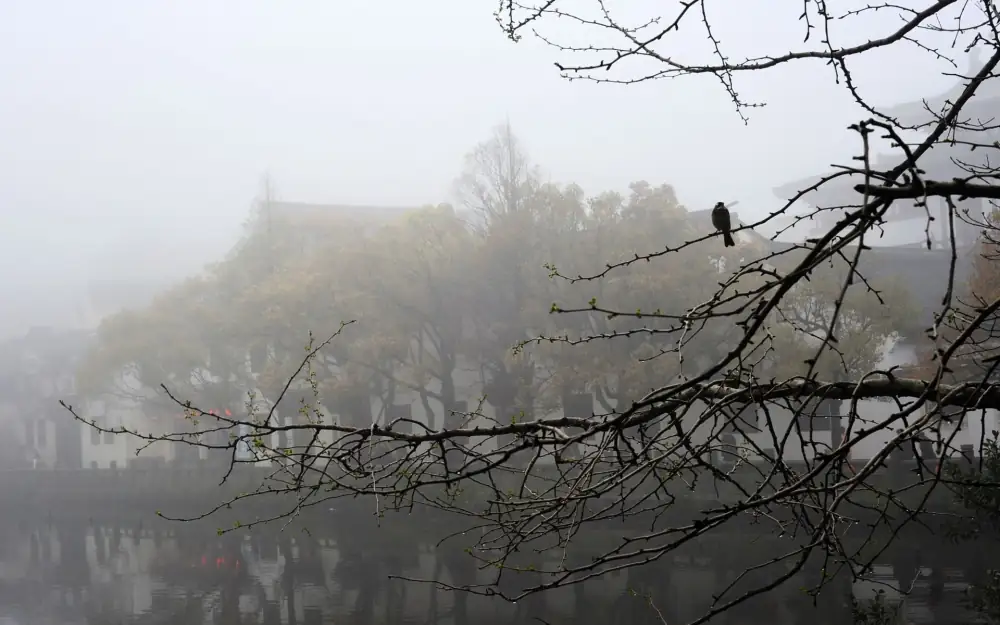
Best time in bamboo forests: Early morning, especially if there’s mist. The light filters through the canopy in shafts and the forest has that quality of looking slightly constructed, like a painting.
Bamboo shoots are harvested in spring (March–April) and appear on every restaurant menu as a fresh local ingredient. If you visit in spring, bamboo shoot dishes are a genuine highlight.
The Historic Villas
The colonial architecture is scattered across the main ridge and down several side paths. Most villas are now hotels or private residences, but some are designated heritage buildings and the paths between them form a pleasant walking circuit.
Key buildings to look for:
- The Church (莫干山教堂): Still-intact stone church built by foreign missionaries in 1930s, unusual for its arched windows and surviving interior
- Du Yuesheng’s Villa: Former residence of Shanghai’s notorious early 20th-century gangster figure, now a mid-range guesthouse
- Chiang Kai-shek’s Summer Villa (裕公馆): The generalissimo stayed here multiple times; the villa is now a hotel with the interior maintained close to original condition. Worth paying the ¥50 entry fee even if not staying
The architecture is a specific style of 1920s–1930s expatriate China construction — stone walls, terracotta roof tiles, deep verandas, ferns growing in the walls. It feels remarkably intact for China.
Accommodation: The Real Reason Many People Come
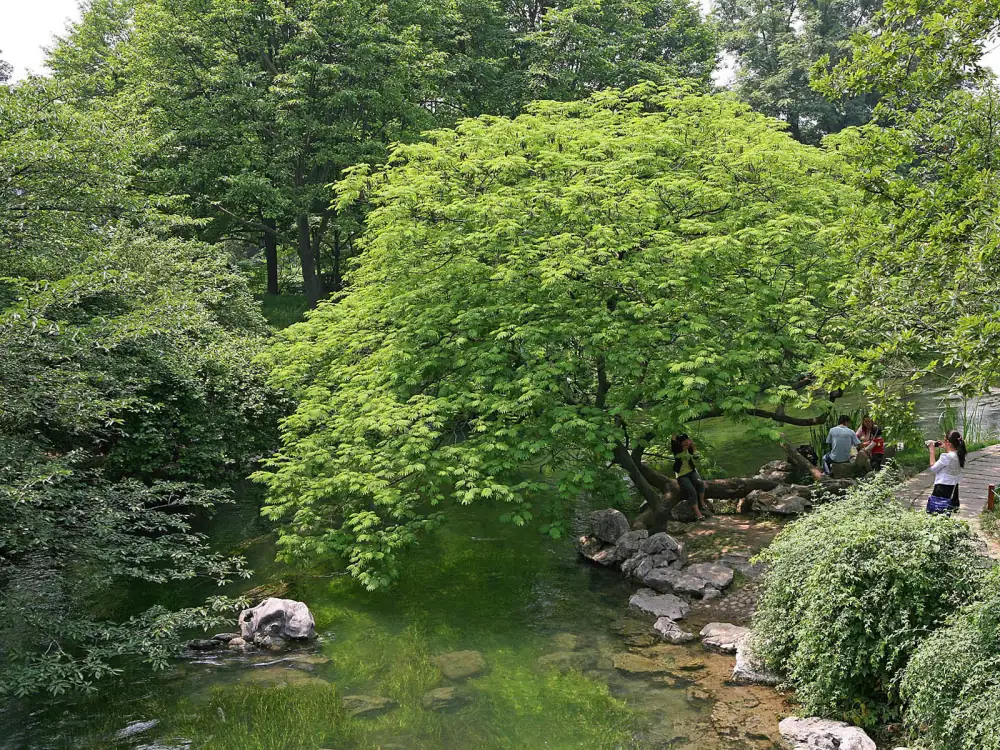
Moganshan has quietly become the destination in China for boutique accommodation. The combination of historic buildings, setting, and proximity to Shanghai has attracted a generation of hospitality entrepreneurs who’ve converted old villas into exceptional small hotels and guesthouses.
What to expect at the upper end:
- 5–15 room properties in restored stone or timber buildings
- Private gardens with mountain views
- Genuinely designed interiors (not generic “designer hotel”)
- Personal service from owner-operators
- Excellent cooking using local ingredients
Price range: Budget guesthouses (简单民宿) from ¥200–400/night. Mid-range boutique from ¥600–1,200/night. High-end villas and restored colonial properties from ¥1,500–3,000+/night.
Some specific names with consistent reputations (always verify current status):
- Naked Retreats (裸心谷): The property that made Moganshan internationally known — eco-treehouses and villas with a sustainable ethos and excellent food (¥2,000–4,000/night)
- Naked Stables (裸心乡): Lower-priced sister property from same operator
- Shu Residence (树居): Treehouse concept accommodation on the hillside
Booking: Book accommodation well in advance for weekends April–October. The best properties fill up 2–4 weeks ahead on long weekends and Chinese national holidays.
What to Do
Hiking
Beyond the bamboo forest loop, the mountain has a network of paths. The ridge walk to Tian’an (天安) and back takes 3–4 hours with views over the valley on clear days. The tourist office at the main gate has trail maps.
Swimming
Some accommodation has pools. There’s a public swimming area on the mountain with a natural pool — popular in summer. Ask at your guesthouse.
Tea House Culture
Several traditional tea houses operate on the mountain. Sitting with tea while looking out over the bamboo is the Moganshan experience in its most compressed form. Tea is local Zhejiang green tea — clean and fresh in spring.
Cycling
Bicycle rental is available in the main village area (¥30–60/day). The roads on and below the mountain are excellent for cycling with light traffic. The descent to Wukang is a popular one-way ride (about 20km downhill).
Eating on the Mountain
The food in Moganshan leans heavily on local mountain ingredients: fresh bamboo shoots (in season), mountain vegetables, locally raised free-range chicken, river fish from the valley below.
Bamboo shoot dishes: Stir-fried with pork, braised with tofu, in clear broth — available everywhere in season.
Wild mushroom dishes: Harvested from the forest in autumn.
Stone pot rice (石锅饭): A local specialty — rice cooked in a clay pot with vegetables and sometimes meat, slightly crispy at the bottom.
Most restaurants charge ¥60–120 per person for a full meal. Several guesthouses include meals in their rates.
When to Visit
April–June: Ideal. Bamboo shoot season, mild temperatures, good hiking weather. Wildflowers on some trails.
July–August: Hot even at altitude but noticeably cooler than the cities. Peak season with Chinese domestic tourists. Accommodation prices at maximum.
October: Excellent — some autumn color, cool temperatures, smaller crowds than summer.
November–February: Quiet, cooler (some nights below 0°C), atmospheric. Good for the fire-in-a-stone-villa experience. Some accommodation closes in the depths of winter.
Worst time: Chinese national holidays (Golden Week, Chinese New Year) when traffic and crowds make Moganshan’s approach roads unpleasant and accommodation triples in price.
Moganshan rewards slow weekending. The people who drive up on Saturday morning, rush the bamboo trail, eat lunch, and drive back Sunday afternoon have technically seen it. The people who book a good villa, eat dinner on a terrace in bamboo forest, walk at dawn, and have nowhere to be understand why this mountain has been attracting escapees from the plains for over a century.