
The route west of Chengdu into the Kham Tibetan highlands (康巴藏区) is one of China’s most spectacular overland journeys. Rising from the Sichuan basin through increasingly dramatic mountain terrain, the landscape transforms from terraced rice fields to alpine meadows to high grasslands dotted with yak herds and prayer flags. The final destination — Daocheng Yading (稻城亚丁) — contains three sacred Tibetan snow peaks and high-altitude lakes that represent some of the most beautiful scenery in Asia.
Table of contents
Open Table of contents
Understanding the Route
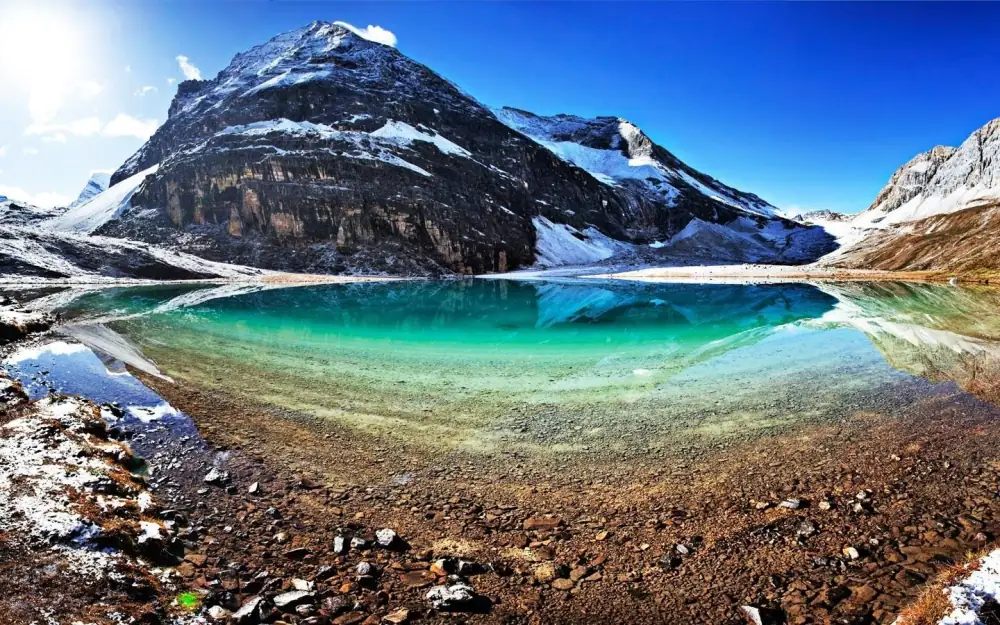
The western Sichuan route — sometimes called the “Sichuan-Tibet Southern Route” (川藏南线, G318) or the shorter loop via G215 — covers approximately 800–1,200km from Chengdu, reaching maximum altitudes of 4,700m+ at Yading.
Key towns in order from Chengdu:
- Luding (泸定) — 330km, 4–5 hours; gateway to western Sichuan
- Kangding (康定) — 380km, 5–6 hours; first major Tibetan town, 2,600m
- Tagong (塔公) — 450km, 7 hours; grassland town, 3,700m
- Litang (理塘) — 580km, 9–10 hours; high-altitude plateau town, 4,014m
- Daocheng (稻城) — 700km, 11–12 hours; gateway to Yading, 3,700m
- Yading (亚丁) — 750km, 12–13 hours; Tibetan sacred site, up to 4,700m
Altitude and Health
This route requires altitude acclimatisation planning. Most travellers coming from sea-level Chengdu will feel altitude effects by Tagong (3,700m) and more strongly at Litang (4,014m).
Altitude sickness symptoms: headache, nausea, dizziness, shortness of breath, difficulty sleeping. Most people experience mild symptoms at 3,500–4,000m; serious altitude sickness is less common but possible.
Acclimatisation strategy:
- Spend 1–2 nights at Kangding (2,600m) before ascending further
- Don’t rush; avoid strenuous activity the first day at each new altitude
- Drink extra water; avoid alcohol on first days at altitude
- Diamox (acetazolamide) can help; consult a doctor before the trip
Emergency: oxygen canisters are sold at all major towns on this route. For serious altitude sickness (confusion, coughing blood, inability to walk), immediate descent is the only effective treatment.
Kangding (康定): Tibetan Culture at the Gateway
Overview
Kangding (also called Dartsedo in Tibetan) sits where the Han-Chinese lowlands meet the Tibetan highlands. It’s historically the most important trading point between China and Tibet — tea from Sichuan exchanged for horses from Tibet (the “Tea-Horse Road,” 茶马古道).
The city itself is built in a narrow valley where two rivers meet. The famous folk song “Kangding Love Song” (康定情歌) — about a beautiful girl from Kangding — is known throughout China.
What to do
Paoma Mountain (跑马山): A mountain above the city offering panoramic views of the Shaluli and Daxue mountain ranges. Cable car available. Beautiful alpine meadows. The annual horse racing festival (赛马节) is held here.
Anjue Temple (安觉寺): A Tibetan Buddhist temple in the city centre, active and welcoming. Morning chanting from 7am; monks debate in the courtyard in afternoons.
Turning prayer wheels: the street-level prayer wheel corridors around the main temple and along the main road are where local Tibetans do their morning circuit — a genuine part of daily religious life.
Tagong (塔公): The Great Grasslands
Overview
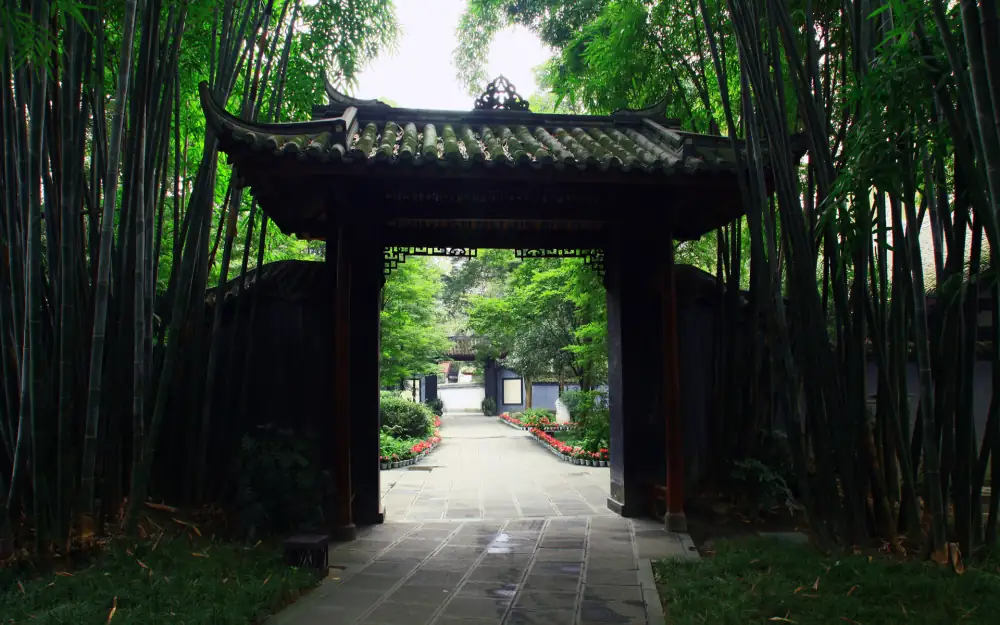
Tagong sits on the edge of the Tagong Grasslands (塔公草原) — vast rolling highlands extending to the horizon, dotted with black yak-hair tents, yak herds, and nomadic Tibetan families. The grasslands are best in summer (June–September) when the wildflower bloom turns them vivid green and purple.
Tagong Monastery
One of the most important Sakya-school Tibetan Buddhist monasteries outside Tibet proper. Approached across the grasslands with the snow peak of Yala (雅拉神山) rising behind it — a classic Tibetan landscape photograph.
Inside: the main hall (大殿) contains a silver stupa said to house a replica of the sacred Jowo Rinpoche statue from Lhasa’s Jokhang Temple. Active monks, butter lamps, thangka paintings.
Staying with nomads
Several local families offer guesthouse stays in traditional tents (藏式帐篷) or stone farmhouses on the grasslands. Experiences typically include:
- Yak butter tea (酥油茶): warm, salty, slightly oily — genuinely warming at altitude
- Tsampa (糌粑): roasted barley flour mixed with butter tea; the staple food of Tibetan nomads
- Riding yaks or horses across the grassland
- Watching the sunset over the snow peaks with prayer flags in the foreground
Litang (理塘): The Highest County Seat in the World
At 4,014 metres average elevation, Litang (理塘) is believed to be the highest county-level town in the world. The surrounding plateau is vast, windswept, and sparse — grasses, thin air, intense UV radiation, and almost no trees at this altitude.
Why come here
Litang Monastery (理塘长青春科尔寺): The largest Gelug-school Tibetan Buddhist monastery in Kham, founded in the 16th century. The monastery complex is extensive; the main hall’s interior decoration is extraordinary.
Horse festival (赛马节): Each August, Litang hosts one of western Sichuan’s largest horse festivals — thousands of Kham Tibetan horsemen in ornate traditional dress compete in racing, shooting, and acrobatics. One of the most extraordinary spectacles in China.
Acclimatisation note: Many people feel the altitude strongly in Litang. Take 2+ days, rest, eat warm food, and don’t attempt any hiking until you’re adapted.
Daocheng Yading (稻城亚丁)
The three sacred peaks
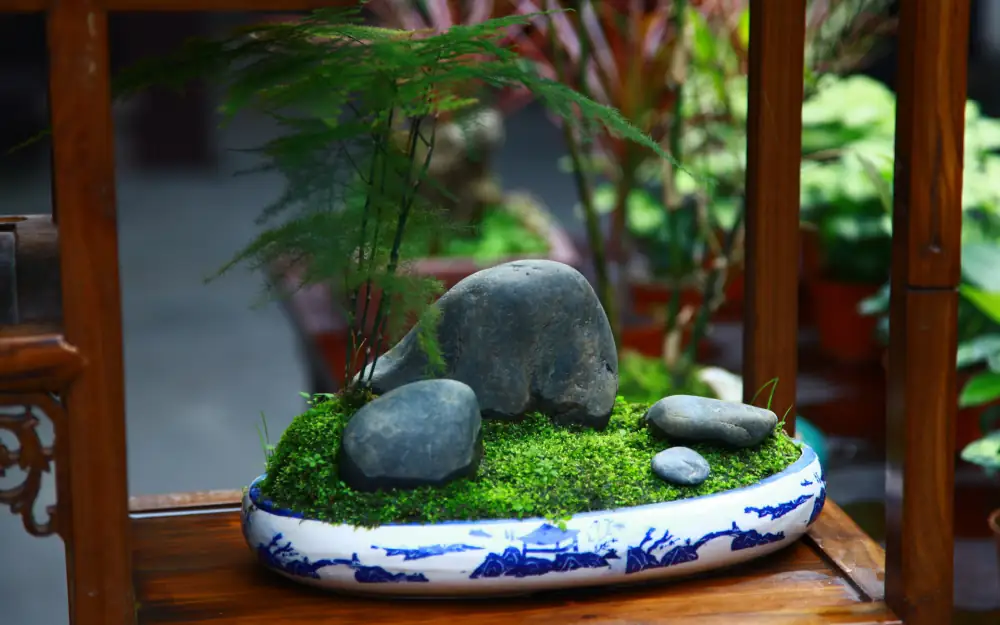
Yading National Nature Reserve (亚丁自然保护区) contains three Tibetan sacred peaks:
- Chenrezig (仙乃日, 6,032m): the bodhisattva of compassion; the tallest
- Jampayang (央迈勇, 5,958m): the bodhisattva of wisdom; most photogenic — a near-perfect triangular snow peak
- Chanadorje (夏诺多吉, 5,958m): the bodhisattva of strength; twin peaks
The three peaks are circled by the Luorong Cattle Farm (洛绒牛场) trail and viewed up-close from the Milk Lake (牛奶海) and Five Colour Lake (五色海) areas at altitudes of 4,500–4,700m.
Getting to Yading
From Daocheng town: 50km by bus (¥30–50) or DiDi/taxi (¥200–300 one-way). The road is paved but steep.
Entrance and transport within reserve: entrance fee ¥150 per person. Electric bus and horse rides available within the reserve.
Altitude: the highest viewpoints at Five Colour Lake are at 4,700m. This is serious altitude — allow 2–3 days in Daocheng (3,700m) to acclimatise before attempting the upper trails.
Best season
September–October: peak autumn colour; the golden larches (落叶松) contrast with the snow peaks. Clear skies more likely. This is peak season; book guesthouses months ahead.
May–June: snow cover receding; rhododendrons in bloom; fewer crowds.
Avoid: November–March when many roads and the upper reserve areas close for snow.
Permits and Regulations
No separate Tibet Permit required for this route — you remain within Sichuan Province throughout. A standard Chinese tourist visa is sufficient.
Yading Nature Reserve entrance: ¥150 per person, sold at the gate. No advance booking required (but can be done online to save time).
Photography: standard photography is unrestricted. Drone use requires a separate permit and must be arranged in advance.
Practical Logistics
Self-drive vs organised tour:
- Self-drive (4WD recommended, not required on paved roads) offers maximum flexibility; all roads on this route are paved as of 2025
- Organised tours from Chengdu (3–7 days) range from ¥2,000–¥5,000 per person, often including accommodation, guide, and vehicle
Accommodation: guesthouses (客栈) available at all major stops; prices ¥150–¥400/night. Book ahead in peak season (September–October).
Connectivity: China Mobile and China Unicom 4G coverage is patchy throughout; expect gaps on mountain passes. WeChat offline maps recommended.
Last updated: May 2026 · Road conditions and permit requirements may change. Check current conditions before travel.