
Two hours southeast of Chongqing, the landscape changes dramatically. The densely packed urban sprawl of the municipality gives way to deep gorges, vertical limestone cliffs, and the kind of dramatic karst scenery that looks slightly unreal. Wulong Karst National Geology Park is the reason to make this journey — and specifically, the Three Natural Bridges are among the most striking geological formations in China. This isn’t tourist-board superlative: these are three freestanding limestone arches, each taller than the Arc de Triomphe, standing in a single canyon, and they were largely unknown internationally until the film “Transformers: Age of Extinction” used the location in 2014.
Table of contents
Open Table of contents
What Makes Wulong Special
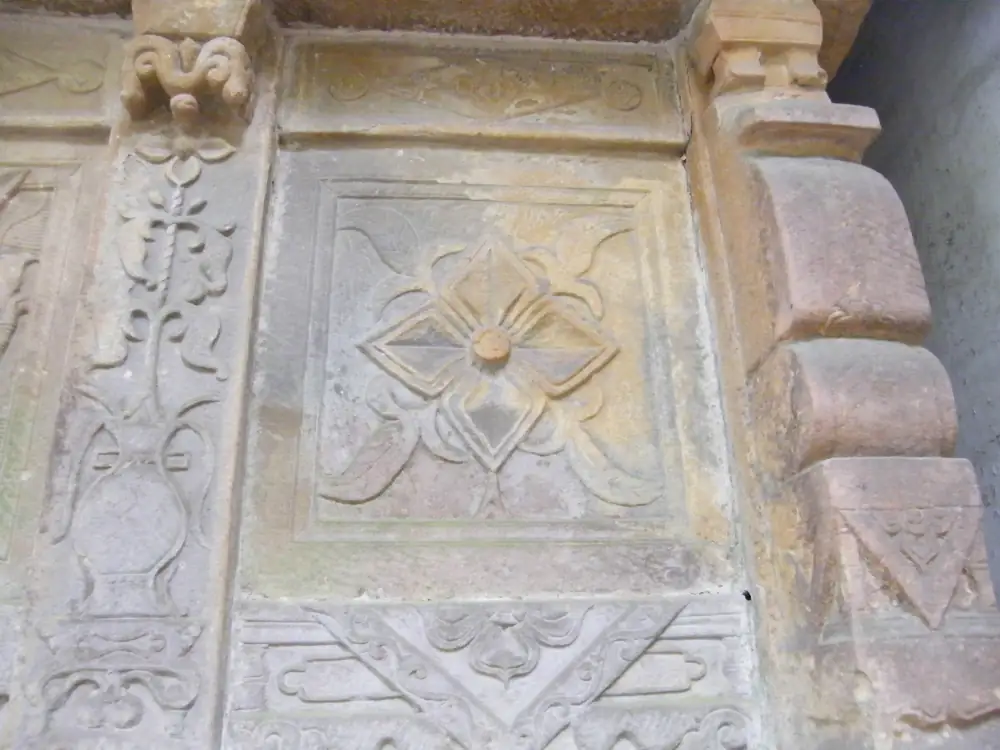
The park covers a large area and has several distinct attractions, but the crown jewel is Tianlong Tiankeng and Three Natural Bridges Scenic Area — the canyon with the three named bridges: Tianlong (Sky Dragon), Qinglong (Blue Dragon), and Heilong (Black Dragon). The gorge between them descends about 200 meters, and wooden walkways take you to the base of each bridge so you can look up through the arches at a sliver of sky. The scale takes a moment to register.
Beyond the bridges, the Furong Cave is a cave system famous for its density of stalactite formations — one of the best show caves in southern China. And Fairy Mountain (Xiannü Shan) is a 2,000m plateau with meadows, horse riding, and a cable car, popular with Chinese families and particularly lovely in summer when the lowlands are sweltering.
Getting to Wulong from Chongqing
By High-Speed Train + Transfer
The fastest route: take the high-speed train from Chongqing North or Chongqing West station to Wulong Station — the journey takes about 55–70 minutes and costs ¥65–85 second class. From Wulong station, take a taxi or local bus to the scenic area entrance (about 30 minutes, ¥30–50 by taxi). The train timetable has departures starting around 7:30am.
By Tourist Bus
Chongqing’s Longtousi bus station runs direct coaches to Wulong. Journey time is about 2.5–3 hours and costs around ¥70–90 each way. Buses depart in the morning, so check the current timetable when you arrive in Chongqing.
Day Trip vs Overnight
As a day trip, you can realistically see the Three Natural Bridges and one other attraction (either Furong Cave or part of the surrounding area). An overnight stay gives you time to combine all major sites without rushing — especially worthwhile if you’re also planning Fairy Mountain.
Overnight options in Wulong town: Small hotels and guesthouses around ¥150–300/night. Nothing luxurious, but clean and functional. Several small restaurants serving Chongqing-style food (expect the spice).
The Three Natural Bridges: What to Expect
Practical Information
- Opening hours: 8:00am–6:00pm (last entry 5:00pm)
- Entrance fee: ¥135 includes shuttle buses to the canyon and walkways
- Time needed: Plan 3–4 hours for a thorough visit
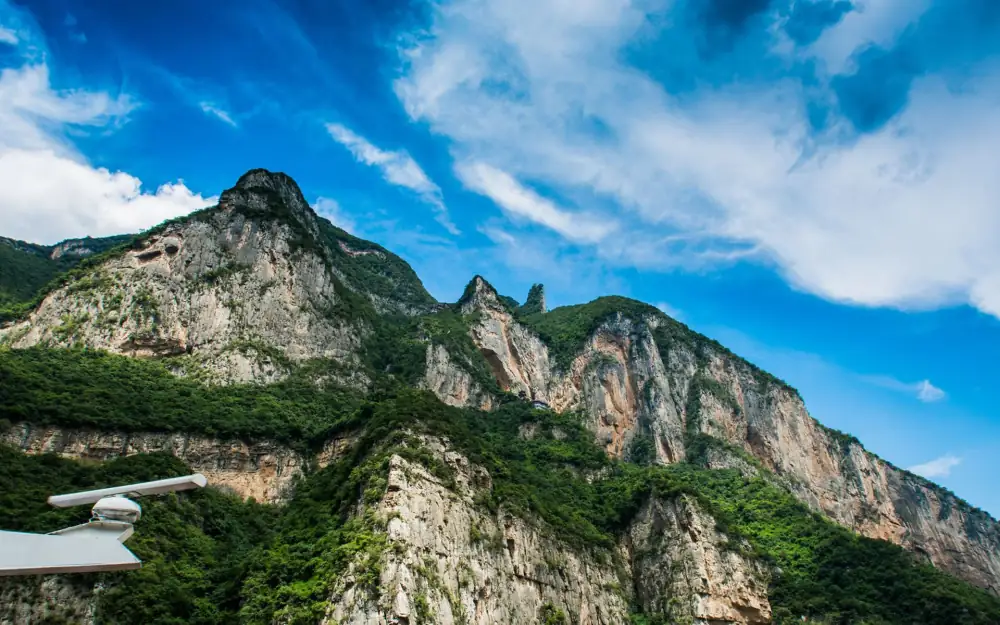
The experience starts with a shuttle bus that takes you to the top of the canyon, then wooden walkways and steps descend into the gorge. The path passes under each of the three bridges sequentially. At the bottom there’s a flat valley floor — historically the filming location for the Transformers sequence — before you climb back up via a different route or take an elevator (¥10 one way, worth it after the descent).
Tianlong Bridge at the northern end is the largest and arguably the most impressive when viewed from below. Heilong Bridge at the south end has a different character — darker stone, narrower span, and a stream running beneath it that catches light in the late afternoon.
The walkways are well maintained but there are approximately 700 steps down and up — more manageable than it sounds, but not ideal if you have knee problems. The step option at the end is avoidable with the elevator.
Photography Tips
The mid-afternoon light (2–4pm) illuminates the canyon floor better than morning. For photography, the view looking up through Tianlong Bridge with sky visible through the arch is the signature shot. The walk to the valley floor takes you past the best angles.
Furong Cave
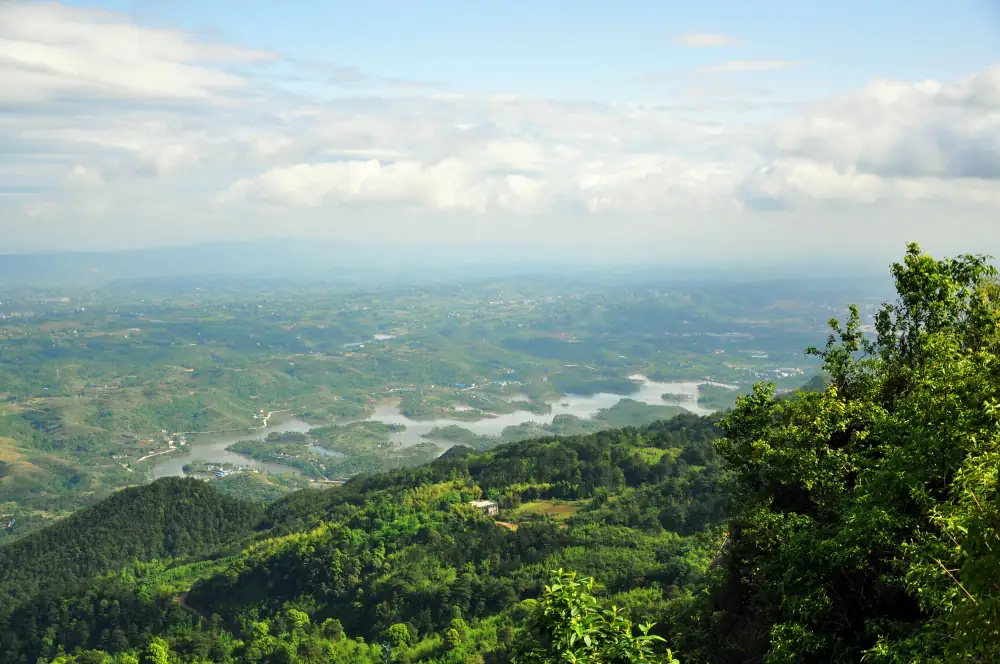
About 25km from the Three Natural Bridges, Furong Cave is one of China’s most-visited show caves for good reason. The formations here — stalactites, stalagmites, cave flowers, and coral-like structures — are genuinely dense. Unlike some show caves where you’re mostly looking at lit-up rock walls, Furong has formations that extend from ceiling to floor throughout.
- Entrance fee: ¥120
- Tour time: 1.5–2 hours with guided group (mandatory)
- Temperature inside: ~12°C year-round — bring a layer regardless of the outside temperature
The cave is cut into the bank of the Furong River (which itself is an emerald green color due to mineral content). Getting there from Three Bridges requires either your own transport, a taxi, or arranging a tour package from Chongqing.
Fairy Mountain (Xiannü Shan)
At 2,033 meters elevation, Fairy Mountain sits above the lowland heat and attracts Chinese tourists in summer when temperatures in Chongqing exceed 40°C. The plateau is genuinely pleasant: rolling meadows, pine forests, a ski resort in winter, and horse riding through the grasslands.
- Cable car: One-way ¥75, round trip ¥130
- Horse riding: ¥80–150 for guided trail rides
- Best season: June–September for green meadows; December–February for snow
As a foreign visitor, Fairy Mountain is enjoyable but less exceptional than the karst scenery. If your time is limited, prioritize the Three Bridges and Furong Cave.
Practical Tips
Getting the most from a single day: Take the earliest train from Chongqing (7:30–8am departure), arrive at the Three Natural Bridges by 10am, spend until 2pm, then take a taxi to Furong Cave for the afternoon. Return to Wulong station and catch an evening train back to Chongqing. It’s doable but busy — you won’t have time to sit quietly and absorb the scenery.
Food: Pack snacks if you’re day-tripping. The food stalls near the Three Bridges entrance are overpriced and limited. There’s a canteen that does basic meals (¥25–40) that’s fine for a quick lunch.
Crowds: Weekdays outside of school holidays are quieter. The park gets very busy during Golden Week and summer weekends. Even then, the scale of the canyon means it doesn’t feel as crowded as urban attractions.
What to wear: Comfortable walking shoes are essential — the canyon walkways are uneven in places. In summer, sunscreen for the open sections of the walk. In winter (November–February), the canyon can be cool and damp, so waterproof layers are useful.
The Wulong karst landscape is a UNESCO World Heritage site as part of the South China Karst designation, and it genuinely earns that recognition. If you’re in Chongqing for more than two days, this excursion is one of the most rewarding things you can do in the region.