
Daocheng Yading sits at the edge of the Tibetan Plateau in western Sichuan, at an elevation that turns even a gentle walk into something requiring full lung capacity. Three sacred peaks rise above glacial lakes, alpine meadows, and monasteries: Chenrezig (6,032m), Jambeyang (5,958m), and Chanadorje (5,958m). Together they form a pilgrimage circuit that Tibetan Buddhists have circumambulated for centuries. In recent years, they’ve attracted trekkers and photographers from across China and the world who come specifically in autumn when the larches turn gold and red — creating scenes of mountain, snow, and fire-colored forest that make this one of the most photographed landscapes in the country.
Table of contents
Open Table of contents
Why Come Here
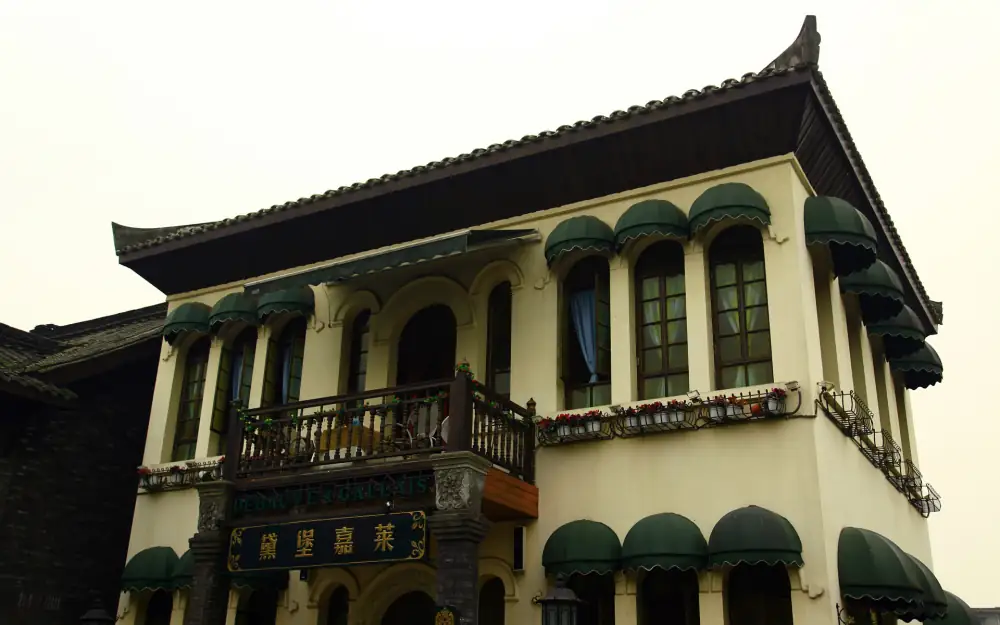
The honest answer is: because nowhere else in China combines Tibetan Buddhist culture, genuine mountain wilderness, and autumn color at this scale. Jiuzhaigou has the turquoise lakes but lacks the mountains and the sacred atmosphere. Tibet itself has the peaks but is more restricted and harder to reach for most visitors. Daocheng Yading occupies a unique position — accessible with effort, genuinely remote in feel, and culturally rich in ways that go beyond scenery.
The three sacred peaks correspond to the three Bodhisattvas of Tibetan Buddhism (Chenrezig is Avalokitesvara, the Bodhisattva of Compassion; Jambeyang is Mañjuśrī; Chanadorje is Vajrapāṇi). For Tibetan pilgrims, circumambulating these peaks accumulates merit. You’ll see pilgrims throughout the year, some doing full prostrations around the circuit.
Getting to Daocheng Yading
Getting here requires commitment, which is part of what preserves its character.
By Air to Daocheng Yading Airport
The most practical option for most visitors. Daocheng Yading Airport (DCY) sits at 4,411m — the highest civilian airport in the world. Direct flights operate from Chengdu (about 1.5 hours, ¥600–1,500 depending on date and booking time). Flights also operate seasonally from Chongqing and Kunming. Importantly, the airport itself is at altitude, so you’ll experience some altitude effect immediately on landing. Plan for an acclimatization day in Daocheng town before heading into the reserve.
Book flights as early as possible — the airport has limited capacity and autumn flights sell out weeks in advance.
By Road from Chengdu
The most epic approach: drive via G318 (the Sichuan-Tibet Highway), passing through Kangding and then south through the western Sichuan plateau. Total distance from Chengdu: about 700km. Driving time: 2–3 days. This route takes you through high plateau landscapes and past Tibetan monasteries and is genuinely one of the great road journeys. But it requires acclimatization time along the way — don’t rush.
Long-distance buses from Chengdu to Daocheng exist (15–20 hours, ¥220–280) but are arduous. Most independent travelers either fly or join a group tour that uses a combination of bus and accommodation stops along the route.
From Shangri-La (Yunnan)
A two-day overland journey connects Shangri-La to Daocheng. Several agencies in Shangri-La run this route. The road travels through dramatic plateau scenery via Benzilan and Xiangcheng.
The Yading Nature Reserve
The scenic area requires a separate entrance fee: ¥270 per person (valid for 2 days). This includes the shuttle buses and cable car within the reserve.
Luorong Cattle Farm (洛绒牛场)
This is the first major stop at about 4,100m — a wide meadow valley with Chenrezig peak rising directly above, reflected in a small pond when conditions are right. Most visitors spend 2–3 hours here. Horse rides are available for ¥200–300 to transport you across the meadow if you don’t want to walk.
Milk Lake (牛奶海) and Five Color Lake (五色海)
These glacial lakes at 4,600m are the park’s most-photographed locations. Getting there requires either a 2–3 hour hike from Luorong (challenging at altitude) or a combination of cable car + hike. The cable car costs ¥80 one way. The water of Milk Lake is a distinctive milky turquoise from glacial sediment. Five Color Lake shifts color through the day. Plan 4–6 hours for this section.
Chonggu Monastery (冲古寺)
Near the reserve entrance, this small working monastery with a traditional Tibetan design is worth spending an hour at. The monks are generally welcoming to respectful visitors. Morning and late afternoon are quieter times. Don’t photograph monks without asking.
The Kora (Circumambulation Circuit)
The full pilgrimage circuit around all three peaks takes 3–4 days for experienced trekkers and requires camping or staying at high-altitude guesthouses. Most casual visitors see the core areas in 1–2 days. The full kora is only for experienced high-altitude hikers with appropriate equipment.
Altitude and Health
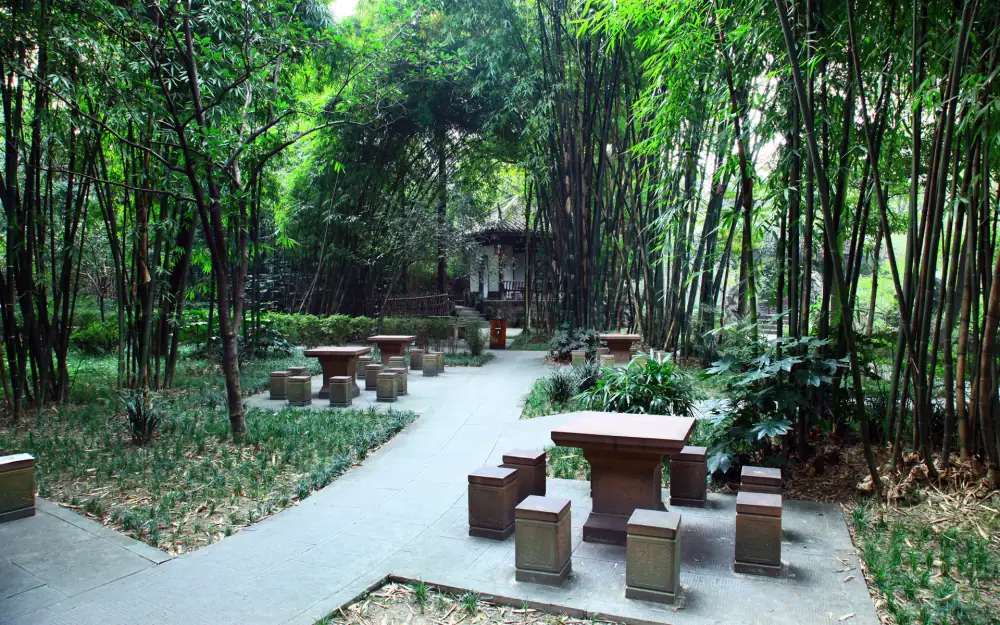
This is serious altitude. Daocheng town sits at about 3,700m; the reserve is at 4,000–4,700m; the lakes are at nearly 4,700m. If you fly directly from Chengdu (500m), your body needs time to adapt.
Standard acclimatization advice:
- Spend at least one night in Daocheng town before entering the reserve
- Don’t exert yourself on arrival day
- Drink 3–4 liters of water daily
- Avoid alcohol for the first 48 hours
- Consider mild altitude medication (diamox/acetazolamide) — discuss with a doctor before travel
- Altitude sickness symptoms: headache, nausea, extreme fatigue, difficulty breathing. If symptoms worsen, descend immediately
Flying home at the end of the trip from Daocheng airport carries some mild risk for those who’ve been at altitude — your ears and sinuses may be affected.
When to Visit: The Autumn Imperative
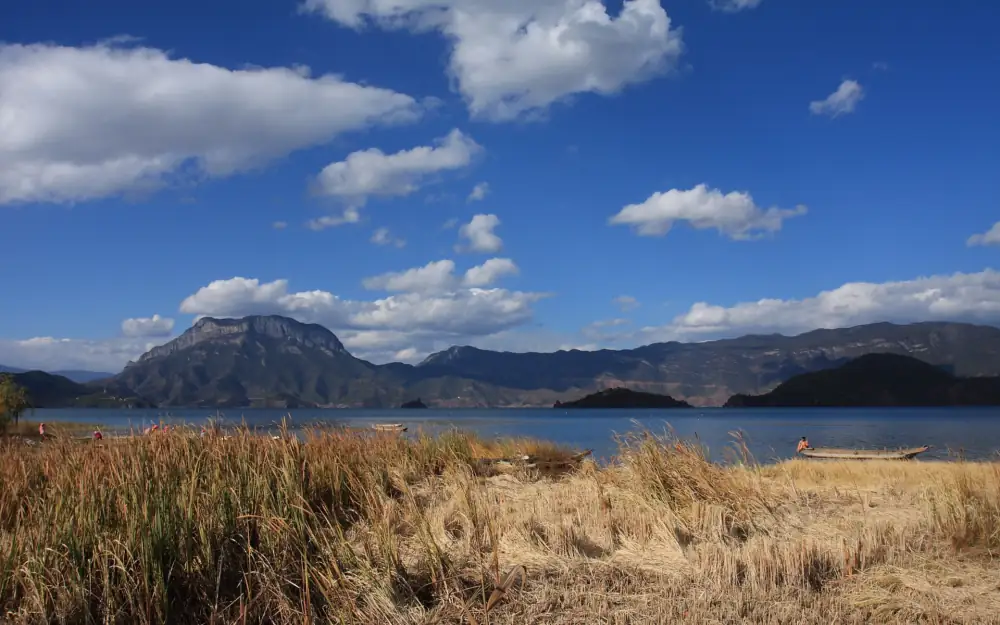
October is the reason most people come. The larches and dwarf birches turn gold, orange, and red against the snow-capped peaks — typically peaking between October 5–20. This is also when the park is most crowded (book flights and accommodation months in advance for this window).
May–June is a quieter alternative with wildflowers in bloom, no autumn foliage but good snow on peaks and reasonable temperatures. Some higher areas may still have snow.
Winter (November–February): Cold, some facilities closed, but minimal crowds and photographic conditions with snow coverage. Not recommended for first-timers without cold-weather experience.
July–August: Rain season. Mist and cloud often obscure the peaks. Not ideal.
Accommodation in Daocheng Town
The town of Daocheng has grown considerably to serve tourism. Budget guesthouses run ¥80–150/night; mid-range hotels ¥250–500/night. Several international-brand hotels have opened in recent years (¥600–1,200/night) with rooms that are a relief after altitude exhaustion.
Inside the reserve: Basic guesthouses exist at Luorong and near the monastery for those doing multi-day treks — expect dormitory-style accommodation and simple meals, with prices around ¥100–200/night. Reserve well in advance for October.
Food: Tibetan cuisine dominates — yak butter tea (an acquired taste), tsampa (roasted barley flour), yak meat in various preparations, and simple Chinese dishes. The yak beef hot pot in Daocheng town is legitimately excellent.
Budget Overview
| Item | Cost |
|---|---|
| Flight Chengdu–Daocheng | ¥600–1,500 |
| Reserve entrance fee | ¥270 |
| Cable car | ¥80–160 |
| Mid-range accommodation/night | ¥300–500 |
| Daily food | ¥80–150 |
A 3-day visit excluding flights runs roughly ¥2,000–3,500 per person. For the experience, that’s exceptional value.