
Table of contents
Open Table of contents
Ili — The Valley That Doesn’t Feel Like China
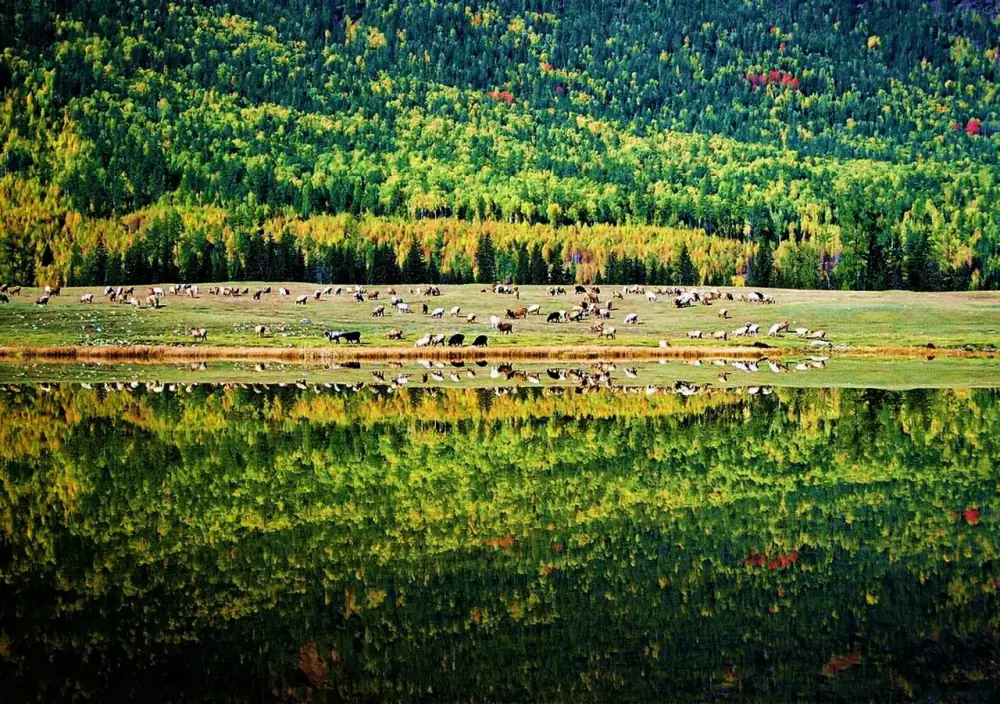
The Ili River Valley (伊犁河谷) is one of those places that makes you question your assumptions about geography. Driving through rolling green hills covered in wildflowers, past grazing horses and snow-capped mountains, with the warm, moist air carrying the scent of grass and blossom — you could be in Switzerland, or Kyrgyzstan, or maybe Montana. You are not expecting to be in Xinjiang, China’s vast northwestern frontier that most people associate with desert and camels.
The Ili Valley is Xinjiang’s anomaly. Shielded by the Tianshan Mountains from the Taklamakan Desert’s dry heat, the valley catches moisture-laden winds from the west, creating a surprisingly wet and temperate climate. The result is the most fertile and beautiful region in Xinjiang — a land of grasslands, forests, wildflowers, and rivers that has supported nomadic peoples for millennia.
I visited in June, which turned out to be the perfect month. The lavender was in bloom, the wild tulips were still out in the high meadows, and the Kazakh nomads had just moved their herds up to the summer pastures. The Ili Valley in June is as beautiful as any landscape I’ve seen in Asia, and considerably less crowded than its equals.
Sayram Lake (赛里木湖)
The Last Tear of the Atlantic
Sayram Lake is the largest alpine lake in Xinjiang — 458 square kilometres of impossibly blue water sitting at 2,073 metres above sea level, surrounded by snow-capped mountains and alpine meadows. It’s known poetically as “the last tear of the Atlantic” because it’s the most distant point from the Atlantic Ocean where the westerly winds still carry enough moisture to create such a large body of water.
The lake’s colour is genuinely extraordinary — a deep, saturated blue that shifts between turquoise, cobalt, and sapphire depending on the light and angle. On a sunny day, it rivals anything I’ve seen in the Swiss Alps or the Canadian Rockies.
What to Do
Drive the ring road: A 90 km road circles the entire lake, and driving (or cycling) it is the best way to experience the changing perspectives. Allow 3-4 hours with stops. Car rental from Yining available from ¥200 ($28 USD) per day.
Flower meadows: In June and July, the meadows around the lake erupt in wildflowers — tulips, lilies, and gentians creating carpets of colour against the blue water and white mountains.
Swimming: The water is cold (15-20°C even in summer) but swimmable in July and August. There’s a small beach area on the eastern shore.
Kazakh yurt stays: Several Kazakh families operate yurt camps on the lakeshore, offering accommodation and meals. From ¥150-300 ($21-42 USD) per person including dinner and breakfast.
Entrance fee: ¥70 ($9.70 USD) per vehicle. The lake is about 90 km from the Huocheng exit of the G30 Expressway.
Lavender Fields of Huocheng (霍城薰衣草)
China’s Provence
Here’s something that surprises most visitors: China is one of the world’s largest producers of lavender, and the epicentre of Chinese lavender production is Huocheng County in the Ili Valley. The climate here — warm, dry, with long hours of sunshine — mirrors the conditions of Provence, and the lavender industry was established in the 1960s with seeds imported from France.
The lavender typically blooms from mid-June to early July, when the fields turn a vivid purple that stretches to the horizon. The scent is intoxicating — roll down your car window within a kilometre of the fields and you’ll smell it before you see it.
Visiting the fields: Several lavender plantations are open to visitors. The Ili River Valley Lavender Cultural Park (伊犁河谷薰衣草文化园) is the most accessible, about 5 km from Huocheng town. Entrance ¥30 ($4.20 USD). Best visited in the last two hours before sunset when the light turns the fields almost luminous.
Buying lavender products: The area produces lavender essential oil, dried flowers, sachets, and soaps. Essential oil (10ml) ¥30-80 ($4.20-11 USD). Quality varies — buy from the cultural park shop or the larger plantations for the most reliable products.
Nalati Grassland (那拉提草原)
The Sky Grassland
Nalati is one of the four largest alpine meadows in the world, covering about 1,800 square kilometres at elevations of 1,200-3,800 metres. The name means “place where the sun appears” in Mongolian, and the grassland earns it — even when surrounding areas are overcast, Nalati often catches sunshine through gaps in the mountains.
The grassland is divided into two scenic areas:
Sky Grassland (空中草原): The higher section, accessed by shuttle bus from the visitor centre. A vast alpine meadow surrounded by peaks, with Kazakh yurts dotting the landscape. The shuttle bus stops at several viewpoints and the nomad camp area.
Valley Grassland (河谷草原): The lower section, in the river valley. More forested, with a river running through it and easier hiking trails. Better for horse riding.
Entrance fee: ¥95 ($13 USD) peak season, ¥60 ($8.30 USD) off-peak. Sky Grassland shuttle bus ¥60 ($8.30 USD). Horse riding ¥80-150 ($11-21 USD) per hour.
Kazakh Nomad Experience
The Nalati area is predominantly Kazakh, and the nomadic herding tradition is still very much alive. In summer (June — September), Kazakh families move their herds of horses, sheep, and cattle up to the high pastures and live in traditional yurts (毡房).
Several families welcome visitors for overnight stays. The experience is basic but authentic — you’ll sleep on carpeted platforms in the yurt, eat horse meat and drank kumis (fermented mare’s milk), and wake to the sound of livestock and the sight of mist lifting from the meadow.
Yurt stay: ¥100-200 ($14-28 USD) per person including dinner and breakfast. Arrange through the Nalati visitor centre or directly with families at the grassland.
Kalajun Grassland (喀拉峻草原)
The Human-Shaped Grassland
If Nalati is popular and accessible, Kalajun is its wilder, more dramatic cousin. The grassland is named for its unique topography — undulating hills that, when viewed from above, form a shape resembling a human body lying on its back. The meadows here are interspersed with deep gorges, and the hiking is more challenging and more rewarding than at Nalati.
The area is less developed for tourism, which is part of its appeal. The shuttle bus covers less ground, meaning you’ll do more walking. But the payoff is a landscape of extraordinary beauty with far fewer people.
Entrance fee: ¥140 ($19 USD) including shuttle bus. Open May — October.
Ili Cuisine — A Central Asian Feast
The Flavours
Ili’s food is a distinctive blend of Uyghur, Kazakh, and Russian influences — different from the Uyghur cuisine of southern Xinjiang and very different from Han Chinese food:
Beshbarmak (别什巴尔马克): The Kazakh national dish — boiled horse meat or mutton served over flat noodles with onion broth. “Beshbarmak” means “five fingers” because it’s traditionally eaten with the hands. ¥30-50 ($4.20-7 USD) per portion.
Kumis (马奶酒): Fermented mare’s milk — slightly sour, mildly alcoholic, and very refreshing. A Kazakh speciality that’s definitely an acquired taste. ¥10-15 ($1.40-2 USD) per bowl.
Horse Meat (马肉): Kazakh cuisine features horse prominently. Smoked horse meat (熏马肉) and horse sausage (马肠子) are local specialities. ¥40-60 ($5.50-8.30 USD) per plate.
Uyghur Dishes: Standard Uyghur fare — polo, lagman, samsa — is widely available (see our Urumqi guide for descriptions).
Russian Influence: The Ili Valley has a significant Russian-descended community, and you can find proper borscht, pirozhki (meat pastries), and black bread in Yining’s Russian quarter.
Recommended Restaurants
Yining Kazakh Kitchen: Near the main square. Excellent beshbarmak and kumis. Meals ¥30-60 ($4.20-8.30 USD) per person.
Ili River Fish Restaurant: Fresh fish from the Ili River, grilled or steamed. Meals ¥40-70 ($5.50-9.70 USD) per person.
Yining Night Market: The best eating in the city — a lively street of stalls serving everything from samsa to horse sausage to fresh fruit. Budget ¥20-40 ($2.80-5.50 USD) per person.
Practical Information
Getting to Ili
By Air: Yining Airport (YIN) has flights from Urumqi (1 hour, ¥400-700/$55-97 USD), Beijing, Shanghai, and Chengdu.
By Train: The Jinghe-Yining railway connects Yining to the national rail network. From Urumqi: 10-12 hours by overnight train (¥150-300/$21-42 USD). A high-speed line is under construction.
By Road: The G30 Expressway from Urumqi to Huocheng (about 8 hours), then local roads to Yining. The drive through the Guozigou Valley (果子沟) is spectacular — dramatic gorges and forested mountains.
Getting Around
A rental car or hired driver is strongly recommended for the Ili Valley. The distances between attractions are large (50-200 km), and public transport is limited. Car rental from Yining: ¥200-400 ($28-55 USD) per day. Driver plus car: ¥500-800 ($69-111 USD) per day.
Accommodation
Yining City: Ili Hotel — doubles from ¥200-400 ($28-55 USD). The Yining International Hotel offers more comfort from ¥350-600 ($48-83 USD).
Nalati: Nalati Resort Hotel — doubles from ¥300-500 ($42-69 USD). Yurt accommodation from ¥100-200 ($14-28 USD) per person.
Sayram Lake: Lakeside yurt camps from ¥150-300 ($21-42 USD) per person. The Sayram Lake Hotel offers more conventional rooms from ¥300-500 ($42-69 USD).
Best Time to Visit
- June — July: The absolute peak — lavender in bloom, wildflowers everywhere, nomads on the summer pastures. Book accommodation well ahead.
- August — September: The lavender is finished but the grasslands are still green, fruit harvest begins, and crowds thin.
- April — May: Spring flowers (tulips, wild apricot blossoms) on the grasslands. Weather can be unpredictable.
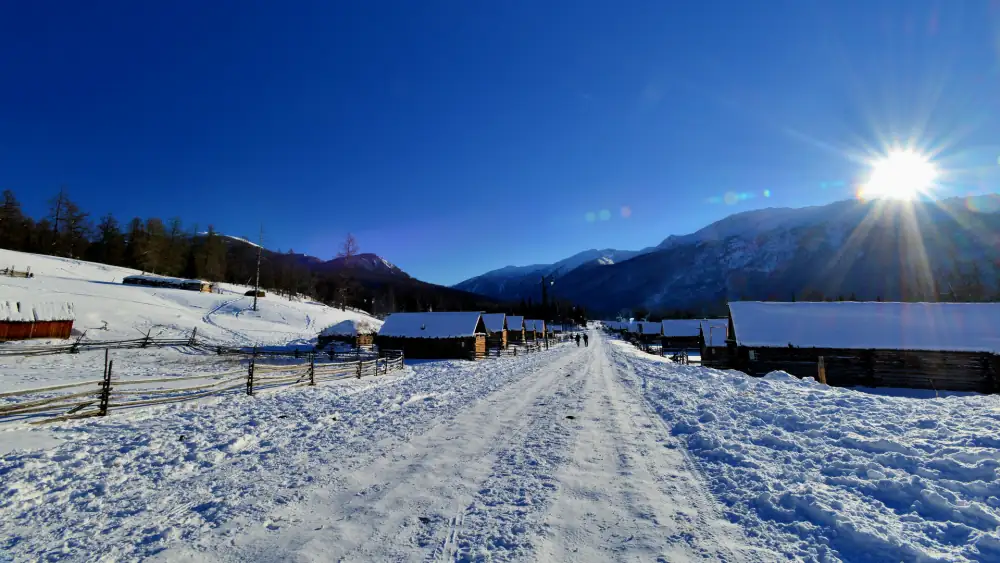
- Winter: Deep snow, but beautiful. The Guozigou Valley rime ice is stunning. Many facilities close.
Budget Estimate (5 Days)
| Item | Budget (¥) | Mid-Range (¥) |
|---|---|---|
| Flight from Urumqi (round trip) | 800 | 1,400 |
| Car rental/transport (5 days) | 500 | 3,000 (with driver) |
| Accommodation (4 nights) | 400 | 1,600 |
| Meals | 400 | 800 |
| Attraction entrance fees | 300 | 300 |
| Activities (horse riding, etc.) | 150 | 400 |
| Total | ¥2,550 ($353 USD) | ¥7,500 ($1,038 USD) |
The Valley That Changes Everything
The Ili Valley challenges every assumption you might hold about Xinjiang. It’s green, not brown. It’s wet, not dry. It feels Central Asian, not Chinese. And it’s drop-dead gorgeous in a way that no photograph fully captures. This is a place that exists because of geography — the Tianshan mountains catching the last moisture of the westerly winds, creating a garden in the rain shadow of the world’s most remote ocean. Come to Ili and you’ll understand why nomads have fought over this valley for thousands of years. Some things are worth fighting for.