
Table of contents
Open Table of contents
What Makes Kashgar Different
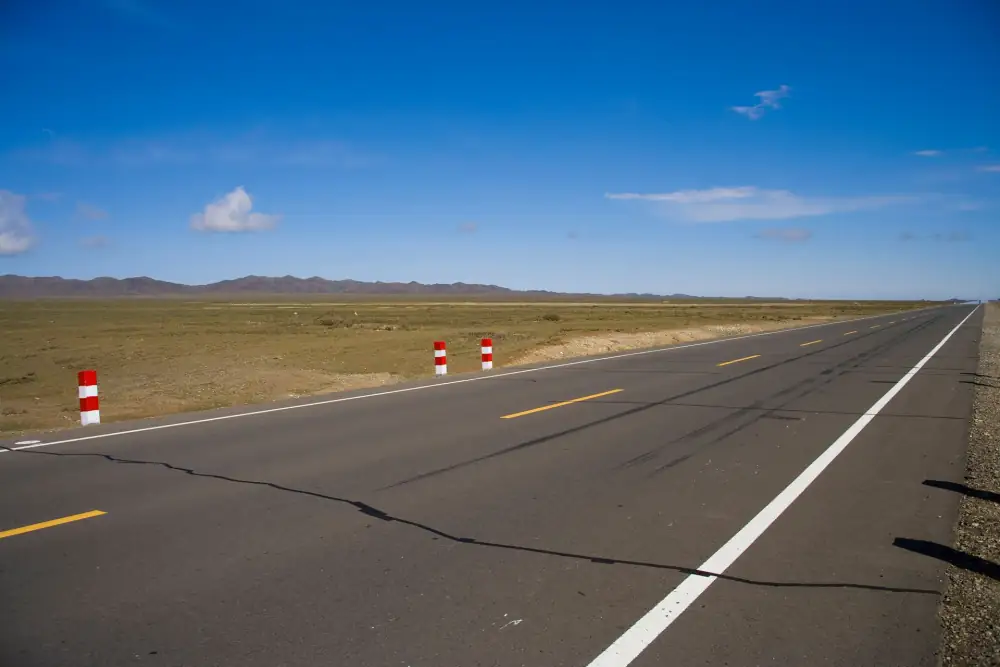
Kashgar’s distinctiveness comes from several overlapping factors:
Geography: The Kashgar oasis sits at the confluence of rivers descending from the Pamirs and Karakoram, creating a fertile zone in the midst of the world’s largest interior desert. The dramatic backdrop of mountains to the south and west (including K2, the second-highest peak, visible on clear days 250km away) is extraordinary.
History: The Old City’s current built fabric dates primarily from the last 200–300 years, though there has been continuous urban settlement here for at least 2,000 years. The organic mud-brick architecture, the network of lanes too narrow for vehicles, the courtyard homes with carved wooden doors — this is a living urban tradition.
Culture: The Uyghur community maintains a distinct cultural identity — their language is a Turkic language related to Uzbek, their cuisine is more Central Asian than Chinese, and their Islamic practice is the organizing principle of daily and social life.
The Old City (老城区)
The Kashgar Old City was renovated/reconstructed in phases between 2009 and 2016. This process is controversial — some sections were demolished and rebuilt rather than conserved, and critics argue the renovation standardized and de-authenticated the architecture.
What remains is still visually extraordinary. The lanes are genuine, the courtyard homes are inhabited by real families, and the community life of the Old City is intact even where individual buildings are newer. Walking the lanes in the morning — hearing the call to prayer from Id Kah Mosque, smelling bread baking in tanoor ovens, watching the social rhythms of an Uyghur neighborhood — is genuinely unlike anything else in China.
Old City entry: Free (a reconstruction-era ticket fee was abolished). The Old City is open at all hours; the main commercial lanes are active from 8am.
Key Areas Within the Old City
High Lane (高台民居区): The area of most authentic architecture, on elevated ground north of Id Kah Square. Mud-brick homes cantilevered over the narrow lanes, connected by bridges and corridors. Walking through this area slowly, no particular destination, is the best use of time.
Crafts area: Several lanes in the old city specialize in traditional crafts — blacksmiths hammering copper pots, leather workers, wood carvers producing traditional carved panels. The sound of metalwork in the narrow lanes is a constant background.
Id Kah Square (艾提尕尔广场): The main public square fronting Id Kah Mosque, the heart of the city’s social life. Most alive on Friday (Juma prayer day) and during the Eid festivals.
Id Kah Mosque (艾提尕尔清真寺)
The largest mosque in China (capacity: 20,000 worshippers), this yellow-tiled complex has origins in the 15th century. The current structure dates primarily from the 20th century, though elements of the older building are incorporated. The main prayer hall is not accessible to non-Muslim visitors during prayer times, but the courtyard and outer areas can be visited.
Entry: Free for respectful visitors in appropriate dress (women must cover hair; modest clothing for all).
The most important experience is being in the square during Friday afternoon prayers (Juma Namaz, approximately 1–2pm) — when several thousand worshippers overflow from the mosque into the square. This is public, communal, and openly visible, but observe with respect and ask before photographing.
The Sunday Market (周日集市 / 大巴扎)
The most famous market in Xinjiang. Kashgar’s Sunday Market has operated for centuries and remains the weekly gathering point for farmers, herders, and traders from across the Kashgar oasis and surrounding mountains. It’s called “Sunday Market” but it actually runs most days with Sunday being the largest.
The market spans a large area outside the old city. It’s divided into sections:
Livestock Market (牲畜市场): The most dramatic section — donkeys, sheep, goats, cattle, and occasionally camels are traded here from early morning. Buyers and sellers argue prices, animals are inspected and tested for health, and deals are struck with handshakes. This is a genuine agricultural market, not a tourist performance.
Covered Bazaar (大巴扎): The enormous covered market hall (built in the 1990s to replace the original open bazaar) sells everything from spices to electronics to traditional clothing to kitchen equipment. The produce section is particularly good — dried fruits, nuts, and spices are regional specialties.
Handicrafts and traditional items: Uyghur knives (blade length varies by region and tradition), traditional doppa caps, ikat-dyed silk fabric (艾德莱斯绸), and hand-knotted carpets are all available.
Hours: Most active from 9am–2pm on Sundays. Other days have markets but smaller scale.
Photography at the market: The livestock market is particularly photogenic — dramatic faces, working animals, intense negotiations. However, always ask permission before photographing people closely. Many vendors and farmers welcome the attention; others prefer privacy. A small phrase goes a long way: “Rāzimisiz sūrät élishqa?” (May I take a photo?) in Uyghur.
Food in Kashgar
Uyghur cuisine is genuinely one of China’s great regional food traditions, and Kashgar is where you find the most authentic versions.
Essential Dishes
Hand-Pulled Lamb Noodles (拉条子, Lagman): Thick, chewy noodles hand-pulled and stir-fried or served in a brothy sauce with lamb and vegetables. The Kashgar version is more tomatoey and Central Asian than the Xinjiang variants further east. ¥15–25 per bowl.
Polo (抓饭, Uyghur Pilaf): The Uyghur national dish — rice cooked in lamb fat with carrots, onions, and tender lamb. Eaten communally from a large platter with the right hand (traditional style) or with a spoon (tourist-friendly). Available at morning markets: ¥15–25 per portion. Best between 8–11am.
Samsa (烤包子, Baked Dumplings): Lamb and onion filling in a thick pastry crust, baked in a tanoor oven. Crisp outside, juicy inside. ¥3–5 each — the best snack in Kashgar.
Kebab (串儿/羊肉串): Lamb on skewers over charcoal, seasoned with cumin and chili. Virtually every street has a kebab seller. ¥3–5 per skewer.
Nan Bread: Different from Indian naan — the Uyghur nan is a thick, sesame-topped flatbread baked against the walls of a tandoor oven. Buy direct from bakeries for ¥2–5 per bread. Still warm is best.
Shashlik + Beer on Id Kah Square: The informal evening outdoor dining around the square, with kebab smoke drifting across and music from restaurants, is one of the great street food experiences in China.
Best Eating Area
The old city lanes and the area around Id Kah Square have the highest concentration of good Uyghur restaurants. The morning markets near the mosque (7–10am) are particularly good for polo and nan.
Surroundings and Day Trips
Karakul Lake (卡拉库里湖)
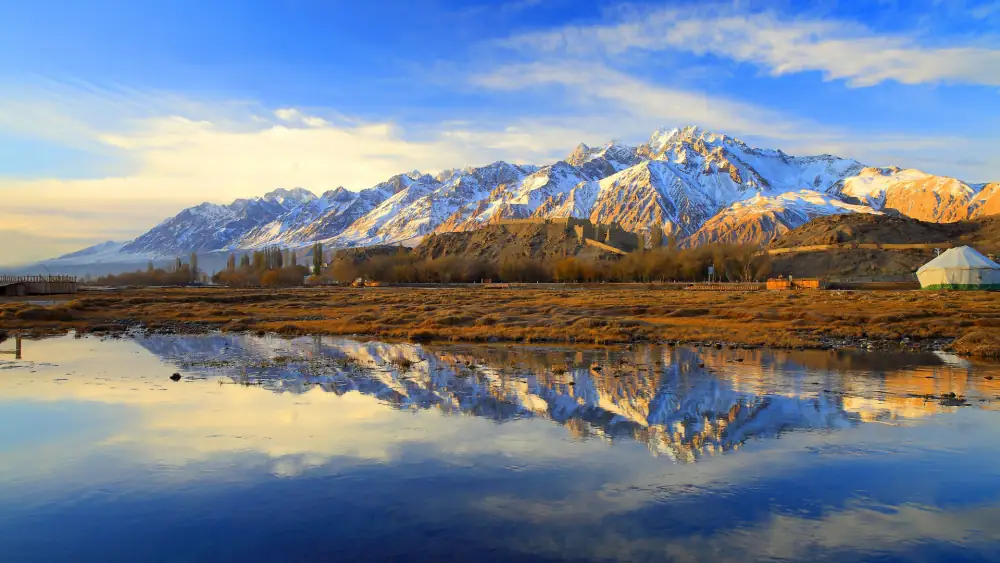
200km south of Kashgar on the Karakoram Highway, at 3,600m elevation. A high-altitude lake with the dramatic backdrop of the Muztagh Ata Peak (7,546m). The landscape is one of the most dramatic in the region — blue lake, white peak, and Kyrgyz yurt camps along the shore.
Getting there: Shared minibuses from Kashgar Livestock Market area (¥60–80 one way, about 4 hours). Day trip possible but overnight (in yurt guesthouses, ¥80–150/night including meals) gives more experience.
Shipton’s Arch (布伦口大拱桥区域)
Possibly the world’s tallest natural arch, in the mountains outside Kashgar. Less visited and difficult to access (requires a 4WD and a full day), but for adventurous travelers it’s extraordinary.
Tashkurgan (塔什库尔干)
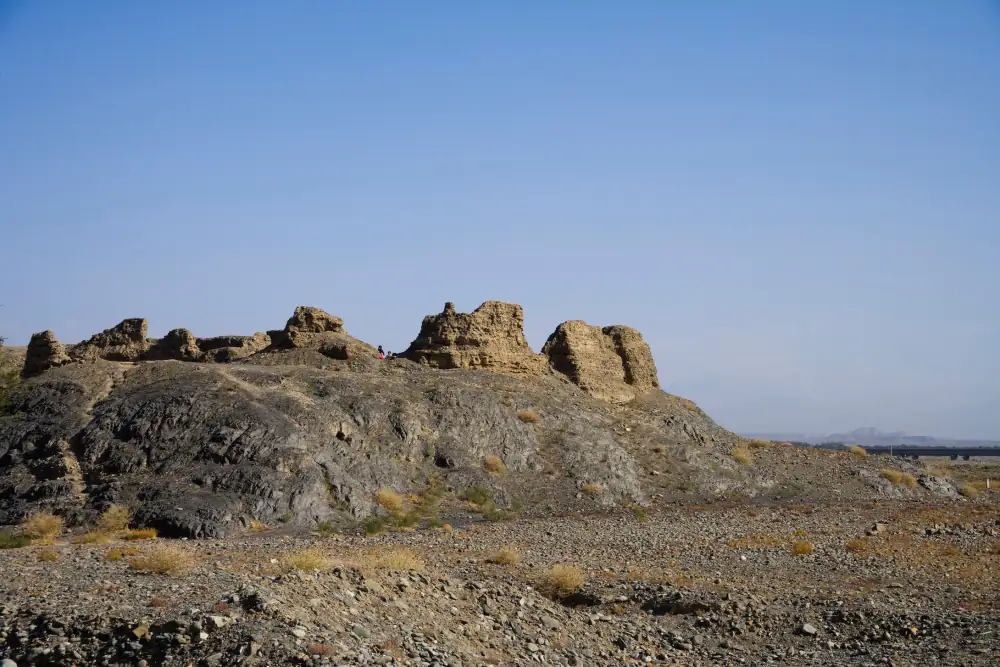
290km south, this county town in the Pamir plateau is home to the Tajik minority, one of China’s smaller officially recognized ethnic groups. The ancient stone fort ruins are atmospheric and the Tajik cultural experience is completely different from the Kashgar Uyghur environment.
Getting to Kashgar
By Air: Kashgar Airport (KHG) has direct flights from:
- Urumqi: 1.5 hours, from ¥300. Frequent service.
- Beijing: 5 hours, from ¥900 (usually with connections)
- Chengdu: 4 hours, from ¥800
- Xi’an: 3.5 hours, from ¥700
By Train:
- From Urumqi: 24 hours by overnight train, ¥120 soft sleeper. A classic Xinjiang cross-desert journey.
- From Urumqi: The new high-speed rail to Kashgar opened in phases — check current status for reduced journey times.
Note on Travel Permits: As of 2026, foreign visitors to Xinjiang do not require additional permits beyond a standard Chinese visa. However, regulations can change. Check current requirements via your country’s foreign affairs office and recent traveler reports.
Practical Considerations
Respect: Kashgar is a deeply religious Muslim community. During Ramadan (dates shift each year), be respectful of fasting — avoid eating or drinking in public during daylight hours. Modest dress is appreciated, particularly near mosques.
Photography: Very context-dependent. In markets and public spaces, many people welcome photos. Near mosques and during religious activities, ask or observe from a distance. Some visitors have reported that photographing certain infrastructure or uniformed personnel causes problems — exercise common sense.
Language: Uyghur is the first language for most local residents. Mandarin is widely understood in commercial settings. English is minimal outside hotels.
Internet and communications: VPN apps for accessing non-Chinese services work unreliably in Xinjiang. Download maps, content, and communication tools to your device before arriving.
Kashgar is one of the most genuinely different places you can visit in China — different in culture, language, faith, food, and the texture of daily life. Come with openness, curiosity, and genuine respect, and you’ll encounter one of the most hospitable cultures you’re likely to meet anywhere.