
Urumqi (乌鲁木齐) is the capital of Xinjiang Uyghur Autonomous Region and the most remote provincial capital from any ocean in the world — a geographic fact that defines the city’s character as a crossroads of Central Asian trade routes. The International Grand Bazaar at Erdaoqiao is the most visible symbol of Urumqi’s Uyghur and Silk Road heritage, while the surrounding Tianshan Mountains provide dramatic natural scenery within 30 minutes of the city.
The International Grand Bazaar (国际大巴扎)
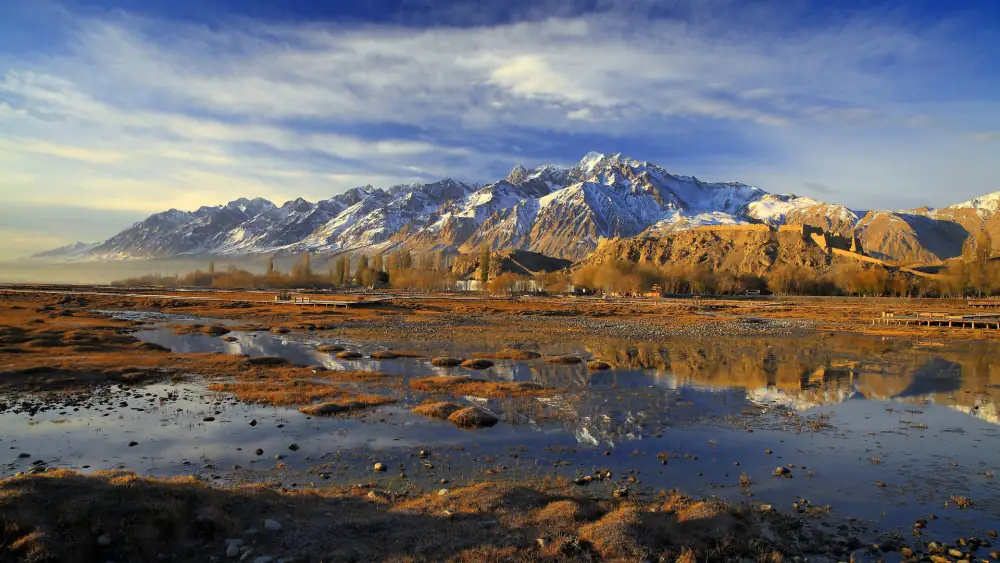
Built in 2003 and expanded since, the Grand Bazaar complex is the largest bazaar in China with over 100,000 m² of market space. It’s architecturally distinctive — modeled on traditional Central Asian architecture with decorated arches, minarets, tile mosaics and carved wood elements in a style that references the great bazaars of Samarkand and Kashgar.
What to find there:
- Dried fruits and nuts: Xinjiang’s famous raisins, walnuts, almonds, apricots — the region is China’s largest producer. Try before buying; prices negotiable for larger quantities.
- Silk and fabrics: Atlas silk (艾德莱斯绸) — the distinctive ikat-dyed silk in geometric Uyghur patterns
- Carpets and rugs: Machine and hand-woven; traditional geometric patterns
- Jade and gemstones: Xinjiang jade (Hotan jade) from the same source that supplied China’s imperial court
- Spices and herbs: Cumin, saffron, sumac — different spice palette from Han Chinese cooking
- Folk crafts: Uyghur musical instruments (dutar, rawap), carved goods, silver jewelry
Food vendors: The bazaar’s food section serves grilled lamb skewers (羊肉串), naan bread (囊, náng) baked in a clay tandoor oven, samsa (baked filled pastry), pilaf (手抓饭, shǒu zhuā fàn — rice cooked with lamb and carrots, eaten by hand), and fresh fruit juices.
Evening performance: The bazaar hosts a nightly outdoor performance of Uyghur music and dance, included in the evening entry. The show runs approximately 1 hour and features traditional instruments, costumes and the distinctive Uyghur dance style with its characteristic neck and head movements.
Entry: ¥30 (daytime); ¥30 (evening performance night entry)
Urumqi’s Tianshan Mountains
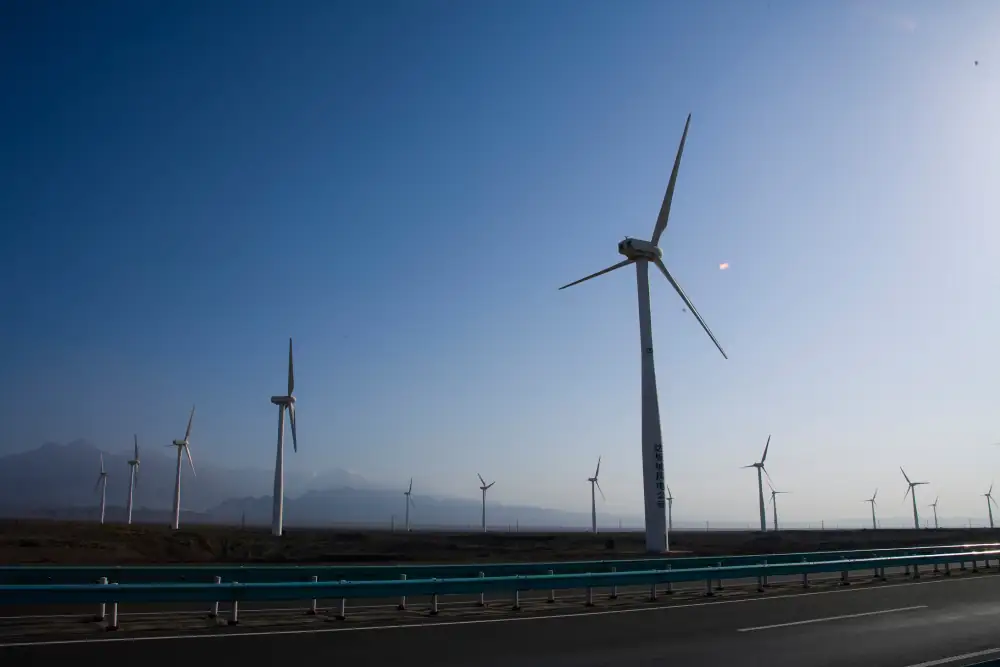
Tianchi Lake (天池, Heavenly Lake): 110 km east of Urumqi, a glacial lake at 1,910m altitude in the Tianshan Mountains. The lake is flanked by spruce forest and a backdrop of the Bogda Peak (5,445m) — a dramatic combination of alpine lake, evergreen forest and snow peak. Tourist development is significant; a cable car serves the main viewpoint. Day trip from Urumqi: 2.5 hours each way plus 2–3 hours at the lake. ¥105 entry.
South Tianshan Scenery (南山景区): Closer to the city (40 km), a series of alpine meadows, gorges and waterfalls in the foothills. Less crowded than Tianchi; better for half-day hiking.
Urumqi Scenic Area (乌鲁木齐县风景区): Rolling semi-alpine terrain; horse riding available; Kazakh family yurt stays possible in summer.
Xinjiang Food in Urumqi
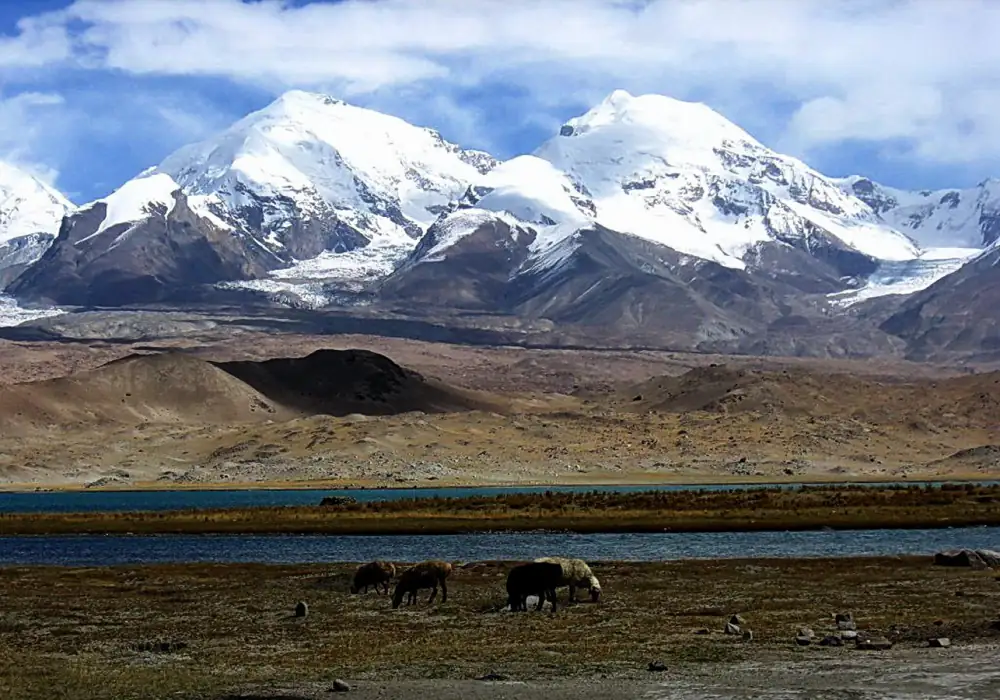
Urumqi’s restaurants showcase the full range of Xinjiang cuisine, including both Uyghur food and the influences of Kazakh, Kyrgyz and Han communities.
Essential dishes:
- Hand-pulled lagman noodles (拉条子, lā tiáo zi): Wide hand-stretched noodles with stir-fried vegetables and lamb
- Pilaf (手抓饭): Steamed rice with lamb, yellow carrot, raisins and chickpeas; eaten by hand at traditional restaurants
- Dapanji (大盘鸡): “Big plate chicken” — braised chicken and potato with broad noodles in spiced sauce; a massive dish meant for sharing
- Grilled lamb on skewers (烤羊肉串): Cumin-heavy, charcoal-grilled — the essential Xinjiang snack
- Naan bread (囊): Baked in clay oven; the foundation of every Xinjiang meal
- Sanzi (馓子): Fried dough strips; eaten at festivals
- Dried fruit yoghurt (酸奶果干): Thick yoghurt with raisins, apricots and nuts; excellent breakfast or dessert
Restaurant street: The area around Erdaoqiao and the bazaar has dozens of restaurants and food stalls. Wander and point — most menus have photos.
Practical Tips for Visitors
Time zone confusion: Xinjiang officially uses Beijing Standard Time (UTC+8) but many local businesses, particularly Uyghur-run establishments, operate on informal “Xinjiang Time” (UTC+6, 2 hours behind Beijing). Check whether quoted times are Beijing time or Xinjiang time.
Weather: Urumqi has a continental climate — hot summers (35°C+) and very cold winters (-20°C). Best visit months: May–June and September–October (moderate temperatures, clear skies). Summer is busy; winter is very cold.
Security: Xinjiang has a heightened security environment. Expect bag checks and document verification at public venues, transportation hubs and tourist sites. Carry your passport at all times. Register with local police at accommodation (hotels handle this automatically; private rentals may require you to self-register).
Photography: Photography at religious sites, checkpoints and of security infrastructure is prohibited. Photographing ordinary street scenes, the bazaar, markets and landscapes is generally fine.
VPN: Standard VPN apps may not work in Xinjiang. If you use a VPN for internet access in China, verify your service works here before relying on it.
Getting to Urumqi:
- By air: Urumqi Diwopu International Airport (URC) has direct flights from Beijing, Shanghai, Chengdu and major Chinese cities. International connections to Central Asian capitals (Almaty, Bishkek, Tashkent).
- By rail: The overnight train from Lanzhou to Urumqi (22 hours) covers some of the most dramatic desert landscape in Central Asia. The Z train option is a classic journey.
Urumqi is a transit hub for deeper Xinjiang travel (Kashgar, Turpan, Kanas Lake) rather than a destination in itself. But the Grand Bazaar, the Xinjiang food scene and the Tianshan day trips make it well worth 2 days, and the sense of being at a genuine Central Asian crossroads — where the Han Chinese city and the Uyghur old quarter coexist and the mountains to the south are the beginning of the world’s great highlands — is a distinctive and memorable experience.