
Kashgar (喀什, Kashi) stands at the far western edge of China — an oasis city at the foot of the Pamir Mountains, historically the meeting point of the Silk Road’s northern and southern routes, and the heart of Uyghur culture and Central Asian Muslim life in the Middle Kingdom.
The city is visually and culturally more like Samarkand than Shanghai. Arabic script appears on signboards; the architecture shows the flat-roofed, mudbrick tradition of Central Asian oasis architecture; the food is lamb-and-flatbread-centred; the market culture operates on a different calendar and rhythm from Han Chinese cities.
Important note: Visiting Xinjiang in 2026 involves a specific political and security context that visitors should research thoroughly before travelling. This guide addresses the cultural and travel practical aspects while acknowledging that situation.
The Old City (老城)
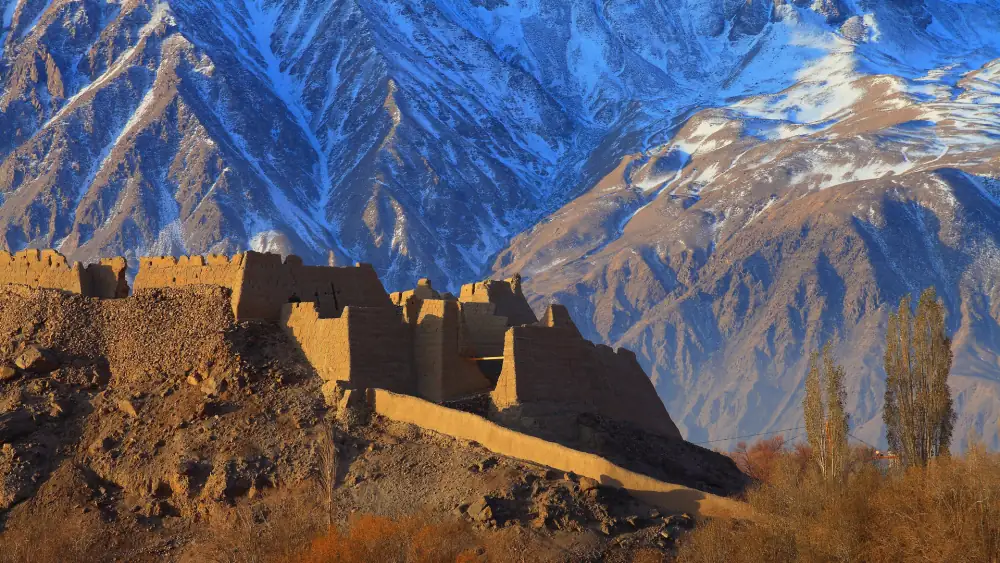
Kashgar’s old city has been extensively rebuilt and restored — the dense mudbrick neighbourhood of traditional Uyghur courtyard houses has been significantly altered from 2009 onwards. What remains is partially authentic traditional architecture preserved for tourism, partially reconstructed.
The reconstructed sections: The eastern part of the old city is the most visitor-oriented — restored facades, tourism shops, cultural performance venues.
The more genuine sections: The western and northern residential lanes behind the main tourist areas still have occupied traditional houses. Walking away from the main tourist route finds families going about daily life.
Id Kah Mosque and Square (艾提尕尔清真寺)
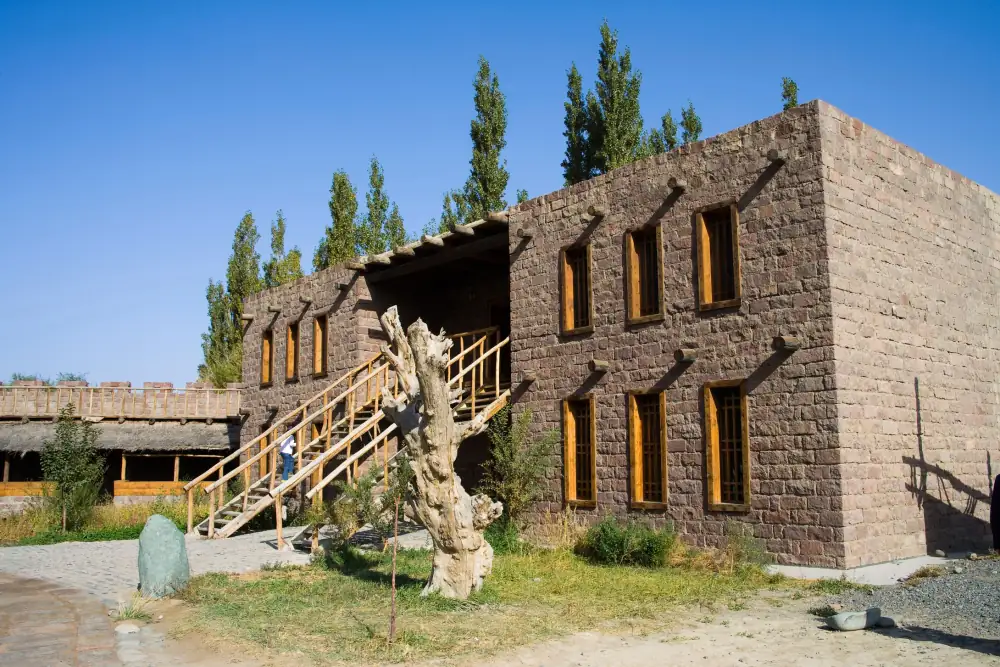
The Id Kah Mosque, built 1442 AD, is the largest mosque in China by capacity (20,000 worshippers for Friday prayer). The yellow-and-white facade with twin minarets dominates the central square.
The mosque is active — five daily prayer calls, Friday communal prayer, Ramadan observance. Non-Muslim visitors are welcome outside prayer times (check current access policy at the gate).
Friday prayer: The largest religious gathering visible to visitors — thousands of worshippers coming from throughout Kashgar and surrounding villages.
Sunday Livestock Market (大牧场)
The Sunday market (Sunday Bazaar, 星期日巴扎) — specifically the livestock section — is one of the most visceral and memorable markets in Asia. Sheep, goats, cattle, horses, and donkeys traded between Uyghur, Kyrgyz, Tajik, and Kazakh herders. The negotiation system, the scale of animals moved, and the cultural authenticity of the event are extraordinary.
Location: 3km east of central Kashgar (taxi, ¥15–20). The Sunday general market (Sunday Grand Bazaar) selling textiles, food, handicrafts, and household goods is in a separate complex nearby.
Uyghur Food Culture
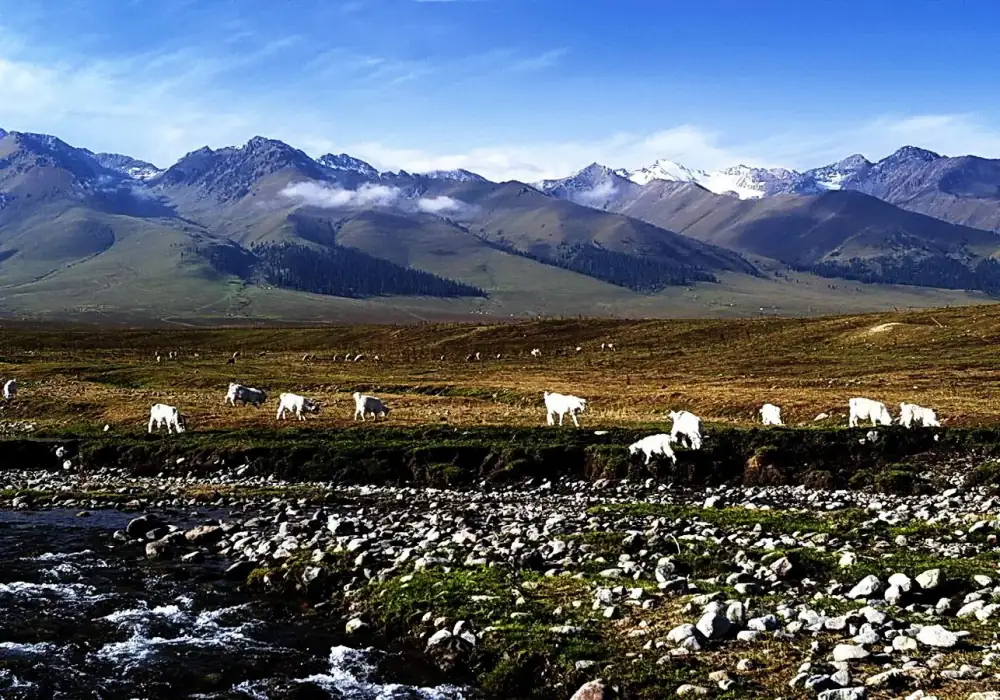
Kashgar’s food is entirely different from Han Chinese cuisine:
Naan bread (馕, náng): Flatbread baked in tandoor ovens — available at bakeries throughout the old city. The large round variety with sesame patterns is the staple.
Lamb skewers (羊肉串, yang rou chuan): Cumin-spiced lamb on fat skewers, cooked over hot coals. The standard street food across Xinjiang.
Polo (抓饭, pilaf rice): Rice cooked with lamb, carrots, onion, and dried fruit. The Uyghur national dish — available at restaurants and as takeaway.
Laghman noodles (拌面, bānmiàn): Hand-pulled thick noodles with a meat and vegetable sauce. Different from Chinese noodle dishes; more Central Asian in spice character.
Samsa (薄皮包子): Baked meat-filled dumplings from the tandoor.
Practical Notes for Visiting Xinjiang
Xinjiang requires additional documentation processes for foreign visitors that may have changed by your visit date. Research current requirements through your country’s foreign affairs office and through current traveller reports on forums.
Transport: Flights to Urumqi from major Chinese cities (2–3 hours). Urumqi to Kashgar: 25 hours by train or 1.5-hour flight.
Also see: Xinjiang Complete Guide | Silk Road Gansu Guide | Zhangye Danxia Rainbow Mountains Guide