
Xishuangbanna (西双版纳) in southernmost Yunnan Province sits on the upper Mekong River (the Lancang River as it’s called in China before crossing into Southeast Asia) at the point where China meets Myanmar and Laos. The climate is tropical, the vegetation is Southeast Asian rainforest, the ethnic Dai minority culture shares more with Laos and Thailand than with Han Chinese culture, and the food is a revelation of herb-forward, sour-spicy cooking that surprises visitors expecting standard Yunnan fare.
The Landscape and Setting
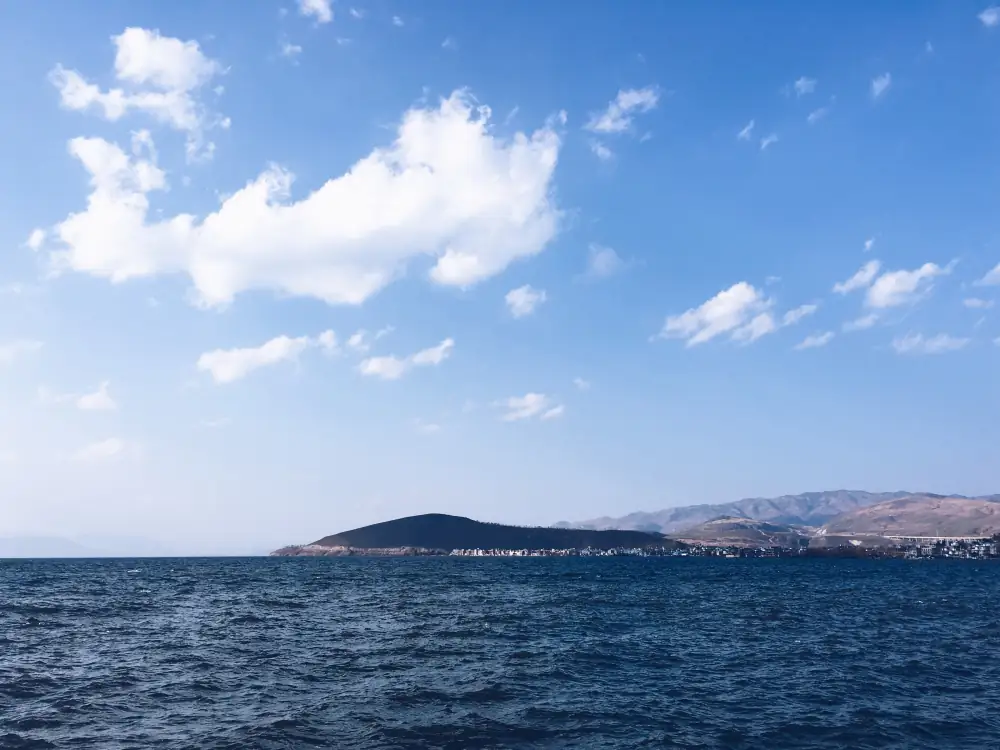
Xishuangbanna (the name is a transcription of the Dai phrase meaning “twelve rice-growing districts”) covers 19,220 km² of tropical basin and surrounding mountains. The capital, Jinghong (景洪), sits at 500m altitude on the Mekong River bank. The surrounding landscape is a mix of:
- Tropical rainforest in protected areas (Wild Elephant Valley, Nanbanna Tropical Botanic Garden)
- Rubber and tea plantations covering the hill slopes
- Rice paddies and banana plantations in the valley floors
- Dai village settlements with Buddhist temple complexes
What Makes It Feel Unlike the Rest of China
The language: Dai people speak Tai Lue (a Thai-Lao language family, not Chinese). Many signs are in both Chinese and Dai script.
The architecture: Dai houses are built on wooden stilts with deeply pitched roofs. Buddhist temples here have the same gilded spire style as Myanmar and Thailand — quite different from the Chinese Buddhist style found elsewhere.
The food: Grilled fish with lemongrass, tamarind-based soups, pineapple rice in bamboo, spicy ant-egg dishes, sticky rice eaten with hands from woven baskets. The herb palette — lemongrass, holy basil, makrut lime leaf — belongs to mainland Southeast Asian cooking.
The weather: Tropical, with a distinct dry season (November–April) and wet season (May–October). January is perfect: clear skies, 23°C, cool evenings. July is 30°C+ with heavy daily rain.
The Mekong River (Lancang River)
From Jinghong, the river flows south through Myanmar and Laos before eventually reaching Vietnam and the South China Sea. The upper stretch (within China) is still clean and powerful; standing at the riverside in Jinghong and understanding that this water will pass through six countries and reach the Mekong Delta 4,500 km away gives it a special quality.
River cruises: Short boat trips from Jinghong to nearby Dai villages and rubber plantations are available (¥30–60, 1–3 hours). Longer cruises into Myanmar border areas require special permits that are available through licensed operators in Jinghong.
Border to Laos/Myanmar: Some tour operators run 3–7 day cruises from Jinghong downstream through border areas into Myanmar or Laos. These require coordinated visas and permits (or the ship operates in special tourism zones). If you’re interested in the full Mekong experience, research licensed operators well in advance.
Wild Elephant Valley (野象谷)
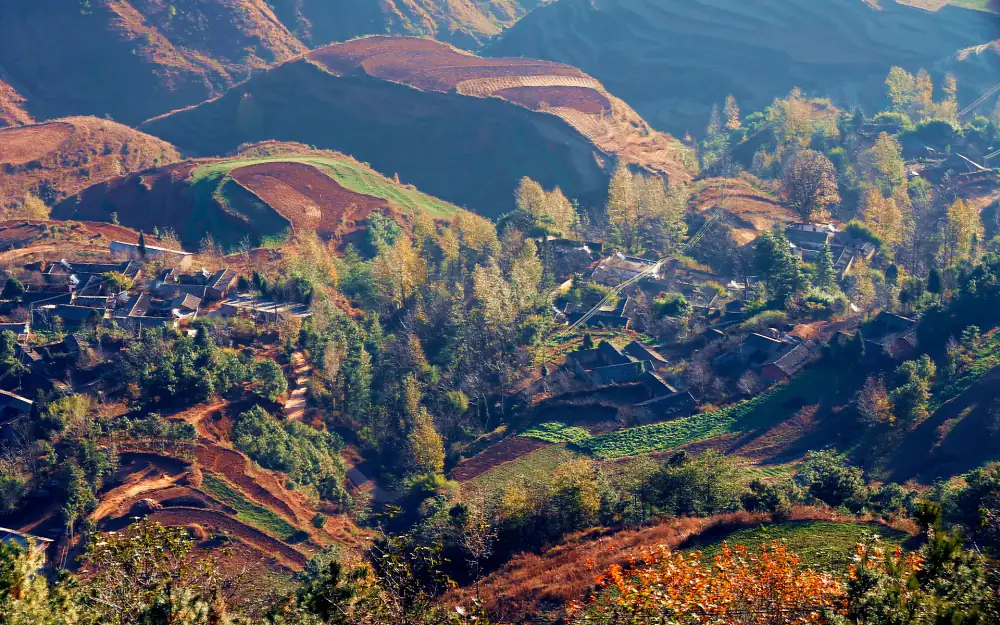
The most famous nature attraction in Xishuangbanna. A cable car takes visitors over the rainforest canopy; a ground-level observation platform overlooks a river bend where wild Asian elephants come to drink and bathe. The wild elephant population in Xishuangbanna (approximately 300 animals) represents the last significant wild elephant population in China.
Elephant sightings: Not guaranteed — these are wild animals, not a zoo. Elephants are most commonly seen in the late afternoon (15:00–17:00) and morning. A naturalist guide (¥50 additional) dramatically improves spotting chances.
Entry: ¥80; plus cable car ¥50 return
⚠️ Note on elephant encounters: Xishuangbanna’s wild elephants have become increasingly bold — there have been numerous incidents of elephants entering roads, villages and even towns. Exercise caution and follow park staff directions. Do not approach wild elephants.
Nanbanna Tropical Botanic Garden (勐仑植物园)
One of the finest botanical gardens in Asia, operated by the Chinese Academy of Sciences. The garden contains:
- Systematic collections of over 3,600 tropical plant species
- Giant parasol-leafed taro (Alocasia) with leaves up to 2m across
- Kapok trees, dragon blood trees, tropical bamboo species
- Evening walking areas where hundreds of fruit bats emerge
Hours: 07:30–18:00; Entry ¥80
Dai Minority Villages
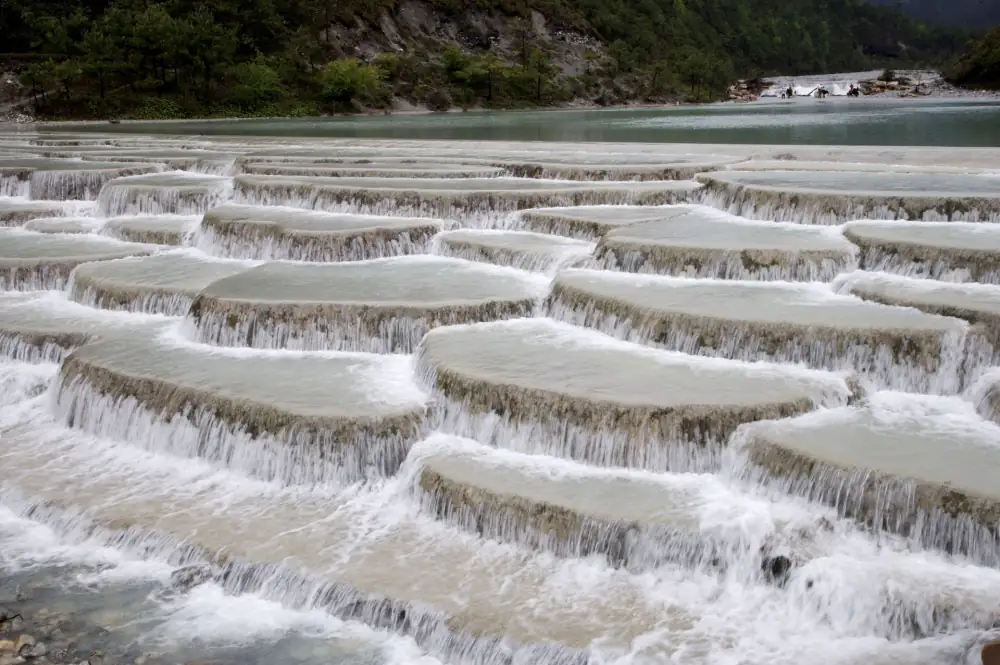
Several Dai villages near Jinghong maintain traditional architecture and culture for visitors. Manting Village (曼听村) is the most accessible from the city — 15 minutes by Didi. Morning markets (06:00–08:00) where Dai women sell grilled fish, sticky rice, jungle herbs and tropical fruits are the most atmospheric time to visit.
Dai water-splashing festival (泼水节): The Dai New Year festival (usually April 13–15) involves communal water-throwing as a purification and blessing ritual. Jinghong hosts one of the largest celebrations in China; the entire city becomes a water fight for three days. A genuinely joyful experience.
Xishuangbanna Food
What to eat:
- Pineapple rice (菠萝饭): Sticky rice with raisins, coconut and pineapple, served in a hollowed pineapple shell
- Lemongrass fish (香茅草烤鱼): Whole fish wrapped in lemongrass and grilled on charcoal
- Bitter melon soup (苦瓜汤): Intensely bitter, cooling effect
- Barbecued meat on sugarcane skewers (甘蔗烤肉)
- Wild mountain vegetable plates with ant-egg dipping sauce (蚂蚁蛋): An acquired taste but genuinely traditional
- Tropical fruit: Rambutan, mangosteen, durian, jackfruit, star fruit — all grown here and available year-round at market prices
Night market in Jinghong (景洪夜市): The best place to try everything; open from 18:00, winding down around 23:00. Affordable (¥5–15 per item) and lively.
Getting There
By air: Xishuangbanna Gasa Airport (JHG) in Jinghong; flights from Kunming (45 minutes, ¥200–500), Chengdu and other major cities.
By train: New high-speed Kunming–Vientiane railway (the Laos–China Railway extension) has a stop at Mengzi and continues to Jinghong. From Kunming, about 3 hours.
Border crossing to Laos: From Jinghong, buses run to Boten in Laos (with the China–Laos Railway now making the crossing very convenient — see Border Crossing Guide).
Xishuangbanna is the tropical borderland of China — the point where the bamboo forests and hill tribe cultures of the Greater Mekong Subregion flow northward into Chinese territory, and where Yunnan Buddhism merges with Southeast Asian Theravada tradition. For travelers on a China-Southeast Asia itinerary, it’s a natural and rewarding transition point.