
Table of contents
Open Table of contents
Jinghong City: The Gateway
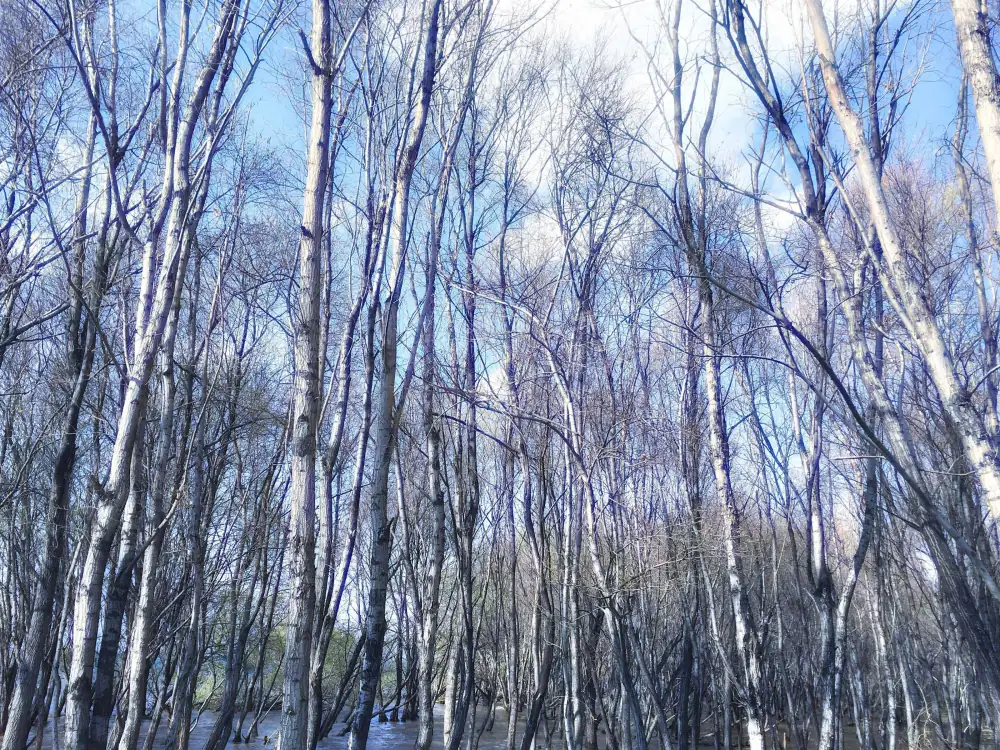
Xishuangbanna’s capital, Jinghong (景洪), sits on the Mekong River — called the Lancang River (澜沧江) in China — and has a relaxed, slightly tropical atmosphere unlike any other Chinese prefecture capital. The streets are lined with palm trees, the food is dominated by Dai flavors, and Buddhist temple complexes rise above the riverside parks.
Manting Park (曼听公园)
The oldest park in Jinghong, associated with the Dai royal family and containing the Octagonal Pavilion (八角亭) — an example of classic Dai-style architecture. The park has a genuine garden character with tropical plantings and a small zoo featuring elephants (captive; the wild populations are in the nature reserves).
Tickets: ¥30 ($4). Open daily.
Mekong River Evening Promenade
The waterfront park along the Mekong in central Jinghong is a pleasant evening destination. The river is vast — 400 metres wide here — and the far bank is part of Myanmar. Food stalls, karaoke pavilions and locals enjoying the cool riverside air make this a good introduction to Jinghong’s unhurried pace.
Free.
Wild Elephant Valley (野象谷)
About 47 km north of Jinghong on the road to Simao, Wild Elephant Valley (野象谷) is where the Asian elephant population of Xishuangbanna congregates most reliably. The reserve protects approximately 300 wild elephants — the largest wild population in China, in a total national population estimated at 300 (which means essentially all of China’s wild elephants live here).
The main visitor experience involves a cable car over the forest canopy (¥35 round trip) and several elevated walkways through primary rainforest. The elephants are wild and their appearance is not guaranteed — but the valley has consistent records of encounters, particularly at the mineral salt lick and water areas.
For the best chances: Visit in the morning (07:00–10:00) when elephants are most active. The reserve staff can advise on current elephant locations.
Tickets: ¥80 ($11). Cable car: ¥35 ($5) extra. Open daily 08:00–18:00.
Important note: In May 2021, a herd of 15 wild Yunnan elephants made headlines by migrating 500 km north before returning south — one of the most closely followed wildlife events in recent Chinese history. The Xishuangbanna reserve management has improved significantly as a result of the global attention.
Tropical Botanical Garden (中国科学院西双版纳热带植物园)
Located in Mengla County, about 90 km east of Jinghong, the Xishuangbanna Tropical Botanical Garden is one of China’s most significant research institutions — and a spectacular destination in its own right. The garden covers 1,100 hectares and contains over 13,000 plant species including remarkable collection of cycads, tropical fruit trees, medicinal plants and the largest collection of Dipterocarpaceae (a family of tall rainforest trees) outside Southeast Asia.
The “Treetop Walkway” (树冠走廊) is a suspended bridge system through the forest canopy at 20 metres height — one of the best in any tropical garden in the world.
Tickets: ¥80 ($11). Open daily 07:30–18:00. Budget a full day.
Dai Minority Culture and Villages
Manting Village (曼听傣族村)
Within Manting Park, this traditional Dai village has been preserved as a cultural museum. The wooden stilt houses, Buddhist shrines at every home entrance and the daily rhythms of village life provide a relatively authentic introduction to traditional Dai culture (though it is also designed for visitors, so calibrate expectations).
Traditional Dai Villages Around Menghai
For more authentic village encounters, the area around Menghai (勐海) County — the heart of Pu-erh tea country — has numerous Dai, Bulang and Akha villages that receive far fewer visitors than the Jinghong area.
Menghai is also the centre of Pu-erh tea (普洱茶) production. Several tea factories and plantation walks are available, including the famous Menghai Tea Factory (勐海茶厂) which produces some of China’s most collected aged Pu-erh. Tours are available on weekdays; ¥50 ($7) including tasting.
Golden Triangle Area (Mengla to Laos Border)
The border town of Mohan (磨憨), 237 km southeast of Jinghong, is the land border crossing to Laos (Boten on the Lao side). The new China-Laos Railway (opened 2021) makes Mohan-Boten accessible and integrated into regional travel. The crossing is open to third-country nationals with valid Lao visas.
The Dai Water Splashing Festival (泼水节)
The single most famous event in Xishuangbanna, the Water Splashing Festival (New Year in the Dai Buddhist calendar) takes place annually in mid-April — typically April 13–15, though the exact dates vary. The festival involves:
- Mass water-splashing street celebrations in Jinghong (bring clothes you don’t mind soaking)
- Traditional Dai boat racing on the Mekong
- Fire lantern releases at dusk
- Traditional Dai food markets and performances
The festival draws hundreds of thousands of visitors from across China; accommodation books out 2–3 months in advance and prices triple. Book early or avoid these specific days if crowds aren’t your preference.
Xishuangbanna Food
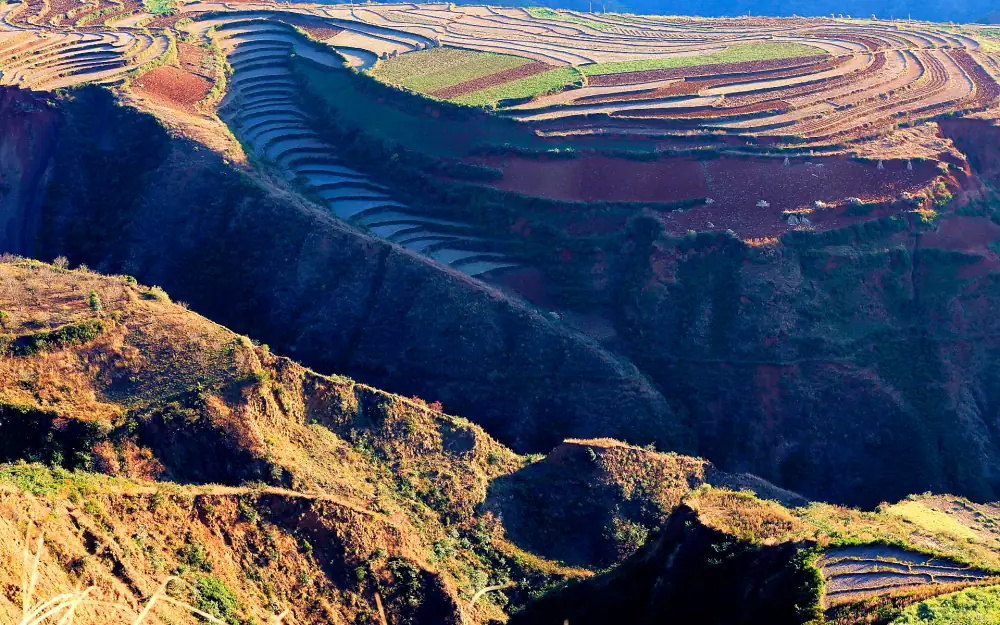
Dai cuisine is distinctive in the Chinese context: herb-heavy, fish-sauce-flavoured, featuring lemongrass, galangal and pandan leaves. It’s the closest thing to Thai food you’ll find in China, and it’s excellent.
Must-eat:
- Bamboo rice (竹筒饭): Glutinous rice cooked inside fresh bamboo; available everywhere
- Grilled fish (烤鱼): Whole fish wrapped in banana leaf and grilled over charcoal with lemongrass and chilli
- Sour bamboo shoots (酸笋): Fermented bamboo used as a condiment in almost every Dai dish
- Spicy ant egg salad (蚂蚁蛋): A spring delicacy — large ant eggs tossed with lemongrass and herbs. Genuinely delicious if you can get past the concept.
- Pu-erh tea: Drink it throughout the day as locals do
Where to eat: Manting Road in Jinghong has the highest concentration of Dai restaurants. A full dinner for two costs ¥80–¥150 ($11–$21).
Getting to Xishuangbanna
From Kunming
By air (recommended): Kunming Changshui International Airport to Xishuangbanna Gasa Airport (JHG), about 50 minutes. Budget airlines (Ruili Air, Lucky Air) often have very cheap fares (¥120–¥300, $17–$42 one way). Multiple daily flights.
Bus: Long-distance buses from Kunming to Jinghong take 9–11 hours; tickets ¥160–¥220 ($22–$31). Still used but not recommended when flights are cheap.
The China-Laos Railway route: Kunming South → Mohan by high-speed rail, then connecting to Jinghong by bus or car. Not particularly time-efficient for most itineraries but an interesting route if heading to Laos.
From Dali or Lijiang
No direct bus or rail. Fly via Kunming.
Getting Around
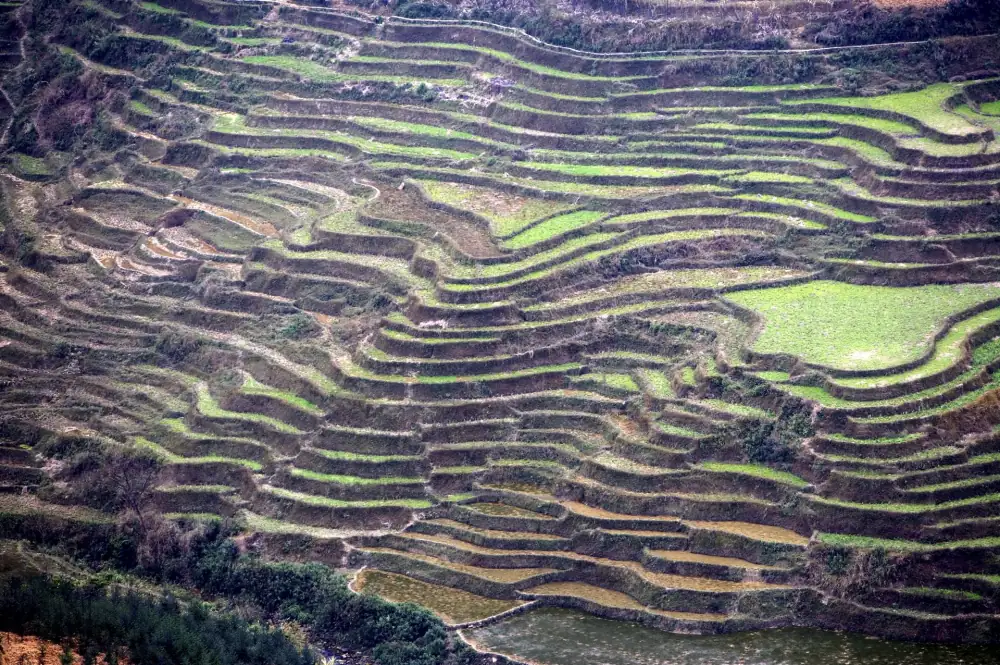
Tuk-tuks (摩托三轮): The standard short-distance transport in Jinghong; ¥5–¥15 per ride, negotiated upfront.
DiDi: Works in Jinghong and larger towns; less reliable in rural areas.
Bicycle/e-scooter hire: Available in Jinghong from ¥30/half-day ($4); good for exploring the town and nearby villages.
Buses to attractions: Regular buses to Wild Elephant Valley from Jinghong bus station (¥15, 1 hour). Buses to Menghai (¥20, 1.5 hours) for Pu-erh tea exploration.
Where to Stay
Budget (¥80–¥200 / $11–$28): Hostels and guesthouses concentrated in the Manting Road area of Jinghong. Several have riverside locations and Dai-style architecture.
Mid-range (¥280–¥550 / $39–$77): Jinghong No.1 Hotel and Mekong Princess Hotel are comfortable central options.
Upscale (¥800+ / $112+): Anantara Golden Triangle Xishuangbanna Resort (if you can find it in the area) and Crowne Plaza Xishuangbanna are the flagship properties.
Eco-lodge near botanical garden: Several small eco-resorts operate near the Tropical Botanical Garden in Mengla; a good option for a forest immersion experience. From ¥350–¥600/night ($49–$84).
Best Time to Visit
November–February (dry season): The best overall time. Temperatures are mild (20–28°C), humidity is lower and the rivers are clear. The famous morning mist in the valleys is at its most photogenic.
April (Water Splashing Festival): The most exciting cultural experience but very crowded. Plan accommodation months ahead.
May–October (rainy season): Lush greenery and dramatic forest atmosphere, but frequent heavy rain, higher humidity and some trail closures. Elephants are more dispersed in the rainier months.
Final Word
Xishuangbanna occupies a unique ecological and cultural position in China’s geography. If you’re doing a Yunnan itinerary that includes Lijiang and Dali, it’s tempting to stop there — but the tropical south rewards an extension. Two nights minimum in Jinghong, ideally with a side trip to Wild Elephant Valley and the Botanical Garden, gives you an encounter with a completely different China from anything else in the province.