
Table of contents
Open Table of contents
Urumqi — The City at the Centre of Everywhere
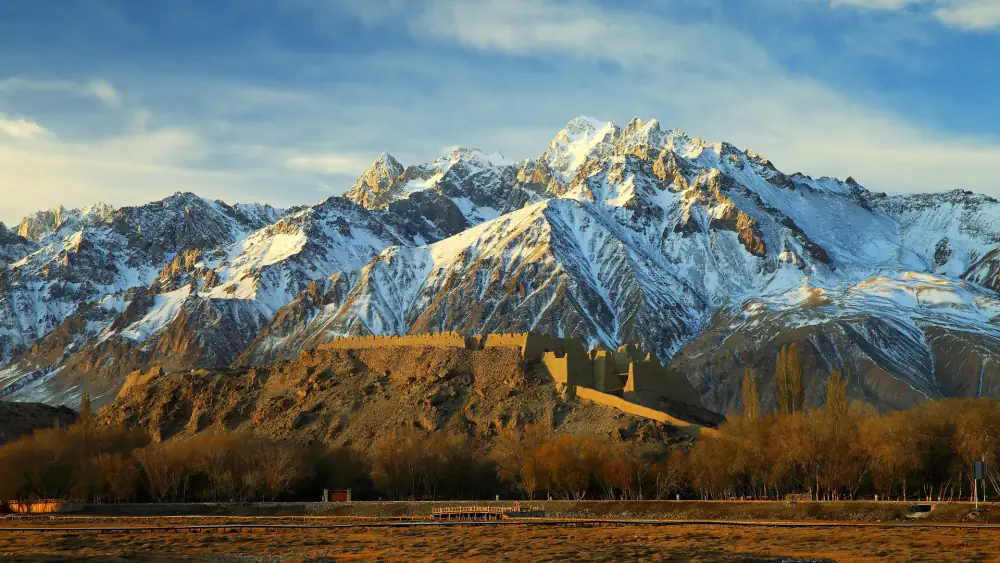
Urumqi (乌鲁木齐) holds the Guinness World Record for being the most remote major city from any ocean — over 2,500 km from the nearest coastline. It’s a superlative that somehow captures the essence of this place: vast, somewhat improbable, and defiantly alive. As the capital of the Xinjiang Uyghur Autonomous Region, Urumqi is where China’s Han majority meets Central Asian culture in a collision that produces one of the country’s most fascinating and complex urban environments.
I’ll be honest — Urumqi is not conventionally beautiful. It’s a city of wide boulevards, Soviet-style apartment blocks, and construction cranes. But what it lacks in aesthetic charm, it compensates for with raw energy, extraordinary food, and a sense of being at a crossroads of civilisations that stretches back millennia. Every Silk Road traveller from the Han Dynasty to the present day has passed through this valley between the Tianshan Mountains and the Junggar Basin, and the city carries that history in its bones.
The International Grand Bazaar
The Sights and Sounds
The Xinjiang International Grand Bazaar (新疆国际大巴扎) is the largest bazaar in China and one of the most visually spectacular markets in all of Central Asia. Covering over 39,000 square metres, it’s a maze of Islamic-inspired architecture — minarets, domed roofs, and arched colonnades — painted in vivid colours and buzzing with activity from morning to night.
The bazaar is divided into sections selling different categories of goods:
Carpet Hall: Handwoven carpets from Kashgar, Hotan, and throughout Central Asia. Prices range from ¥200 ($28 USD) for small prayer rugs to ¥50,000+ ($6,923+ USD) for large silk carpets. The quality varies enormously — take your time and don’t buy from the first stall you see.
Jewellery and Gemstones: Xinjiang is famous for Hotan jade (和田玉), and the bazaar has dozens of jade vendors. Be extremely cautious — the jade market is rife with fakes and treated stones. If you’re serious about buying, go with a knowledgeable local. Genuine Hetian seed jade (籽料) starts at ¥1,000 ($138 USD) per gram for good quality.
Musical Instruments: The rawap (a Uyghur stringed instrument), dutar, and dombra are beautifully crafted and make wonderful souvenirs. A playable rawap costs ¥200-600 ($28-83 USD). Decorative (non-playable) versions are cheaper.
Dried Fruits and Nuts: This is where the bazaar truly shines. Xinjiang produces some of the finest dried fruits and nuts in the world, and the variety here is staggering. Must-buys include:
- Turpan raisins (吐鲁番葡萄干): ¥20-40 ($2.80-5.50 USD) per 500g
- Hotan jujubes (和田枣): ¥25-50 ($3.50-7 USD) per 500g
- Kashgar apricots (喀什杏干): ¥30-45 ($4.20-6.20 USD) per 500g
- Aletai pine nuts (阿勒泰松子): ¥80-150 ($11-21 USD) per 500g
Practical tip: Bargaining is expected in the bazaar, but keep it respectful. A starting offer of about 60-70% of the quoted price is reasonable. Don’t waste vendors’ time if you have no intention of buying.
The Food Street
The bazaar’s food street is a sensory assault in the best possible way. Whole lambs roast on spits, nan bread bakes in tandoor ovens, and the smell of cumin and chilli fills the air. It’s the place to eat in Urumqi — see the food section below for specific recommendations.
Evening Performance
The bazaar hosts a nightly cultural show featuring Uyghur, Kazakh, and other minority dances and music. It’s tourist-oriented but genuinely entertaining. Tickets ¥280-380 ($39-53 USD). Shows at 8:00 PM, lasting about 90 minutes.
Xinjiang Regional Museum
The Tarim Mummies
If you visit only one museum in Xinjiang, make it this one. The Xinjiang Uyghur Autonomous Region Museum (新疆维吾尔自治区博物馆) houses the famous Tarim Basin mummies — naturally preserved bodies discovered in the Taklamakan Desert that date back 3,800-4,000 years. The most famous, the “Beauty of Loulan,” is a woman with remarkably preserved Caucasian features, long auburn hair, and a felt hat, who died around 1800 BC. Her discovery and those of other similarly Caucasian-featured mummies have fuelled enormous academic and political debate about the early inhabitants of the region.
The mummy exhibition is on the second floor and is genuinely haunting. The preservation is extraordinary — you can see eyelashes, fingernails, and the weave of their clothing. Photography is not permitted in the mummy hall.
Other exhibits: The museum also has excellent collections of Silk Road artefacts, Uyghur cultural items, and a superb exhibition on the ancient Kizil Caves murals (reproductions, as the originals are in the caves near Kuqa).
Entrance fee: Free, but you must present ID (passport for foreigners). Closed Mondays. English labels are available in most halls. Allow 2-3 hours.
Tianshan Heavenly Lake (天池)

The Scenery
About 110 km east of Urumqi, the Tianshan Heavenly Lake (Tianchi) sits at 1,910 metres above sea level, cradled in a glacial valley beneath the snow-capped Bogda Peak (5,445 metres). The lake’s turquoise waters, surrounded by pine forests and alpine meadows, present a stark and beautiful contrast to the desert basin below.
This is one of Xinjiang’s most visited natural attractions, and it can get crowded in summer. But even with the crowds, the sheer scale and beauty of the landscape impress. The best views are from the western shore looking east toward Bogda Peak.
Getting There
Organised tour: The easiest option — half-day tours depart from hotels across Urumqi for ¥200-300 ($28-42 USD) including transport and entrance.
Public bus: Bus No. 912 from Urumqi North Bus Station to Fukang, then transfer to the Tianchi scenic area bus. Total journey about 2.5 hours, ¥40 ($5.50 USD) each way.
Taxi/charter: ¥400-500 ($55-69 USD) round trip from Urumqi, with 3-4 hours at the lake.
Entrance fee: ¥95 ($13 USD) in summer (April-October), ¥45 ($6.20 USD) in winter. The scenic area shuttle bus (mandatory) costs ¥60 ($8.30 USD).
Activities at the Lake
Boat cruise: ¥100 ($14 USD) for a 30-minute circuit of the lake. Worth it for the views back toward the shore.
Cable car to Miao’er Mountain: ¥220 ($30 USD) round trip for panoramic views of the lake and Bogda Peak.
Hiking: Trails along the western shore lead to quieter areas with better views. Allow 2-3 hours for the full western trail.
Kazakh yurt experience: Several Kazakh families operate yurt stays along the lakeshore. Overnight stays from ¥150-300 ($21-42 USD) including dinner and breakfast. The hospitality is warm, the horse milk wine (kumis) is… an experience.
Red Hill Park (红山公园)
In the centre of Urumqi, Red Hill (Hongshan) offers the best urban viewpoint in the city. The park itself is pleasant — wooded paths, exercise equipment, and the inevitable elderly people doing tai chi — but the real draw is the 10-minute climb to the top, where a pagoda marks the summit and the view stretches across the entire city with the Tianshan Mountains as a backdrop. Particularly beautiful at sunset when the snow peaks turn pink.
Entrance fee: Free. Open 7:00 AM — 10:00 PM.
Uyghur Cuisine — A Revelation
If you think you know Chinese food, Urumqi will recalibrate your understanding entirely. The cuisine here is closer to Central Asian and Middle Eastern traditions than to the Cantonese or Sichuan food most Westerners associate with China.
Must-Eat Dishes
Lamb Skewers (羊肉串, yang rou chuan): The quintessential Urumqi street food — chunks of fatty lamb grilled over charcoal, seasoned with cumin, chilli, and salt. The fat renders over the fire, basting the lean meat in lamb goodness. ¥3-5 ($0.40-0.70 USD) per skewer at the bazaar.
Big Plate Chicken (大盘鸡): A massive communal dish of chicken and potatoes braised in a rich, spicy sauce, served over hand-pulled noodles. It’s as much an eating experience as a dish — the communal aspect is the point. Small portion (enough for 2-3) ¥58-78 ($8-11 USD). Large portion (4-6 people) ¥98-138 ($14-19 USD).
Polo (抓饭, zhua fan): Uyghur pilaf — rice cooked with lamb, carrots, and onions in lamb fat. The rice grains are distinct and golden, the lamb is tender, and the whole thing is inexplicably delicious. ¥20-35 ($2.80-4.90 USD) per plate.
Lagman (拌面, ban mian): Hand-pulled noodles with stir-fried vegetables and lamb. The noodles are the star — chewy, springy, and impossibly long. ¥18-28 ($2.50-3.90 USD).
Samsa (烤包子, kao baozi): Uyghur baked buns filled with seasoned lamb and onions. The pastry is flaky and buttery, the filling is juicy and aromatic. ¥3-5 ($0.40-0.70 USD) each.
Nan (馕): Uyghur flatbread baked in a tandoor. Essential accompaniment to every meal. ¥3-8 ($0.40-1.10 USD) each, depending on size and toppings.
Recommended Restaurants
Mayan Bazaar Restaurant: Inside the Grand Bazaar complex. Reliable, tourist-friendly, and the food is genuinely excellent. Meals ¥40-80 ($5.50-11 USD) per person.
Wujiaqu Big Plate Chicken (五家渠大盘鸡): About 2 km north of the bazaar. The best big plate chicken in Urumqi, according to local consensus. Meals ¥40-60 ($5.50-8.30 USD) per person.
Tarhar Polo House: A small, unassuming restaurant near Hongshan Park that serves the best polo in the city. Meals ¥20-30 ($2.80-4.20 USD) per person.
Practical Information
Getting to Urumqi
By Air: Urumqi Diwopu International Airport (URC) is the major aviation hub of northwest China, with flights from virtually every major Chinese city and international services from Almaty, Tashkent, Bishkek, Islamabad, and several other Central/South Asian cities. From Beijing: 4 hours, from Shanghai: 5 hours, from Guangzhou: 5.5 hours.
By High-Speed Train: The Lanzhou-Urumqi high-speed railway connects Urumqi to Lanzhou in about 10 hours (¥550-900/$76-125 USD) and to Xi’an in about 13 hours. The scenery crossing the Gobi Desert is extraordinary. Long but worthwhile.
Security note: Expect multiple security checkpoints at the airport, train station, and throughout the city. Always carry your passport. The security presence in Urumqi is significantly higher than in other Chinese cities.
Getting Around
Urumqi’s metro system (Line 1) opened in 2018 and connects the airport, railway station, and several key city areas. Fares ¥2-7 ($0.30-1 USD). Taxis are abundant and affordable — most city trips cost ¥15-30 ($2.10-4.20 USD). DiDi operates but can be slower than hailing due to security verification processes.
Accommodation
Hilton Urumqi: The city’s most comfortable international hotel. Doubles from ¥400-800 ($55-111 USD).
Mirage Hotel: A good mid-range option near the bazaar. Doubles from ¥250-450 ($35-62 USD).
Urumqi Youth Hostel: Near Hongshan Park. Dorm beds ¥40-60 ($5.50-8.30 USD), private rooms ¥100-180 ($14-25 USD).
Best Time to Visit
- June — September: Warm and relatively pleasant (20-30°C). The best weather for visiting Tianchi and the surrounding mountains.
- September — October: Autumn in Xinjiang is glorious — the poplar forests turn gold, the fruit harvest is in full swing, and the temperatures are comfortable.
- Winter: Cold (-15 to -10°C) but the snow-covered Tianshan views are dramatic. Winter tourism is growing but still niche.
Budget Estimate (3 Days)
| Item | Budget (¥) | Mid-Range (¥) |
|---|---|---|
| Domestic flight to Urumqi (from Beijing, one way) | 800 | 1,800 |
| Accommodation (2 nights) | 200 | 800 |
| Meals | 240 | 600 |
| Grand Bazaar activities | 200 | 600 |
| Tianchi day trip | 200 | 400 |
| Museum/taxis/miscellaneous | 100 | 200 |
| Total | ¥1,740 ($241 USD) | ¥4,400 ($609 USD) |
The Starting Point
Urumqi is not a destination in itself — it’s a beginning. This is the city where you acclimatise to Xinjiang’s vastness, where you eat your first proper lamb skewer, where you adjust to the two-hour time difference (Xinjiang officially uses Beijing time but locally operates on “Xinjiang time,” two hours behind). Come to Urumqi to prepare, to taste, and to understand what lies ahead — because what lies ahead is one of the most extraordinary travel experiences on the planet.