
Lijiang’s Old Town (Dayan Ancient Town) is genuinely one of the most beautiful places in China — a UNESCO World Heritage Site with a canal network and cobblestone alleys that have survived intact for 800 years. The Naxi minority people who built it created an architecture that blends Tibetan, Han, and local traditions in a way you don’t see elsewhere.
Here’s the tension with Lijiang: it’s extremely popular. The old town has been heavily commercialized, and during peak season (October and Chinese New Year) it can feel more like a theme park than a living community. The goal of this itinerary is to help you find the real Lijiang within and around the tourist infrastructure.
Table of contents
Open Table of contents
Before You Arrive
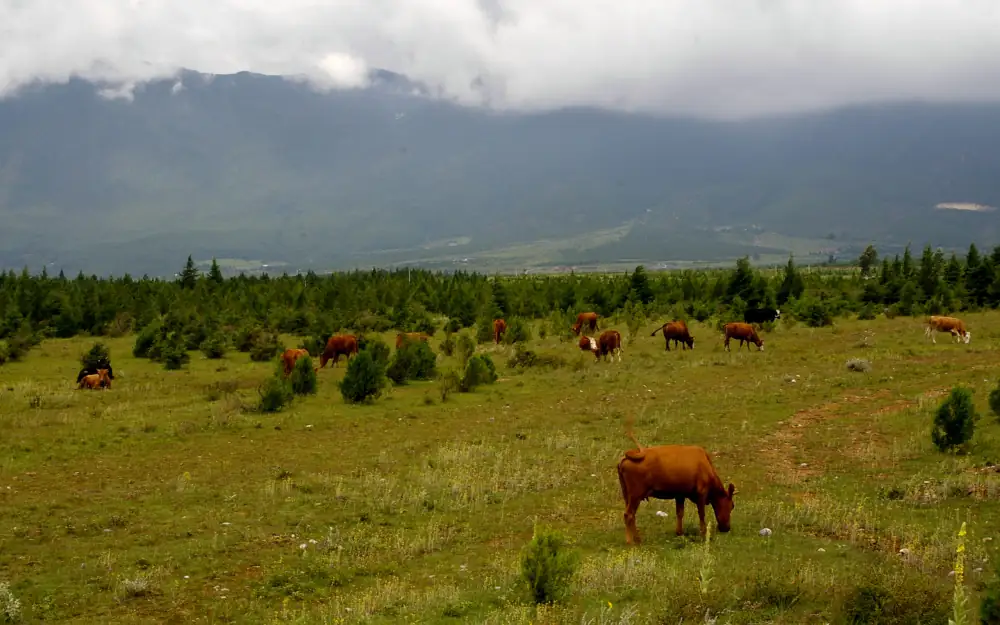
Getting there: Lijiang Sanyi Airport (LJG) receives domestic flights from Kunming (45 min), Chengdu, Chongqing, and most major Chinese cities. No international connections — you’ll transit through another Chinese city.
Trains: Lijiang has a high-speed rail connection to Kunming (3.5 hours, ¥160) and Dali (1.5 hours, ¥75), useful if you’re doing the Yunnan circuit.
Altitude: Lijiang sits at 2,400m above sea level. Most people feel fine, but some experience mild headaches or fatigue on the first day. Jade Dragon Snow Mountain reaches 5,596m — altitude sickness is a real risk there (more below).
Entrance fees: Lijiang Old Town charges a maintenance fee (¥80) upon entering the UNESCO core area. This is collected at guesthouses and hotels rather than a gate — you’ll be asked when you check in. Keep the wristband on for the duration of your stay.
Accommodation: Stay inside or just outside the old town walls. Guesthouses (客栈, kèzhàn) with courtyard gardens are the characteristic Lijiang accommodation type. Expect ¥200-500/night for a decent one. Book ahead for October and spring holidays — the good ones fill months in advance.
Day 1: Lijiang Old Town — Canals, Alleyways & Naxi Culture
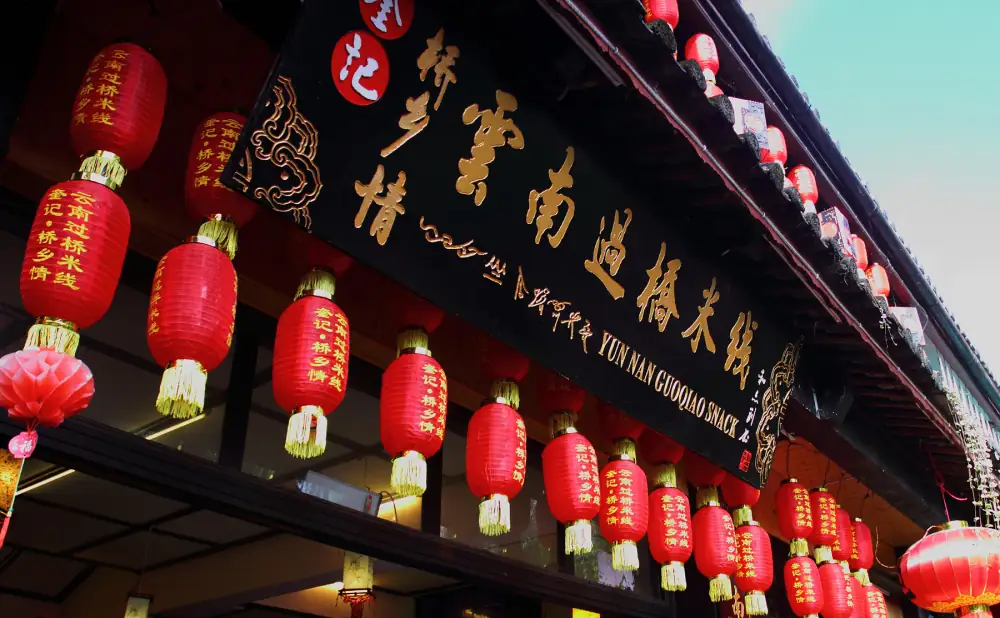
Morning: Sifang Street & Canal Walk
The center of the old town is Sifang Square (四方街) — a cobbled open market that has been Lijiang’s commercial heart for centuries. Get there by 7:30am when it’s quiet and you can appreciate the architecture. By 9am the tour groups arrive.
From Sifang Square, follow any of the canal-side lanes in any direction. The canal system channels water from Yuquan Spring through hundreds of branching waterways — every alley has a small bridge crossing. The water is genuinely clear (fed by snowmelt).
Mu Family Mansion (木府, ¥60) is the restored palace of the Mu family, who ruled Lijiang as tusi (hereditary rulers) for 22 generations under the Ming Dynasty. The complex is enormous and the restored buildings are impressive. Allow 1.5 hours.
Afternoon: Heilongtan Park & Naxi Music
Black Dragon Pool Park (黑龙潭公园, ¥80) is the place for the classic Lijiang photo — the pool reflecting the Jade Dragon Snow Mountain behind the Moon Embracing Pavilion. This view requires the mountain to be clear of clouds (early morning in summer, more consistent in winter). Check weather forecasts the day before and plan accordingly.
The park is a 20-minute walk from the old town center.
For an introduction to Naxi Dongba culture, visit the Dongba Cultural Research Institute (东巴文化研究所, free or small donation) — a working archive where scholars study the world’s only remaining living pictographic writing system. The Dongba script uses over 1,400 pictographs still used by Naxi priests. Fascinating.
In the afternoon, look for the Naxi Ancient Music performances — the Naxi Orchestra performs traditional music using instruments and melodies preserved from the Tang Dynasty. Shows run daily at 8pm at the Naxi Ancient Music Hall (纳西古乐会, ¥160). The older performers are the last generation who know this music — it’s genuinely historical.
Evening: Bar Street & Night Life
Xinhua Street Bar Street (新华街酒吧街) is Lijiang’s notorious night scene — live music bars, wine bars, and loud pop music venues. The bar scene here runs late (2-3am) and has a reputation for being rowdy. Go for one drink to see what it’s like; it’s not for everyone but it’s a genuine part of modern Lijiang culture.
Better for food: the smaller restaurants in the back alleys of the old town serve Yunnan rice noodles (米线, ¥15-20), Yunnan goat cheese (乳扇, grilled or pan-fried, ¥10-15), and crossing bridge noodles (过桥米线, ¥25-40). These are what you should be eating.
Day 2: Jade Dragon Snow Mountain
Full Day: Jade Dragon Snow Mountain
Jade Dragon Snow Mountain (玉龙雪山, Yùlóng Xuěshān) is the dominant feature on Lijiang’s northern horizon — a 5,596m peak that’s permanently snow-capped. It’s sacred to the Naxi people as the mountain god Sanduo.
Tickets: ¥130 for scenic area entry. The Glacier Park cable car (冰川公园大索道) reaching 4,506m costs ¥200 one-way or ¥280 return — the most dramatic option. The Spruce Meadow cable car (云杉坪) at ¥40 one-way accesses gentler alpine meadows.
Getting there: Tourist buses from the Old Town Bus Station (¥20) or taxis (¥50-80 one-way).
Altitude warning: At 4,506m, the Glacier Park is high enough to cause altitude sickness in people who haven’t had time to acclimatize. Symptoms include headache, nausea, dizziness, and shortness of breath. Oxygen bags are sold on-site (¥20-30) and widely used. If you feel seriously unwell, descend immediately.
Practical tips:
- Book the Glacier Park cable car tickets online in advance — they sell out at the counter, especially on weekends
- Dress in layers regardless of the season — it’s cold at the top even in summer
- The walk at the summit platform is at high altitude; take it slowly
- Morning departures give better chance of clear views before afternoon clouds build
Allow a full day. Even with an early start, queues for the cable cars can add 1-2 hours.
Spend the afternoon at the Blue Moon Valley (蓝月谷, included in park entry) — a series of vivid turquoise lakes fed by glacial meltwater. The color is genuinely that blue. Walk the 5km path between the lakes.
Day 3: Shuhe Ancient Town & Tiger Leaping Gorge (Option)
Morning: Shuhe Ancient Town
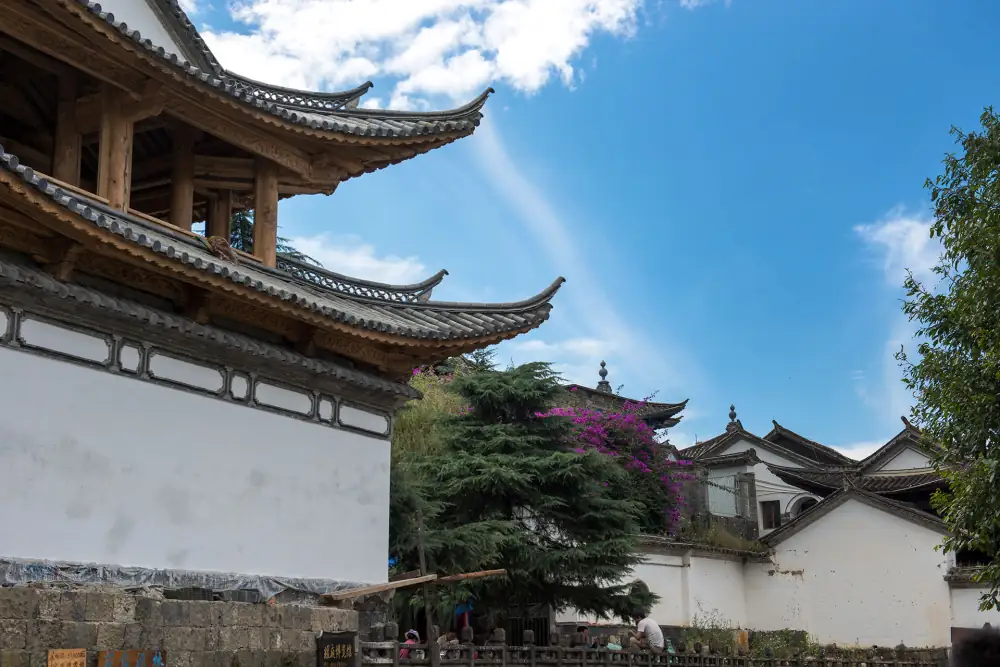
Shuhe (束河古镇) is a smaller, quieter version of Lijiang Old Town, 4km north. It has fewer tourists, lower prices in the restaurants and guesthouses, and a more authentic village atmosphere. A taxi from the Old Town costs ¥15-20.
Shuhe also has canal walks and cobblestone lanes, but the scale is more manageable. The Shuhe Ancient Market Square (束河古市场) is a good place to find Yunnan handicrafts at fair prices — silverwork, hand-embroidered textiles, and Tibetan jewelry.
For lunch, the restaurants facing the main canal serve excellent Yunnan food at 30-40% cheaper prices than the tourist restaurants in Lijiang Old Town.
Afternoon Option: Tiger Leaping Gorge
Tiger Leaping Gorge (虎跳峡) is 60km north of Lijiang — one of the deepest river gorges in the world, where the Jinsha River squeezes between the Jade Dragon Snow Mountain and Haba Mountain with a vertical drop of over 3,000m.
The Upper Gorge (中虎跳) is accessible by minibus (¥30, 1.5 hours from Lijiang) without hiking. The High Trail (两天徒步) is a 2-day trek along the top of the gorge — one of China’s classic hikes, but requiring an overnight at a guesthouse along the trail. If you want to do the full hike, adjust your itinerary to spend a night in the gorge.
For a half-day visit, the viewpoint at the road-accessible section of Tina’s/Tea Horse Guesthouse gives impressive gorge views without the full hike.
Return to Lijiang and spend your final evening shopping for Yunnan specialties: Pu-erh tea (普洱茶), Yunnan ham (云腿), Naxi batik fabric, and Lijiang baba (纳西粑粑 — Naxi flatbread with walnut and sesame, ¥5-8 each).
Practical Information
| Item | Cost |
|---|---|
| Old Town maintenance fee | ¥80 |
| Mu Family Mansion | ¥60 |
| Black Dragon Pool Park | ¥80 |
| Naxi Ancient Music | ¥160 |
| Jade Dragon Snow Mountain entry | ¥130 |
| Glacier Park cable car | ¥280 return |
| Shuhe Ancient Town | Free |
| Budget guesthouse | ¥200-350/night |
| Mid-range hotel | ¥450-800/night |
Best time to visit: March-May (azaleas blooming on the mountain) and October-November (clear skies, autumn colors). July-August brings monsoon rain — the mountain is frequently cloud-covered. January-February is cold but the snowpack on Jade Dragon is at its most dramatic.
Lijiang vs Dali: Both are old Yunnan towns with minority cultures, but they’re very different. Lijiang is more dramatic in landscape and has stronger Tibetan Buddhist influence. Dali (3 hours by train) is more relaxed, lakeside, with a lively expat and backpacker scene. Both deserve time if you’re doing the Yunnan circuit.
Altitude acclimatization: If you’re arriving from sea level and planning to go up to Jade Dragon Snow Mountain on Day 2, take Day 1 easy — short walks, no strenuous exercise, drink lots of water, avoid alcohol. Most people manage fine with this protocol.