
Lijiang has one of the clearest accommodation decisions of any Chinese tourist city: you either stay inside the UNESCO-protected old town (古城, gǔchéng) in a Naxi wooden guesthouse, or you stay in the modern city in a conventional hotel. The experiences are not slightly different — they are completely different. One puts you inside one of the most beautiful preserved historic towns in Asia; the other puts you in a generic Chinese city hotel that happens to be near that town. The price difference is smaller than you might expect.
Table of contents
Open Table of contents
Why the Old Town Changes the Experience
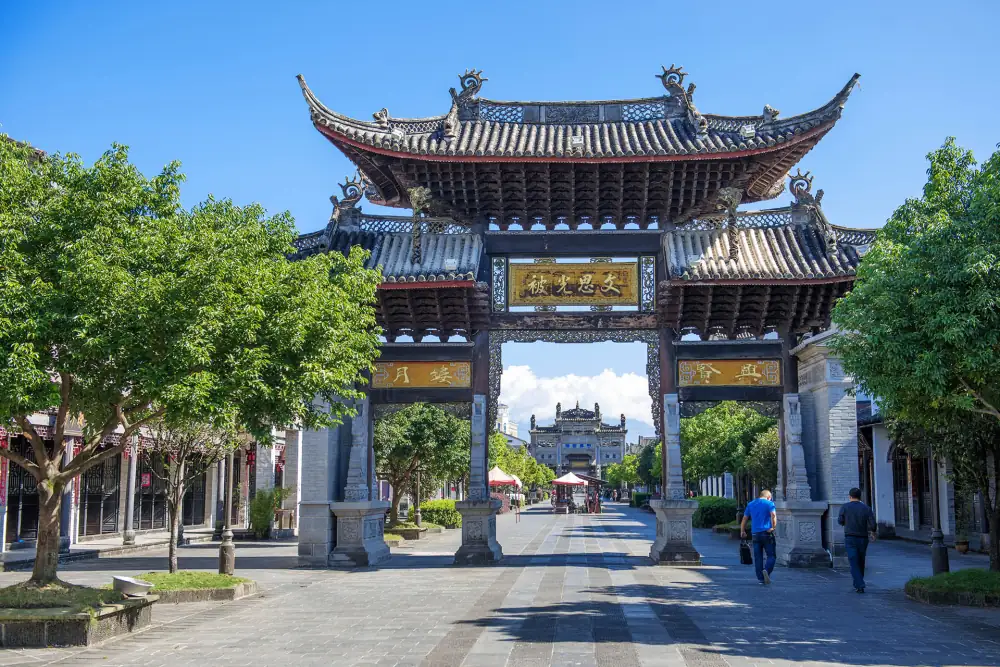
Lijiang Old Town (丽江古城) is a UNESCO World Heritage Site for good reason. The Naxi minority architecture — intricate carved wooden eaves, tiled roofs that curve upward at the corners, cobblestone streets with water channels running alongside, no vehicles, no concrete — creates an environment that’s genuinely unlike anywhere else.
Staying inside the walls means:
- Waking to the sound of the water channels rather than traffic
- Walking out of your door into the most beautiful part of the city
- Being on the ground for the early morning before tourist groups arrive (before 9am the old town is quiet and extraordinary)
- Access to the atmospheric lantern-lit evening streets without organising transport back from outside
The old town cannot accommodate cars. There are no taxi or DiDi pick-ups inside the walls. Your luggage goes in by hand or on a portered cart. This is mildly inconvenient and entirely worth it.
Old Town Guesthouse Guide
The Range of Options
Old town guesthouses range from converted Naxi family homes with 4-6 rooms and family-level service to larger boutique operations with 20+ rooms and professional staff. Both can be excellent; the smaller family guesthouses have more character and less consistency.
Price reality: The best old town guesthouses cost ¥350-800/night for a double room. This is significantly more than modern-city equivalents — the premium is for the location and architecture, which are irreplaceable.
What to look for: A courtyard (天井, tiānjǐng) — the central open-sky space around which traditional Naxi houses are built. The quality of the guesthouse’s courtyard (its size, planting, maintenance, whether it’s used as a common area) is a strong indicator of overall quality.
Room types: Traditional rooms have wooden floors, carved wooden furniture, fabric lanterns. The best have mountain views (Jade Dragon Snow Mountain is visible to the north from some buildings). Upper floors typically have better views but wooden stairs.
Specific Areas Within the Old Town
Wuyi Street area — the most commercially active part of the old town. Maximum bar and restaurant density, lanterns everywhere, very atmospheric at night. Also noisiest on weekends. Good for travellers who want to be in the middle of things.
Xinyi Street and surrounding lanes — slightly quieter, residential feel alongside commercial. The water channels are particularly well-maintained here. Balance of atmosphere and quiet.
Northern and eastern residential lanes — the furthest from the main tourist circuit, genuinely residential in feel, quietest. Best for light sleepers who still want the old town setting. Further to walk to the main sights.
Booking Old Town Guesthouses
Book early: The best old town guesthouses fill up months ahead during peak season (October Golden Week, Chinese New Year). May and October are peak. November and March are less pressured.
Book direct: Many old town guesthouses aren’t on Booking.com or have limited profiles there. Trip.com has better coverage. For smaller family guesthouses, WeChat or email direct booking is common.
Ask for courtyard-facing rooms: Explicitly request a room that faces the internal courtyard rather than the external street or an interior wall. The courtyard view is what you’re paying for.
The New City Alternative
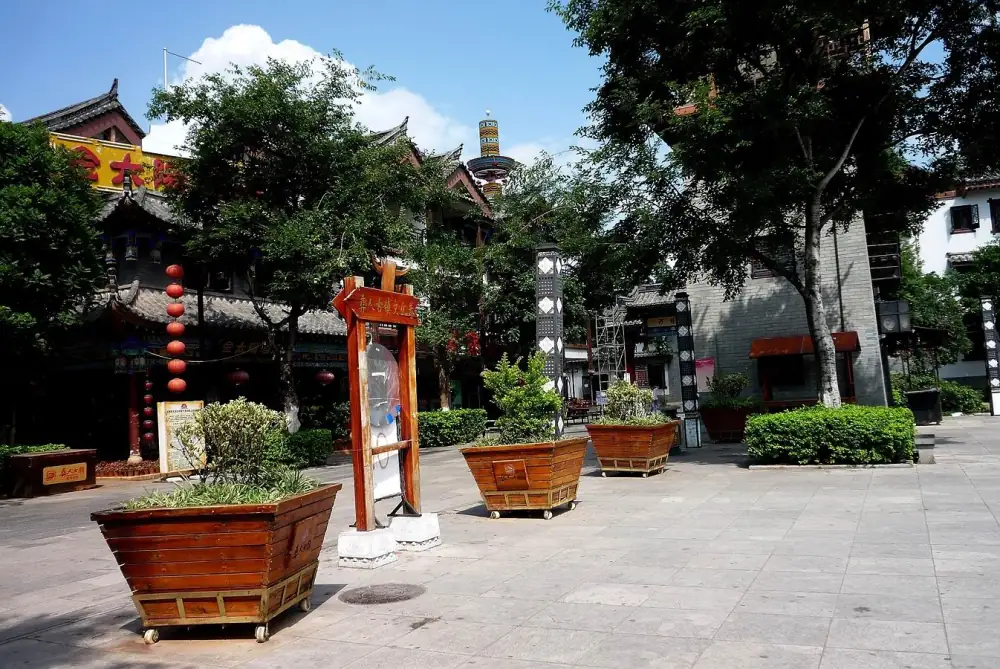
If you require: an actual car to your door, lifts (some old town guesthouses have several staircases), fully disability-accessible facilities, or hotel chain loyalty points — the new city is your option.
Lijiang Marriott Hotel — standard international chain quality in the new city district. ¥600-1,200/night. Good service, facilities, but zero atmosphere.
GreenTree Inn and similar chains — budget domestic chain hotels at ¥200-400/night. Functional, foreign-passport capable, zero character.
The new city location problem: The old town is a 20-30 minute walk from most new city hotels, or a ¥15-25 taxi ride. You’ll spend this time every time you want to visit what made you come to Lijiang.
The Mountain Resort Option
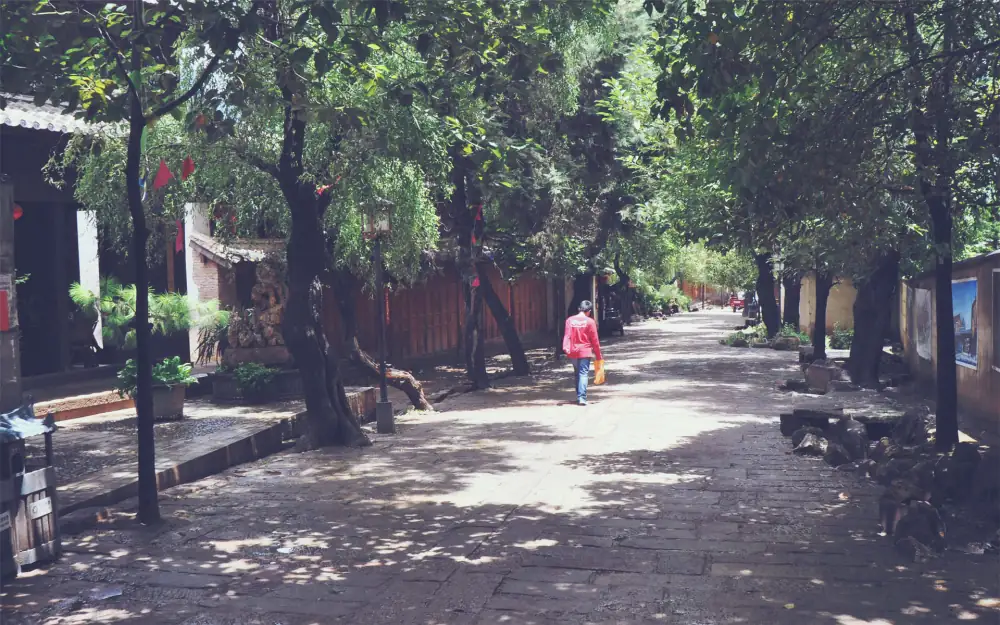
A third option exists: resort hotels north of Lijiang, particularly in the Jade Dragon Snow Mountain (玉龙雪山) scenic area. These large resort hotels — Banyan Tree Lijiang, Ritz-Carlton Lijiang — are set against the mountain backdrop and offer luxury facilities at significant prices (¥2,500-8,000/night).
The trade-off: you’re at altitude (around 2,800-3,100m), away from the old town, in a resort environment. For the mountain scenery and the Banyan Tree specifically, many travellers consider this the best accommodation in the Lijiang region.
Budget: Old Town on Less Money
Budget options within the old town exist, though the floor is higher than at regular Chinese hostels:
Dorm beds: ¥80-130/night. Some old town guesthouses operate small dorm rooms. The hostel-style properties are fewer than private guesthouses.
The cheapest private rooms: ¥200-350/night gets you into the old town, though rooms at this price point may be smaller or on less desirable positions within the guesthouse.
The comparison: ¥280/night in an old town guesthouse vs ¥150/night in a new city budget hotel. For most visitors to Lijiang specifically for the old town, the extra ¥130/night is a clear value decision.
Practical Notes
Altitude: Lijiang is at 2,400m altitude. Some visitors experience mild symptoms (headache, fatigue) in the first day or two. Good hydration helps. The old town guesthouses at this altitude are fine for most people.
Wi-Fi and phone signal: Decent in old town guesthouses; the stone-and-wood construction can affect signal in some rooms. 5G coverage extends into the old town now.
Check-in logistics: Tell your guesthouse your arrival time. Many will send someone to meet you at the old town entrance with a luggage cart. Some charge a small fee for luggage portering.
Old town entrance fee: There used to be a ¥80 old town maintenance fee for visitors. This has changed periodically — check current status before arrival as the fee structure may have been updated.
Best time to visit Lijiang: April-May (spring flowers, clear days, before peak crowds), September-October (clear skies, harvest colours). July-August is rainy season with less mountain visibility.